2025 Guide: How to Choose and Set Up LED Video Wall Panels Effectively
In recent years, the demand for LED video wall panels has skyrocketed, transforming the way businesses engage with their audiences through visual displays. According to a report by MarketsandMarkets, the global LED display market is projected to reach USD 70.6 billion by 2025, driven by advancements in technology and an increasing preference for high-resolution screens in various sectors such as retail, sports, and events. With such growth, organizations are eager to leverage the benefits of LED video wall panels to enhance customer experiences and streamline their communication strategies.
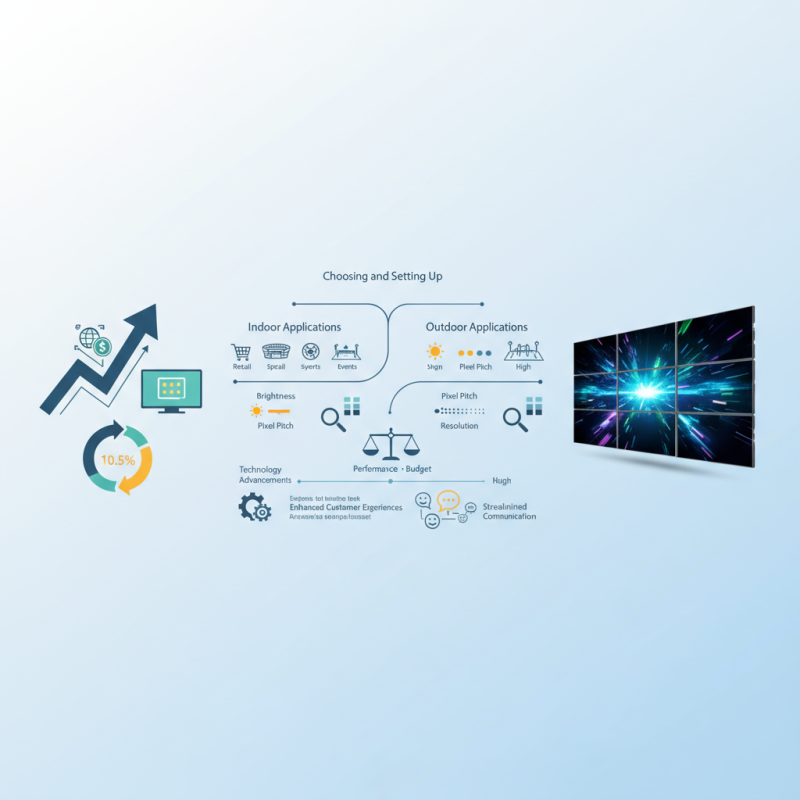
Choosing the right LED video wall panels and setting them up effectively can be a daunting task due to the myriad of options available. Industry experts suggest that understanding the specific context in which these panels will be used is crucial. For instance, factors like brightness, pixel pitch, and resolution are vital in determining the right fit for indoor versus outdoor applications, influencing not only performance but also budget considerations. With an expected compound annual growth rate of 10.5% in the LED industry, investing wisely in these display technologies is essential for staying competitive in an increasingly visual world.
Understanding LED Video Wall Panels: Basic Concepts and Types
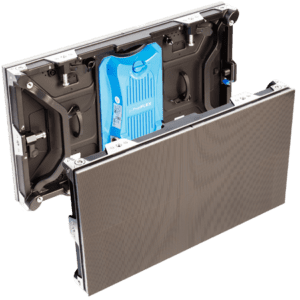
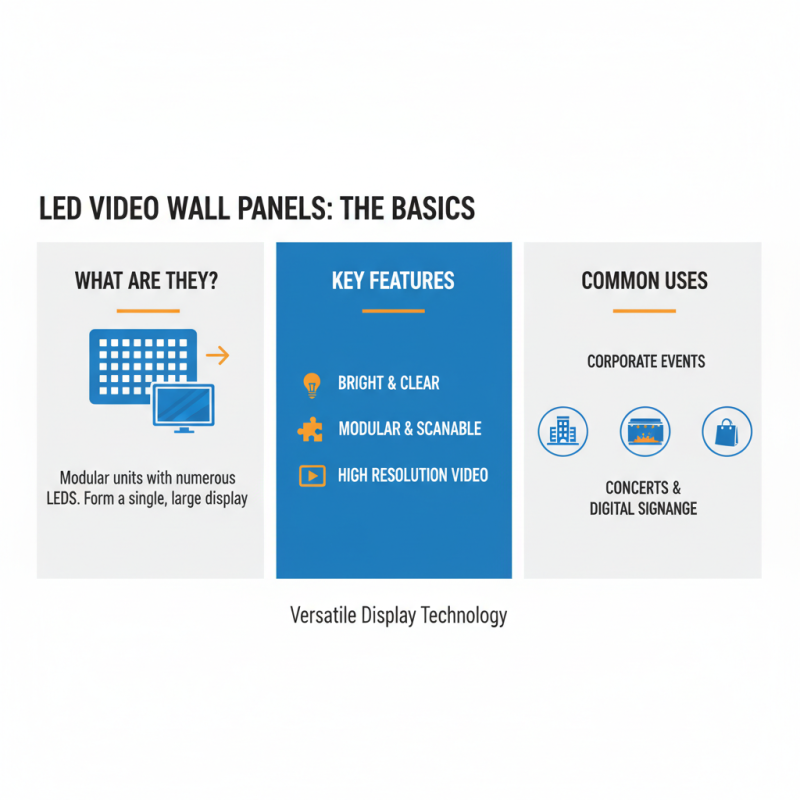
LED video wall panels have become increasingly popular due to their versatility and vibrant display capabilities. At their core, LED video wall panels are made up of numerous small LED modules that collectively form a larger screen. This technology allows for high-resolution images and video playback in various environments, from corporate presentations to large-scale concerts. Understanding the basic concepts of these panels is essential for effective setup and utilization.
There are several types of LED video wall panels available, each catering to different needs and environments. Indoor panels are typically designed for close viewing distances, providing superior image quality with high brightness and contrast. In contrast, outdoor panels are built to withstand challenging weather conditions and often feature higher brightness levels to ensure visibility in direct sunlight. Additionally, panels can vary in pixel pitch, which refers to the distance between the center of two adjacent pixels; smaller pixel pitches generally yield higher resolutions ideal for detailed images. This diversity in types allows users to select the most suitable option for their specific applications, optimizing the visual experience in any setting.
Key Factors to Consider When Choosing LED Video Wall Panels
When selecting LED video wall panels, there are several critical factors to consider to ensure optimal performance and longevity. One of the primary considerations is pixel pitch, which determines the resolution and viewing distance of the display. A smaller pixel pitch, typically ranging from 1.5mm to 3mm, is ideal for close viewing, while a larger pitch may suffice for installations viewed from a distance. According to a report by IHS Markit, the global LED display market is projected to reach $21 billion by 2025, underscoring the growing importance of understanding specifications like pixel pitch in making informed purchasing decisions.
Another essential factor is brightness, measured in nits, which directly impacts the visibility of the display in different lighting conditions. For indoor environments, a brightness level of 500 to 1,000 nits is often sufficient, whereas outdoor panels may require brightness levels exceeding 5,000 nits to remain visible in direct sunlight. Research by Future Market Insights indicates that advancements in LED technology are continuously improving brightness capabilities, enabling displays to perform better across various environments. Additionally, the refresh rate is crucial; a higher refresh rate, typically at least 60Hz, ensures smoother video playback, reducing flickering and enhancing viewer experience, especially in event staging or advertising scenarios.
Taking these factors into account not only ensures a successful installation but also aligns with the long-term goals for viewing quality and audience engagement, vital aspects in today's digital signage landscape.
2025 LED Video Wall Panels Selection Insights
Essential Tools and Equipment for Setting Up LED Video Walls
When setting up an LED video wall, having the right tools and equipment is essential to ensure a smooth installation process and optimal performance. Start with a robust mounting system tailored for your specific wall configuration. This could include brackets, frames, or truss systems, which provide stability and secure the panels in place. Additionally, consider cable management tools to keep power and data cables organized and out of sight, which not only enhances the aesthetic of the installation but also prevents potential hazards.
Next, invest in high-quality connectors and signal distribution equipment. Proper signal distribution is crucial for maintaining image quality across all panels. Look into using video processors or scalers, which help in managing the input sources and distributing images evenly across the LED wall. Don't overlook the importance of a reliable power supply; make sure to use power distribution units that can handle the load and provide sufficient backup options to avoid downtime during critical presentations or events. With the right setup of equipment and tools, your LED video wall can deliver stunning visuals and an unforgettable viewing experience.
2025 Guide: How to Choose and Set Up LED Video Wall Panels Effectively
| Aspect |
Description |
| Panel Type |
SMD (Surface Mounted Device) is commonly used for indoor setups; DIP (Dual In-line Package) is preferred for outdoor use. |
| Pixel Pitch |
The distance from the center of one pixel to the center of the next; smaller pitches offer higher resolution. |
| Brightness |
Measured in nits, higher brightness is necessary for outdoor environments. |
| Viewing Angle |
Wider angles allow for better visibility from various positions; typically, a viewing angle of over 160 degrees is ideal. |
| Control System |
Look for systems that support a variety of input sources and allow for easy layout and content management. |
| Installation Requirements |
Consider your location's structure, power supply, and cooling needs during installation. |
| Maintenance |
Regular checking for dead pixels, cleaning, and software updates is essential for long-term performance. |
Step-by-Step Guide to Installing LED Video Wall Panels
Installing LED video wall panels can transform a space and create stunning visual displays. To ensure a smooth setup, follow this step-by-step guide. First, it's crucial to assess the location where the video wall will be installed. Measure the area and consider factors such as viewer distance, lighting conditions, and the purpose of the display. This assessment will help in determining the size and resolution of the panels needed. Opt for panels that meet the brightness and video quality requirements based on your environment.
Once the planning phase is complete, proceed with the installation. Start by securely mounting the panels on a sturdy frame or wall, ensuring all safety standards are met. Use the appropriate tools and follow the manufacturer’s guidelines for mounting. After the panels are in place, connect the power and data cables, ensuring they are properly routed to avoid any hazards. Finally, configure the settings on the LED video wall for optimal performance, adjusting brightness, contrast, and color calibration to achieve the desired visual effect. Regularly check connections and settings to maintain peak performance throughout the lifespan of your video wall.
Maintenance and Troubleshooting Tips for LED Video Walls
Maintaining LED video walls is crucial to ensure optimal performance and longevity. Regular inspections should be conducted to identify any signs of wear, such as flickering screens, discoloration, or dead pixels. It is advisable to schedule routine cleaning of the panels to remove dust and debris that can interfere with display quality. Using a soft, lint-free cloth and an appropriate cleaning solution will help maintain the integrity of the screens without causing damage.
In addition to regular maintenance, troubleshooting common issues is essential for minimizing downtime. If the display exhibits technical problems, start by checking the power supply and connections to ensure everything is securely in place. Faulty cables can often be the culprit of intermittent issues. For pixel-related problems, software adjustments can sometimes resolve minor glitches, while more serious pixel failures may necessitate replacement. Keeping a detailed log of any maintenance and issues encountered will aid in tracking patterns and enhancing the overall reliability of the LED video wall system.


 House of Worship
 Transportation
 Trade shows led display
 retail
 Creative Led Solutions
 Hospitality
 Higher Education
 Corporate LED