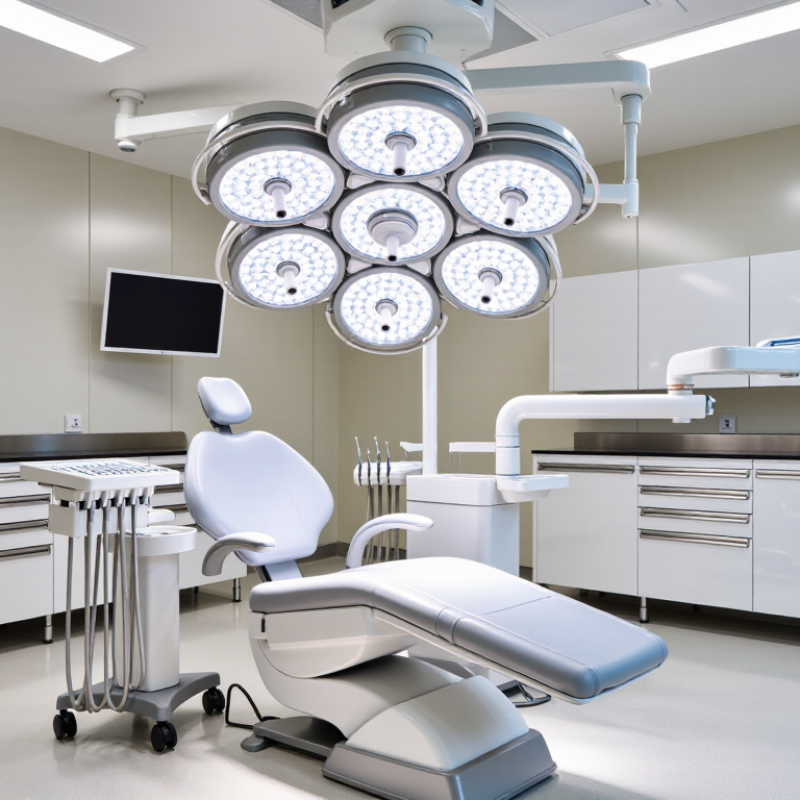
| Illuminance | Adjustable range of approximately 8,000–50,000 lux, with stable output at the working distance | Provides sufficient visibility for examination, restorative treatment, implant procedures, and oral surgery without excessive glare. | Photometric test report stating illuminance, measuring distance, test method, and tolerance. |
| Color Temperature | Adjustable or selectable range of approximately 4,000–5,500 K | Supports accurate visual assessment of teeth, soft tissue, composite materials, and shade differences. | Certified photometric data showing correlated color temperature and adjustment steps. |
| Color Rendering | General color rendering index (CRI/Ra) of 90 or higher; verify R9 performance where shade matching is important | High color fidelity helps clinicians distinguish natural tissue, blood, dentin, enamel, and restorative materials. | CRI report listing Ra and, preferably, individual color-rendering values including R9. |
| Shadow Management | Multi-LED optical arrangement with documented shadow-reduction performance | Reduces dark areas caused by the operator’s head, hands, instruments, or the patient’s oral anatomy. | Shadow test results using defined obstruction conditions and working distance. |
| Light-Field Size | Adjustable or controlled field typically around 150–200 mm at the recommended operating distance | A controllable beam helps illuminate the oral cavity while limiting unnecessary light into the clinician’s eyes. | Beam-profile diagram showing field diameter, uniformity, and measuring distance. |
| Curing-Safe Mode | Dedicated composite-curing protection mode, commonly using reduced blue-spectrum output or a low-intensity setting | Helps reduce the risk of premature polymerization of light-cured restorative materials. | Mode description, spectral data, operating instructions, and compatibility information for dental curing procedures. |
| Positioning and Reach | Smooth multi-axis movement with sufficient arm reach for the intended dental chair and treatment area | Allows rapid alignment with different patient positions and reduces unnecessary repositioning during treatment. | Dimensional drawing, reach diagram, load data, and installation-clearance requirements. |
| Sterilizable Handles | Removable handles suitable for the sterilization method specified by the manufacturer | Supports infection-control workflows and allows clinicians to reposition the light without touching non-sterile surfaces. | Handle material, removal instructions, sterilization-cycle limits, and replacement-part availability. |
| Disinfection Compatibility | Housing and control surfaces tested or documented as compatible with commonly used healthcare disinfectants | Reduces the risk of cracking, discoloration, corrosion, or premature failure during repeated surface disinfection. | Chemical-compatibility list, cleaning instructions, and material specifications. |
| Electrical Compatibility | Input configuration matched to the installation site; a 100–240 V AC, 50/60 Hz option may simplify international deployment | Correct voltage and frequency reduce installation risk and help maintain reliable operation. | Electrical rating label, wiring diagram, input-current data, and installation requirements. |
| Safety and Compliance | Applicable medical-electrical safety documentation, including IEC 60601-1 and the relevant dental operating-light requirements such as IEC 60601-2-41 where applicable | Provides evidence that electrical, mechanical, thermal, and essential-performance risks have been assessed. | Current test reports, declarations, certification scope, risk-management documentation, and market-specific regulatory records. |
| Photobiological Safety | Photobiological-risk assessment for the LED light source according to the applicable safety framework | Helps control potential risks from optical radiation during prolonged clinical exposure. | Photobiological safety evaluation, applicable IEC 62471 classification, and exposure-related instructions. |
| LED Service Life | Long-life LED design with an L70 rating commonly specified at 50,000 hours or more | Long service life can reduce lamp replacement, downtime, and maintenance costs. | LED reliability data defining L70 conditions, operating temperature, and warranty exclusions. |
| Control Interface | Non-contact sensor, membrane keypad, or chair-integrated control with clear intensity and mode indicators | Touch-free or easy-clean controls improve workflow and reduce cross-contamination opportunities. | User-interface demonstration, control compatibility details, and cleaning limitations. |
| Supplier Quality System | Documented medical-device quality management process, preferably supported by ISO 13485 certification where applicable | A controlled quality system supports traceability, corrective actions, consistent production, and change management. | Valid certificate, certification scope, factory audit records, serial-number traceability, and change-control procedure. |
| After-Sales Support | Written warranty terms, spare-parts plan, technical documentation, and defined response times | Reliable support limits downtime and simplifies maintenance throughout the operating light’s service life. | Warranty policy, spare-parts list, service manual, training plan, and escalation contacts. |

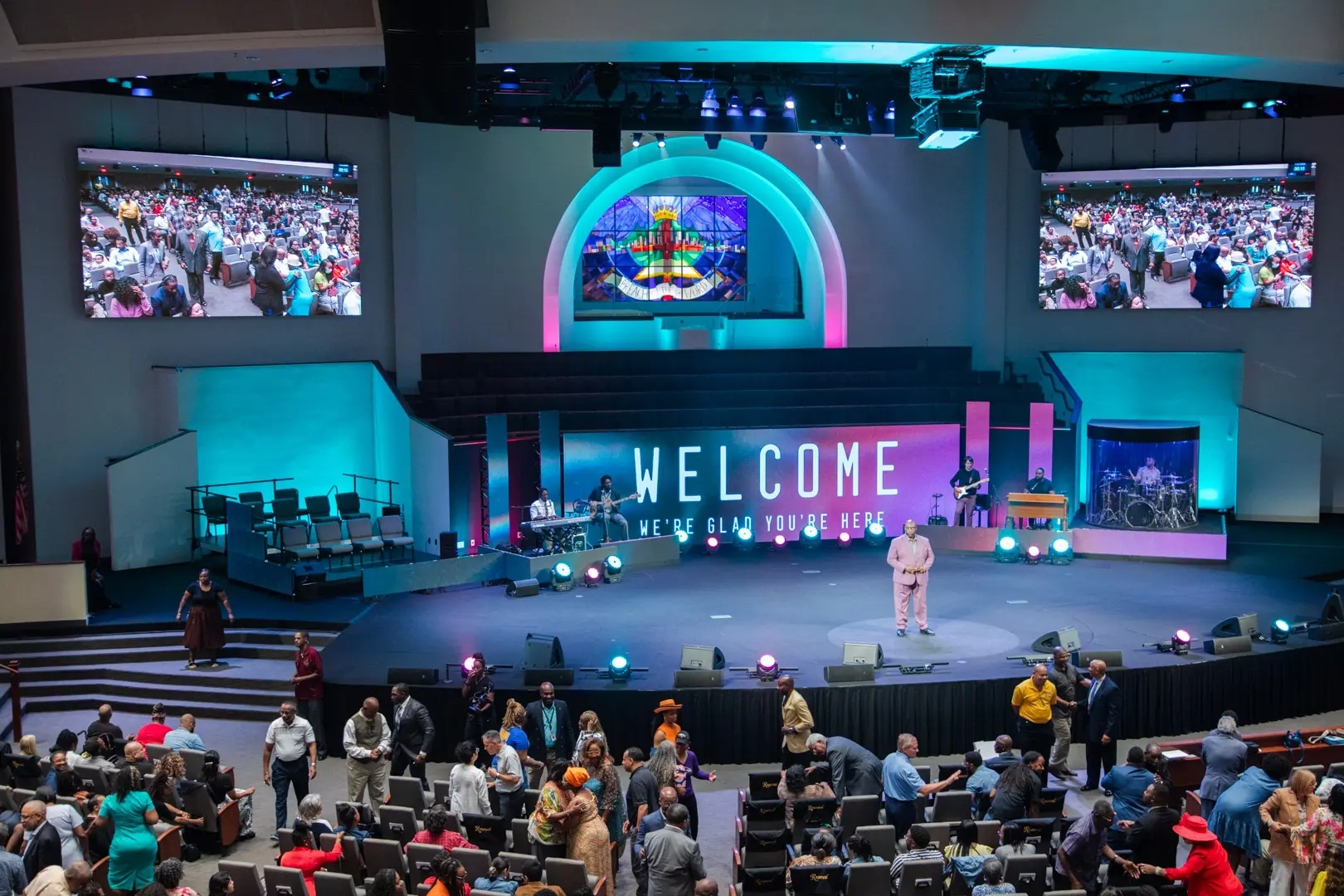
 House of Worship
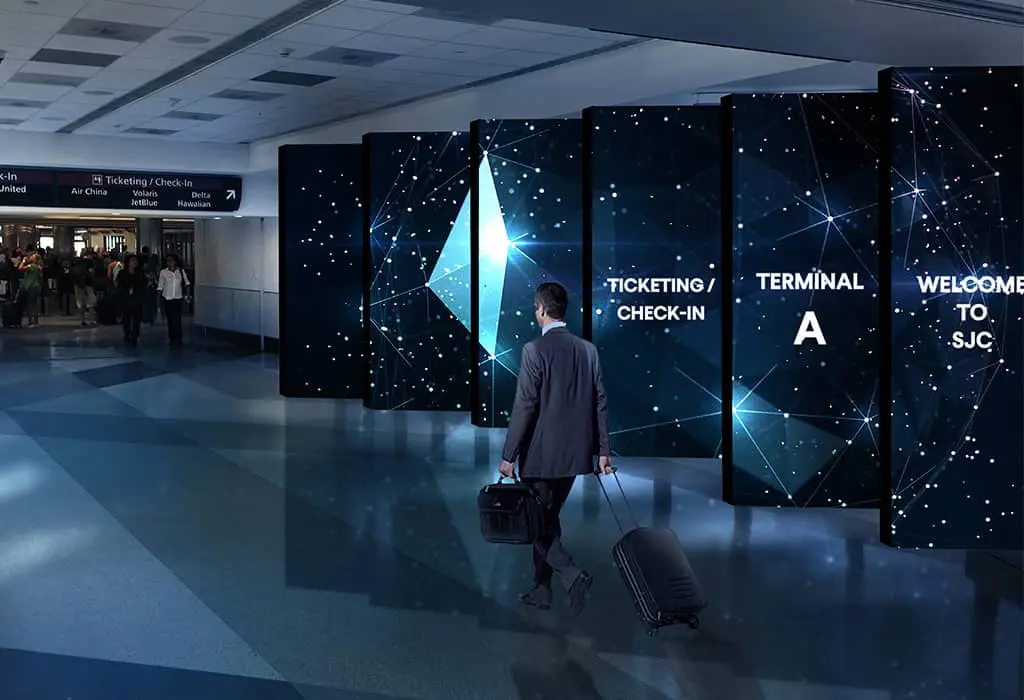
 Transportation
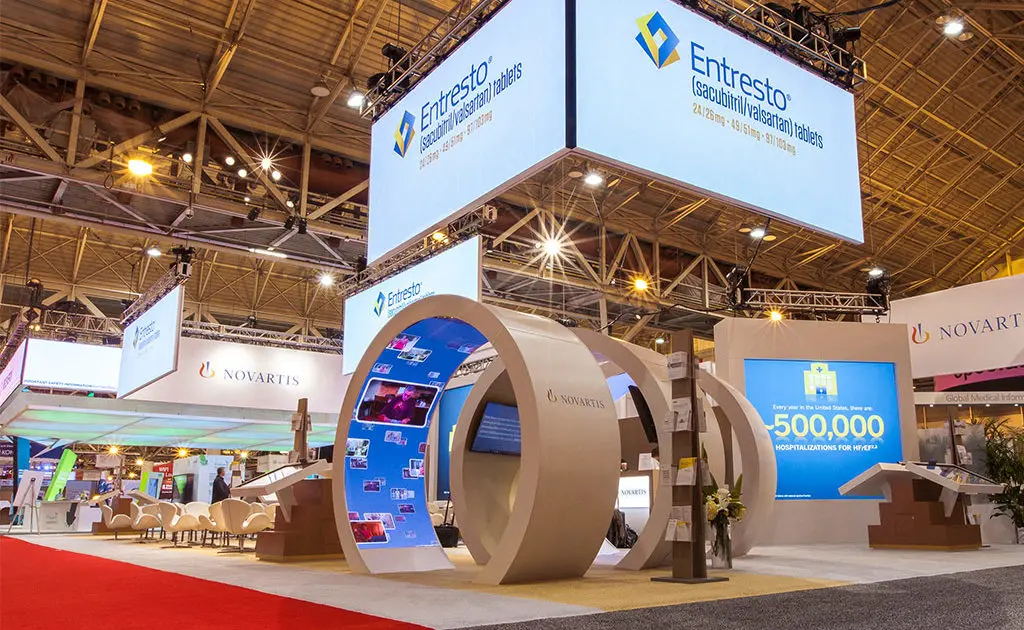
 Trade shows led display
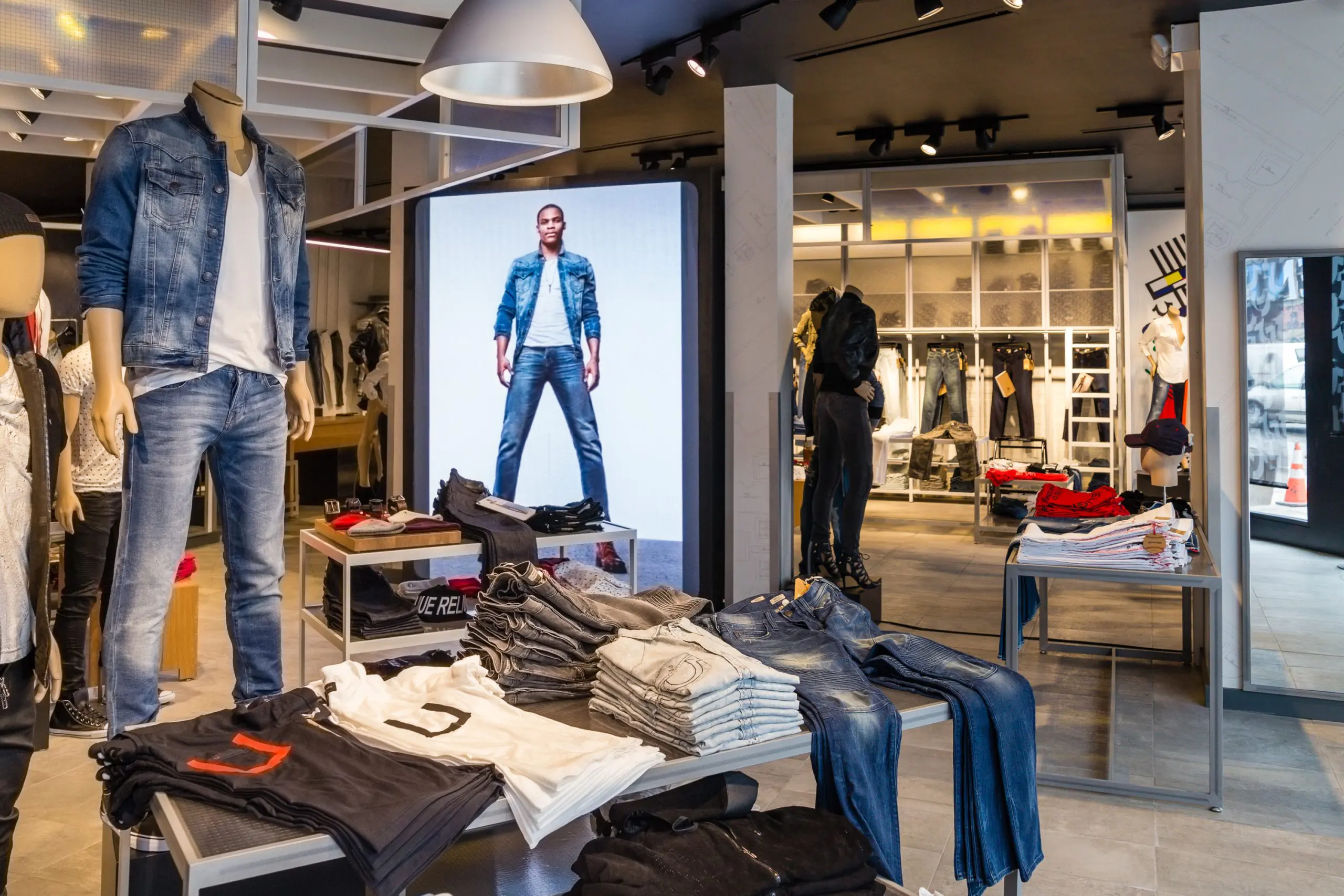
 retail
 Creative Led Solutions
 Hospitality
 Higher Education
 Corporate LED