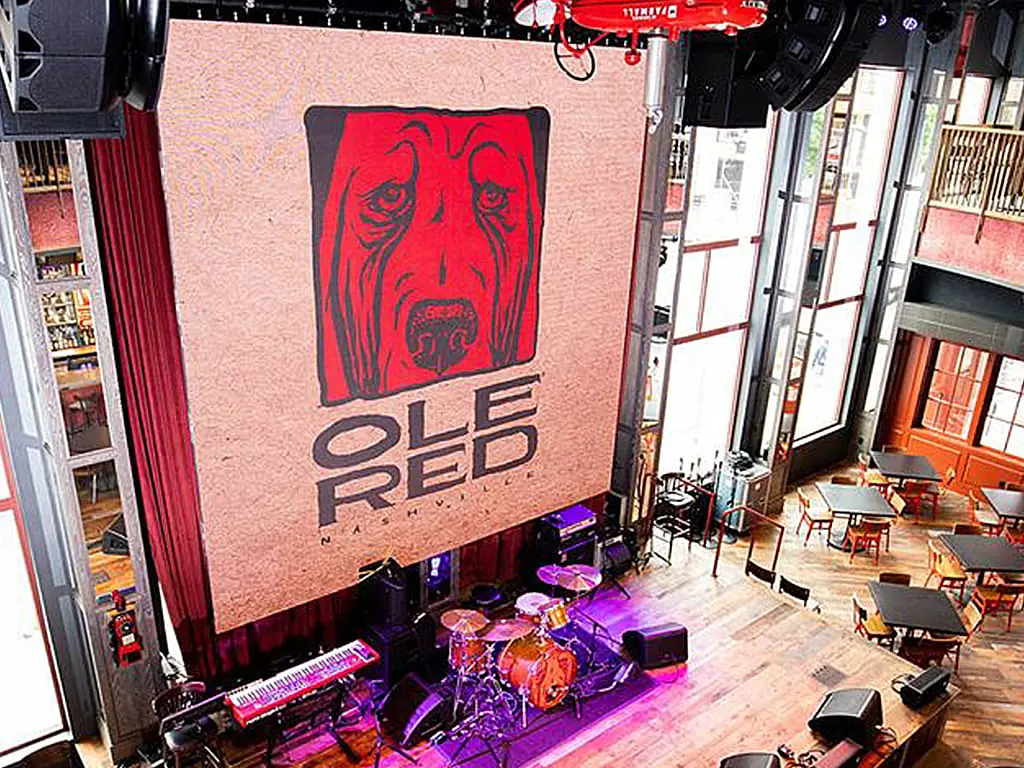
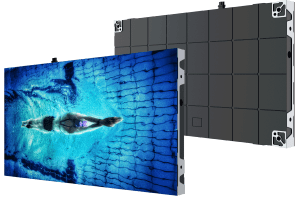
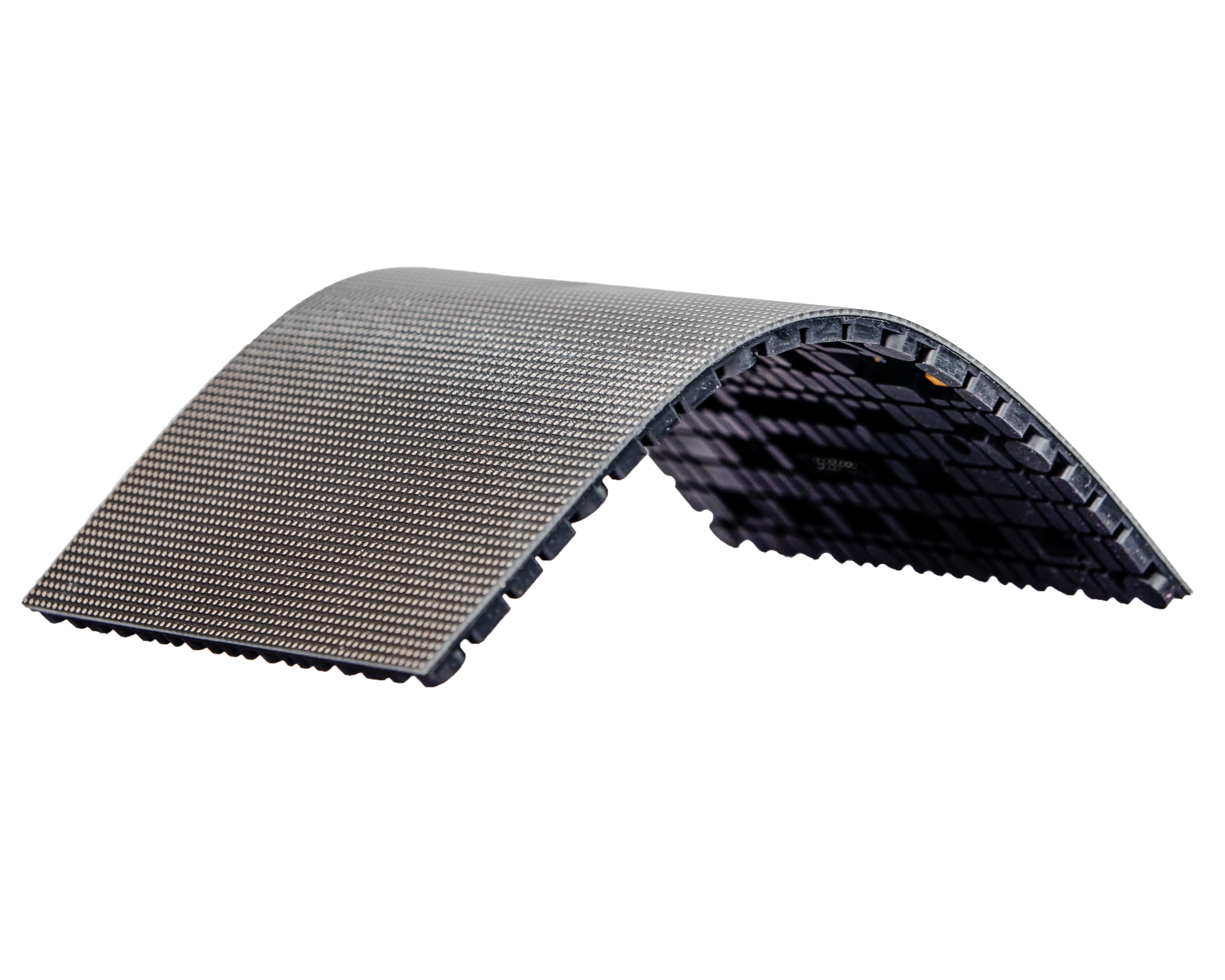
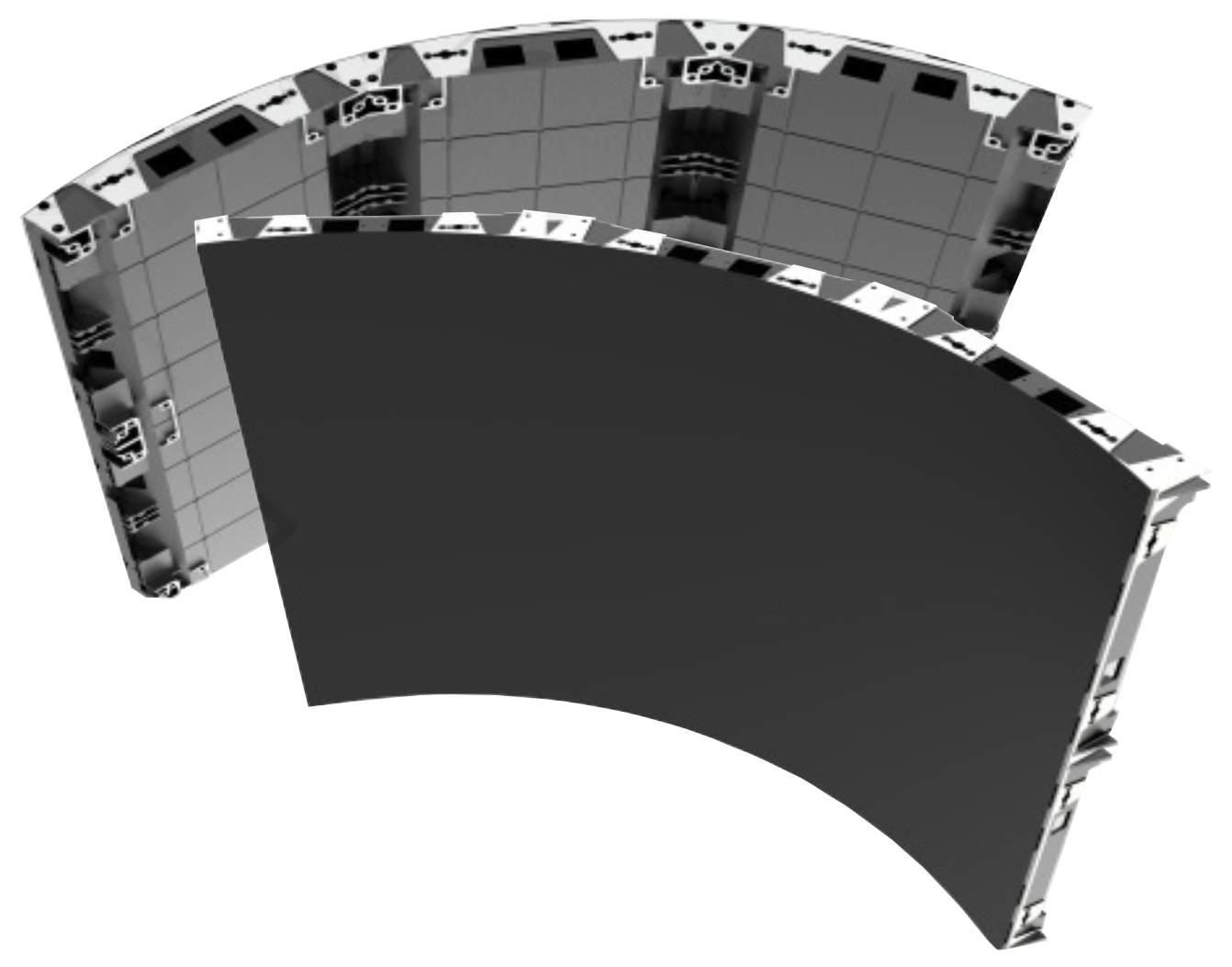
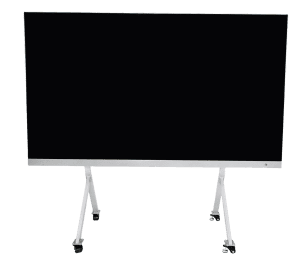
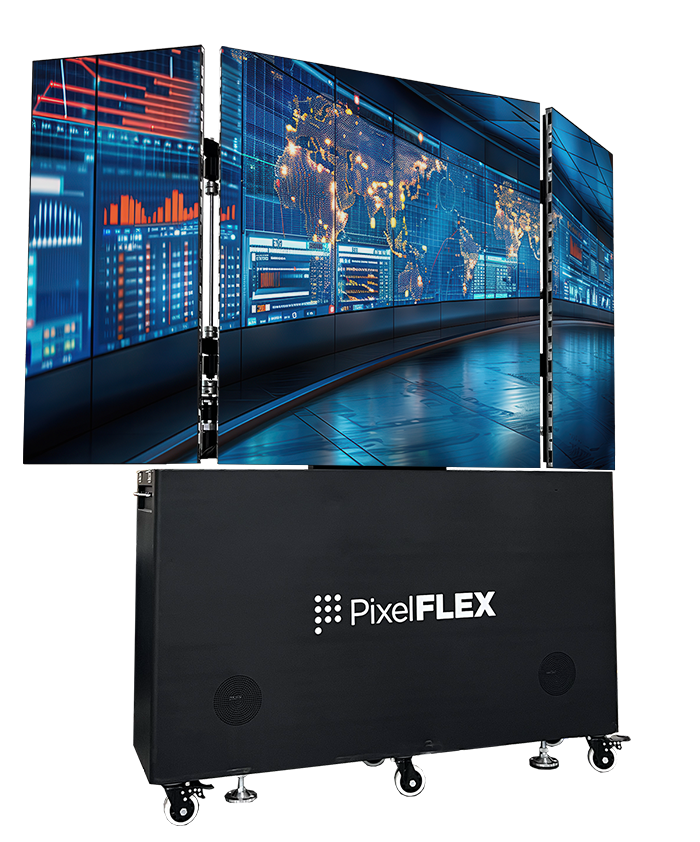
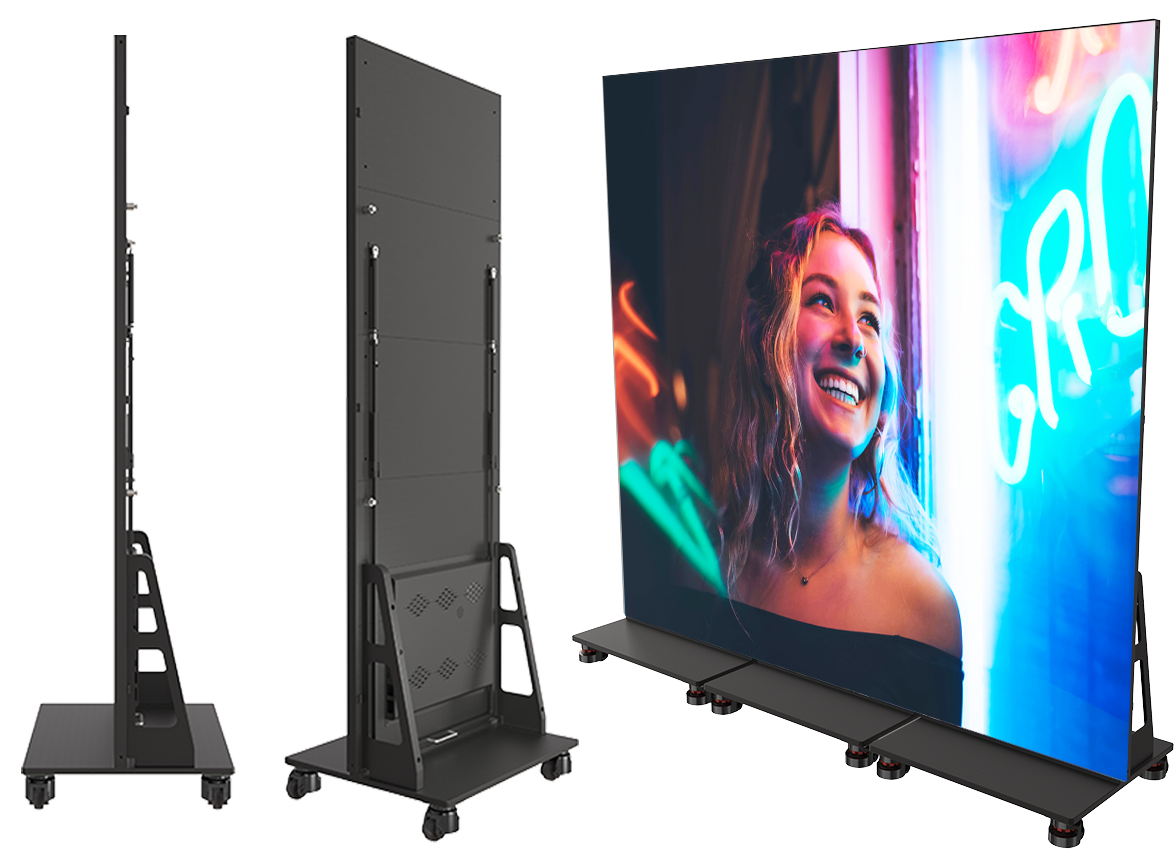
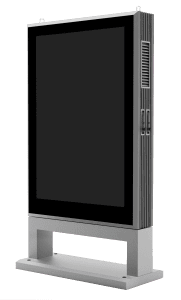
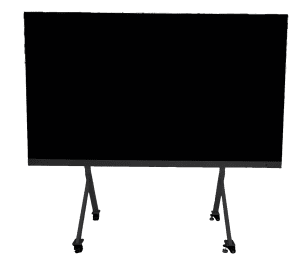
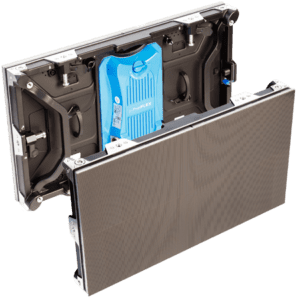
Communicate worship schedules and sermon messages while engaging your congregation with visual technology.
View More
LED displays in transportation settings, such as airports, train stations, and bus terminals, serve as dynamic platforms for real-time information, advertising, and wayfinding, enhancing passenger experience with clear, up-to-date travel details and announcements.
View More
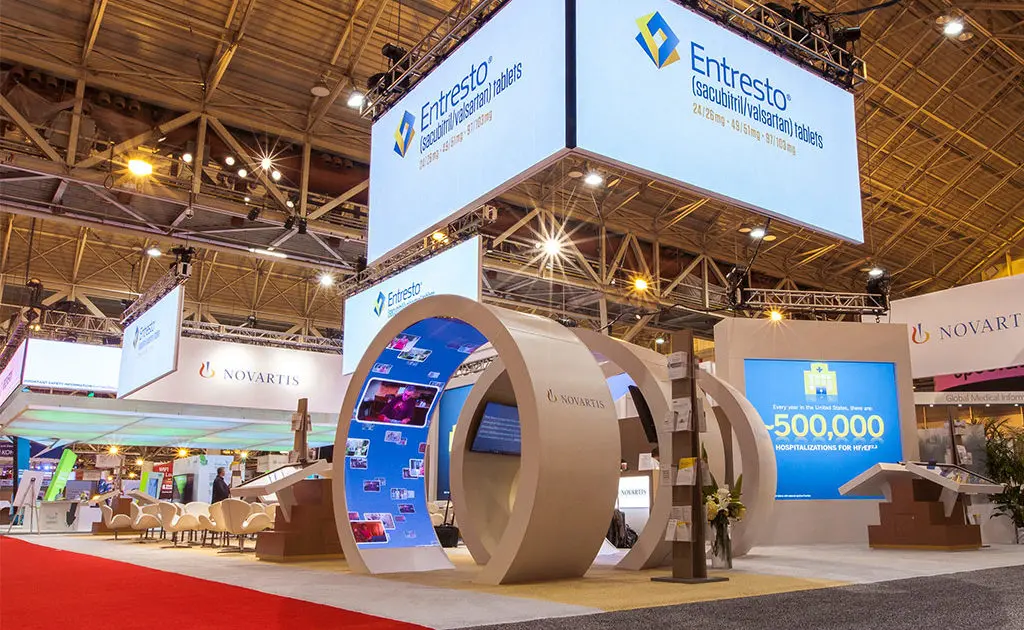
Differentiate yourself from the competition by incorporating a digital experience in your booth with our trade show LED displays.
View More
Communicate your brand’s message, stand out from the competition and engage your target market with LED digital signage.
View More
We offer creative solutions at cost-effective rates. You will be able to deliver your sermons more effectively and engage your congregation through one-of-a-kind lyric video walls and house of worship LED displays.
View More
Enhance ambiance, display interactive directories and wayfinding displays, and promote amenities and events to elevate the guest experience.
View More
Incorporate digital displays to enhance your students’ learning experience and market to prospective students and donors.
View More
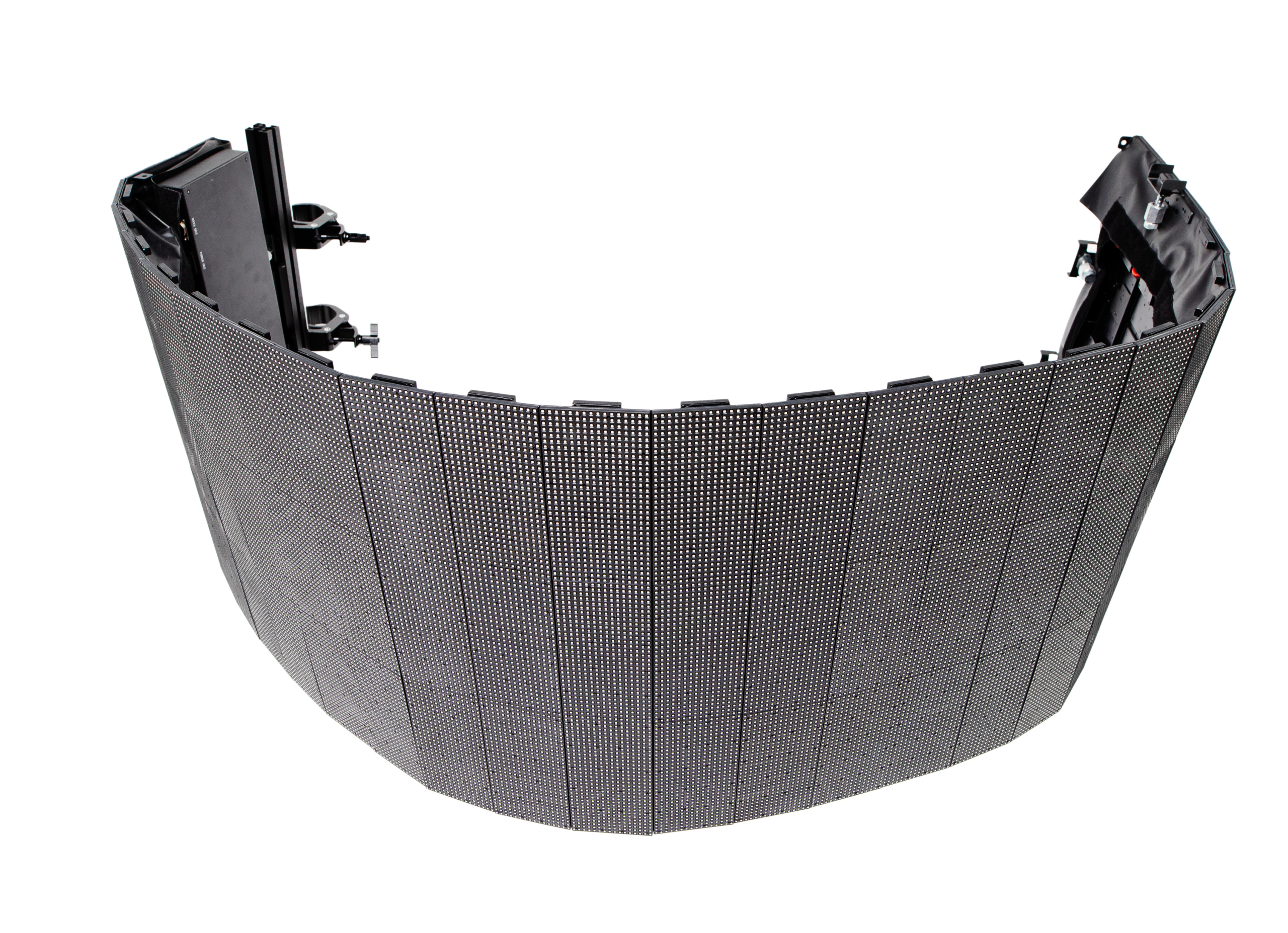
Transform your corporate spaces with PixelFLEX LED video displays. Enhance communication, elevate branding, and create dynamic environments.
View MoreChoosing the right Investment Casting Foundry in 2026 requires more than comparing prices or polished websites. Global buyers need evidence of stable production, controlled processes, and dependable communication. This guide introduces practical criteria for evaluating foundries serving aerospace, medical, energy, automotive, and industrial applications. It focuses on experience that can be checked through project records, sample parts, technical discussions, and customer references.
A capable foundry should explain its wax pattern process, ceramic shell system, melting controls, heat treatment, and inspection methods clearly. Look for material certificates, batch traceability, dimensional reports, and documented corrective actions. A factory visit can reveal details that brochures often hide: clean work areas, calibrated instruments, organized molds, and operators who understand critical tolerances. Useful evidence matters.
Global purchasing also requires careful review of export experience, packaging standards, lead times, engineering support, and communication across time zones. Certifications can strengthen confidence, but they do not replace process verification. Buyers should confirm whether quality systems apply to the actual production site and selected alloy. No foundry is perfect for every application. Some suppliers offer strong engineering support but limited capacity, while others provide scale but slower technical feedback. That trade-off deserves attention. This overview may not answer every sourcing question, and market conditions can change quickly. Still, it aims to provide a balanced, evidence-based starting point for selecting a reliable casting partner in 2026.
Investment casting creates precise metal parts by forming a wax pattern, coating it with ceramic, removing the wax, and pouring molten alloy into the shell. The process suits turbine components, medical instruments, and complex industrial parts with thin walls. Grand View Research estimates that the global investment casting market reached about USD 16.5 billion in 2023, with steady growth expected through 2030. Demand is rising, but process control remains difficult.
Foundry selection matters because equipment alone cannot guarantee repeatable quality. Experienced buyers should inspect wax injection records, shell-building controls, melting logs, and non-destructive testing procedures. Ask for capability data, not attractive sample photographs. A useful audit checks dimensional variation, internal defects, surface roughness, and corrective-action history. Fortune Business Insights forecasts continued market expansion at roughly 5% annually, increasing pressure on suppliers to deliver stable output and shorter lead times.
In practical terms, request a trial batch before approving mass production. Measure parts from different casting cycles. Differences may reveal weak temperature control or inconsistent shell drying. I would also verify material traceability, calibrated instruments, operator training, and realistic capacity. A perfect first sample can still mislead. Foundry evaluation is not glamorous, and some decisions remain imperfect. However, documented evidence is more reliable than promises.
2026 Best Investment Casting Foundry for Global Buyers?
Evaluating an investment casting foundry starts with process evidence, not attractive brochures. Ask for material certificates, dimensional reports, and traceability records from recent production lots. An experienced supplier should explain wax injection, ceramic shell building, melting, heat treatment, and finishing in clear terms. Vague answers deserve attention.
Request sample parts made from your drawings. Inspect thin walls, deep cavities, surface texture, and critical tolerances. Compare the supplier’s inspection plan with your actual application requirements. Useful controls may include coordinate measurement, radiographic testing, dye penetrant testing, and hardness checks. Do not accept certificates automatically. Verify report numbers, equipment calibration dates, and operator qualifications.
Capacity also matters during global purchasing. Review furnace size, monthly output, backup equipment, packaging methods, and export documentation. Ask how the foundry manages engineering changes and delayed materials. Communication should remain practical, especially across time zones. One overlooked detail can affect an entire shipment. No foundry is flawless. A realistic supplier will disclose limitations, suggest corrective actions, and provide measurable deadlines. A clean audit room is not enough; follow-up samples often reveal more than presentations. Pricing requires care, too. The lowest quotation may exclude tooling maintenance, inspection, protective packaging, or logistics risks. Compare the complete landed cost, then record every assumption before approving production.
| Evaluation Dimension | Industry Reference Data | Recommended Purchasing Target | Documents or Evidence to Verify |
|---|---|---|---|
| Quality management system | ISO 9001 is the internationally recognized standard for quality management systems. Automotive and aerospace supply chains commonly require sector-specific systems such as IATF 16949 or AS9100. | A valid ISO 9001 certificate, with IATF 16949 or AS9100 where the application requires it. | Certificate number, accreditation body, scope of certification, expiry date, and recent surveillance-audit status. |
| Investment casting process | Typical process stages include wax pattern production, ceramic shell building, dewaxing, shell firing, alloy melting, casting, cutoff, finishing, heat treatment, inspection, and packing. | A documented process flow with controlled parameters and defined inspection gates for every critical stage. | Process flow chart, work instructions, control plan, process-FMEA summary, and records from a recent production lot. |
| Common casting alloys | Investment casting is used for stainless steels, carbon steels, tool steels, nickel-based alloys, cobalt-based alloys, aluminum alloys, and selected copper-based alloys. | Capability to produce the required alloy to the applicable ASTM, AMS, EN, or equivalent material specification. | Material certificates, heat numbers, approved melt practice, chemical-analysis reports, and mechanical-test results. |
| Typical dimensional capability | Achievable dimensional accuracy depends on part size, geometry, alloy, wax tooling, shell system, and finishing method. Many investment-cast components require secondary machining on functional surfaces. | A drawing-specific capability study rather than a general tolerance promise; critical dimensions should be confirmed by CMM or calibrated gauges. | Capability study, Cpk/Ppk results where applicable, inspection report, gauge list, and sample measurement data. |
| Surface condition | As-cast surface roughness commonly varies with shell material, ceramic stucco, alloy, and post-cast finishing. Machining, polishing, blasting, or vibratory finishing may be required. | A documented surface-finish range linked to the drawing requirement and a defined acceptance standard for pits, fins, inclusions, and shell residue. | Surface-roughness readings, approved visual standard, sample parts, finishing procedure, and nonconformance records. |
| Non-destructive testing | Common methods include visual testing, liquid penetrant testing, magnetic-particle testing, radiographic testing, ultrasonic testing, and computed tomography for selected applications. | NDT methods, personnel qualifications, acceptance criteria, and sampling level specified before quotation and production. | NDT procedures, operator qualifications, equipment calibration records, inspection reports, and applicable ASTM or ISO method references. |
| Internal defect control | Potential investment-casting defects include shrinkage, gas porosity, inclusions, cold shuts, misruns, cracks, ceramic residue, and dimensional distortion. | Defect-prevention controls covering gating, risering, melt cleanliness, shell condition, pouring temperature, and solidification behavior. | Defect Pareto chart, corrective-action records, radiography or CT samples, metallographic analysis, and process-parameter logs. |
| Traceability | Critical components should be traceable from raw material heat or batch through casting, heat treatment, inspection, packing, and shipment. | One traceability code linking the part, material heat, process batch, operator or equipment record, inspection results, and shipping documents. | Mock traceability exercise, traveler or route card, heat-treatment chart, inspection record, and packing-list linkage. |
| Heat treatment | Heat treatment may include solution treatment, aging, annealing, normalizing, quenching, tempering, or stress relieving, depending on the alloy specification. | A qualified cycle with furnace uniformity control, calibrated instrumentation, and batch-level temperature records. | Heat-treatment procedure, furnace calibration, temperature uniformity survey, batch chart, and hardness or tensile-test results. |
| Production lead time | Lead time is influenced by tooling, wax pattern method, shell-building cycles, alloy availability, heat treatment, NDT, machining, and export preparation. | A written schedule separating tooling, first-article approval, production, inspection, and shipment; schedule changes should be reported promptly. | Capacity plan, production schedule, historical on-time-delivery data, bottleneck analysis, and escalation procedure. |
| Tooling and pattern control | Tooling may be produced from aluminum, steel, resin, or additive-manufactured materials. Tool life and dimensional compensation depend on alloy and production volume. | Clear ownership, storage, maintenance, revision control, and replacement responsibility for customer-funded tooling. | Tooling agreement, tool drawing, revision history, preventive-maintenance record, and dimensional inspection of the pattern. |
| First-article approval | First-article inspection is commonly used to confirm material, dimensions, surface condition, NDT, heat treatment, and functional requirements before serial production. | A complete first-article package approved before release of recurring production quantities. | Ballooned drawing, dimensional report, material certificate, process certificates, NDT report, and deviation approvals. |
| Quality performance | Useful supplier metrics include first-pass yield, scrap rate, rework rate, customer complaint rate, corrective-action closure time, and on-time delivery. | At least 12 months of trend data with agreed definitions, transparent exclusions, and corrective actions for unfavorable trends. | Monthly KPI dashboard, customer-return summary, 8D or root-cause reports, and evidence that actions were verified for effectiveness. |
| Machining integration | Castings often require machining of datum faces, bores, threads, sealing surfaces, and other functional features. | Either qualified in-house machining or a controlled machining partner with integrated inspection and full part traceability. | Machining capability list, fixture plan, CNC inspection records, tool-life controls, and subcontractor qualification records. |
| Packaging and export readiness | International shipments may require moisture protection, corrosion prevention, part separation, shock protection, export marking, commercial invoices, packing lists, and certificates of origin. | Packaging validated for the part geometry, surface protection, transport route, stacking conditions, and destination requirements. | Packaging specification, drop or transport evaluation where appropriate, sample photographs, export-document checklist, and labeling standard. |
| Commercial transparency | Investment-casting quotations commonly separate tooling, wax patterns, casting, heat treatment, NDT, machining, inspection, packaging, and freight-related charges. | A line-item quotation with validity period, currency, Incoterms® rule, payment terms, minimum order quantity, and assumptions. | Formal quotation, cost-breakdown assumptions, Incoterms® 2020 term, tooling ownership clause, and change-control procedure. |
| Supplier audit readiness | Remote document review can screen suppliers, but an on-site or independent audit is more effective for verifying equipment, records, production controls, and actual capacity. | Pre-award audit access, corrective-action response within an agreed period, and permission to verify production records against shipped parts. | Audit checklist, completed corrective-action plan, photographic evidence, production-floor records, and follow-up audit results. |
2026 Best Investment Casting Foundry for Global Buyers?
Which Technical, Quality, and Certification Standards Should Buyers Check?
A capable investment casting foundry should explain its process, not only display certificates. Ask about wax injection, ceramic shell building, alloy melting, heat treatment, and final inspection. The process should match your drawing, alloy, tolerance, and production volume. Request material certificates, heat-treatment charts, dimensional reports, and non-destructive testing records for actual parts.
Check whether the quality system follows ISO 9001. Aerospace projects may require AS9100, while automotive programs often need IATF 16949. These certificates must show the correct site, scope, and valid dates. Calibration records should come from a competent laboratory, preferably aligned with ISO/IEC 17025. Standards such as ASTM, EN, or customer specifications should appear clearly in purchase and inspection documents.
Look beyond paperwork. Review first-article inspection methods, CMM capability, surface roughness control, radiographic testing, and chemical analysis. Ask how the foundry controls shell cracking, shrinkage, porosity, and machining allowance. Production samples can reveal more than a polished presentation. No supplier is flawless. A recurring nonconformance is not automatically disqualifying if the corrective action is specific and verified. I would question vague promises, missing traceability, and reports without instrument numbers. Check batch identification from raw metal to packed components. Small gaps often become expensive disputes.
Technical, quality, and certification standards buyers should check
Supplier choice is rarely decided by casting price alone. A low quotation can hide tooling charges, inspection costs, rework, or export packing. Request a line-item offer covering alloy, wax tooling, shelling, heat treatment, machining, testing, and freight. Compare the total delivered cost, not only the kilogram price.
Lead time should begin after drawing approval, not after the purchase order. A typical investment casting route includes wax pattern production, ceramic shell building, dewaxing, pouring, heat treatment, and inspection. Each stage needs a realistic control point. The World Bank’s 2023 Logistics Performance Index evaluates customs, infrastructure, tracking, and timeliness. These factors directly affect delivery reliability. Ask for recent on-time delivery data. Do not accept vague promises.
Logistics also deserves technical review. UNCTAD’s Review of Maritime Transport 2024 states that maritime shipping carries over 80% of world merchandise trade by volume. Port congestion, container availability, and customs documentation can therefore change the real schedule. Communication matters just as much. Require drawing-review records, material certificates, dimensional reports, and rapid deviation notices. A supplier that answers quickly may still miss a tolerance. I have seen both problems. Test communication with a small pilot order, clear inspection criteria, and one named technical contact before committing to regular production.
Global buyers should compare evidence, not impressive promises. Grand View Research estimates the global investment casting market will continue growing through 2030, increasing pressure on capacity and quality systems. Request twelve-month data for first-pass yield, delivery performance, scrap rate, and customer complaints. A clean factory tour helps. Audited records matter more.
Review the foundry’s process control in detail. Can it provide wax-tooling records, furnace charts, chemical analysis, and full heat-lot traceability? Confirm testing against applicable ASTM specifications and ISO 9001 procedures. Ask for sample inspection reports, dimensional results, and CT or radiographic evidence when internal defects matter. Small details reveal experience. Vague answers are warning signs.
Supply resilience also deserves careful comparison. McKinsey’s 2023 global supply-chain survey found that 73% of respondents had advanced dual-sourcing efforts. Ask whether the foundry has qualified backup suppliers for alloys, ceramics, machining, and transportation. Check production capacity during peak months, not only during a quiet visit. Compare tooling ownership, engineering response times, packaging, export documents, and corrective-action speed. I would not trust a polished presentation alone. A low quotation may hide weak inspection or unstable lead times. No foundry is perfect, and buyers should document acceptable risks before approval.