2026 Best Led Therapy Devices for Effective Skin Treatment?
The demand for effective skin treatments has surged in recent years, driving interest in innovative solutions like Led Therapy. According to a report by Market Research Future, the global LED therapy device market is expected to reach USD 2.5 billion by 2026, highlighting the growing recognition of its benefits. LED therapy uses specific wavelengths of light to promote skin health. It can reduce inflammation, enhance collagen production, and improve overall skin texture.
However, not all devices are created equal. Variability in quality and effectiveness can range widely among products. Some studies suggest that while LED therapy can yield positive results, the outcomes may vary based on individual skin types and conditions. Many users report noticeable improvements, yet others question the longevity of these results. These nuances challenge potential users to critically evaluate their options.
As the market evolves, staying informed about the latest advancements becomes crucial. Experts recommend seeking devices backed by clinical studies and favorable user reviews. Balancing experience with scientific insights can lead to more informed decisions in the quest for healthier skin. LED therapy, when selected wisely, may indeed provide a key to unlocking radiant skin.
Overview of LED Therapy and Its Benefits for Skin Treatment
LED therapy has gained momentum in dermatology for its non-invasive approach to skincare. Research indicates that specific wavelengths of light can effectively stimulate collagen production. This can lead to improved skin texture and reduced signs of aging. A study published in the "Journal of Cosmetic Dermatology" identified a 40% improvement in skin elasticity after consistent treatments over four weeks. Such findings highlight the growing relevance of LED devices in skin care routines.
Moreover, LED therapy addresses various skin concerns, including acne and pigmentation. According to the American Academy of Dermatology, blue light can kill acne-causing bacteria, while red light promotes healing. Users have reported noticeable decreases in acne lesions and scarring after regular sessions. However, results can vary greatly among individuals. Some may experience initial breakouts or sensitivity, suggesting that not all skin types respond the same way to LED treatments.
As these devices become more accessible, it is essential to understand their limitations. Not all devices provide the same results for every skin type, and overuse may cause irritation. Consulting with a skin care professional before beginning treatment is advisable. This ensures personalized care and maximizes effectiveness. Always prioritize safety and effectiveness in your quest for healthier skin.
Types of LED Therapy Devices Available in 2026
LED therapy devices are becoming increasingly popular for skin treatment. As we move into 2026, various types are available, each catering to different skin concerns. These devices use specific wavelengths of light to stimulate skin cells. Red light is commonly used for anti-aging benefits, while blue light targets acne. Green and yellow lights address pigmentation and redness, respectively.
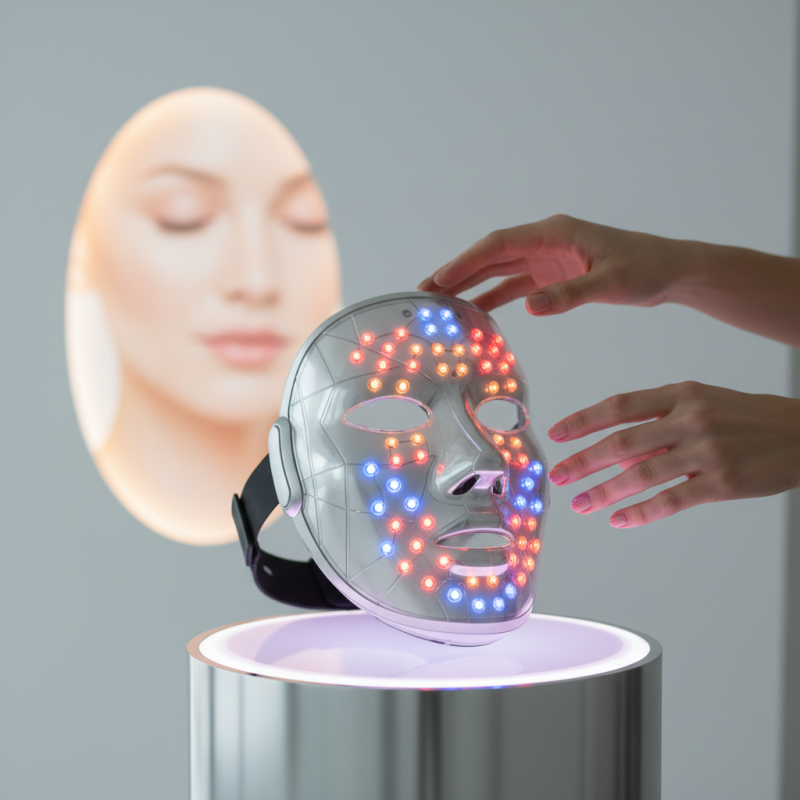
Portable handheld devices and full-face masks are among the most common types of LED therapy devices on the market. Handheld options are often preferred for their convenience, allowing users to treat specific areas easily. Masks, however, offer a more comprehensive approach, covering the entire face for a more uniform treatment. Professionals and users alike are continuously exploring how these devices can fit into daily routines, a combination of home care and clinical treatments can enhance results.
While many users report positive outcomes, it is essential to recognize the variability in effectiveness. Not all skin types respond the same way to LED therapy. It is advisable to perform patch tests and consult with skincare professionals before use. Regularly tracking skin changes during treatment can help understand the device's effectiveness over time.
Key Features to Look for in LED Therapy Devices
When considering LED therapy devices for skin treatment, key features play a vital role. Look for devices that offer multiple wavelengths. Different wavelengths target various skin concerns. For instance, red light is known for promoting collagen production. In contrast, blue light can help reduce acne. Devices that provide versatility can address multiple skin issues effectively.
Another important feature is ease of use. Check if the device has an intuitive interface. A complicated setup can deter consistent use. Simple controls encourage regular treatments, which are essential for visible results. For optimal effectiveness, choose devices with adjustable intensity settings. This allows customization based on personal skin sensitivity.
Tips: Regularly clean the device to maintain hygiene. Set a treatment schedule to enhance effectiveness. Don’t hesitate to consult a dermatologist if unsure about usage. Reflect on your skin’s response to light therapy over time. Adjust the frequency as needed. Look for signs of improvement or irritation. This proactive approach can maximize the benefits of LED therapy and ensure a positive experience.
Top Recommended LED Therapy Devices for Various Skin Issues
LED therapy devices have gained popularity for their ability to address various skin issues. These devices utilize specific wavelengths of light to stimulate skin rejuvenation. They can treat acne, reduce wrinkles, and improve overall skin texture. A common practice involves using red light for anti-aging benefits.
For acne treatment, blue light therapy shows promising results. It targets the bacteria responsible for acne flare-ups. Many users report clearer skin after consistent use. However, some may experience mild irritation. This is an important consideration for anyone starting treatment. Ensuring the device has adjustable settings can help manage discomfort.
Selene users often look for versatility in their LED devices. Some units offer multiple color options for personalized skincare routines. It’s critical to follow the manufacturer's guidelines for optimal use. Regular sessions are usually necessary for the best results. Beginners may find it helpful to keep a journal to track progress. This can highlight what works and what doesn’t. Learning from this experience helps refine the skincare journey.
Comparative Analysis of Effectiveness and User Reviews
When exploring LED therapy devices, effective results and user experiences are crucial. Many users report varied success in skin treatments. Some devices focus on acne, while others target aging or pigmentation. The effectiveness often hinges on the wavelength used. Red light is commonly praised for its anti-aging benefits. Meanwhile, blue light primarily addresses acne issues. Yet, not every user sees the same results. Individual skin types and conditions matter greatly.
User reviews can be enlightening but often vary significantly. Many reflect on their personal journeys with skin issues. Some find renewed confidence after consistent use, while others express disappointment in slow or minimal progress. It's clear that results aren’t uniform. Take note of those who mention skin sensitivity or irritation post-treatment. These experiences prompt important considerations for potential users. Evaluating feedback based on personal needs and skin conditions is wise.
Consistency in usage is a common theme in user feedback. Many users highlight the importance of patience and dedication. Results may not appear overnight. Often, a commitment over weeks or months leads to more noticeable improvements. Balancing realistic expectations with the enthusiasm for results is key. Skincare is a personal journey filled with trial and error. Proper research and honest reviews play a significant role in finding the right device.
2026 Best LED Therapy Devices - Effectiveness Comparison


 House of Worship
 Transportation
 Trade shows led display
 retail
 Creative Led Solutions
 Hospitality
 Higher Education
 Corporate LED