2026 Top Outdoor Display Trends What to Expect?
As we approach 2026, outdoor display trends are evolving rapidly. Businesses are increasingly relying on outdoor displays to attract customers. These displays are no longer just static billboards; they integrate advanced technology and innovative designs.
In 2026, we can expect outdoor displays to be more interactive and engaging. Picture vibrant digital screens in parks and on busy streets. Imagine a world where people can touch or scan displays for more information. Such features create a connection between brands and consumers. However, not every idea will succeed. Some displays may overwhelm passersby rather than draw them in.
Sustainability will play a crucial role in shaping outdoor displays. Eco-friendly materials and energy-efficient technologies are essential. Yet, the challenge will be finding a balance between aesthetics and functionality. Overall, the future of outdoor displays promises exciting opportunities and potential pitfalls. Adaptation will be key in navigating this dynamic landscape.
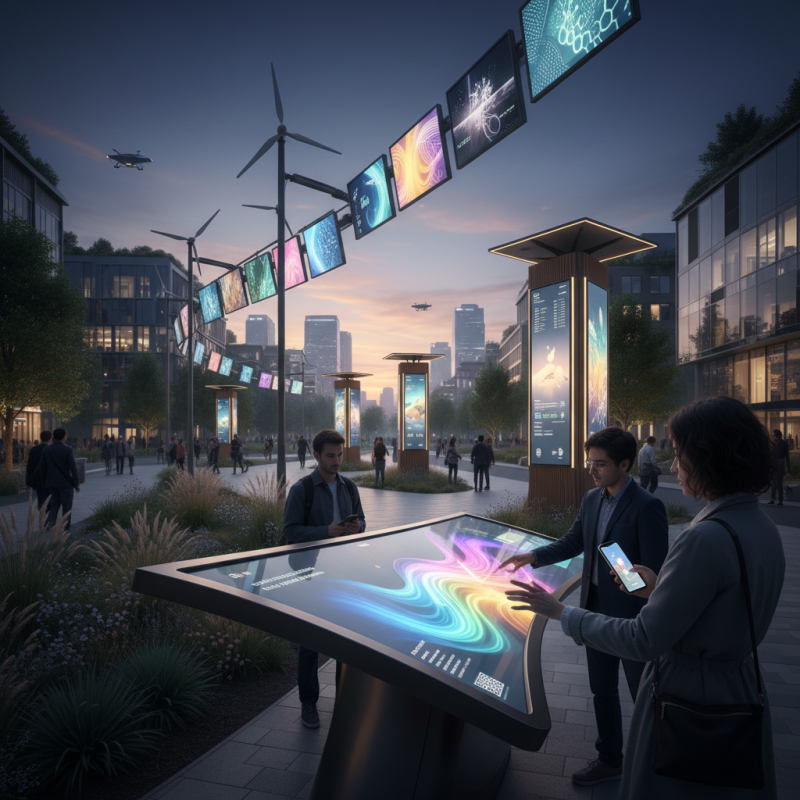
Emerging Technologies Shaping Outdoor Displays in 2026
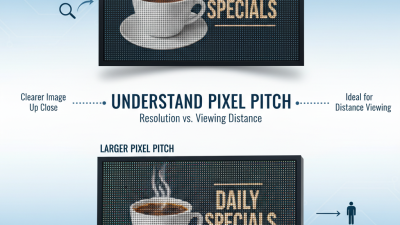
As we approach 2026, outdoor display technologies are set to shift dramatically. Innovations in LED technology will dominate. These advanced displays will offer better brightness and contrast. They will be energy-efficient, reducing operational costs significantly. Promising pixel density will enhance clarity from various distances.
Augmented reality will also play a crucial role. Outdoor displays equipped with AR will interact with viewers in real time. Imagine dynamic ads that change based on user reactions. This brings a new layer of engagement, but it adds complexity. Designers must consider user experience carefully. Do audiences feel overwhelmed?
Furthermore, sustainability will be vital. Eco-friendly materials and energy sources are a must. Yet, not all companies prioritize environmental impact. Consumers will increasingly demand accountability. Brands need to step up. Can they meet these emerging expectations? The future of outdoor displays is bright, but daunting challenges remain.
2026 Top Outdoor Display Trends What to Expect?
| Trend |
Description |
Expected Impact |
Emerging Technology |
| Interactive Touch Screens |
Displays that allow user interaction through touch. |
Increased engagement and user experience. |
Capacitive Touch Technology |
| Augmented Reality (AR) Displays |
Integration of AR for enhanced visuals. |
Revolutionizes advertising by blending digital content with the physical world. |
AR Software Enhancements |
| Solar-Powered Displays |
Sustainable displays that utilize solar energy. |
Reduction in energy costs and environmental footprint. |
Solar Panel Technology |
| Dynamic Content Management |
Real-time updates to display content based on data. |
Increased relevance of content shown to the audience. |
Cloud-Based Solutions |
| OLED Displays |
Finer display quality with vibrant colors. |
Enhanced visual appeal in outdoor settings. |
Organic Light Emitting Diodes |
Sustainable Materials and Eco-Friendly Solutions in Displays
In recent years, the demand for sustainable materials in outdoor displays has increased significantly. Eco-friendly solutions are no longer optional; they have become essential. Displays made from recycled materials reduce waste and promote environmental consciousness. This trend pushes companies to innovate and embrace greener alternatives.
Using biodegradable materials for signage is gaining popularity. They decompose naturally, minimizing environmental impact. Designers are exploring plant-based inks too. These inks are safer and more sustainable than traditional options. However, some materials might not be as durable. This raises questions about the balance between sustainability and longevity in displays.
There is also a growing interest in solar-powered displays. These installations harness renewable energy, reducing reliance on fossil fuels. Yet, solar technology can be relatively expensive and challenging to incorporate. Many organizations are still learning how to effectively blend aesthetics and eco-friendliness. The path forward is filled with possibilities but requires careful thought and adaptation.
2026 Top Outdoor Display Trends: Sustainable Materials and Eco-Friendly Solutions
Enhanced Interactivity and User Engagement in Outdoor Advertising
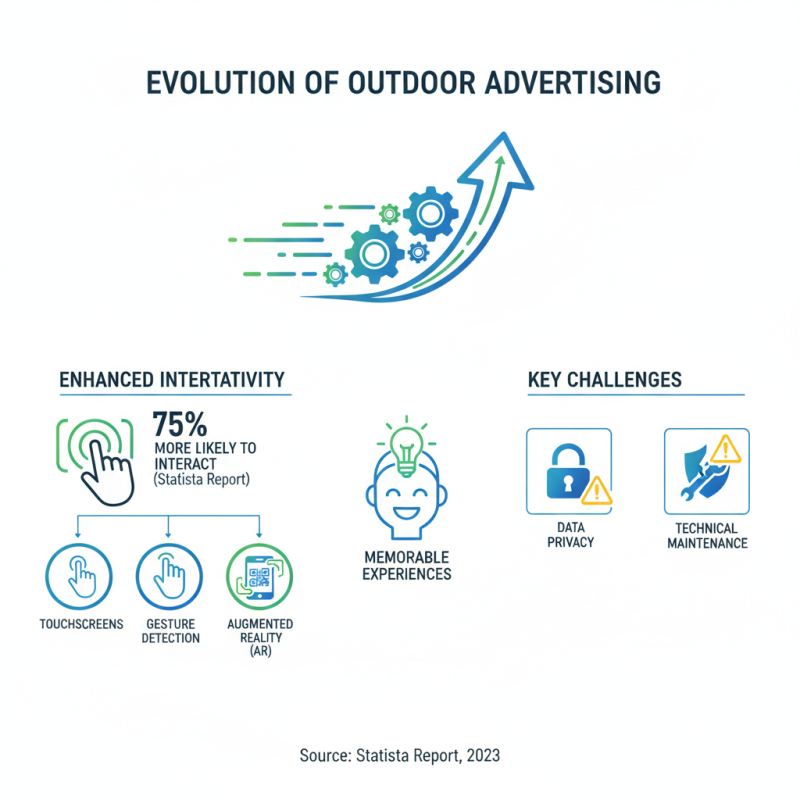
Outdoor advertising is evolving rapidly. Enhanced interactivity is key in engaging audiences. According to a recent report by Statista, 75% of consumers are more likely to interact with digital displays that offer a tactile experience. Touchscreens, gesture detection, and augmented reality (AR) elements attract attention. These features create memorable experiences, but they come with challenges.
Implementing interactivity requires investment in technology. Not all venues can afford this transition. Additionally, user engagement can be unpredictable. A study from Deloitte found that while 70% of users enjoy interactive ads, only 40% recall the brand after the interaction. This unbalance raises questions about effectiveness.
Technology should enhance, not overwhelm. A balance between engagement and simplicity is essential. While consumers want more interaction, they also seek clear and concise messaging. An overly complex display might confuse users instead of attracting them. The challenge lies in creating an experience that feels intuitive and enjoyable.
The Role of AI and Data Analytics in Outdoor Display Strategies
The integration of AI and data analytics is reshaping outdoor display strategies. Digital billboards now utilize advanced algorithms to optimize content delivery. These systems analyze real-time data to determine the best times and locations for specific ads. Advertisers can reach target audiences more effectively than ever.
Using AI, companies can predict what types of messages resonate with different demographics. They gather insights from social media, website interactions, and shopping patterns. This reflects a shift toward data-driven decisions. However, organizations must be cautious. Over-reliance on data can lead to generic messaging. It's essential to maintain creativity alongside analytics.
Heuristics of AI should not replace human intuition. Sometimes, the data may suggest an ineffective direction. Balancing creative thinking with hard data is crucial. By doing so, brands can avoid the pitfall of sameness. Emphasizing unique values can lead to a more compelling outdoor display strategy.
Future Aesthetics: Design Trends for Captivating Outdoor Displays
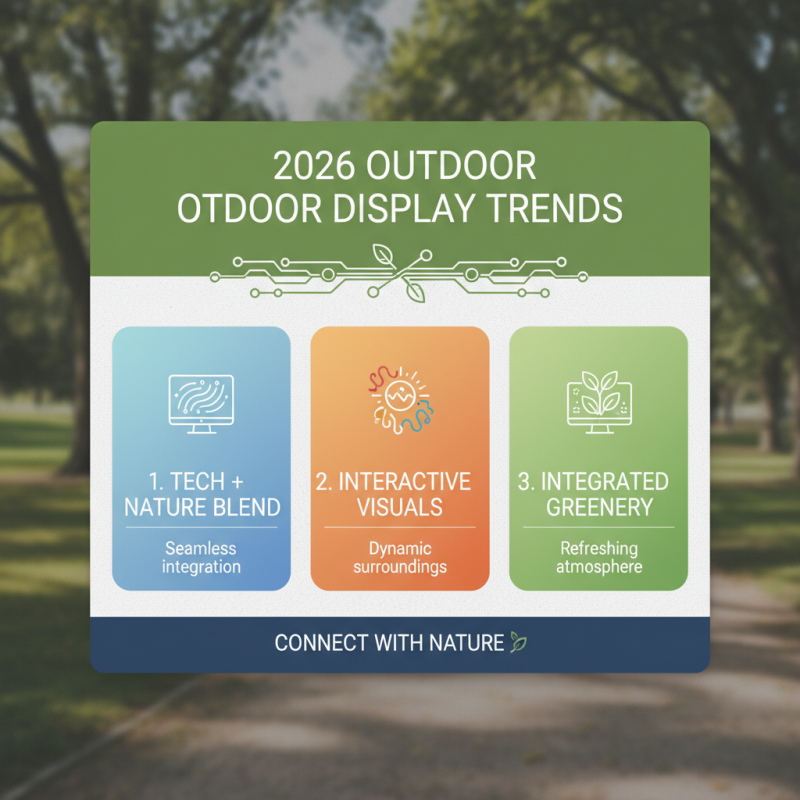
As we look ahead to 2026, outdoor display trends are evolving rapidly. Future aesthetics focus on blending technology with nature. Expect vibrant visuals that interact with their surroundings. Displays will include greenery, integrating plants into design. This creates a refreshing atmosphere, drawing people in. People want connection with nature.
Textured surfaces and bold colors will also capture attention. Think of rugged materials combined with sleek screens. It’s not just about looks; it’s about experiences. Some designs may feel overwhelming or cluttered. It’s a challenge to balance simplicity and vibrancy. Clarity can get lost in extravagance.
Lighting will transform outdoor displays at night. Healthier, sustainable lighting options will prevail. Incorporating dynamic elements keeps viewers engaged. Yet, too much variation can confuse the message, prompting reflection on every choice. Design must cater to emotions and thoughts. Maintaining authenticity amidst innovation is key for captivating outdoor experiences.


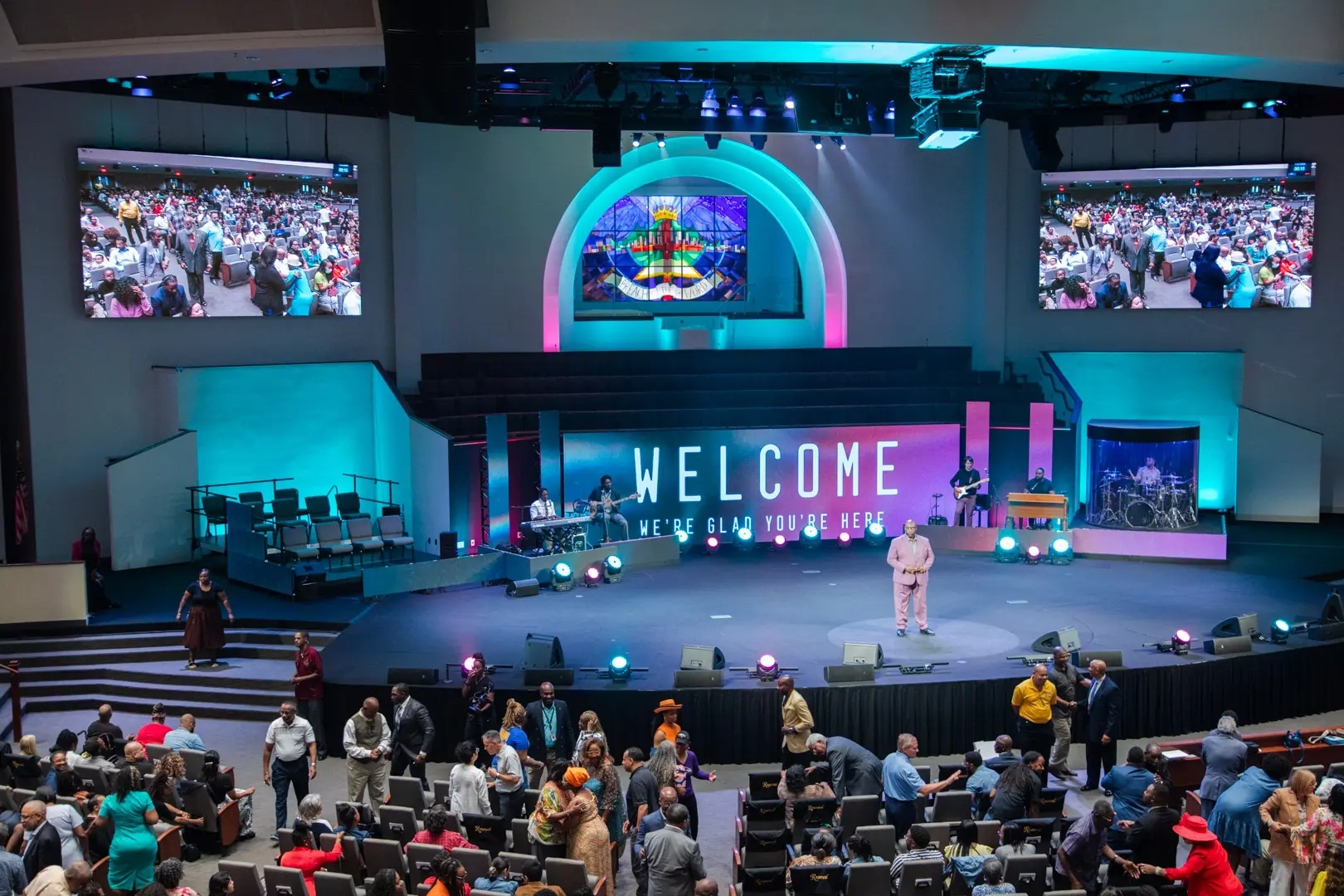
 House of Worship
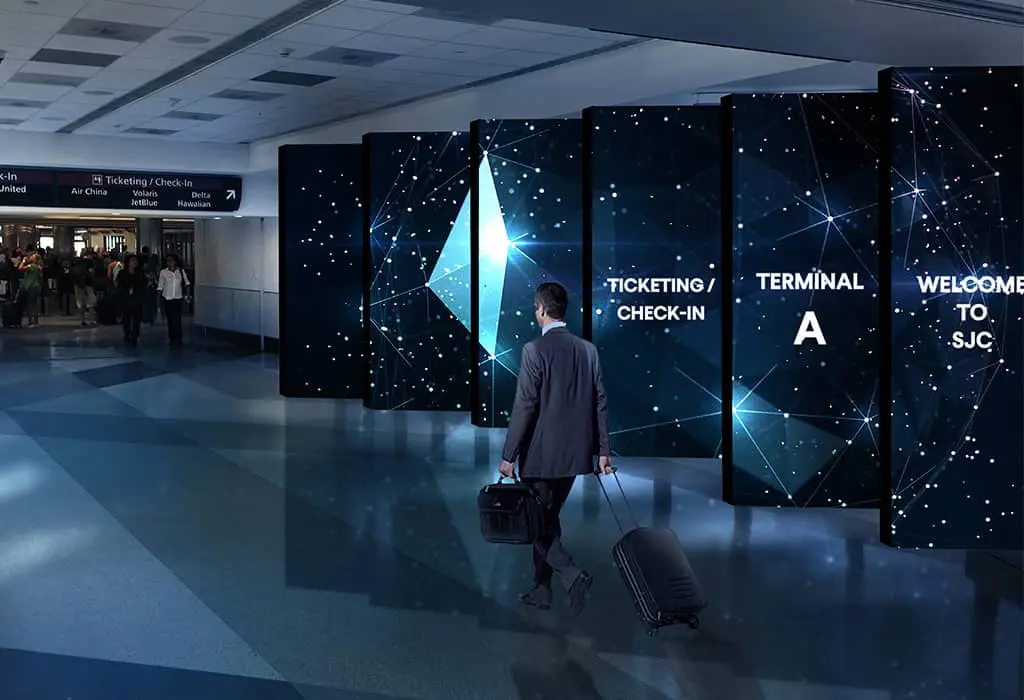
 Transportation
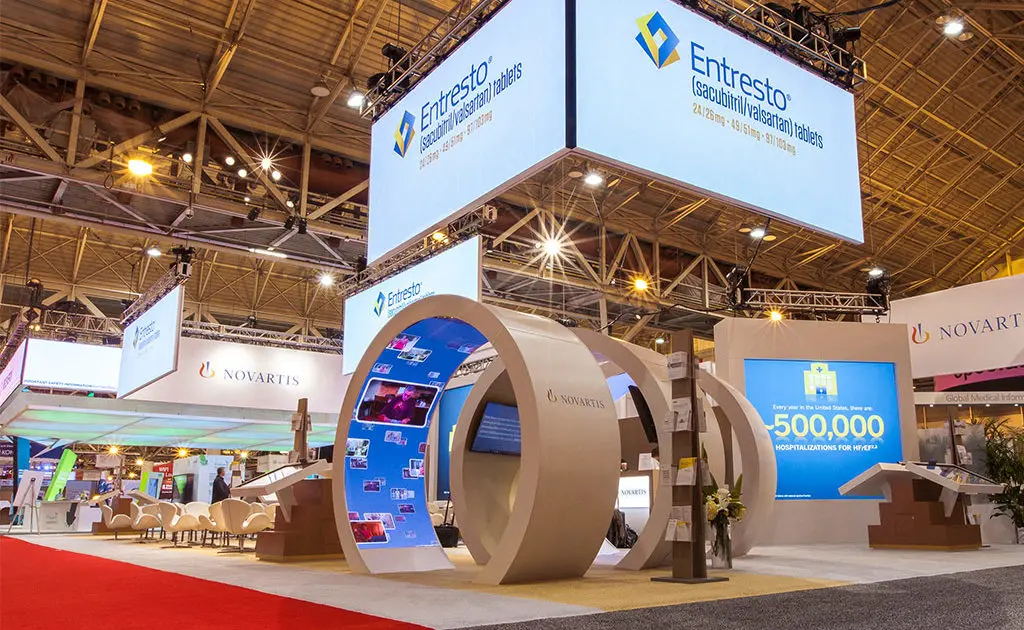
 Trade shows led display
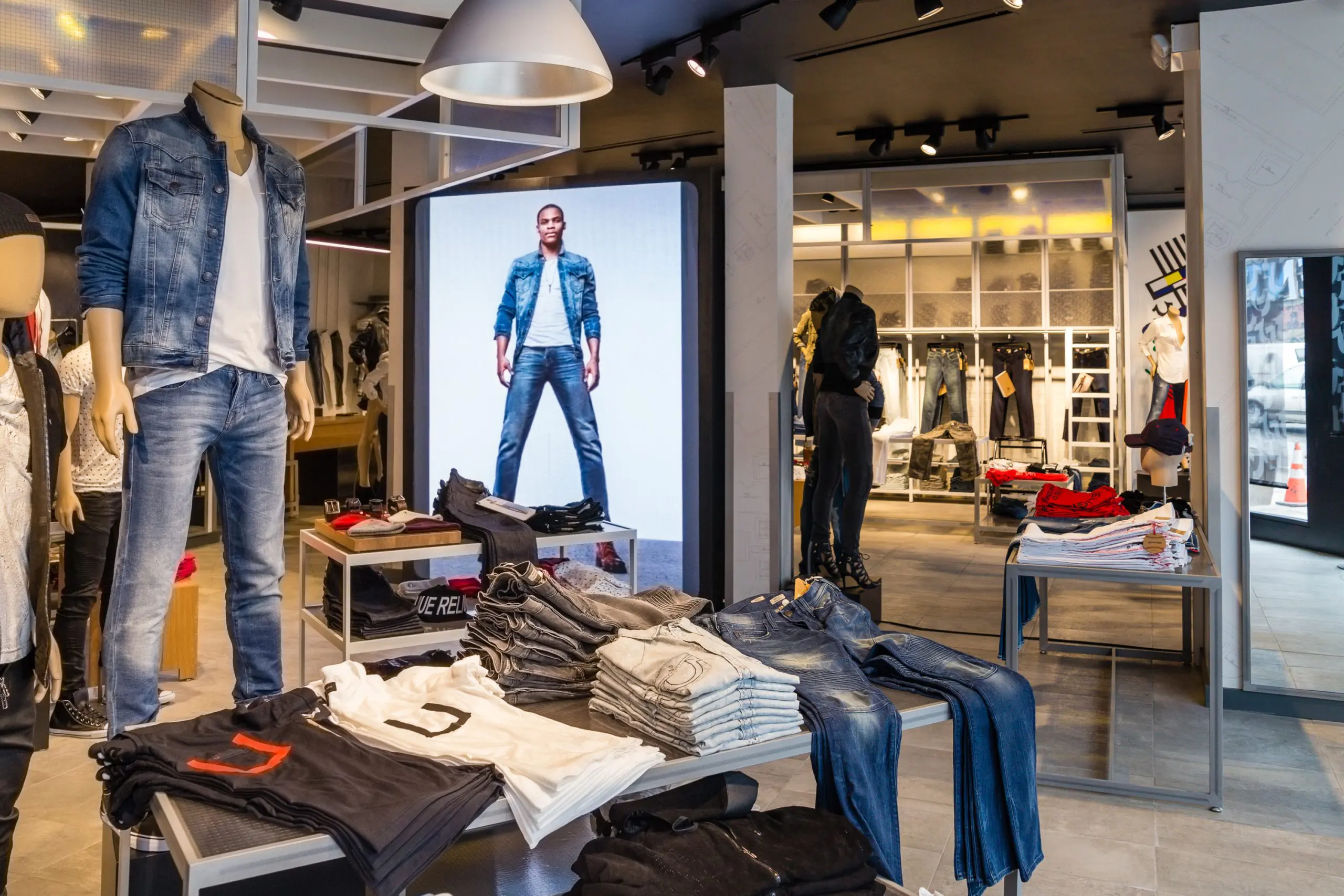
 retail
 Creative Led Solutions
 Hospitality
 Higher Education
 Corporate LED