2026 Top LED Display Trends and Innovations to Watch Out For
The LED display industry is rapidly evolving. As we approach 2026, several key trends and innovations are reshaping this landscape. According to a recent report by the International Display Consortium, the global LED display market is projected to reach $24 billion by 2026, driven by advancements in technology and increasing demand across various sectors. This growth highlights the importance of staying updated on industry developments.
Expert insights are invaluable in navigating these changes. John Smith, a leading figure in LED technology, once stated, "The future of LED displays lies in their adaptability and integration into daily life." Innovations like flexible displays and increased energy efficiency are emerging as focal points. These trends aim not only to improve visual experiences but also to address environmental concerns.
Yet, challenges persist. Manufacturers must consider production costs and sustainability. As we look ahead, understanding how these trends will impact user experiences is vital. The LED display industry is at a crossroads, with opportunities and hurdles alike. Embracing change will define its trajectory in the next few years.

Emerging Technologies Driving LED Display Innovations in 2026
Emerging technologies are transforming LED displays in 2026.
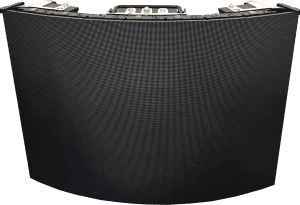
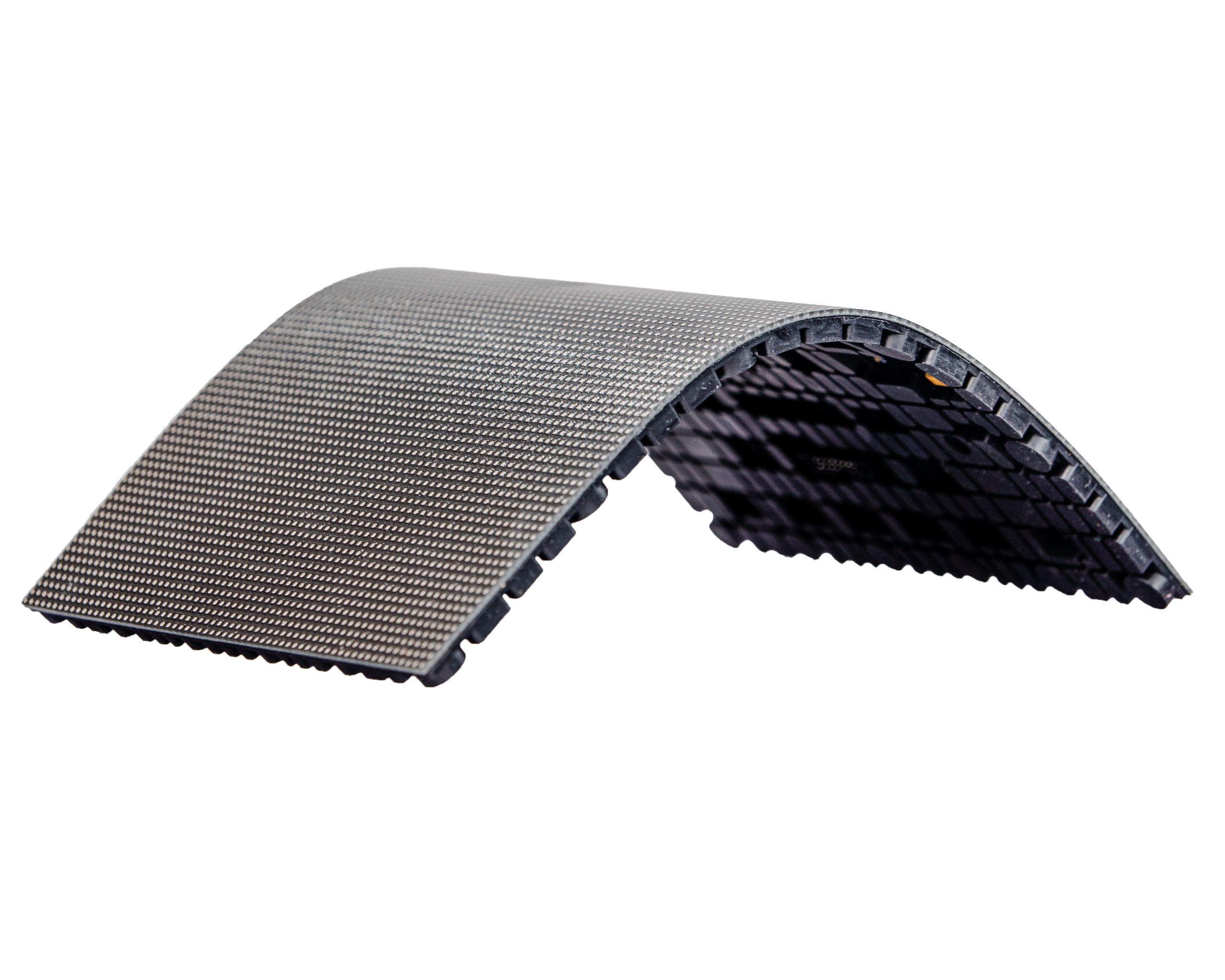
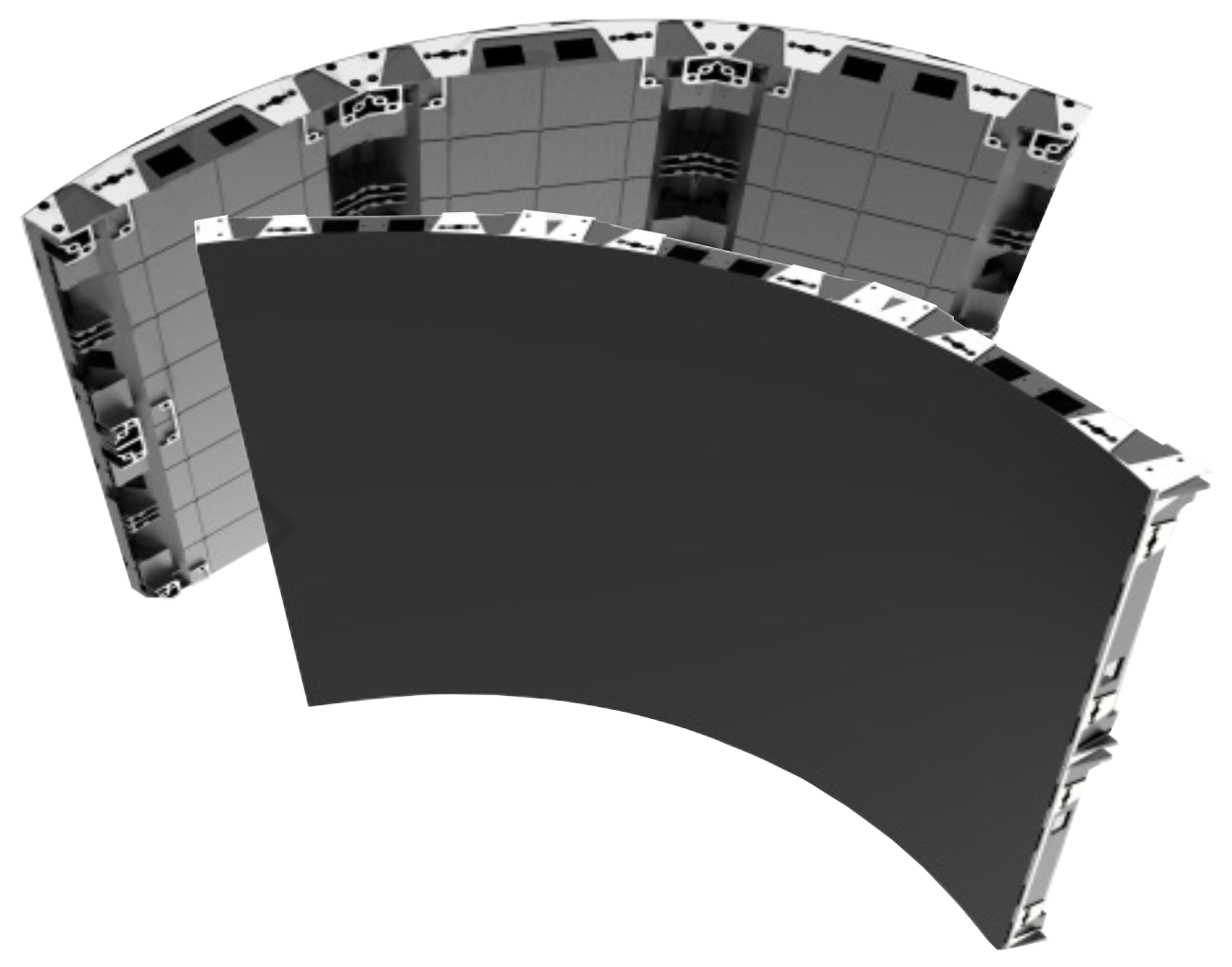
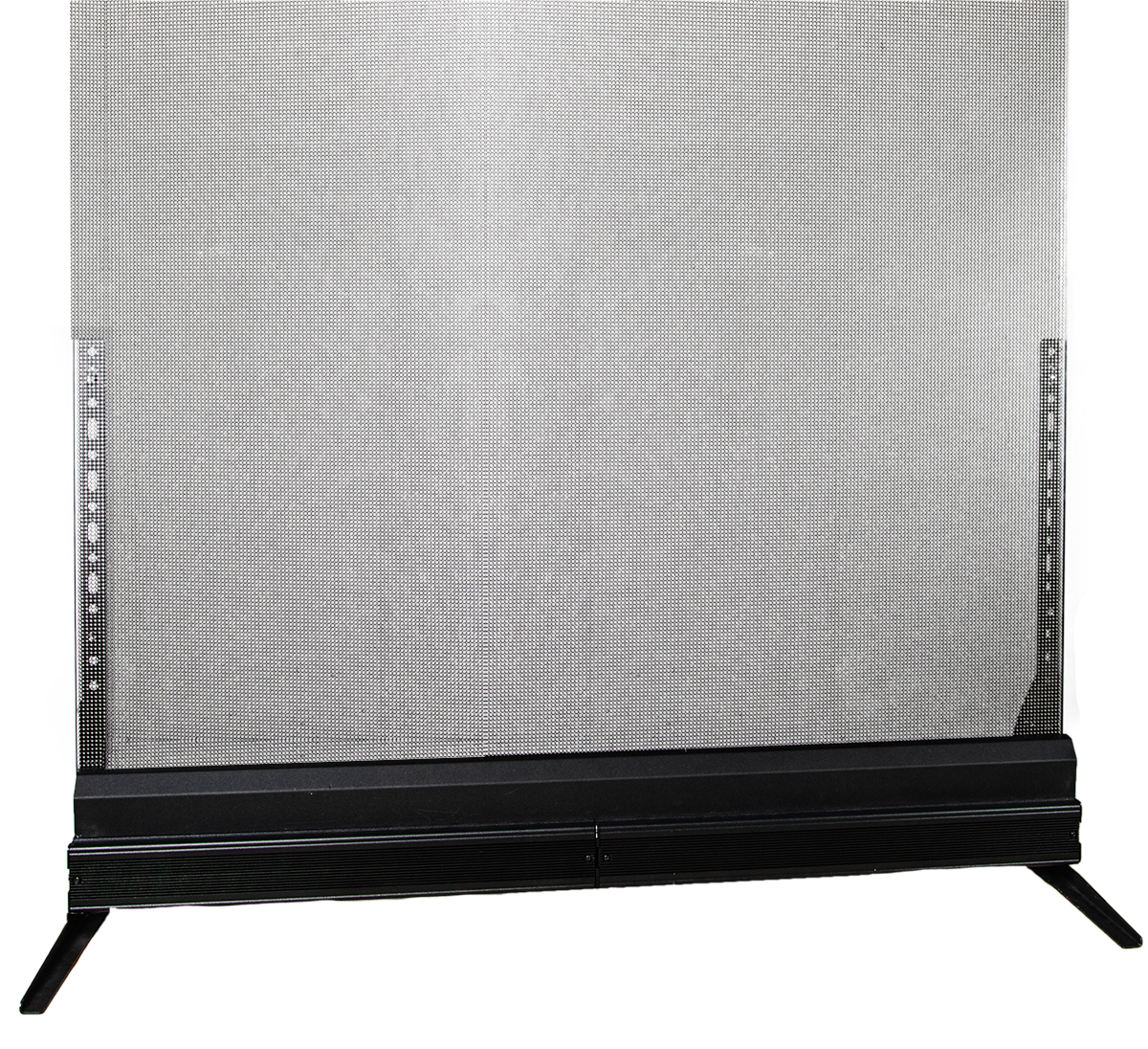
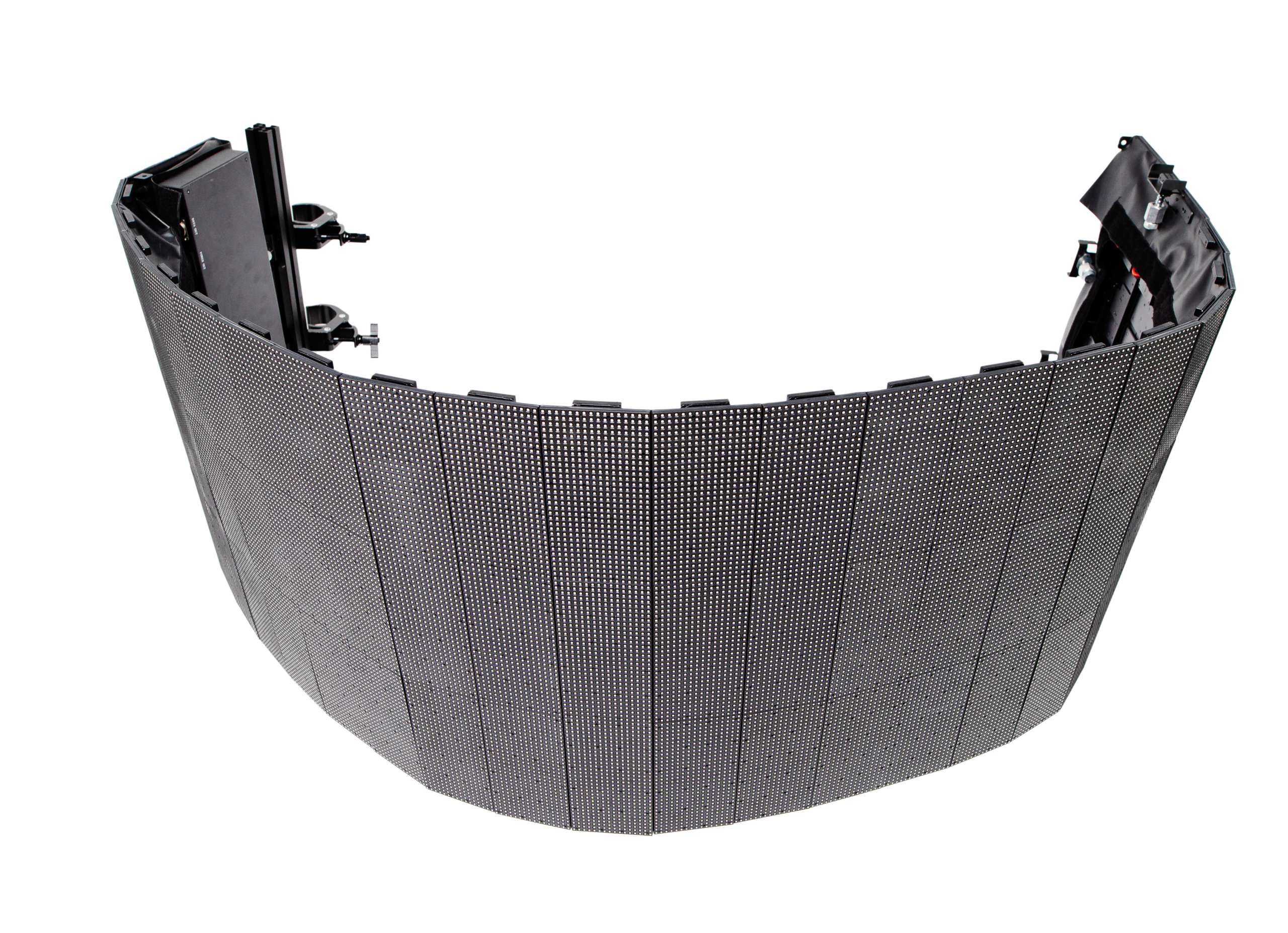
Flexible and transparent LED screens will revolutionize traditional designs.
Imagine a storefront with a see-through display, blending digital ads with the real world. This opens new marketing avenues while maintaining the aesthetic appeal of architecture.
High dynamic range (HDR) is another game changer. It enhances color accuracy and contrast, delivering stunning visuals.
Users can enjoy deeper blacks and brighter whites, making content more engaging. However, HDR demands high-quality content creation, presenting challenges for creators to adapt.
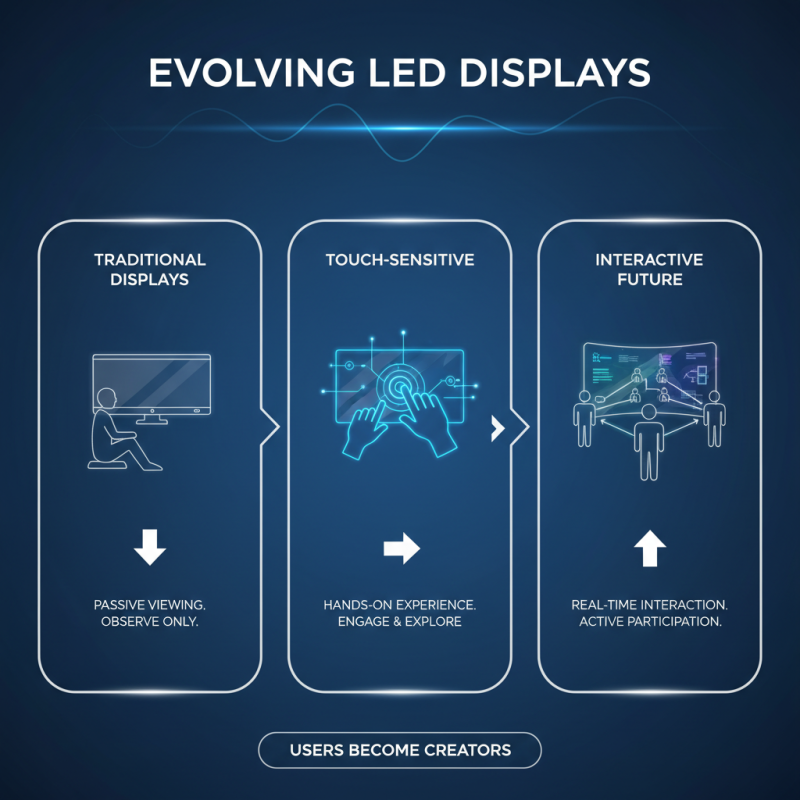
Artificial intelligence (AI) is driving personalized content. It tailors displays to match viewer preferences.
This shift can enhance user experience but presents privacy concerns. Balancing personalization with ethical data practices will be crucial.
As technology advances, the focus should be on thoughtful implementation, ensuring innovation benefits everyone.
Key Trends in LED Display Design and Aesthetics for the Future
In the rapidly evolving world of LED displays, design and aesthetics are taking center stage for the future. Sleek and minimalist styles are gaining popularity. Expect to see displays that blend seamlessly with environments. This creates a more cohesive visual experience. The use of vibrant colors and dynamic animations will enhance engagement.
Tips: When designing LED displays, consider the surrounding space. Pay attention to lighting variations. This can change how your display is perceived. Experiment with different shapes and sizes to make your display stand out.
Sustainability is becoming a significant trend too. Eco-friendly materials and energy-efficient technologies are essential for future innovations. Designers are focusing on creating displays that leave a minimal carbon footprint while maintaining high performance. The challenge lies in balancing aesthetics and functionality.
Tips: Think about the lifecycle of your display material. Choose components that are recyclable. This can make a difference in your environmental impact. Always ask if your design choices are future-proof.
2026 Top LED Display Trends and Innovations to Watch Out For - Key Trends in LED Display Design and Aesthetics for the Future
| Trend |
Description |
Expected Impact |
Implementation Year |
| MicroLED Technology |
Utilization of tiny LEDs for improved display resolution and contrast. |
Higher image quality and efficiency in various applications. |
2026 |
| Flexible Displays |
LED panels that can bend and conform to different shapes. |
New design possibilities in architecture and advertising. |
2025 |
| AI Integration |
Implementation of AI for dynamic content management and user interaction. |
Enhanced user experience and tailored advertising. |
2026 |
| Sustainability Focus |
Development of eco-friendly materials and recycling processes for LED displays. |
Reduced environmental impact and increased consumer appeal. |
2025 |
| High Dynamic Range (HDR) |
Improved color accuracy and brightness levels in LED displays. |
Richer visuals suitable for entertainment and exhibitions. |
2024 |
Sustainability in LED Displays: Eco-Friendly Innovations in 2026
In 2026, sustainability will be a key focus in the LED display industry. Eco-friendly innovations will influence design and manufacturing processes. Recent reports indicate that 67% of consumers prefer sustainable products. This demand drives manufacturers to rethink their strategies.
Energy-efficient technology is a crucial area of development. LEDs already use 75% less energy than traditional bulbs. Moving forward, designers are exploring materials that reduce carbon footprints. For instance, recyclable components will become more common. However, the challenge remains in striking a balance between performance and environmental impact.
Another vital aspect is end-of-life disposal. Many displays end up in landfills, leading to e-waste concerns. Current statistics show that electronic waste is set to reach 74 million tons by 2030. This alarming fact urges the industry to innovate in recycling methods. Implementing closed-loop systems can help. Yet, complications arise in standardizing these practices. The path to sustainable LED displays is not without obstacles, and reflecting on these challenges is essential.
Market Forecast: The Growth and Opportunities of LED Displays by 2026
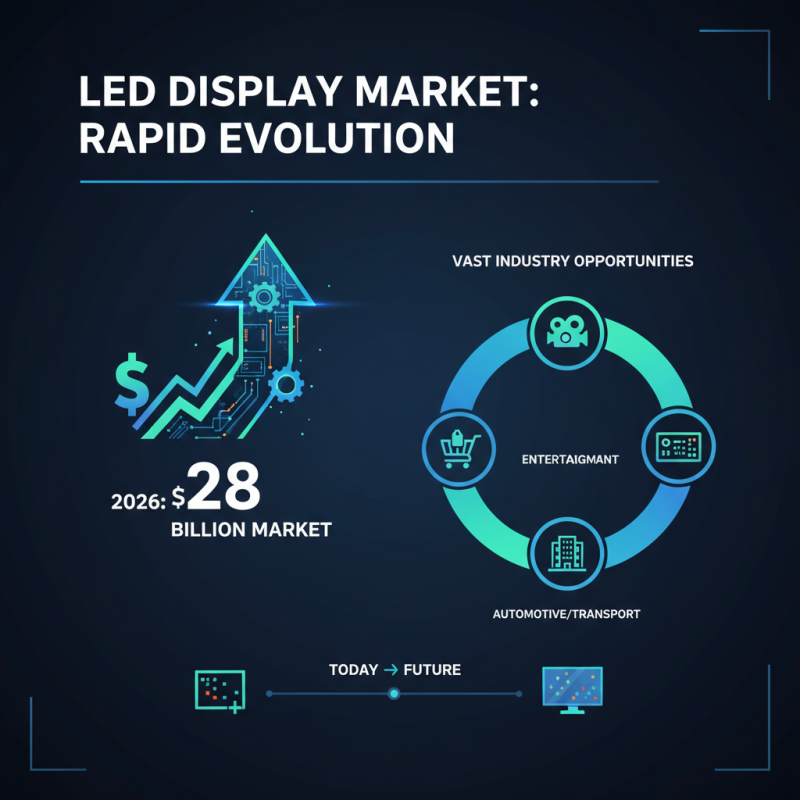
The LED display market is rapidly evolving. By 2026, it is expected to reach a staggering $28 billion. This growth opens doors for various industries. From entertainment to retail, the opportunities are vast.
Recent reports suggest that outdoor LED displays will dominate the market. They are projected to grow at a compound annual growth rate (CAGR) of 10% over the next few years. In urban areas, digital signage is becoming essential. People crave engaging visuals. Yet, many displays still struggle with visibility in bright sunlight.
Innovations in LED technology are also noteworthy. The trend towards modular design allows for scalable solutions. However, not all modules perform equally. Issues with consistency can arise. Manufacturers must address these challenges to maintain market confidence. Energy efficiency remains critical too. Advances have been made, yet there’s room for improvement. The drive for sustainability is intensifying. Overall, the next few years will test the industry’s resilience and creativity.


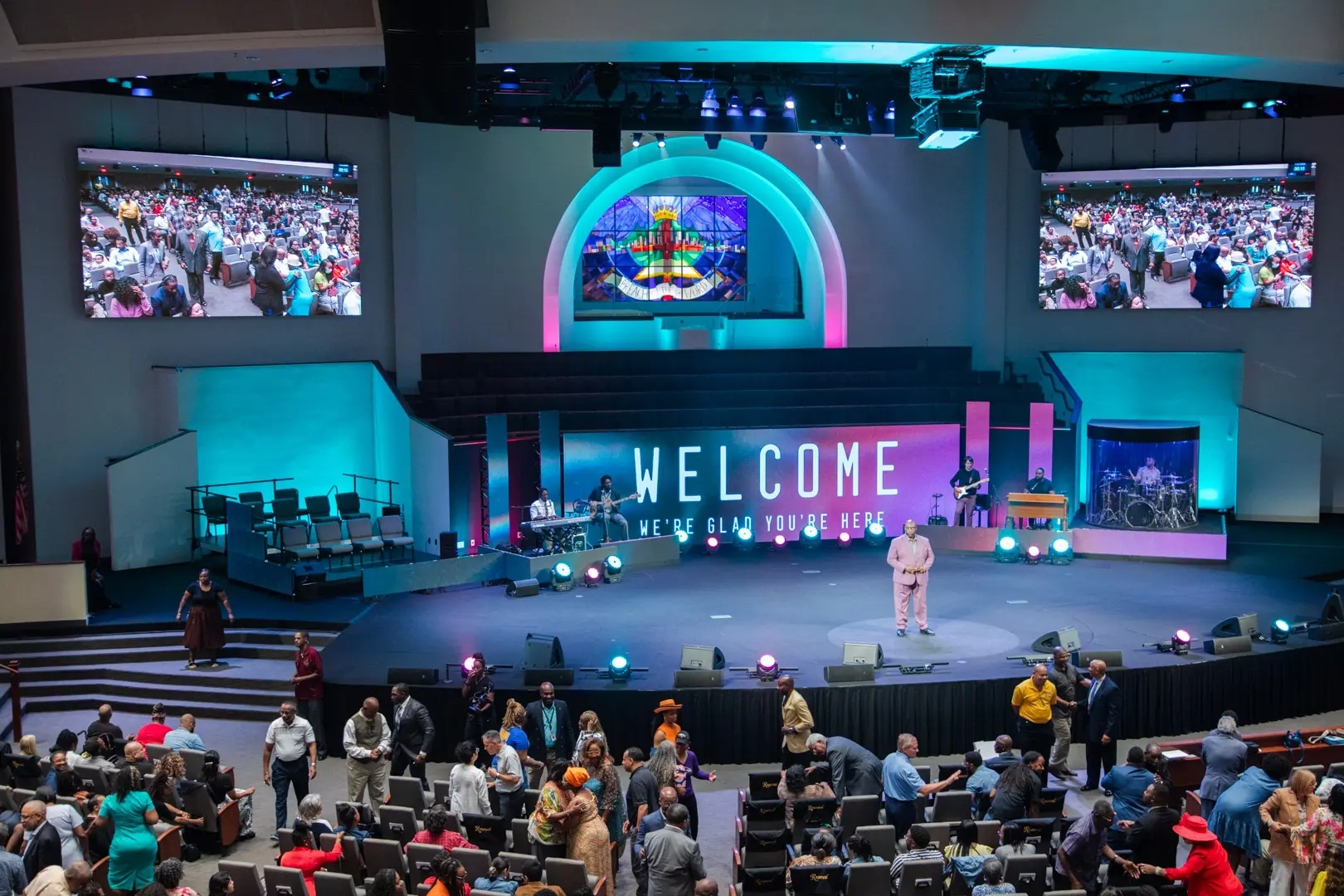
 House of Worship
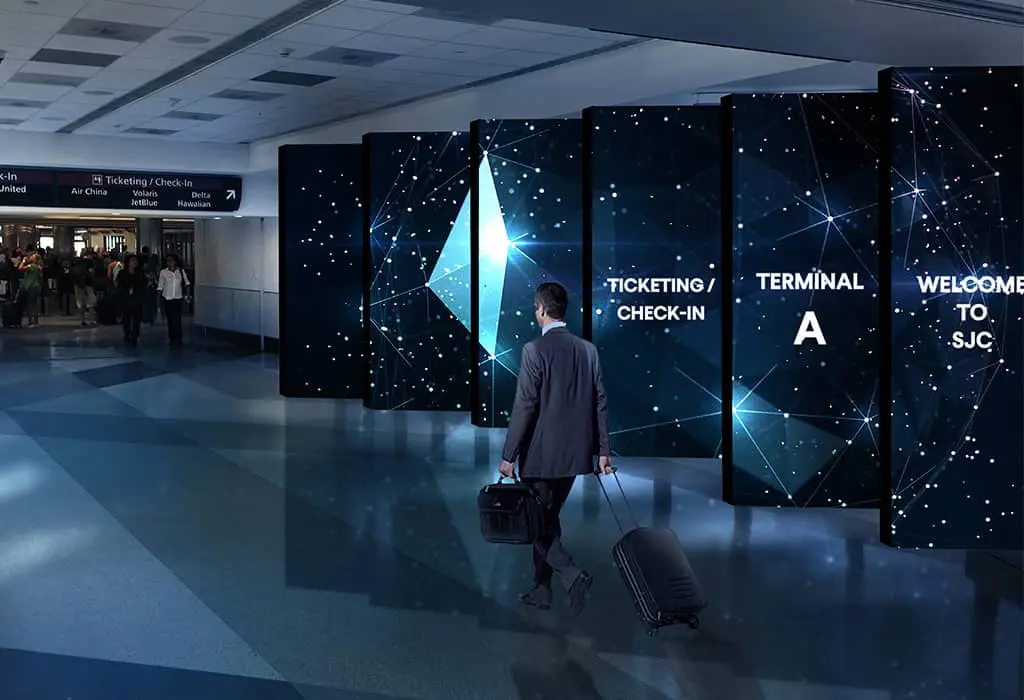
 Transportation
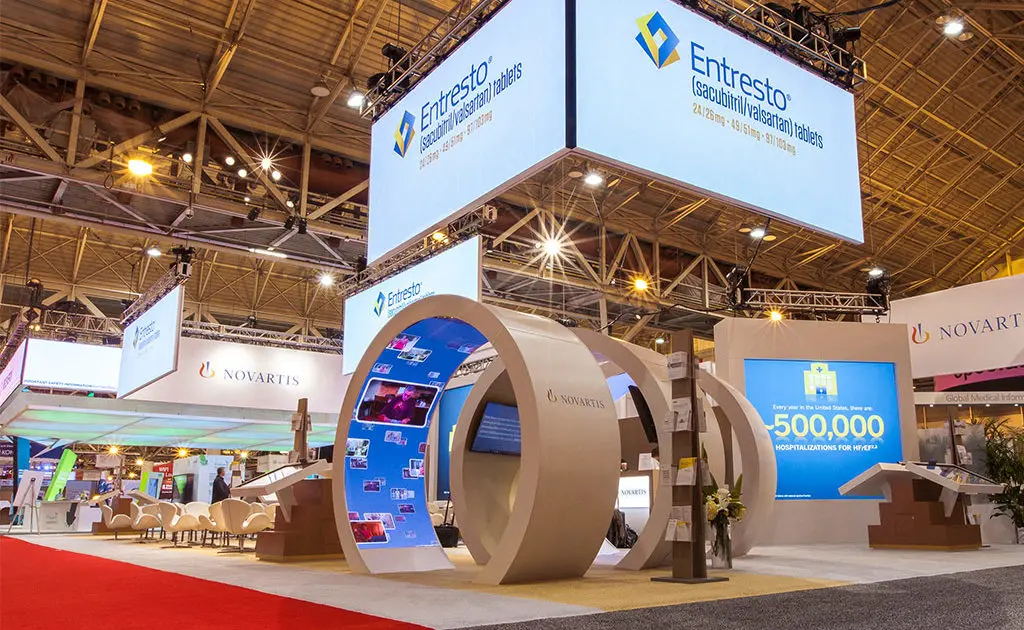
 Trade shows led display
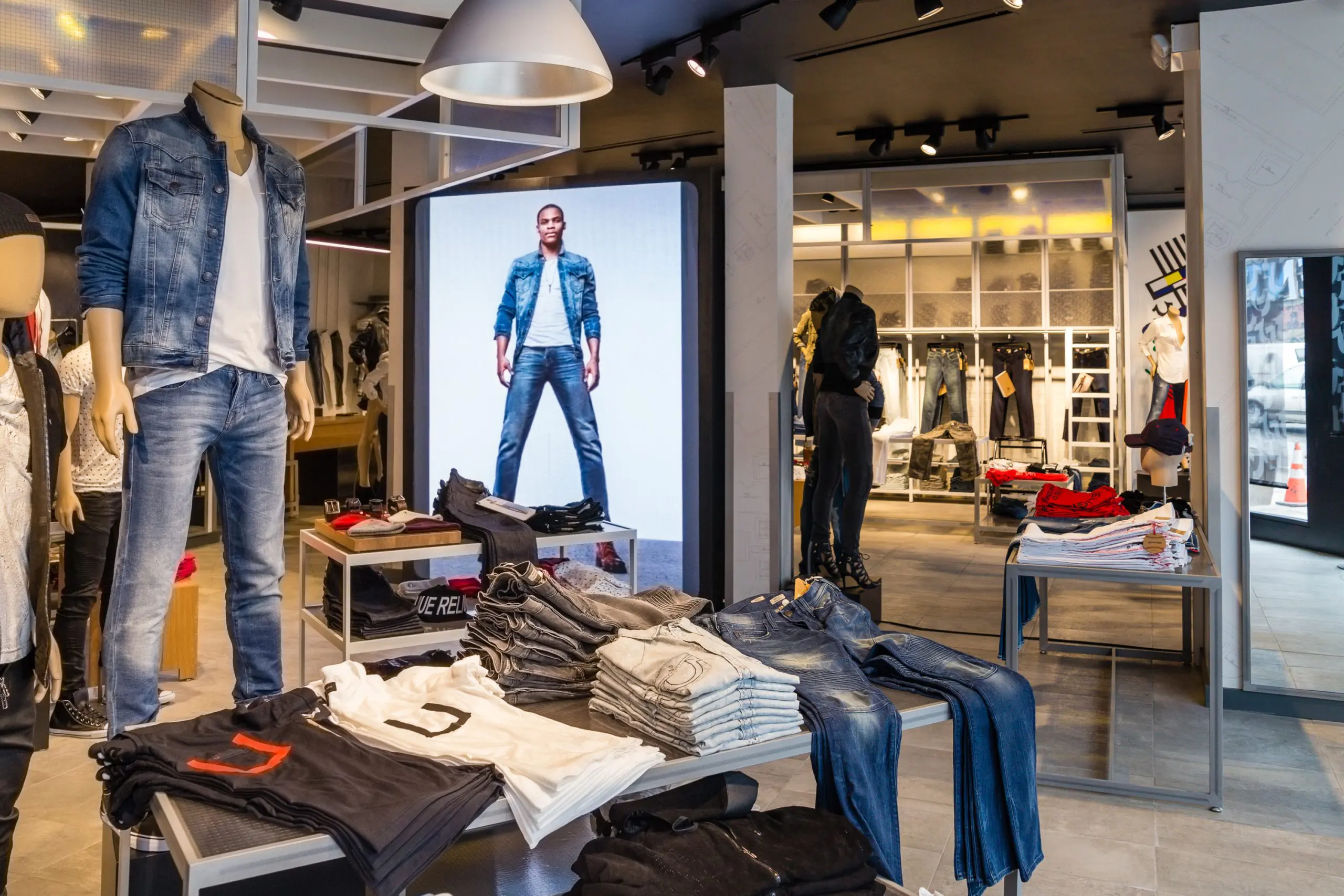
 retail
 Creative Led Solutions
 Hospitality
 Higher Education
 Corporate LED