What is an Acoustic Panel and How Does it Work?
In the world of sound absorption, the Acoustic Panel stands out as a crucial element. These panels are designed to manage sound waves, improving the acoustics of spaces. Renowned acoustics expert Dr. Emily Harmon states, "Acoustic Panels can transform a noisy room into a tranquil environment." This statement encapsulates the essence of their importance.
Acoustic Panels are made from various materials that absorb sound, rather than reflecting it. They are commonly used in offices, studios, and even homes. Their effectiveness depends on placement and material choice. While many believe all panels work the same, that's a misconception. The design significantly impacts performance.
Understanding how Acoustic Panels function is vital for achieving desired sound quality. Each environment presents unique challenges. Reflecting on your space's acoustics can reveal areas for improvement. Investing in quality panels and proper installation can seem daunting but is worth the effort.
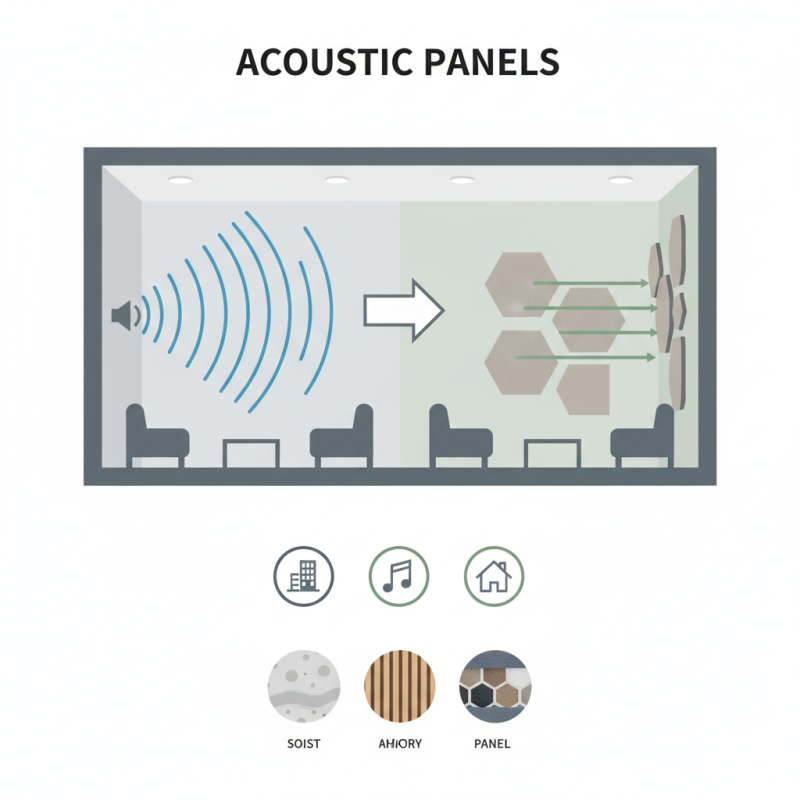
What is an Acoustic Panel?
An acoustic panel is a sound-absorbing material designed to reduce noise and improve sound quality in a space. These panels are often used in venues like recording studios, offices, and restaurants. They help minimize reverberation and echoes, creating a more pleasant auditory experience. According to the Acoustical Society of America, improper acoustics can lead to communication challenges and discomfort in public spaces.
In essence, acoustic panels work by absorbing sound waves rather than reflecting them. When sound waves hit the panel, energy is dissipated as heat, effectively reducing volume and enhancing clarity. Research shows that proper use of acoustic panels can reduce noise levels by up to 50%. This improvement makes conversations easier and environments more enjoyable.
Tips: To maximize the effectiveness of acoustic panels, consider their placement. Install them at first reflection points for better sound absorption. Not all spaces are the same. Assess your room's shape and hard surfaces before installation. Sometimes, the most effective solutions require unique arrangements. Embrace experimentation to find what works best for your environment.
Acoustic Panel Effectiveness Across Different Frequencies
This chart illustrates the effectiveness of acoustic panels in reducing sound levels at different frequencies measured in Hertz (Hz). The data shows how the absorption coefficient of acoustic panels varies across low, mid, and high frequencies, highlighting their performance in soundproofing environments.
Types of Acoustic Panels: Materials and Designs
Acoustic panels come in various types, each designed to absorb sound and reduce noise. Common materials include foam, fabric-wrapped fiberglass, and wood. These materials differ in their sound absorption capabilities. For instance, a report from the National Institute of Standards and Technology highlights that fiberglass panels can achieve a Noise Reduction Coefficient (NRC) of up to 0.95. This means they can absorb almost all sound that hits them.
Designs of acoustic panels also vary significantly. Some are sleek and modern, suitable for contemporary spaces. Others come in traditional styles, making them ideal for historical buildings. The choice of design often impacts their placement and effectiveness. For example, panels with irregular shapes can handle a broader range of frequencies, making them more versatile. However, not every design suits every environment.
It's important to consider both material and design when selecting acoustic panels. Aesthetic choices might compromise performance. Testing different combinations is crucial to finding the right balance. Observing how sound behaves in a space also helps refine the choice. Remember, even the best panels need to be strategically placed for maximum effectiveness.
How Acoustic Panels Absorb Sound: The Science Behind It
Acoustic panels are essential in sound management. They reduce unwanted noise and enhance sound quality in various environments. According to the Acoustical Society of America, sound absorption is crucial for improving acoustic performance. Panels work by converting sound energy into heat through their porous materials.
When sound waves hit these panels, they penetrate into the material. The unique structure allows air molecules to vibrate, creating friction. This friction generates heat, thus absorbing the sound. A study published in the Journal of Building Physics highlights that high-density materials effectively absorb low-frequency sounds. This is particularly beneficial in spaces like recording studios and conference rooms, where clarity is critical.
While acoustic panels can improve sound quality, they aren't a panacea. Room shape and furniture affect sound behavior too. Some panels may absorb too much sound, resulting in a dull atmosphere. Finding the right balance requires careful consideration of both material choice and room design. Understanding these dynamics is vital for achieving optimal acoustic environments.
Benefits of Using Acoustic Panels in Various Environments
Acoustic panels play a crucial role in enhancing sound quality within various environments. In open offices, these panels reduce noise levels, promoting better communication and focus among employees. When strategically placed, they absorb sound waves and minimize echoes. This creates a more conducive atmosphere for productivity.
In schools, acoustic panels can significantly improve classroom dynamics. By controlling noise, teachers can communicate more effectively. Students benefit from reduced distractions, leading to improved learning outcomes. Similarly, in home environments, such as recording studios or living rooms, acoustic panels refine acoustics. They help to deliver clear sound when listening to music or watching movies.
However, not all installations yield perfect results. The placement and materials used can impact effectiveness. Some spaces may still face challenges in sound control. It’s important to assess the specific needs of each environment. Experimenting with different setups can lead to better acoustic performance. Users should remain open to adjustments and refinements.
Installation and Maintenance of Acoustic Panels
Installing acoustic panels requires careful planning and execution. Choose the right location in your space. Common spots include walls, ceilings, and corners. Measure areas accurately to ensure proper fit. Use multiple panels for larger spaces to achieve balanced sound absorption. Tools like a level, adhesive, or brackets help secure the panels effectively.
Maintenance of acoustic panels is crucial for longevity. Regular dusting with a microfiber cloth keeps them clean. If stained, spot cleaning with mild soap and water is often effective. Over time, you might notice some wear. Evaluate the condition of the panels regularly. Depending on usage, they may need replacement. This reflects your commitment to an optimal acoustic environment. Remember that proper care enhances functionality and aesthetics.


 House of Worship
 Transportation
 Trade shows led display
 retail
 Creative Led Solutions
 Hospitality
 Higher Education
 Corporate LED