What is Aluminium Casting Mold and How to Choose the Best?
The Aluminium Casting Mold is crucial in manufacturing sectors, providing precise components for various applications. According to a report by Research and Markets, the global aluminum casting market is projected to reach USD 38.1 billion by 2025, reflecting growing demand across industries like automotive and aerospace.
Choosing the best aluminium casting mold can be challenging. Factors such as design complexity, production volume, and material compatibility are essential to consider. However, not all molds perform identically. Some may exhibit defects or wear out quickly, leading to production delays. This variability underscores the importance of thorough evaluation before selection.
Furthermore, industry advancements continually change mold design and materials. As innovation progresses, finding the right balance between cost and quality becomes critical. Awareness of these factors can help manufacturers avoid costly mistakes. Ultimately, a well-chosen aluminium casting mold contributes significantly to overall production efficiency and product quality.
What is Aluminium Casting Mold?
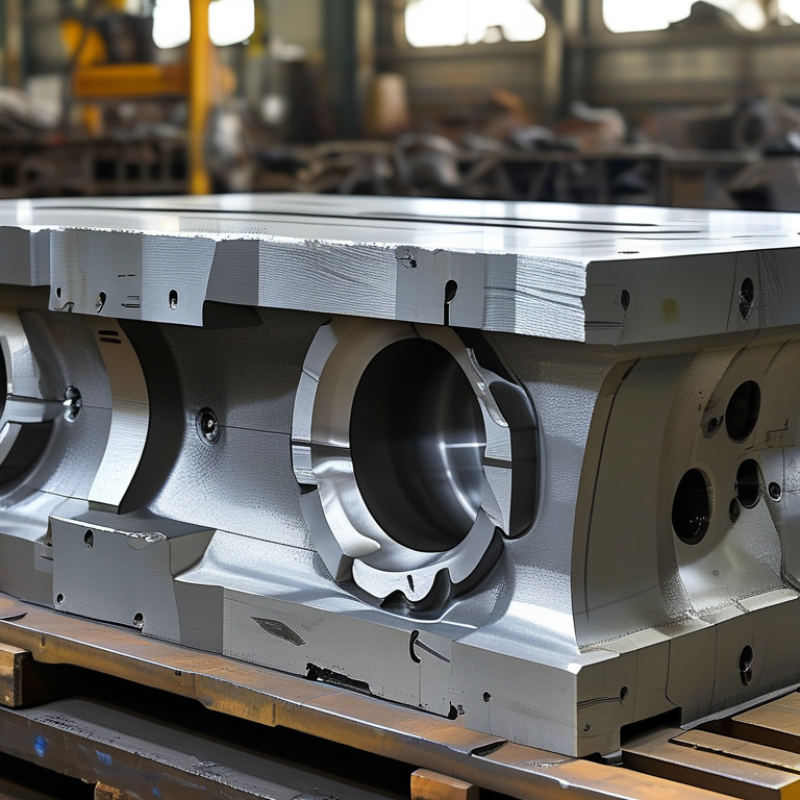
Aluminium casting molds are essential tools in metalworking. They create precise shapes for various applications. This process involves pouring molten aluminium into a mold. The result is a durable and lightweight product. Molds can be made from various materials like steel or sand, affecting their durability and cost.
Understanding the types of aluminium casting molds is vital. Permanent molds are reusable, while expendable molds are used once. Consider your production volume when choosing. High-volume projects benefit from permanent molds. They provide consistency and speed. However, for small batches, expendable molds may be more practical.
It's important to consider the mold design. Complex shapes may require more intricate molds. Also, think about thermal conductivity; it affects cooling and solidification. Balancing detail and efficiency is challenging. Many skilled professionals still face issues with mold quality. In crafting, flaws emerge in the process. Learning from these imperfections is part of refining skills.
Types of Aluminium Casting Molds Explained
Aluminium casting molds play a significant role in manufacturing. They come in various types, each suited to different applications and production methods. Understanding these types is crucial for selecting the best mold for your needs.
There are four primary types of aluminum casting molds: sand molds, die casting molds, permanent molds, and investment molds. Sand molds are economically and easily customizable, making them ideal for low-volume production. According to industry reports, they account for about 40% of the aluminum casting market. Die casting molds, on the other hand, are suitable for mass production. They offer precise dimensions and smooth finishes, favored in industries such as automotive and electronics.
Permanent molds provide durability for repeated use. However, the initial investment is higher than sand molds. Investment molds, while costly, offer exceptional detail and are used for intricate designs. They are often employed in aerospace applications. Each mold type has its own strengths and weaknesses. Choosing the right one requires careful consideration of production volume, detail needed, and budget. It's not a decision to take lightly, as each mold will directly impact the quality and efficiency of production.
Factors to Consider When Choosing an Aluminium Casting Mold
When selecting an aluminium casting mold, several factors come into play. The mold's design is crucial. It should match your product specifications. Consider the complexity of your design. Intricate shapes may require specialized molds. A simple design often allows for more affordable options.
Material quality also matters. High-quality aluminum ensures durability and precision. Lower quality may lead to defects in the casting. Analyze the thickness of the mold walls. Thicker walls tend to last longer, but they also increase weight and cost. Look at the cooling features too. Efficient cooling speeds up production but can affect casting quality.
Lastly, think about the mold's lifecycle. Regular wear and tear can occur. Choose a mold that has a good track record for longevity. Reflect on your production volume needs. For large quantities, investing in robust molds pays off. Finding the right balance between cost and quality requires careful thought.
Benefits of Using Aluminium Casting Molds
Aluminium casting molds are a game-changer in various manufacturing sectors. They offer a range of benefits that enhance production efficiency. According to a report by the International Aluminum Institute, the demand for aluminium cast products has surged by 22% over the past five years. This growth reflects the material's lightweight nature and high resistance to corrosion.
One key advantage of aluminium casting molds is their ability to produce intricate designs. The molds allow for detailed features that are often challenging with other materials. Additionally, aluminium's excellent thermal conductivity results in faster cooling times during the casting process. This aspect significantly reduces production time, which can lead to cost savings. Data shows that manufacturers using aluminium molds can achieve a 30% reduction in cycle times.
However, there are considerations to keep in mind. The initial costs of aluminium casting molds can be higher compared to traditional materials. Some manufacturers report challenges with mold maintenance and durability over long periods. It's crucial to evaluate the specific needs of your production line. A thorough analysis of production demands will guide you in making an informed choice about using aluminium casting molds. Balancing initial investment and long-term benefits is a critical part of this decision-making process.
Benefits of Using Aluminium Casting Molds
Common Applications of Aluminium Casting Molds
Aluminium casting molds are extensively used in various industries due to their versatility. These molds play a critical role in the production of parts for automotive, aerospace, and consumer electronics. According to a report by MarketsandMarkets, the global aluminium casting market is projected to reach USD 100 billion by 2027, highlighting the growing demand for aluminium products.
In the automotive sector, aluminium casting molds are essential for creating lightweight components. They contribute to fuel efficiency and reduce emissions. Automotive manufacturers report that parts made using these molds can save up to 40% in weight compared to steel counterparts. In aerospace, precision is paramount. Here, aluminium molds help produce intricate designs that meet strict safety and performance standards. Additionally, consumer electronics heavily rely on these molds for making enclosures that protect sensitive devices.
However, selecting the right aluminium casting mold can be challenging. Factors like design complexity and production volume should be considered. Molds are often expensive, and choosing incorrectly can lead to higher costs and time delays. Industry experts suggest conducting thorough market research and consulting with professionals before making a decision to avoid potential pitfalls. As the market grows, staying informed about technological advancements in aluminium casting is crucial for making the best choices.


 House of Worship
 Transportation
 Trade shows led display
 retail
 Creative Led Solutions
 Hospitality
 Higher Education
 Corporate LED