What Are the Benefits of Pocket Filter Media for Air Quality?
Air quality significantly impacts health and well-being. One effective solution is pocket filter media. This technology enhances air filtration systems, capturing various pollutants effectively.
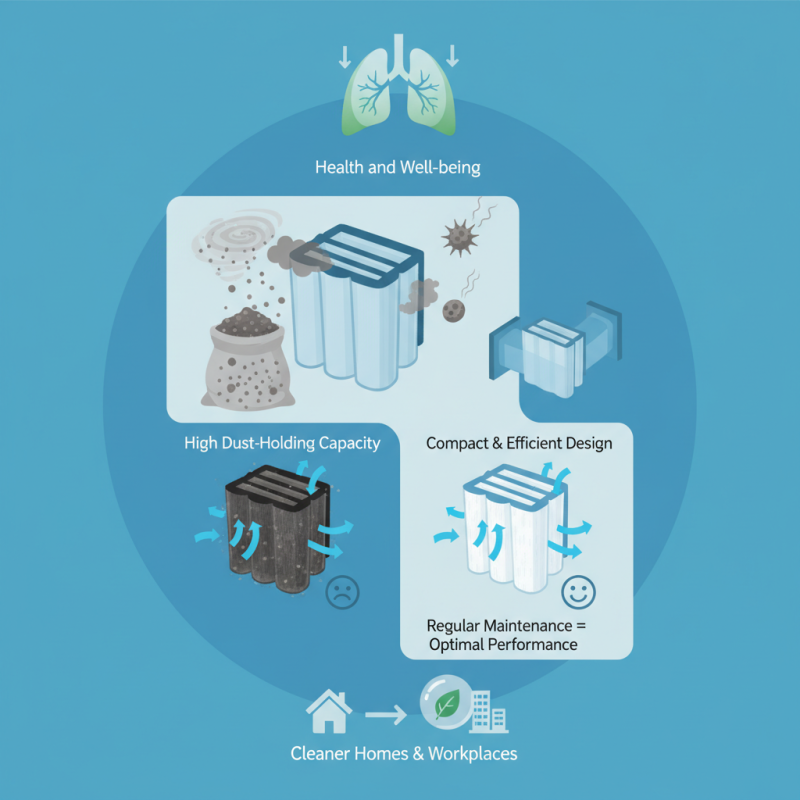
pocket filter media stands out due to its high dust-holding capacity. It reduces particle levels, including dust, pollen, and smoke. These filters are compact yet powerful. Their design allows them to fit neatly in existing systems. However, people often overlook regular maintenance. A dirty filter can diminish efficiency, possibly worsening air quality.
Investing in pocket filter media can be a game-changer. It leads to cleaner environments in homes and workplaces. Yet, many users forget to monitor their filters. They need to be replaced periodically. This simple task can ensure optimal performance. The benefits of these filters cannot be overstated. Clean air should be a priority for everyone.
Overview of Pocket Filter Media in Air Quality Management
Pocket filter media play a crucial role in air quality management systems. These filters capture solid particles and pollutants effectively. Reports show that HEPA filters can remove up to 99.97% of particles larger than 0.3 microns. Pocket filters enhance this capability due to their increased surface area. This design allows for better airflow and prolonged filter life.
In commercial settings, air quality significantly impacts health. Poor air can lead to respiratory issues and decreased productivity. The World Health Organization states that indoor air pollution kills millions annually. Pocket filters can mitigate these effects by providing cleaner air. They also reduce energy consumption. Efficiency improves when airflow is optimized.
Even with these advantages, challenges remain. Maintenance of pocket filters is essential. Neglected filters can become less effective and may harbor bacteria. Regular checks are necessary to ensure optimal performance. Additionally, the initial investment might deter some users. Understanding long-term benefits is crucial for decision-making.
Benefits of Pocket Filter Media for Air Quality
Mechanism of Pocket Filter Media in Air Filtration Systems
Pocket filter media play a crucial role in air filtration systems. Their design allows for large surface areas in a compact form. This enables effective removal of airborne particles, improving indoor air quality. Their pleated design increases efficiency. More pleats mean more dirt captured.
Tip: Regularly inspect pocket filters. Clogged filters can reduce airflow and efficiency.
These filters work by trapping particles in a dense fibrous material. Air passes through it, leaving pollutants behind. The mechanism is straightforward yet effective. However, they can succumb to wear and tear over time.
Tip: Replace pocket filters based on usage. A schedule helps in maintaining air quality.
Pocket filters are not perfect. They may miss smaller particles. They need support from other filtration systems to enhance effectiveness. Regular maintenance helps mitigate some of these issues.
Comparison of Pocket Filter Media with Traditional Filters
Pocket filter media offers distinct advantages over traditional filters. Their design allows for a larger surface area, increasing airflow while capturing more particles. This improvement leads to better energy efficiency in air handling units. Traditional filters often clog quickly, demanding frequent replacements. In contrast, pocket filters maintain performance longer, which can reduce maintenance costs significantly.
When choosing air filters, consider the level of air quality required. Different environments have varying needs. For example, a medical facility requires higher filtration efficiency compared to a general office. Pocket filters can adapt to these needs effectively. They typically capture smaller particles, including allergens and dust. This adaptability can enhance indoor air quality significantly.
Tip: Regularly check filter performance. Even the best filters need monitoring. Changing them at the right time is crucial.
While pocket filters seem promising, it's important to be cautious. Not all pocket filters are created equal. Some may not meet specific air quality standards. Research is key to finding suitable options. Additionally, the initial cost may be higher than traditional filters. However, long-term savings can offset this investment.
Tip: Always consult with experts on air quality needs to avoid potential pitfalls.
Health Benefits of Improved Air Quality from Pocket Filters
Improved air quality through pocket filters can significantly impact health. Studies show that fine particulate matter (PM2.5) is linked to respiratory issues. In urban areas, these particles can exceed safe levels. People exposed to high levels often experience aggravated asthma and reduced lung function.
Pocket filters capture microscopic particles effectively. According to the EPA, air pollution contributes to approximately 4.2 million premature deaths worldwide each year. A cleaner indoor environment from these filters can reduce such risks. Cleaner air can lower the chances of heart disease, which affects millions globally.
Yet, challenges remain. Not all pocket filters are equally efficient. Some may not capture all harmful particles. Regular maintenance is vital for optimal performance. Users sometimes overlook this, which can lead to compromised air quality. Balancing filter replacement with cost is another issue. It requires constant attention and resources.
What Are the Benefits of Pocket Filter Media for Air Quality?
| Air Quality Parameter | Before Pocket Filters | After Pocket Filters | Health Benefits |
| Particulate Matter (PM2.5) | 55 μg/m³ | 25 μg/m³ | Reduced risk of respiratory diseases |
| Volatile Organic Compounds (VOCs) | 200 ppb | 50 ppb | Improved cognitive function |
| Carbon Dioxide (CO2) | 1000 ppm | 600 ppm | Better concentration levels |
| Dust Levels | 80 mg/m³ | 20 mg/m³ | Lower allergy symptoms |
Cost-Effectiveness and Sustainability of Pocket Filter Media
Pocket filter media have gained popularity in air quality management due to their cost-effectiveness and sustainability. These filters are designed to capture particulate matter efficiently, ensuring cleaner air in various environments. Their design allows for lower resistance to airflow, which can reduce energy consumption during operation. Companies can save on both energy bills and filter replacements over time.
Cost-effectiveness is a key benefit. Although the initial investment might vary, using pocket filter media often leads to long-term savings. Their longer lifespan means less frequent replacements. This reduces waste and the associated costs of disposing of used filters. Sustainable practices are gaining traction, and these filters align well with that trend.
However, there are considerations to keep in mind. Not all environments may benefit equally from pocket filters. It’s vital to assess the specific needs of each application. Over time, some filters may become less effective if not maintained properly. Regular monitoring and replacement are crucial to ensure optimal performance. Balancing cost with quality and efficiency can be a challenge but is necessary for air quality improvement.


 House of Worship
 Transportation
 Trade shows led display
 retail
 Creative Led Solutions
 Hospitality
 Higher Education
 Corporate LED