Best Digital Display Screen for Effective Marketing Solutions?
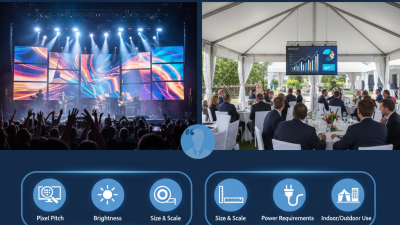
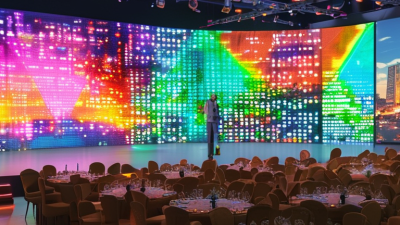
In today's competitive market, choosing the best digital display screen can make a significant difference in marketing strategies. A digital display screen enhances visibility and attracts potential customers effectively. Brands are increasingly relying on these screens to showcase vibrant visuals that communicate their message instantly.
However, not all digital display screens are equal. Factors like resolution, brightness, and placement are crucial. Brands must carefully evaluate their needs and the environment where the screens will be placed. High-resolution screens can captivate audiences, but they also come with higher costs. Finding the right balance between quality and budget is essential.
Ultimately, a digital display screen should engage viewers and enhance brand recognition. Frequent updates and content changes keep the display fresh and relevant. Yet, investing in such technology requires ongoing commitment and strategy. Brands must adapt to feedback and emerging trends to maximize impact. This journey can be challenging, but when navigated correctly, it offers immense rewards.
Understanding Digital Display Screens in Marketing
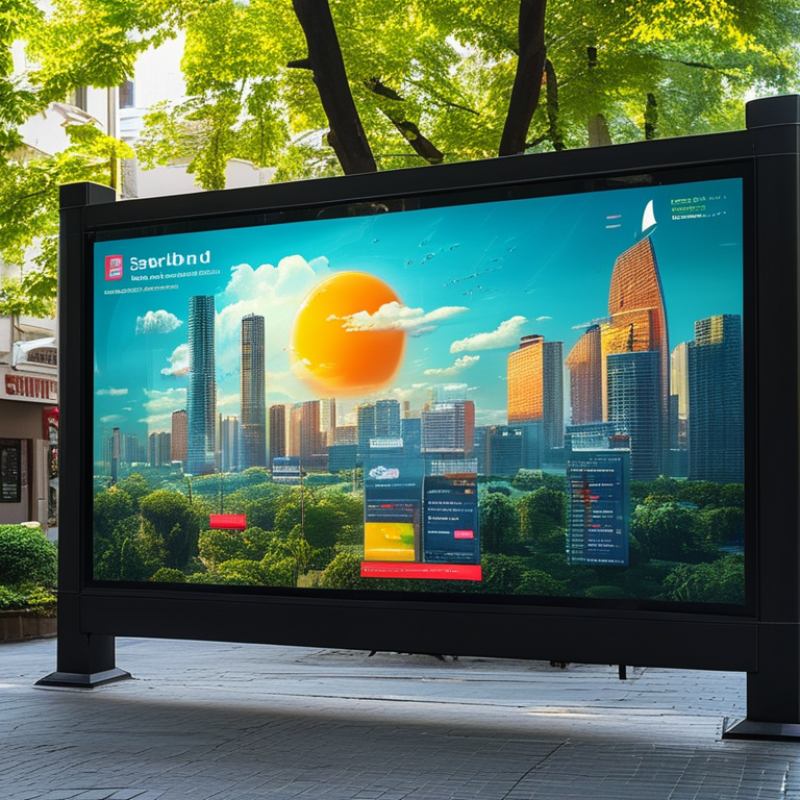
Digital display screens have transformed marketing strategies significantly. According to recent reports, 70% of consumers are influenced by digital signage. This influence suggests that brands should prioritize high-quality visuals. Clear, bright displays can capture attention and enhance customer engagement. Companies are increasingly using these screens in retail spaces, restaurants, and event venues.
Effective marketing using digital displays requires understanding the audience. Knowing the demographics helps tailor content. For instance, vibrant visuals resonate well with younger audiences. On the other hand, simpler designs may appeal more to older customers. Marketers should consider seasonal promotions and local events to keep the content relevant.
It’s essential to update digital content frequently. Stale advertisements can lead to disengagement. Ensure messages are well-timed and relevant. Experimenting with different formats can also be beneficial. Static images might not perform as well as videos or animations. Reflecting on the strategies and adjusting them based on audience feedback is crucial for success.
Key Features to Consider for Effective Marketing Displays
In the fast-evolving world of marketing, choosing the right digital display screen is crucial. A report from Statista indicates that the digital out-of-home advertising market is expected to reach $6.29 billion by 2025. Understanding key features can drive effective marketing solutions.
One critical feature is brightness. High brightness levels ensure visibility in various lighting conditions. Research shows that screens with a brightness of over 2000 nits significantly enhance viewer engagement. This visibility is essential, especially in outdoor settings. Another important aspect is resolution. Displays with a resolution of 1920 x 1080 pixels or higher captivate audiences with clearer visuals. Consumers are 80% more likely to remember brand messages when presented in high-definition formats.
Interactivity adds another layer of effectiveness. Touchscreens or QR code integration allow consumers to engage directly. According to Nielsen, interactive displays can increase sales by up to 12%. However, maintaining content freshness remains a challenge. Stale content can detract from audience interest and lower engagement. Regularly updating displays with new promotions or information is necessary for sustained impact. Effective marketing displays are not just about the technology but also about the strategy behind the content.
Best Digital Display Screen for Effective Marketing Solutions
| Feature |
Description |
Importance |
| Screen Resolution |
Higher resolution provides clearer and more attractive visuals. |
Critical for ensuring message clarity. |
| Brightness |
Measured in nits, higher brightness improves visibility in well-lit environments. |
Essential for outdoor or brightly lit indoor locations. |
| Size |
Larger displays attract more attention and can convey more information. |
Very important for engagement in crowded spaces. |
| Connectivity Options |
Supports various inputs (HDMI, USB, wireless) to enhance versatility. |
Important for easy content updates and integration. |
| Durability |
Built to withstand environmental factors, especially for outdoor use. |
Crucial for long-term investment and reliability. |
| Ease of Use |
User-friendly interfaces and software for easy content management. |
Important for quick updates and management efficiency. |
| Cost |
Evaluated based on features offered relative to the price point. |
Essential for budget-conscious marketing strategies. |
Types of Digital Display Screens Suitable for Various Marketing Needs
Digital display screens are crucial for modern marketing strategies. Different types serve varied purposes. For instance, LED screens are popular due to their brightness and visibility. A study from the Digital Signage Federation notes that 70% of consumers notice digital signs. This highlights their effectiveness in capturing attention.
LCD screens offer excellent image quality for indoor settings. They are ideal for showcasing detailed content and engaging visuals. A report by MarketsandMarkets predicts that the global digital signage market will reach $31.71 billion by 2025. This increase reflects the growing reliance on quality displays.
Outdoor digital billboards are another essential type. They provide massive visibility and impact. However, they can be costly and require strategic placement. Effective marketing demands thoughtful integration of display technology, ensuring that brands resonate with their target audiences. Reflecting on these factors can guide businesses in choosing the right display type for their marketing needs.
Best Practices for Utilizing Digital Display Screens in Campaigns
Digital display screens have become essential for effective marketing. These screens capture attention in busy environments. They should be strategically placed where foot traffic is high. The right location boosts visibility and engagement. Use vibrant visuals to communicate your message clearly. People remember bright colors and dynamic images.
Crafting content for these screens is crucial. Messages should be concise and direct. Aim for ten words or fewer when possible. Short messages resonate better with viewers. Consider using animations or videos to draw people in. Movement attracts more attention than static images. Experiment with different formats to find what works best.
Evaluate the effectiveness of your campaigns regularly. Analyze viewer engagement and response rates. Not every approach will yield results. Learn from failures and adapt your strategies. Experimentation can lead to enhanced creativity. Keep refining your method until you find the right balance that works for your audience.
Evaluating the ROI of Digital Display Screen Marketing Solutions
Digital display screens have become pivotal in marketing. Investing in these solutions can seem daunting. Businesses need to evaluate the potential return on investment (ROI) carefully. It’s not just about the initial cost. Consider engagement rates and audience reach. These factors can significantly impact overall return.
Evaluating ROI involves more than just numbers. It’s essential to measure real-world results. Track metrics such as customer interaction and sales lift. These variables provide a clearer picture of effectiveness. However, the challenge remains in attributing influence solely to digital displays. Sometimes, other marketing initiatives overlap and blur the results.
Many businesses report varied results. Some see impressive gains, while others find it less impactful. Testing different formats or locations could yield better insights. Regular feedback is crucial. This process encourages refinement and improves strategy. Experimentation may reveal unique ways to connect with target audiences.


 House of Worship
 Transportation
 Trade shows led display
 retail
 Creative Led Solutions
 Hospitality
 Higher Education
 Corporate LED