Discover the Best Digital Signs for Your Business Needs?
In today's dynamic business environment, digital signs have emerged as a vital tool for effective communication. These signs can elevate your brand presence and engage customers in innovative ways. They offer businesses the flexibility to update content in real-time and cater to specific audiences.
Choosing the right digital signs is crucial. The variety available can be overwhelming. Businesses must consider their unique needs, goals, and budget. High-quality signs can provide clear visuals, attracting attention and enhancing customer experience. However, poor-quality signs can reflect negatively on your business. It’s vital to evaluate options carefully before making a decision.
Digital signs are not just about aesthetics; they influence customer behavior. They can inform, persuade, and entertain. Yet, the implementation process can be fraught with challenges. It's important to reflect on your specific marketing strategies and how digital signs can integrate with them. By understanding both the advantages and potential pitfalls, businesses can harness the full power of digital signs for growth and engagement.
Understanding Digital Signage: Definition and Purpose
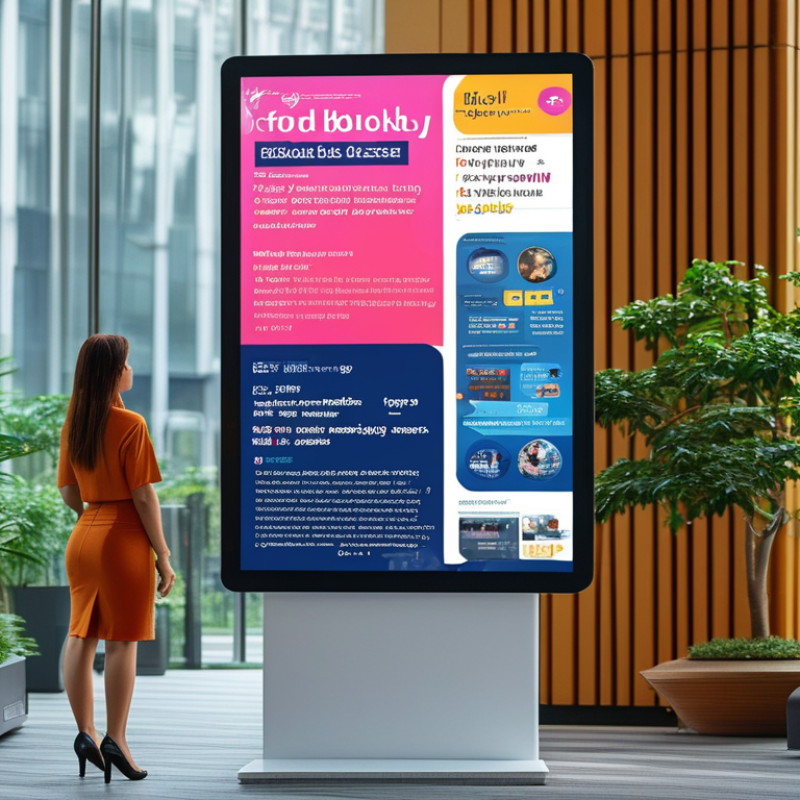
Digital signage has emerged as a powerful tool for businesses. It refers to digital displays used to communicate information or advertisements. These signs can be found in various locations, from retail stores to corporate offices. Their purpose is to engage audiences with dynamic content that is attractive and relevant.
Creating effective digital signage requires understanding the target audience. The display's design, content, and placement matter greatly. For example, vibrant visuals capture more attention than plain text. Additionally, businesses often struggle with content updates. Keeping information current can be challenging yet vital for maintaining audience interest.
Another important aspect is technology requirements. Choosing the right hardware and software can be daunting. Differences in resolution, brightness, and connectivity options complicate decisions. Furthermore, not all digital signs are created equal. Some may lack features that support interactive or real-time updates. Finding the right balance between functions and budget is crucial.
Types of Digital Signs: Choosing the Right Format for Your Business
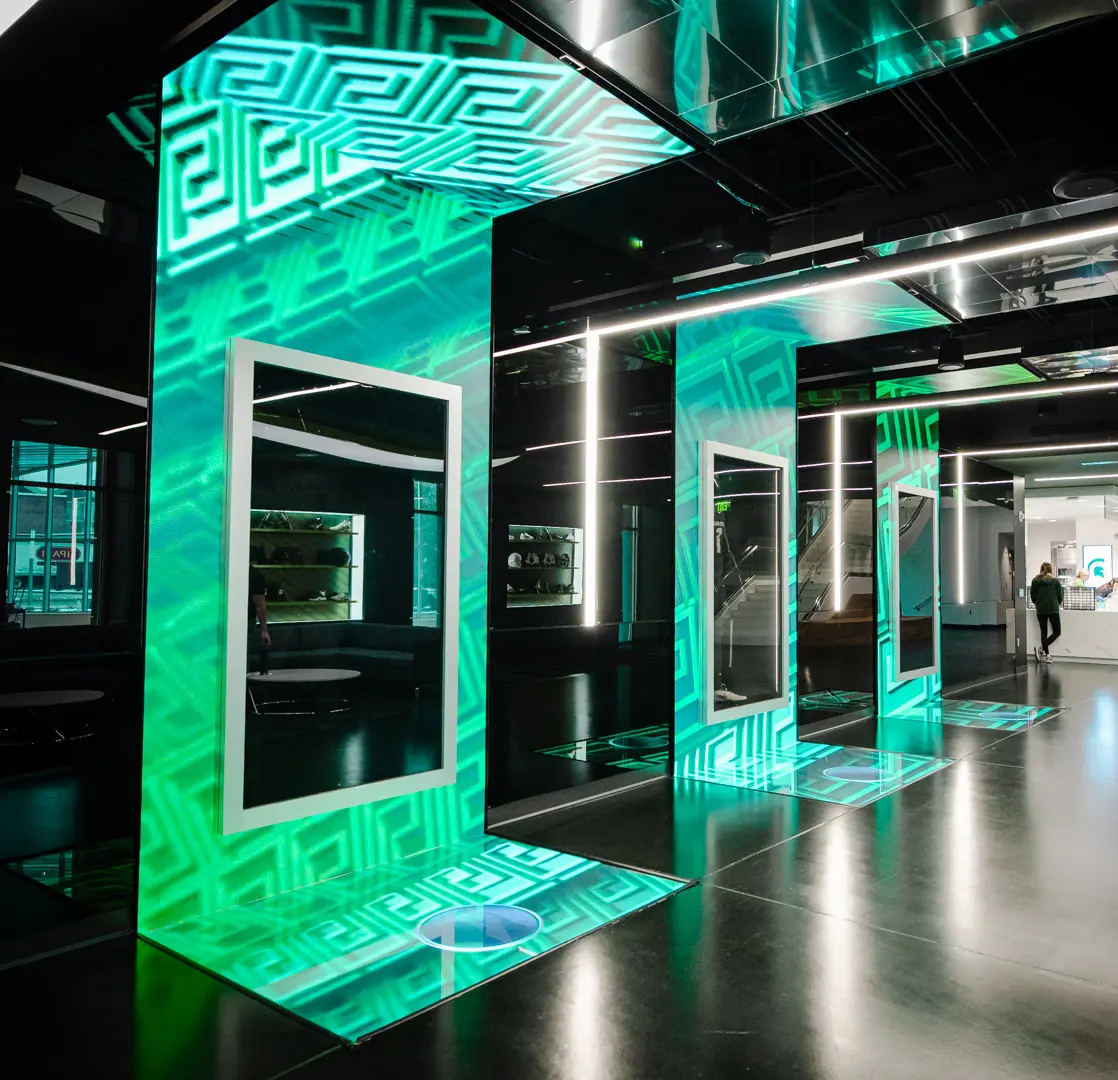
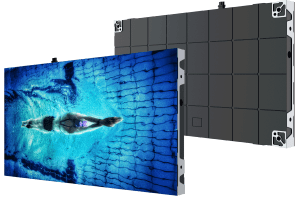
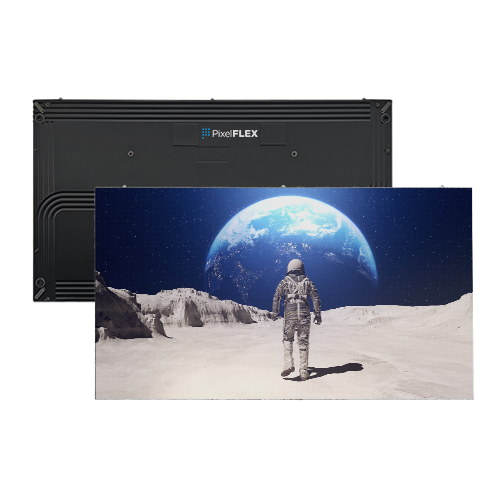
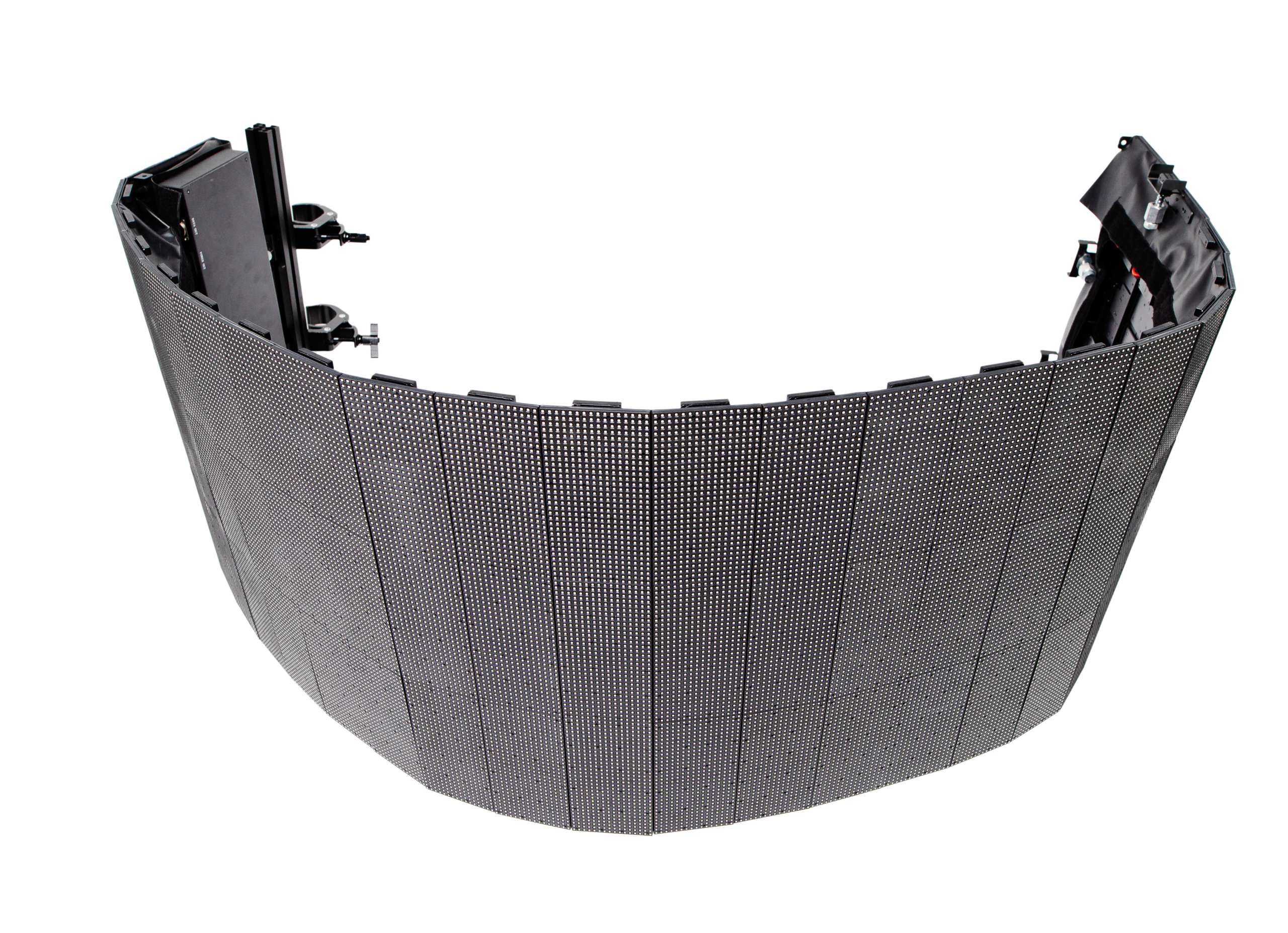
Digital signs come in various formats, each tailored to specific business needs. When selecting the right type, consider the visual impact. LED signs can grab attention quickly. They are bright and dynamic. Meanwhile, digital displays offer flexibility. You can change messages swiftly, adapting to customer preferences.
Choosing the right format requires careful thought. Digital billboards work well for outdoor advertising. They can showcase promotions or events. However, they might not suit small businesses or indoor settings. Consider your space and audience. Video walls create an engaging atmosphere but need substantial investment. Assess your budget and goals before proceeding.
When pondering your options, reflect on potential limitations. Some signs may not fit your brand image. Compatibility with your current systems is crucial. Think about maintenance challenges as well. Regular updates may be required to keep content fresh. Also, ensure all content adheres to advertising regulations. This will help you avoid unnecessary issues.
Key Features to Look for in Digital Signage Solutions
When selecting digital signage solutions, several key features should guide your choice. High-resolution displays are essential. They ensure clarity and detail, capturing viewers’ attention effectively. Consider screens that can adapt to various lighting conditions. This flexibility is crucial for outdoor versus indoor settings. Additionally, touchscreen capabilities enhance interactivity, making signage more engaging for customers.
Cloud-based management systems are another important feature. They allow easy updates from anywhere, keeping content fresh and relevant. Integration with social media can extend your digital outreach, enabling real-time engagement. Look for systems that offer analytics too. Understanding viewer interaction can help refine your content strategy.
Durability should not be overlooked. Digital signs are investments that should withstand environmental elements without compromising functionality. Maintenance needs also play a role. Some systems require more upkeep than others. Assessing these factors will lead to smarter choices in digital signage, fostering better communication of your business’s message.
Digital Signage Solutions: Key Features Analysis
This chart displays the importance rating of key features to consider when selecting digital signage solutions for your business. The data suggests that screen resolution and user-friendliness are among the most critical factors.
Top Providers of Digital Signage: Comparing Options and Pricing
When choosing digital signage for your business, consider pricing and features carefully. A recent industry report shows that the digital signage market is projected to reach $31.71 billion by 2026. This growth indicates a rising trend in businesses embracing visual communication. Analyzing different providers can help in identifying the right fit for your unique needs.
Digital signage can include interactive displays, menu boards, and promotional screens. Prices may vary significantly based on hardware and software capability. For instance, entry-level solutions can start at around $1,500, while high-end systems can exceed $10,000. However, many businesses overlook total cost, including installation and maintenance. Some providers might offer attractive initial pricing but have hidden fees that accumulate over time.
It is essential to assess how each system integrates with existing infrastructure. Flexibility in content management is crucial, as businesses often require quick updates. Many companies struggle to find a balance between functionality and usability. There tends to be a learning curve with more advanced systems. A solid choice will not only meet current needs but also allow room for growth.
Discover the Best Digital Signs for Your Business Needs
| Provider |
Display Type |
Screen Size |
Resolution |
Pricing (Approx.) |
Features |
| Provider A |
LED |
55 inches |
1920 x 1080 |
$1,200 |
Touchscreen, Wi-Fi enabled |
| Provider B |
LCD |
75 inches |
3840 x 2160 |
$2,500 |
High brightness, Anti-glare |
| Provider C |
OLED |
65 inches |
3840 x 2160 |
$3,000 |
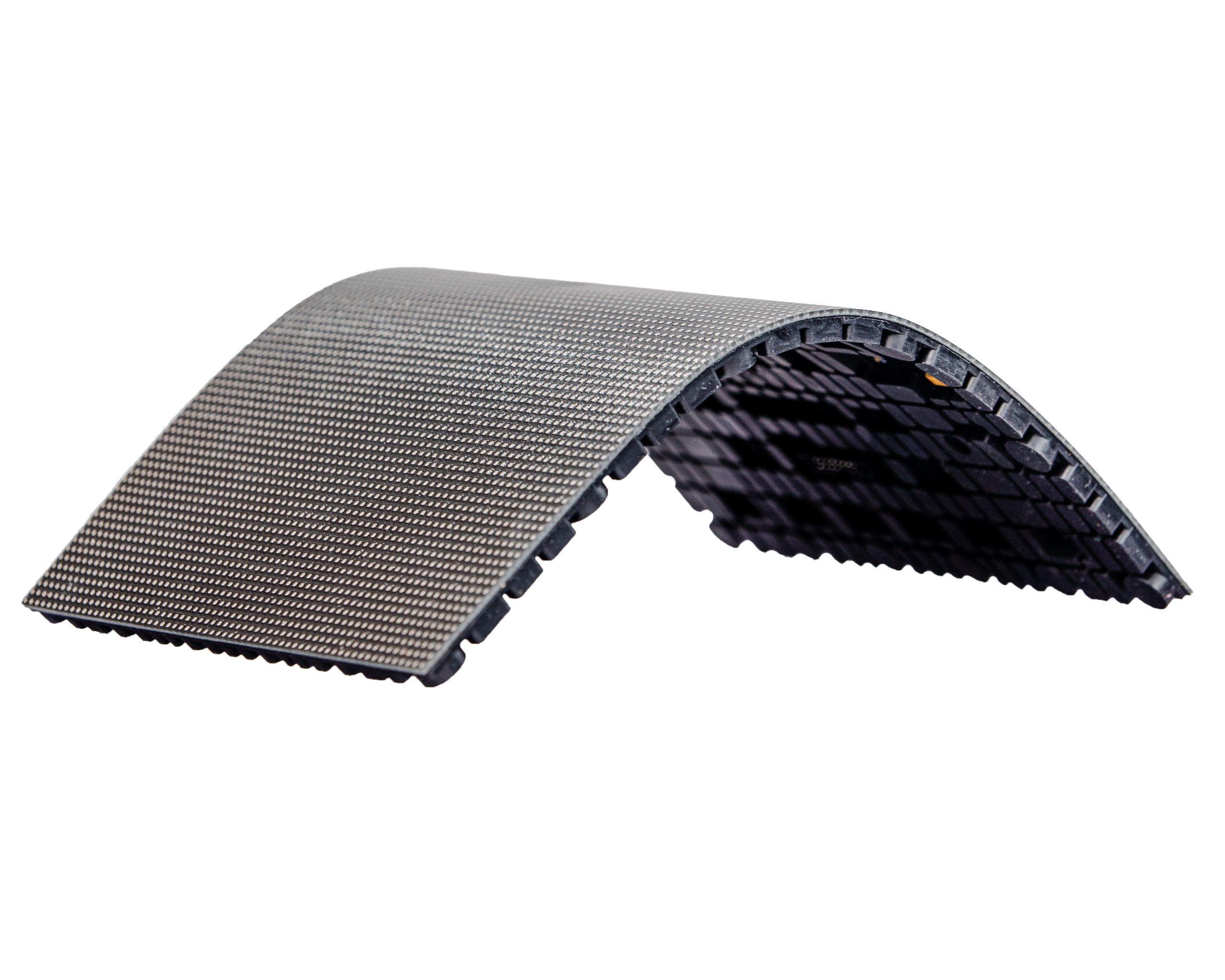
Ultra-thin, Flexible design |
| Provider D |
LCD |
32 inches |
1920 x 1080 |
$800 |
Compact size, Remote management |
| Provider E |
LED |
50 inches |
1920 x 1080 |
$950 |
Outdoor use, Weather resistant |
Best Practices for Implementing Digital Signs in Your Business
When implementing digital signs in your business, clarity is essential. Choose a design that truly represents your brand. Use high-contrast colors to ensure readability. Keep text short and impactful. For example, a captivating message can attract attention quickly. Remember, customers often make decisions at a glance.
Another important practice is to consider the location of your digital signs. Position them where they are easily visible. Avoid placing them in cluttered areas that distract from the message. Regular updates on content are also crucial. Stale information can lead to disengagement. Aim to refresh your displays weekly, if not more frequently.
Engaging with your audience is key. Use analytics tools to monitor interactions with your digital signs. This insight can reveal which messages resonate. Experiment with different formats, such as videos or animations. Not every method may work perfectly the first time. Reflection on what engages your customers will drive improvement over time.


 House of Worship
 Transportation
 Trade shows led display
 retail
 Creative Led Solutions
 Hospitality
 Higher Education
 Corporate LED