What is the Best LED Screens for Churches and How to Choose Them
Choosing the right LED screens for churches can be a challenging task. Many factors come into play. The needs of the congregation, the size of the space, and the type of events held all matter. The right screens enhance the worship experience and engage the audience more effectively.
When selecting LED screens for churches, consider resolution and brightness. Higher resolution enhances clarity, especially for lyrics and video presentations. Brightness is crucial for visibility in varying lighting conditions. However, it's also important to think about cost and budget constraints. You may want the latest technology, but it must align with your financial plan.
Lastly, don't overlook the importance of setup and maintenance. A high-quality screen requires proper installation and occasional upkeep. If not managed well, even the best screens can fall short in performance. Reflect on your unique needs, and ensure you choose screens that truly fit your church's vision and mission.
Understanding the Importance of LED Screens in Churches
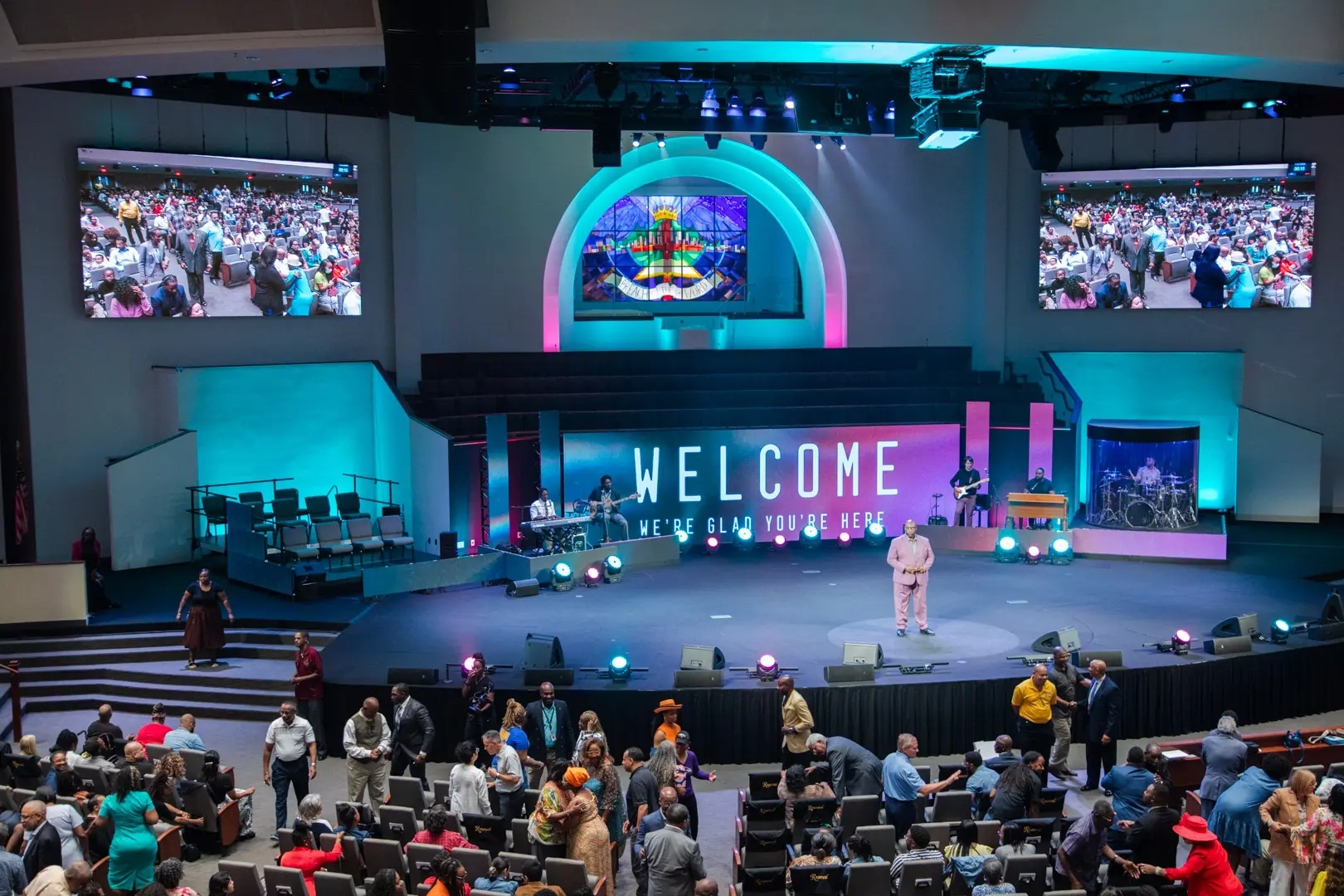
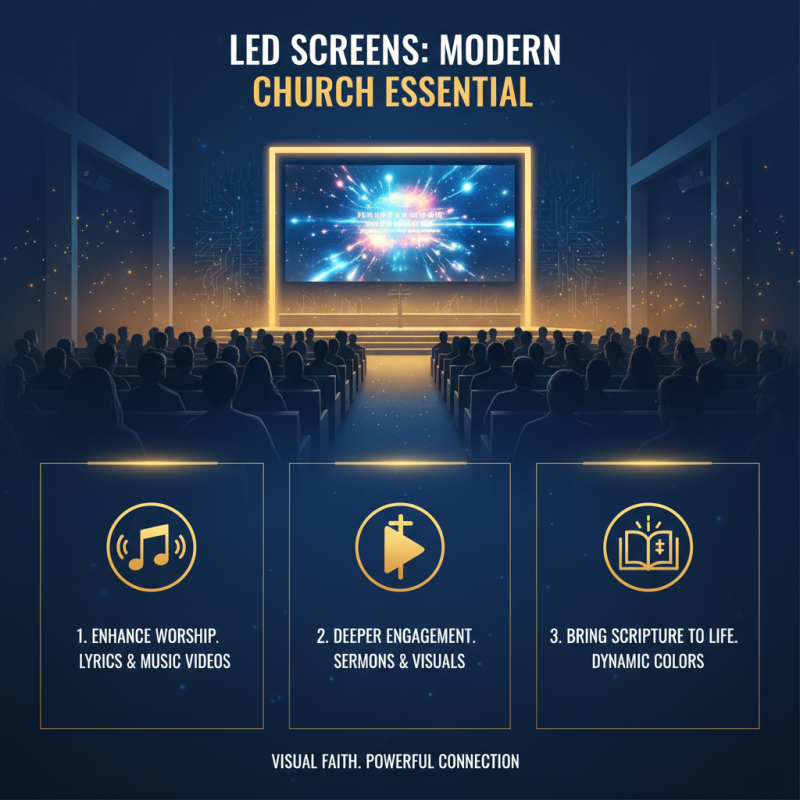
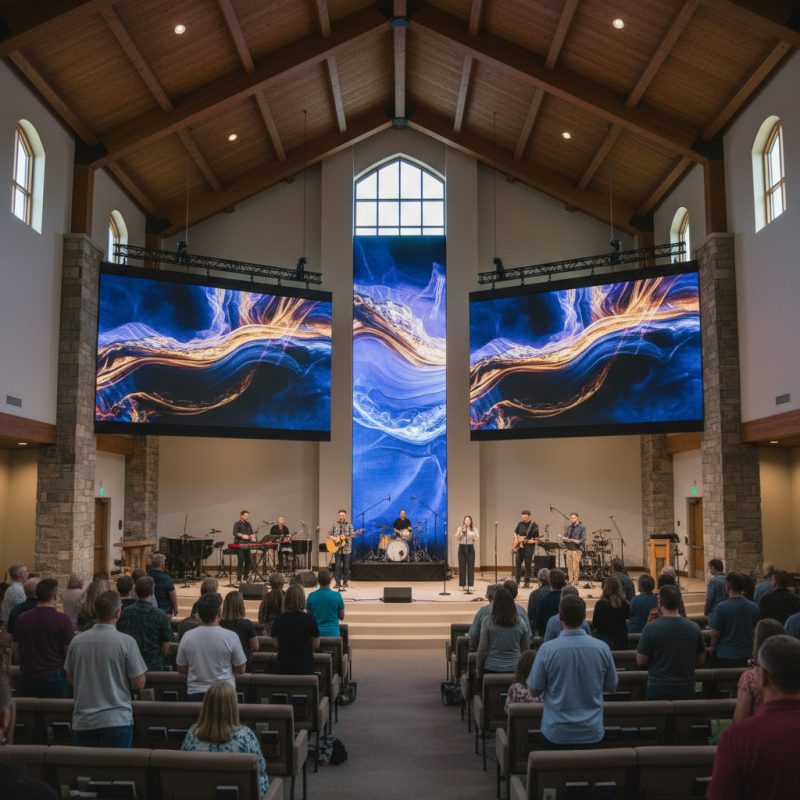
LED screens have become essential in modern churches. They enhance worship experiences by displaying lyrics, videos, and sermon notes. This dynamic visual component allows congregations to engage more deeply. A well-placed screen captures attention. It brings scripture to life in vibrant colors.
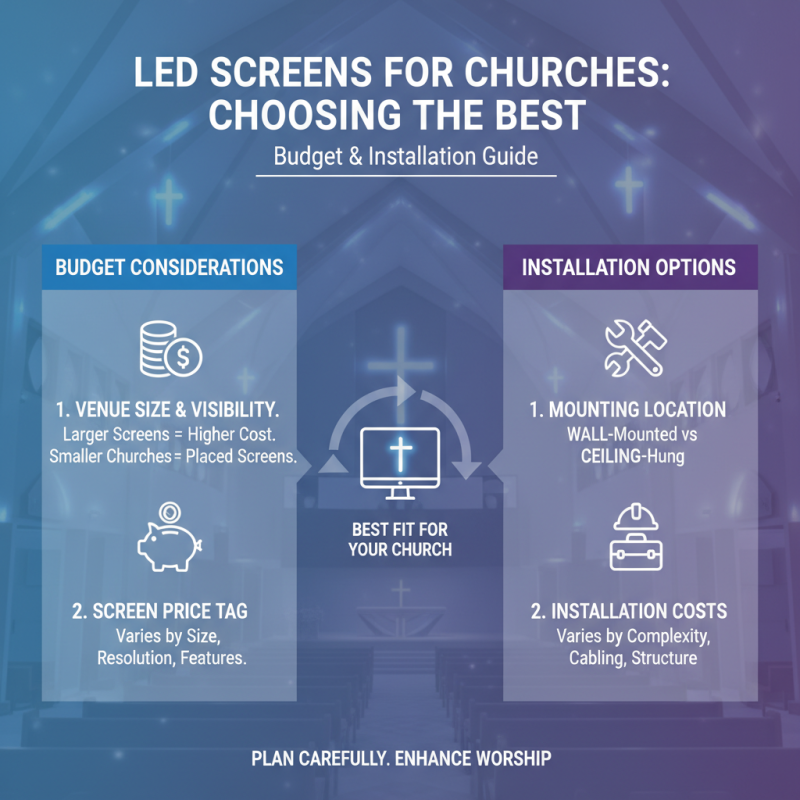
Yet, choosing the right LED screen isn't always straightforward. Factors like size, resolution, and placement matter. A large screen might seem appealing but can overwhelm a small space. The layout of your church influences screen selection. Take time to consider viewing angles and lighting conditions.
Some churches face budget constraints. High-quality screens can be an investment, but they often pay off. Balancing quality and cost is crucial. It's okay to take a step back and reassess priorities. Sometimes the simplest solution can be the most effective one.
Key Features to Consider When Choosing LED Screens for Worship
When selecting LED screens for worship, several key features are crucial. Brightness is one essential element. According to industry reports, a minimum of 2,500 nits is recommended for outdoor visibility. This ensures that the content is clear, even in bright sunlight. Indoor screens typically require lower brightness, around 1,000 nits. Additionally, resolution matters. A higher pixel density provides clearer images. Aim for at least 1080p resolution for an engaging experience.
Another significant aspect is the screen size. The distance between the screen and the congregation impacts the size needed. For example, if viewers sit 100 feet away, a screen should be at least 10 feet wide. This can enhance engagement during services. Viewing angles are also vital. Select screens that maintain clarity from various angles. This prevents viewers on the sides from missing important visuals.
Tips: Consider the installation area. Will the screen be indoors or outdoors? Make this decision early. Also, evaluate whether you require modular screens for flexibility. Lastly, factor in connectivity options for easy access to media. Ensure your chosen screens can meet future tech needs, as technology rapidly evolves. Remember, not every screen fits every space or purpose. Conduct thorough research before making significant investments.
Popular Types of LED Screens Suitable for Church Environments
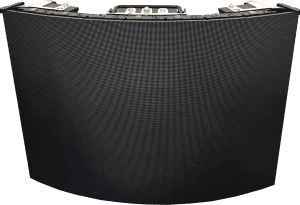
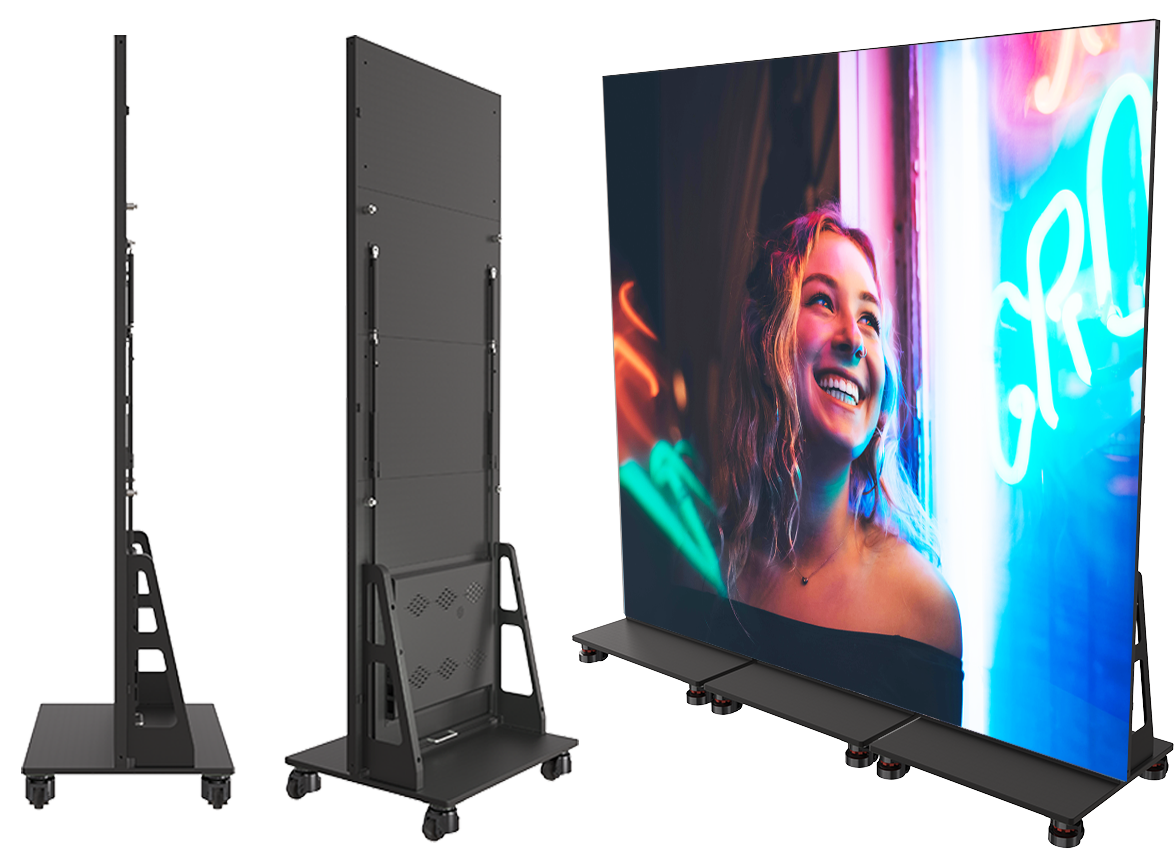
Choosing the right LED screens for churches involves considering several types. Each type caters to different needs and environments. One popular option is the indoor LED screen. These screens usually have high resolution, providing clear and vibrant images. They work well for presentations and lyrics during services. However, they are best suited for controlled lighting conditions.
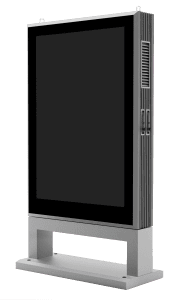
Outdoor LED screens are another option. They are designed to withstand weather elements. These screens are bright and visible even in sunlight. Many churches use them for outreach events or to display important messages. However, installation can be complex and costly, requiring careful planning.
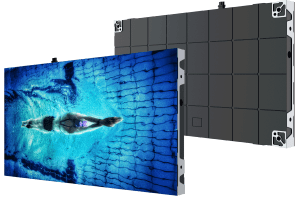
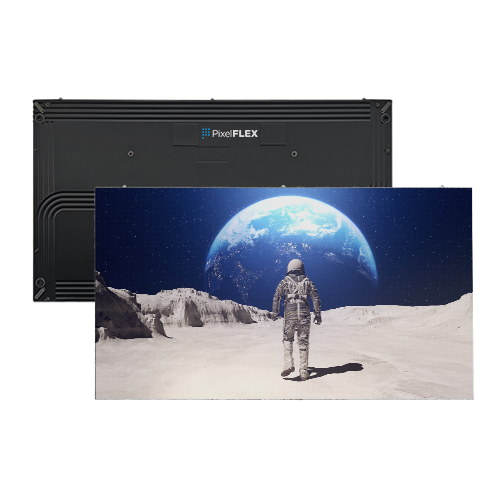
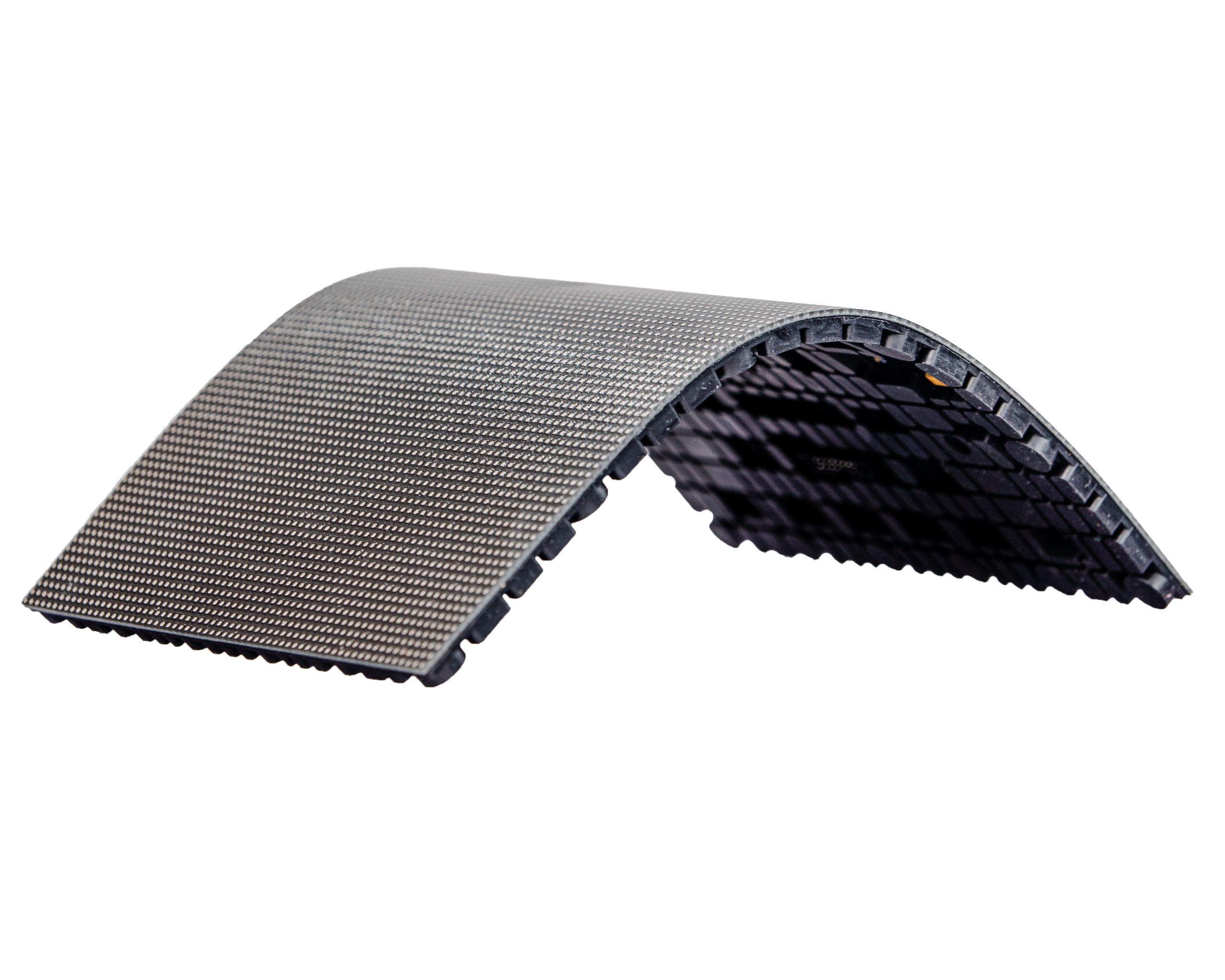
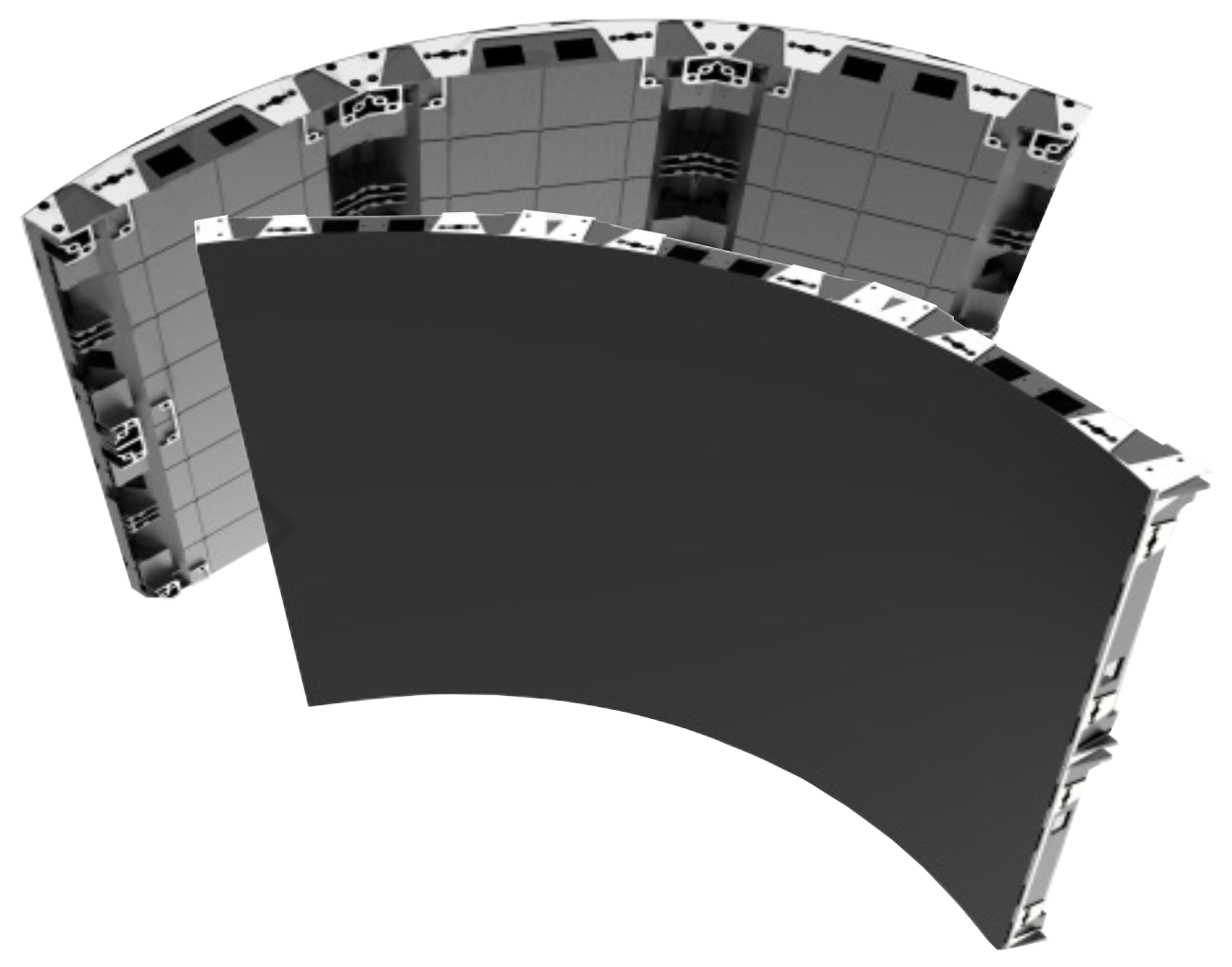
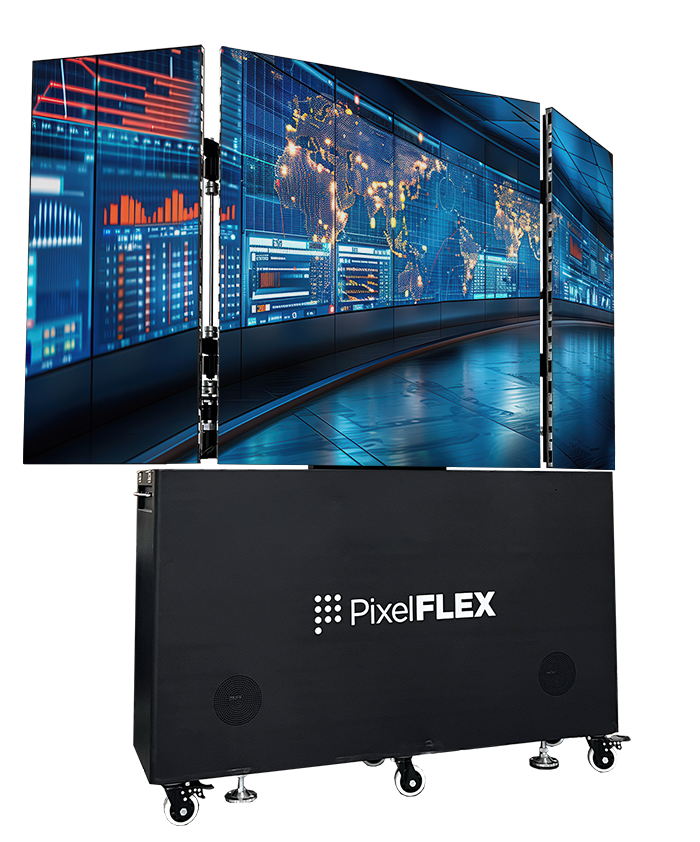
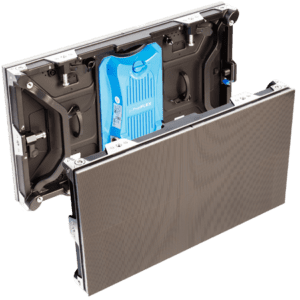
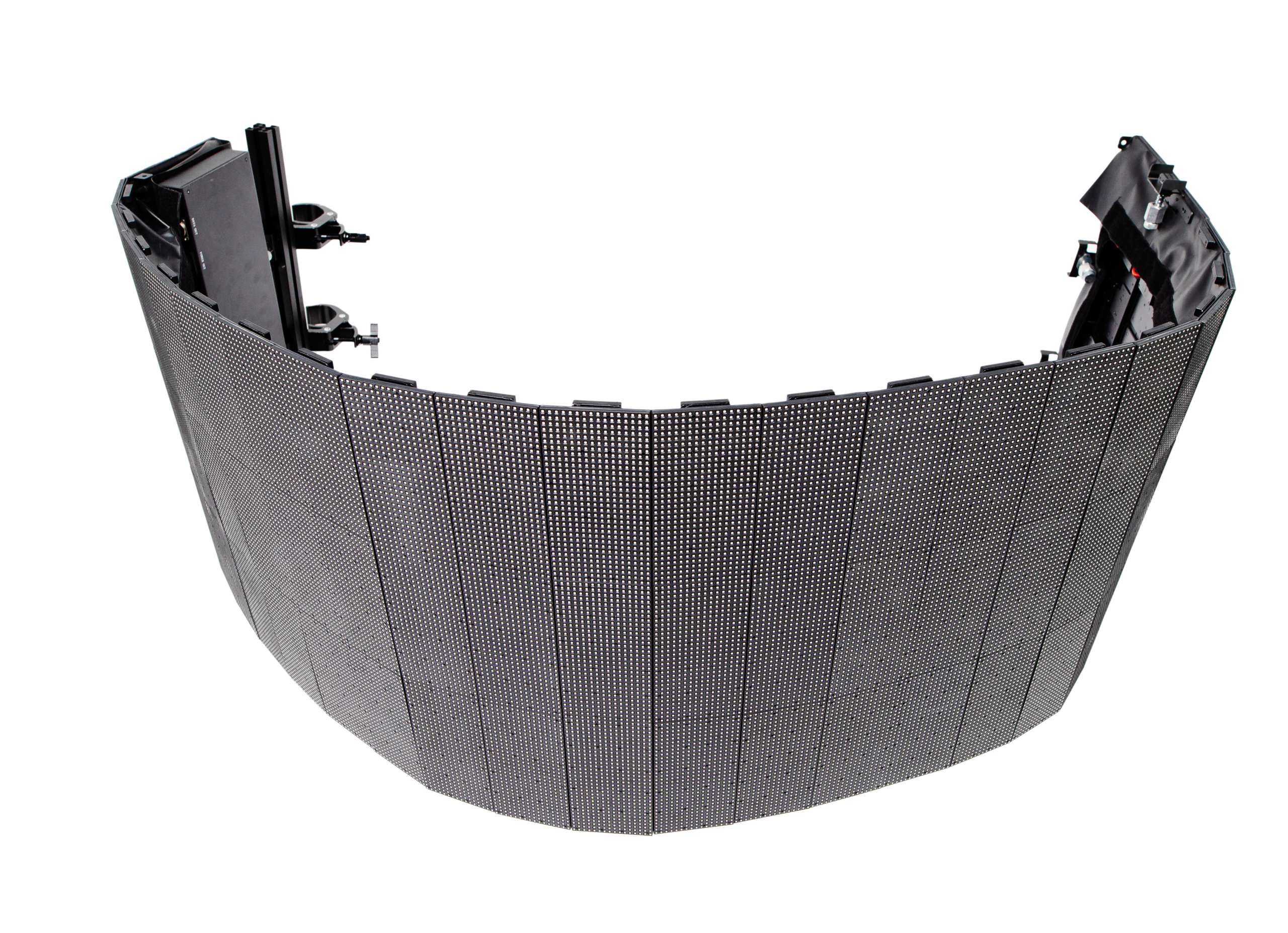
Another type to consider is modular LED screens. These screens allow for flexibility in size and layout. Churches can customize them according to their space. However, achieving the right aspect ratio can be challenging. The installation and maintenance of these screens may also require technical expertise. Balancing cost, quality, and functionality is essential for effective use in church environments.
What is the Best LED Screens for Churches and How to Choose Them - Popular Types of LED Screens Suitable for Church Environments
| Screen Type |
Resolution |
Brightness (nits) |
Ideal Use Case |
Average Cost |
| Indoor LED |
Full HD (1920x1080) |
800 - 1200 |
Worship Services |
$2,000 - $10,000 |
| Outdoor LED |
HD (1280x720) |
2500 - 5000 |
Outdoor Events |
$5,000 - $20,000 |
| Fine Pixel Pitch LED |
4K (3840x2160) |
1000 - 3000 |
High-Definition Displays |
$10,000 - $50,000 |
| Modular LED Panels |
Customizable |
1000 - 2000 |
Flexible Installations |
$3,000 - $15,000 |
Tips for Maintenance and Upgrading Church LED Screen Technology
Maintaining and upgrading LED screen technology in churches is crucial for enhancing worship experiences. According to a recent industry report, about 70% of churches use LED screens to support their services. Regular maintenance is essential. Dust and humidity can damage screens, leading to costly repairs. Cleaning schedules should be routine, and proper ventilation is often overlooked.
When upgrading, consider resolution and brightness. A 4K display improves clarity, especially in large spaces. Data shows that high-brightness screens perform better in natural light conditions, crucial for daytime services. However, budget constraints often limit options, causing churches to sacrifice quality for cost. This trade-off can lead to disappointing results.
Additionally, training staff on basic troubleshooting can help prevent service interruptions. Many churches lack this foundational knowledge, resulting in reliance on outside technicians during emergencies. Engagement suffers when screens go dark. Planning for future upgrades by incorporating flexible technologies ensures that churches can adapt without frequent overhauls. It's a balancing act between current needs and future growth.


 House of Worship
 Transportation
 Trade shows led display
 retail
 Creative Led Solutions
 Hospitality
 Higher Education
 Corporate LED