What Are the Best LED Wall Panels from China?

Choosing the best LED wall panels from China requires more than comparing prices and pixel pitches. Buyers must examine brightness, color consistency, cabinet design, service support, and long-term reliability. A panel may look impressive in a showroom, yet perform differently under sunlight, stage lighting, or continuous commercial use.

Dr. Shuji Nakamura, a Nobel Prize-winning LED pioneer, once said, “You have to keep trying.” That attitude fits today’s LED display industry. Chinese manufacturers continue refining SMD packaging, fine-pitch modules, waterproof protection, and energy management. However, innovation alone does not guarantee a dependable product. Factory testing, component traceability, calibration records, and warranty terms deserve equal attention.

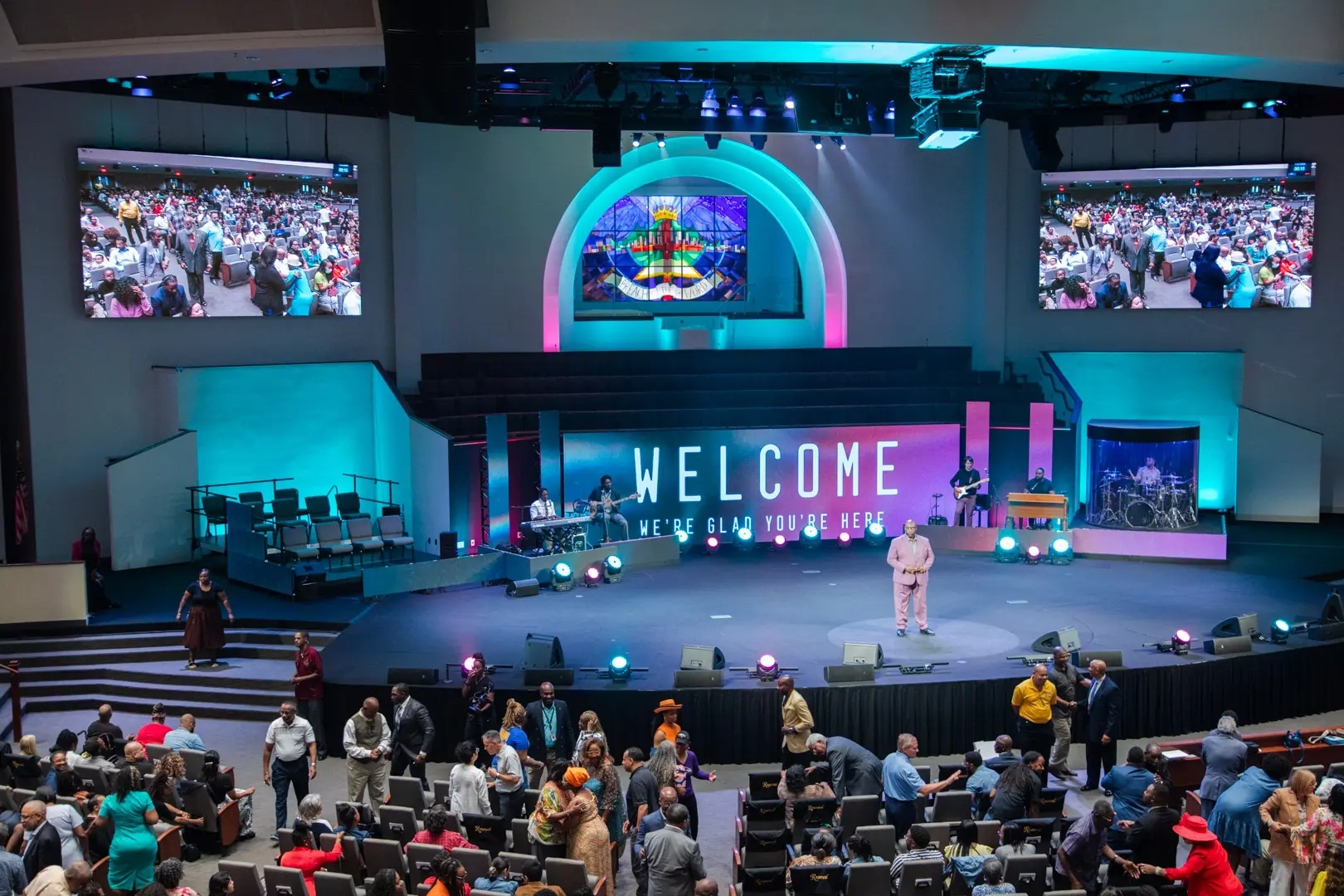
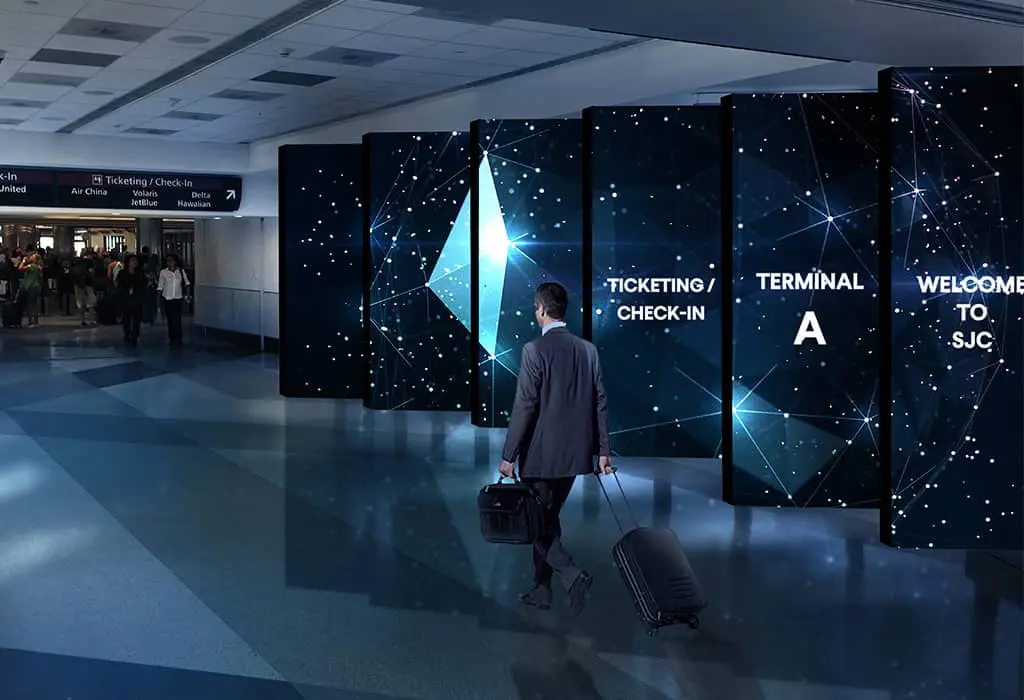
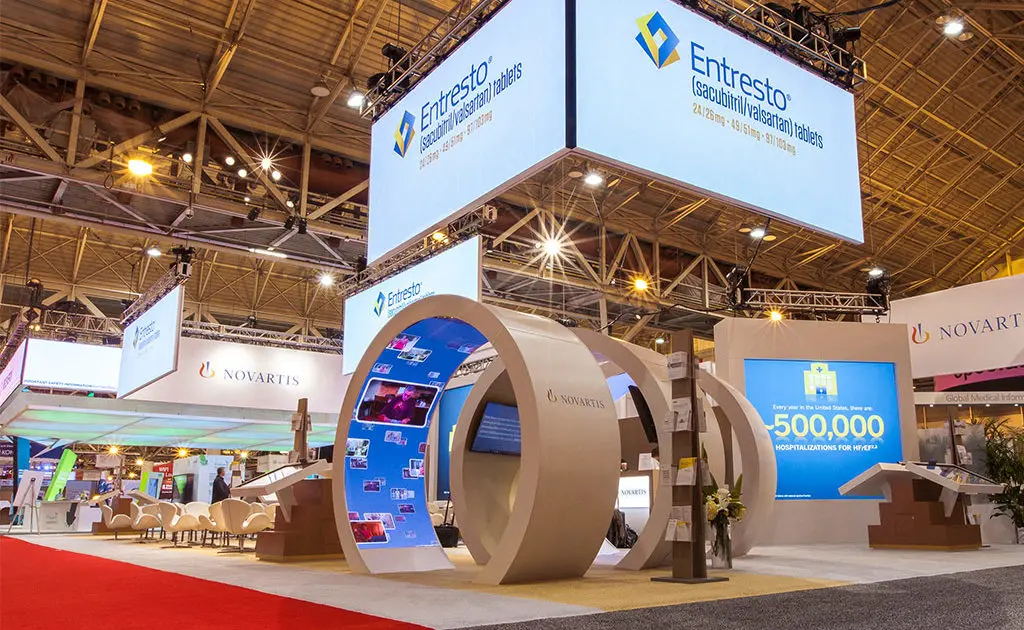
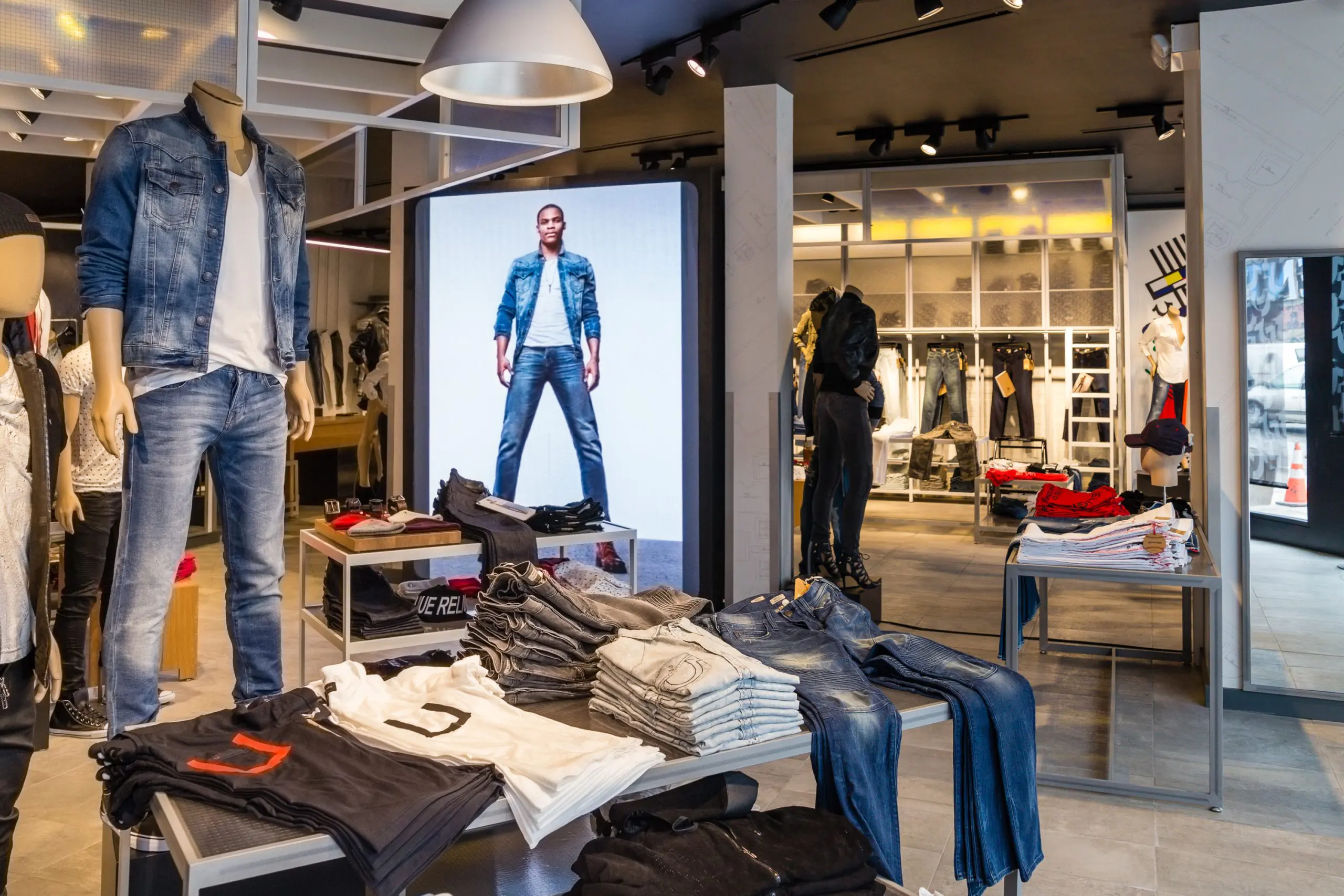
The right LED wall panels should match the installation, not merely the budget. Indoor meeting rooms may need fine pixel pitch and quiet operation. Outdoor advertising screens require stronger brightness, weather resistance, and effective heat control. Rental screens also need lightweight cabinets, fast-locking systems, and accessible spare parts. Ask for real project photos.

Do not trust impressive specifications alone. Request a sample cabinet, inspect the module seams, and test viewing angles. A serious supplier should explain brightness decay, refresh rate, gray-scale performance, and maintenance procedures clearly. Certifications matter, but they do not replace practical inspection.

My assessment may still miss differences between production batches. That is worth admitting. Supplier performance can change over time. Therefore, this guide evaluates Chinese LED wall panels through measurable specifications, factory experience, customer feedback, and after-sales responsiveness. The goal is simple: identify solutions that remain convincing after installation, not just during a sales presentation.
What Are the Best LED Wall Panels from China?

What Makes Chinese LED Wall Panels Stand Out?

Chinese LED wall panels stand out through flexible engineering and fast production. Many factories offer custom cabinet sizes, pixel pitches, and protection levels for different venues. A fine-pitch panel can support close viewing in a retail showroom. A higher-pitch model may suit a large outdoor event space.

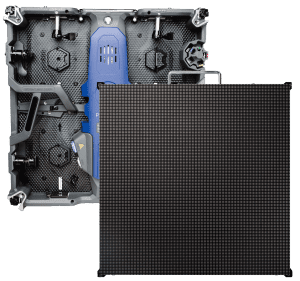
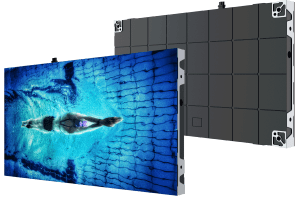
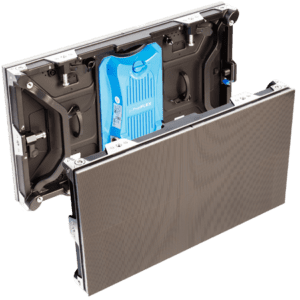
Manufacturers often combine modular cabinet design with careful calibration. This helps reduce brightness differences between neighboring panels. In practical installations, lightweight cabinets can shorten mounting time and reduce structural pressure. Magnetic modules also make front maintenance easier when a single component needs replacement. Small details matter.

Quality varies between suppliers.

Reliable production includes aging tests, color checks, and temperature testing before shipment. Buyers should request brightness data, refresh rate records, ingress protection reports, and warranty terms. They should also inspect spare-part availability and remote support procedures. These documents reveal more than attractive product photos.

Chinese suppliers can respond quickly to design changes and larger production orders. However, low prices should not decide the purchase alone. Some panels look excellent in a showroom but perform poorly under heat or continuous operation. Even experienced buyers can overlook cable quality, power consistency, or installation training. A careful sample test remains necessary, especially for long-term commercial use.

Which Types of LED Wall Panels Are Available from China?

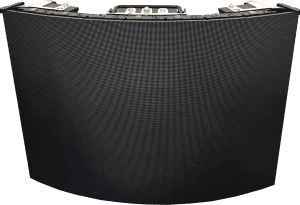
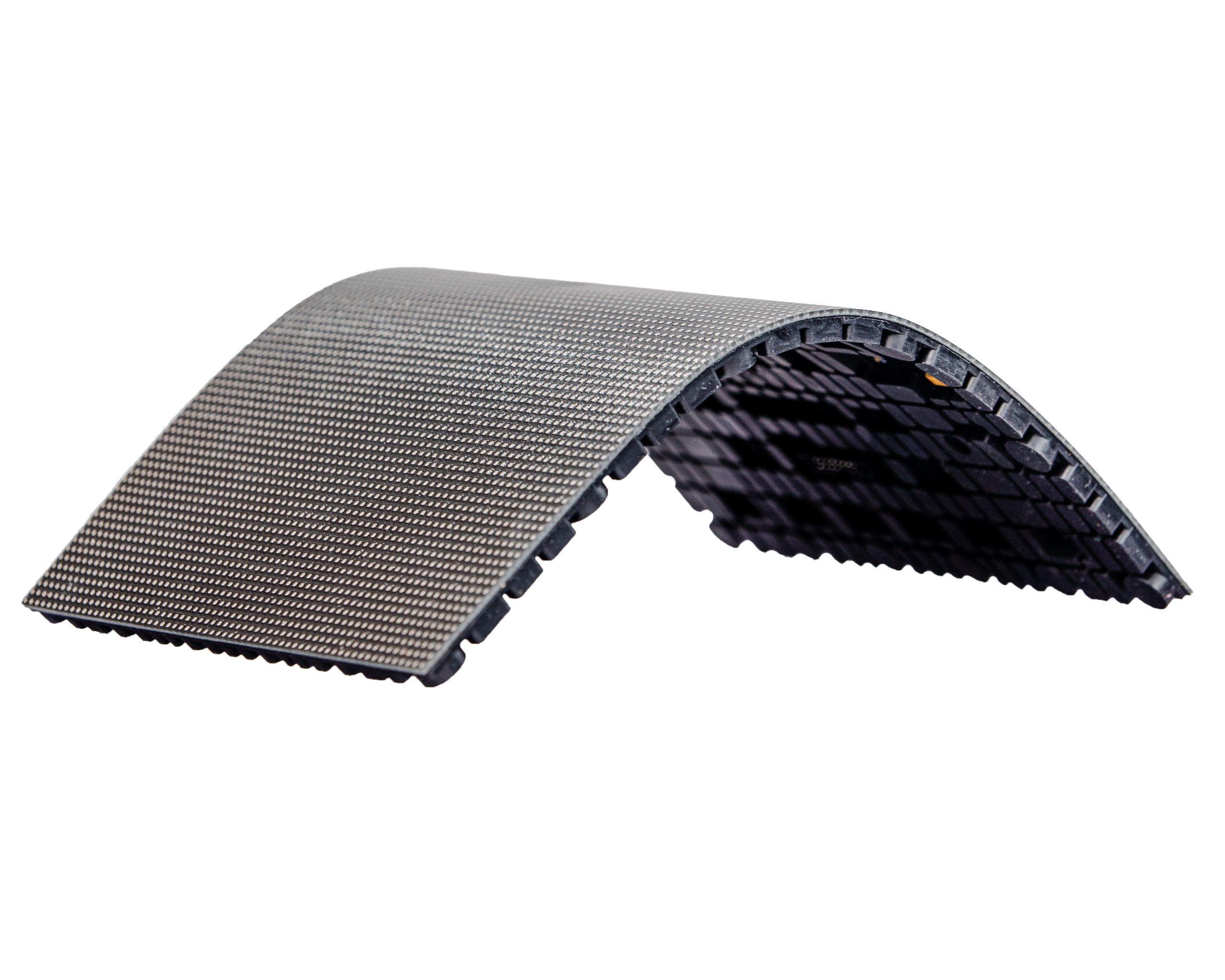
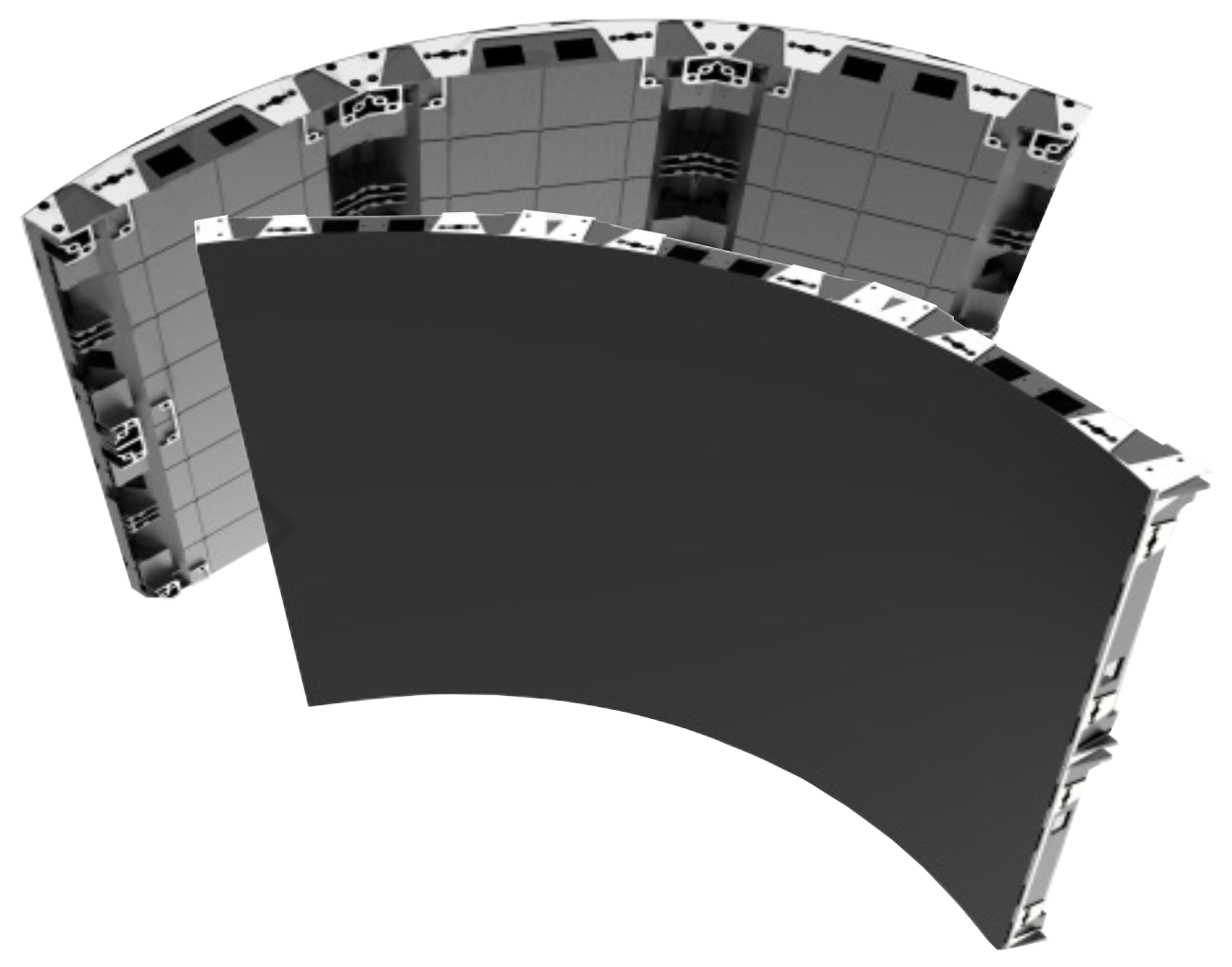
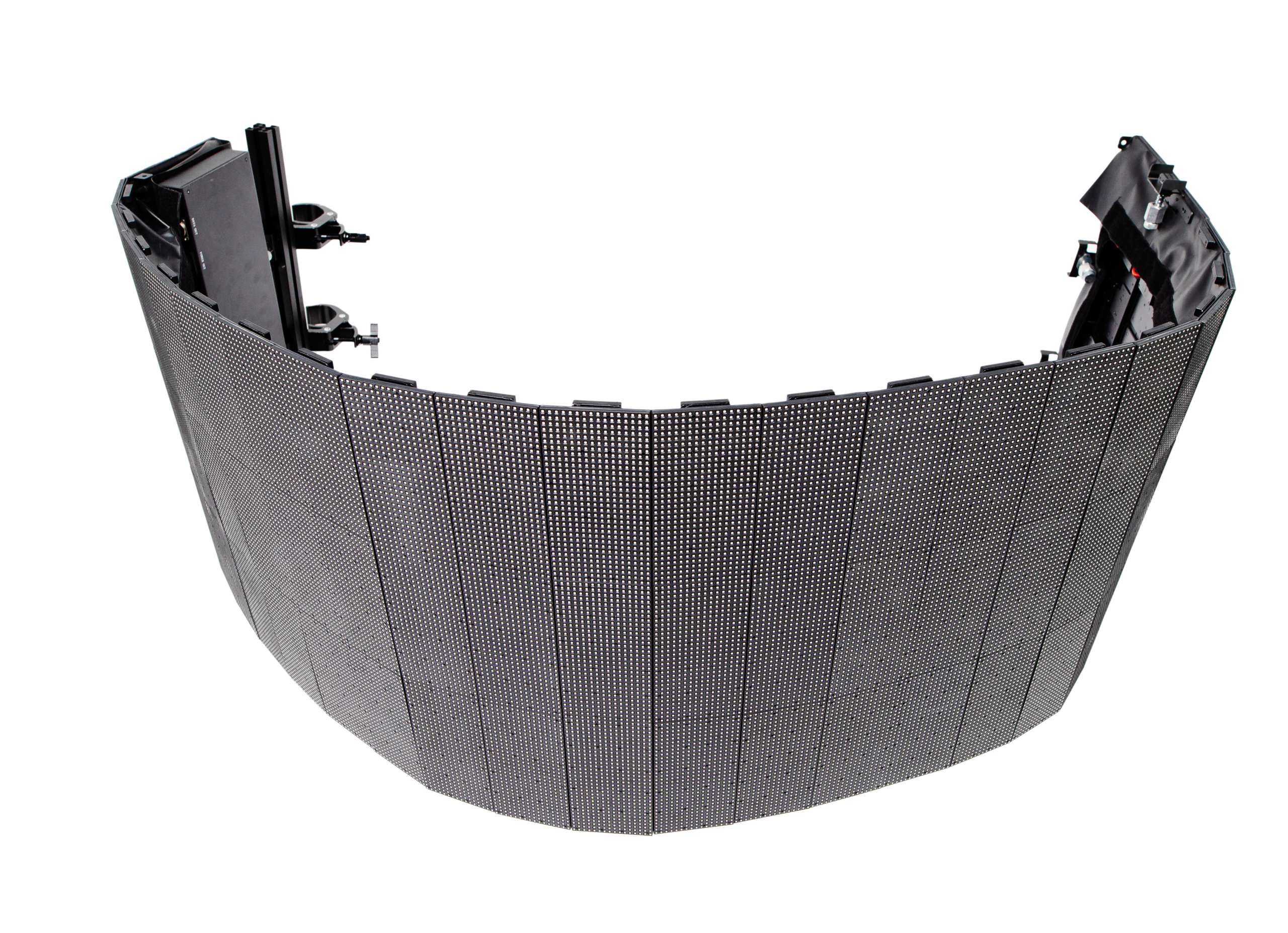
China supplies several LED wall panel types for different spaces and budgets. Indoor fine-pitch panels, commonly from P0.9 to P2.5, suit control rooms, studios, and premium retail. Outdoor SMD panels use higher brightness and weather protection for facades and stadiums. COB panels provide a smoother surface and better resistance to impact. Transparent panels preserve window visibility, while flexible panels fit curved columns and unusual structures. Rental panels add lighter frames and fast-locking systems for events.

Grand View Research estimated the global LED display market at more than USD 7 billion in 2023, with continued growth forecast through 2030. This expansion supports wider Chinese production of fine-pitch, COB, transparent, and rental designs. Yet product names can hide important differences. A lower pixel pitch does not automatically create a better image. Viewing distance, refresh rate, grayscale performance, and maintenance access matter more in real installations. In my view, buyers often overvalue brightness and underestimate heat management. That mistake can increase energy use and shorten component life.

Tips: Match pixel pitch to viewing distance, not personal preference. Request brightness tests, gray-scale videos, cabinet drawings, and IP-rating evidence. For outdoor projects, check heat dissipation and drainage details. For indoor screens, inspect close-up uniformity. Ask for a spare-module plan and written warranty terms. I would also test one sample cabinet before ordering large quantities. A sample may reveal color shifts that technical sheets miss.

How to Compare Pixel Pitch, Brightness, and Viewing Distance

What Are the Best LED Wall Panels from China?

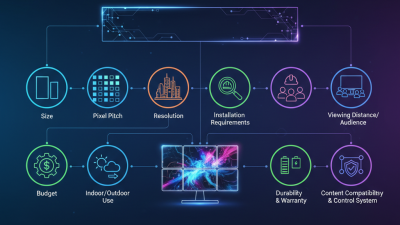
Pixel pitch should match the audience, not merely the budget. A 1.5 mm panel can show sharp text in a conference room, while a 3.9 mm panel may suit a large stage viewed from several meters away. A useful guide is one meter of viewing distance per millimeter of pitch. This rule is imperfect. Content, eyesight, and camera distance can change the result.

Brightness also needs careful comparison. Indoor walls commonly perform well around 800 to 1,200 nits. Bright outdoor displays may require 5,000 nits or more, especially under direct sunlight. Excessive brightness can cause glare and waste energy. Ask for measured values, not impressive claims. Check whether brightness remains consistent across the entire cabinet.

Viewing distance connects these choices. Stand at the planned audience position and inspect small lettering, skin tones, and moving images. Do not judge from a close showroom view. That can mislead you. Request a powered sample and review it at several distances. Check refresh rate, grayscale performance, ventilation, and module alignment as well. Reliable suppliers should provide test records, clear warranty terms, and replacement procedures. Independent inspection before shipment adds confidence, although it cannot replace careful installation and calibration.

What Are the Best LED Wall Panels from China? - How to Compare Pixel Pitch, Brightness, and Viewing Distance

LED Panel Category Typical Pixel Pitch Typical Brightness Recommended Minimum Viewing Distance Comfortable Viewing Range Best Application Key Selection Considerations
Fine-Pitch Indoor LED P0.9–P1.2 600–1,000 nits About 1–1.5 m 2–12 m Control rooms, premium meeting rooms, broadcast studios Choose a small pixel pitch for close viewing, high refresh rate for cameras, and low-gray-scale uniformity for detailed images.
Standard Indoor LED P1.5–P1.9 800–1,200 nits About 1.5–2 m 3–18 m Retail stores, corporate lobbies, classrooms, conference venues A practical balance between image sharpness, cabinet cost, power consumption, and viewing distance.
Large-Format Indoor LED P2.5 800–1,500 nits About 2.5–3 m 5–25 m Shopping centers, auditoriums, stage backdrops, event halls Suitable when viewers are several meters away; verify viewing angles, cabinet flatness, and service access.
Outdoor Fixed-Installation LED P3.9–P5 4,500–6,500 nits About 4–5 m 10–50 m Building facades, outdoor advertising, transport areas Prioritize weather protection, thermal management, automatic brightness control, and suitable wind-load engineering.
Outdoor Rental LED P2.9–P4.8 4,500–5,500 nits About 3–5 m 8–45 m Concerts, festivals, sports events, temporary outdoor installations Look for lightweight cabinets, fast locks, corner protection, front and rear maintenance, and strong structural certification.
Transparent or Creative LED P3.9–P10 3,000–6,000 nits About 4–10 m 10–60 m Glass facades, retail windows, architectural displays Compare transparency, contrast in daylight, viewing angle, weight, installation method, and image uniformity.
How to Compare LED Wall Panels: Pixel pitch generally determines image detail and minimum viewing distance. Brightness should match the ambient light: indoor displays commonly use about 600–1,500 nits, while outdoor displays typically require about 4,500–6,500 nits. Actual performance can vary according to LED package, calibration, cabinet design, installation height, content, and ambient conditions.

What Features and Certifications Should Buyers Check?

What Are the Best LED Wall Panels from China?

The best LED wall panels are not chosen by brightness alone. Buyers should inspect pixel pitch, cabinet flatness, viewing distance, and color consistency. A fine-pitch panel may look sharp in a control room, but it can cost more and require careful calibration.

For outdoor use, check the IP rating, UV-resistant coating, drainage design, and operating temperature range. Front maintenance is valuable when panels are installed against a wall. Magnetic modules also shorten replacement time, though their holders must remain secure after repeated servicing.

Certification details deserve close attention.

Check whether the product carries CE, RoHS, EMC, FCC, UL, ETL, or CB documentation for your target market. Requirements vary by country. Do not accept a certificate image without its model number, issuing laboratory, test date, and scope.

ISO 9001 can indicate a controlled manufacturing process, but it does not certify the LED display itself. Ask for electrical safety reports, aging-test records, brightness data, and a clear warranty. A real factory should explain these documents without hesitation.

Tips:

Request a sample cabinet before placing a large order. Run it for several hours and inspect flicker, fan noise, gray-scale performance, and cabinet seams. Record brightness at different settings.

Also test spare modules and power supplies. Some buyers focus heavily on certification and overlook service access, which can become an expensive mistake.

I would also question unusually perfect specifications; field performance is rarely that tidy.

How to Select a Reliable Chinese LED Panel Manufacturer?

Choosing a reliable Chinese LED panel manufacturer requires more than comparing online prices. A polished showroom can mislead. Request a live factory video, production photos, and a recent project list with client references. Check whether the manufacturer controls key processes, including PCB assembly, module testing, cabinet assembly, and final calibration. Ask for measured brightness, refresh rate, color consistency, power consumption, and operating temperature. These figures should come from test records, not only a sales quotation.

Tips: Order sample panels before signing a large contract. Test them for at least 72 hours. Inspect dead pixels, cabinet gaps, receiving cards, connectors, and fan noise. Request certificates and test reports, such as EMC, safety, and environmental compliance documents. Verify their issuing laboratories independently. Also confirm the warranty period, spare-parts policy, response time, and installation support in writing. Small details become expensive later.

A dependable manufacturer explains technical limits clearly. For outdoor panels, discuss water protection, corrosion resistance, drainage, wind loading, and service access. For indoor walls, examine viewing distance, scan mode, grayscale performance, and heat management. Ask how calibration data is stored and whether replacement modules can match the original display.

The cheapest proposal may omit control systems, spare modules, packaging, or local commissioning. I have seen projects focus heavily on unit price and regret it later. That mistake is easy to repeat. A careful supplier welcomes independent inspection and accepts reasonable testing before shipment.

Need Help?
X

Ready to Talk?

Our team is ready to connect.