How to Choose the Best Video Wall Panels for Your Next Project
In recent years, the demand for video wall panels has surged remarkably, reflecting a growing trend in various sectors including retail, entertainment, and corporate environments. According to industry reports, the global video wall market is projected to reach approximately $15 billion by 2026, with a compound annual growth rate (CAGR) of around 14.5% from 2021 to 2026. This staggering growth underscores the increasing importance of dynamic visual displays in enhancing customer engagement and driving business outcomes.
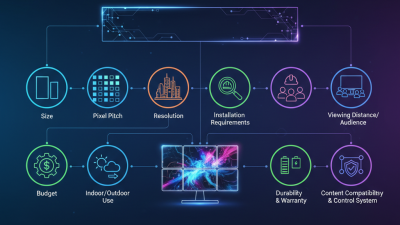
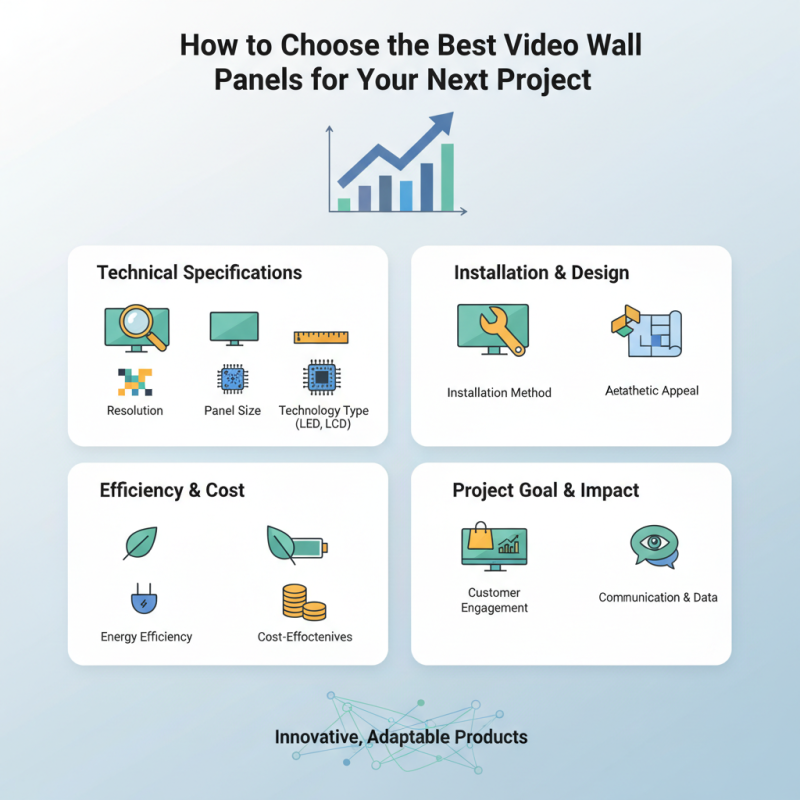
Selecting the appropriate video wall panels for your project is crucial, as the right choice can significantly impact the overall effectiveness and aesthetic appeal of your display. Factors such as resolution, panel size, technology types (LED, LCD, etc.), and installation methods play a vital role in ensuring optimal performance. Furthermore, businesses are now prioritizing energy efficiency and cost-effectiveness in their choices, leading to an influx of innovative, adaptable products in the market.
With a plethora of options available, understanding the intricacies of video wall panels becomes essential for project managers and decision-makers. Whether the goal is to create a captivating advertising space or facilitate effective communication in a corporate setting, careful consideration of the specific technical requirements and desired visual impact will guide you in choosing the best video wall panels for your next project.
Understanding Video Wall Panels: Types and Features
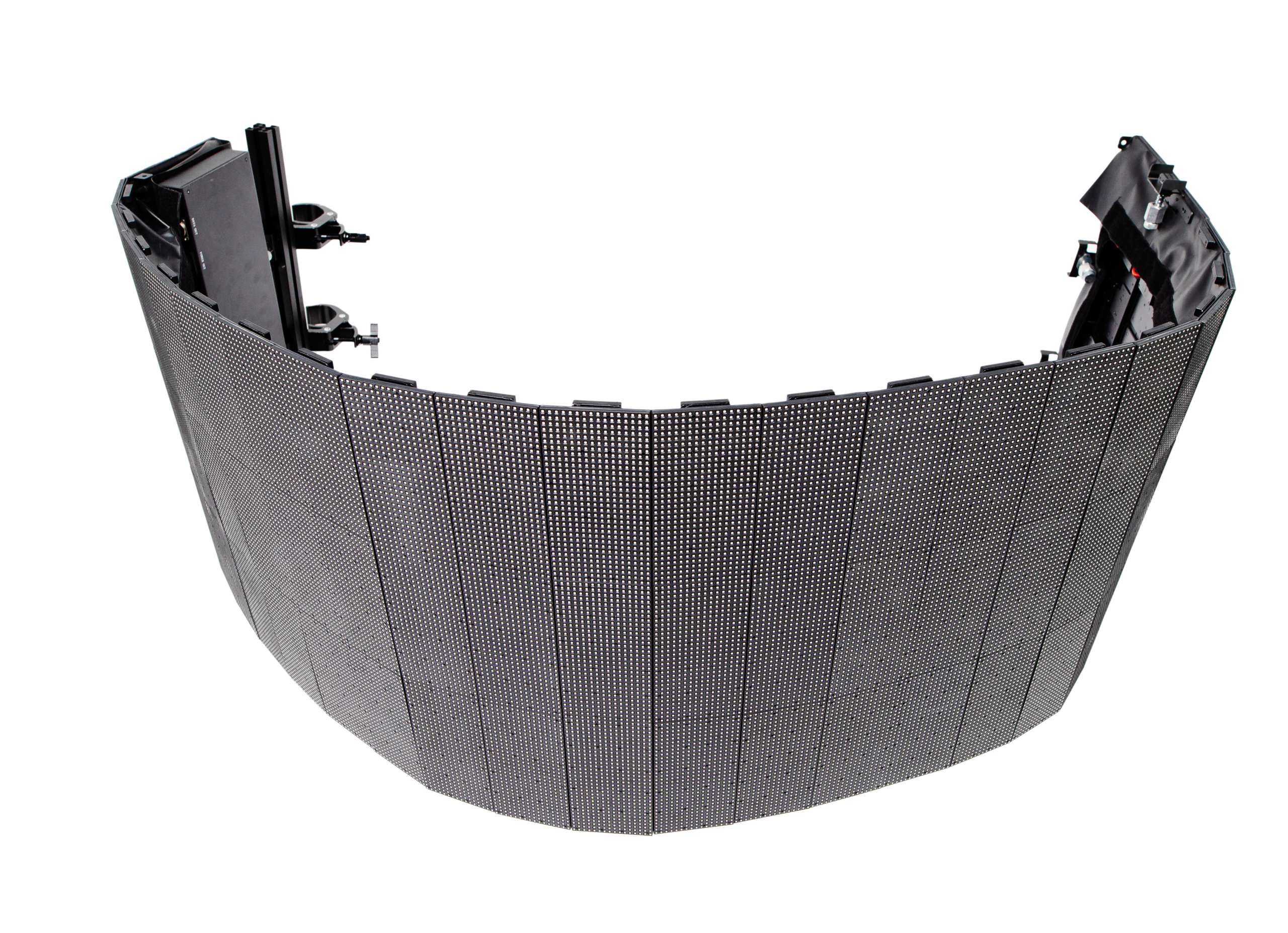
Video wall panels have become an essential element for many industries, including retail, education, and entertainment, as they provide a versatile solution for creating eye-catching displays. When understanding video wall panels, it’s crucial to recognize the different types available. LED panels, for instance, are the most popular choice due to their brightness and energy efficiency, making them ideal for well-lit environments.
According to a report by MarketsandMarkets, the global LED market is expected to reach USD 100 billion by 2025, showcasing the growing demand for efficient display technologies.
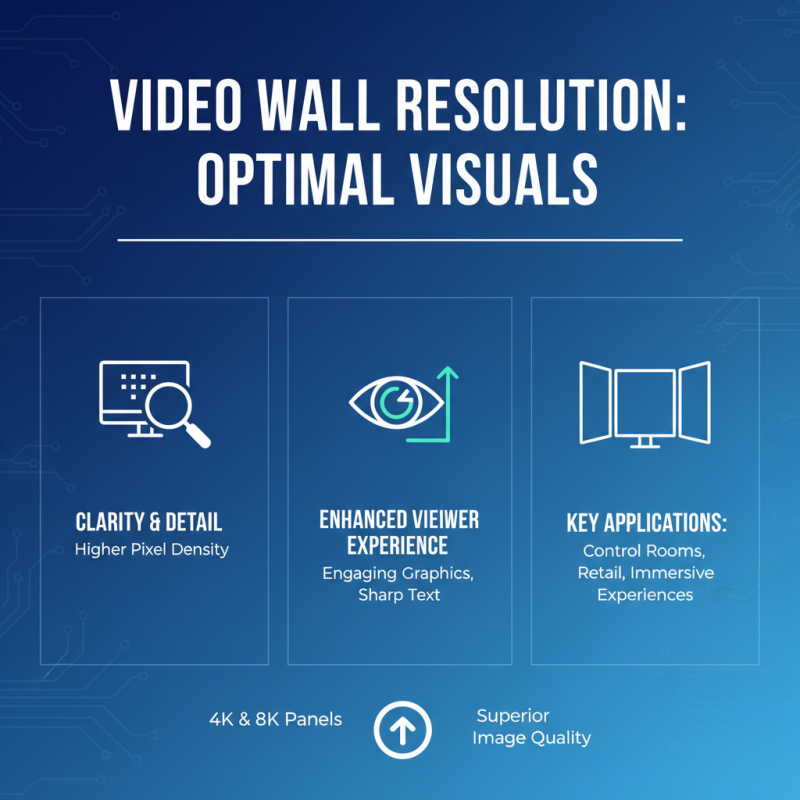
Another important aspect to consider is the features of video wall panels. Resolution and size play a pivotal role in the effectiveness of the display. High-resolution panels, such as 4K and 8K displays, offer superior image quality, which is critical for applications needing detailed visuals, such as control rooms or digital signage.
Furthermore, seamless design technology reduces the bezels between panels, providing a more cohesive viewing experience. The same MarketsandMarkets report indicates that the demand for high-resolution displays is projected to grow significantly, suggesting that investing in higher-quality panels could future-proof your projects and enhance audience engagement.
Evaluating Display Resolution for Optimal Visual Quality
When selecting video wall panels for your next project, evaluating display resolution is paramount for achieving optimal visual quality. The resolution of a video wall determines the clarity and detail of the images presented, making it essential to choose panels that meet the demands of your content. Higher resolutions, such as 4K or even 8K, provide superior image clarity, allowing for intricate graphics and sharp text that can engage viewers more effectively. Especially in environments like control rooms, retail displays, or immersive experiences, investing in high-resolution panels can drastically enhance the viewer’s experience.
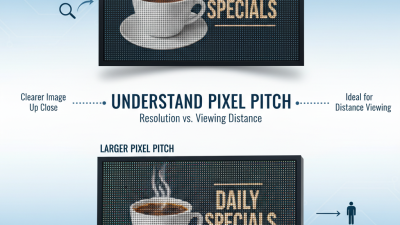
Furthermore, it’s crucial to consider the pixel pitch when assessing display resolution. Pixel pitch refers to the distance between the center of one pixel to the center of an adjacent pixel. A smaller pixel pitch results in a higher pixel density, which delivers crisper images, especially when viewed from close distances. This factor becomes particularly important for setups where viewers may be situated nearer to the display, as it minimizes visual artifacts and creates a seamless viewing experience. Thus, understanding the relationship between resolution and pixel pitch will guide you in selecting the best video wall panels tailored to the visual demands of your project.
Assessing Size and Format for Your Project's Requirements
When selecting video wall panels for your next project, assessing size and format is paramount.
A well-designed video wall serves various applications, from commercial advertising to immersive presentations.
According to a recent industry report by MarketsandMarkets, the global video wall market is projected to grow from $15.5 billion in 2021 to $24.4 billion by 2026, indicating a strong trend towards high-quality visual displays.
The first step is to evaluate the available space and the intended use of the video wall. Consider the viewing distance and angle, as larger displays are better suited for expansive areas, while smaller panels work well in confined spaces.
Tips: Ensure that your video wall's size complements the scale of your project.
A good rule of thumb is to keep the height of the video wall at eye level for optimal viewer engagement. Additionally, maintaining the right aspect ratio is crucial. The most common configurations are 16:9 and 16:10, which align with most visual content formats.
An industry standard suggests that video walls with a pixel pitch of 1.5mm to 3mm offer a balanced experience between resolution and display size, ideal for close viewing.
Furthermore, it's essential to assess the alignment of your video wall panels. Precision in installation guarantees that the visuals are seamless, creating a professional appearance crucial for any presentation.
According to InfoComm International’s guidelines, proper calibration and color consistency across all panels greatly enhance viewer experience, especially in high-quality video formats often required in today’s commercial environments.
Considering Connectivity Options and Compatibility
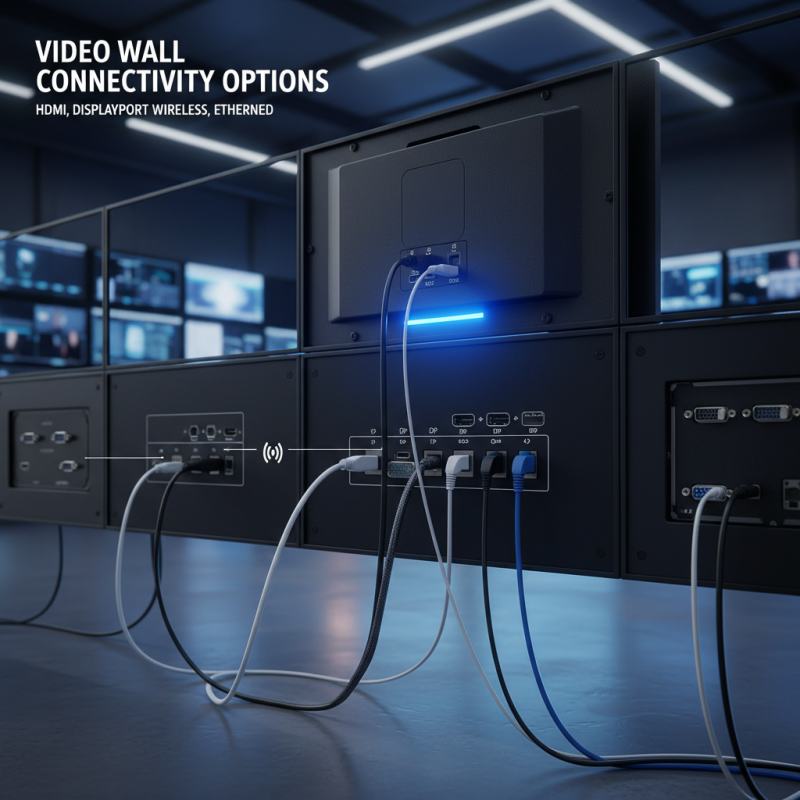
When selecting video wall panels for your project, one of the most crucial aspects to consider is the connectivity options available. Modern video wall systems might require a variety of connections, including HDMI, DisplayPort, and even wireless solutions, depending on your setup and the source of your content. Ensuring that the panels can accommodate the necessary cables and interfaces will significantly impact the performance and versatility of your installation.
Tips: Always check the specifications of the video wall panels to confirm the types of inputs and outputs supported. Additionally, consider the potential need for external devices like video processors or splitters, which can enhance the display capabilities. Planning for these connections ahead of time can save you from compatibility issues down the line.
Beyond connectivity, compatibility with existing hardware and software is paramount. Ensure that your video wall panels can seamlessly integrate with any content management systems or other devices you intend to use. This compatibility will not only streamline the installation process but also enhance the overall functionality of your video wall.
Tips: Research the common protocols used in your project's environment, and make sure the panels support those standards. This foresight can help prevent performance bottlenecks and ensure a smooth operation in your video wall setup.
Budgeting for Your Video Wall Panel Investment
When budgeting for your video wall panel investment, it's crucial to consider both initial costs and long-term expenses. Begin by assessing the specifications you need—resolution, size, and technology type (e.g., LED, LCD). All these factors will significantly impact the pricing. Additionally, consider installation costs, as professional setup can vary widely depending on the complexity of the project and the layout of the space where the panels will be placed.
Tips: Allocate a portion of your budget for ongoing maintenance and potential upgrades. Video wall technology evolves rapidly, and planning for future enhancements can save money in the long run. It’s also wise to factor in costs for any necessary support equipment, such as video processors and control systems, which can enhance the functionality of your video wall.
Moreover, prioritize your spending by distinguishing between essential features and nice-to-have upgrades. While it may be tempting to go for the latest technology, sticking to your project's core requirements will allow for a more balanced budget. Keeping an eye on potential hidden costs, such as power consumption and warranties, ensures a more comprehensive financial plan for your video wall panel investment.
Cost Comparison of Video Wall Panel Types


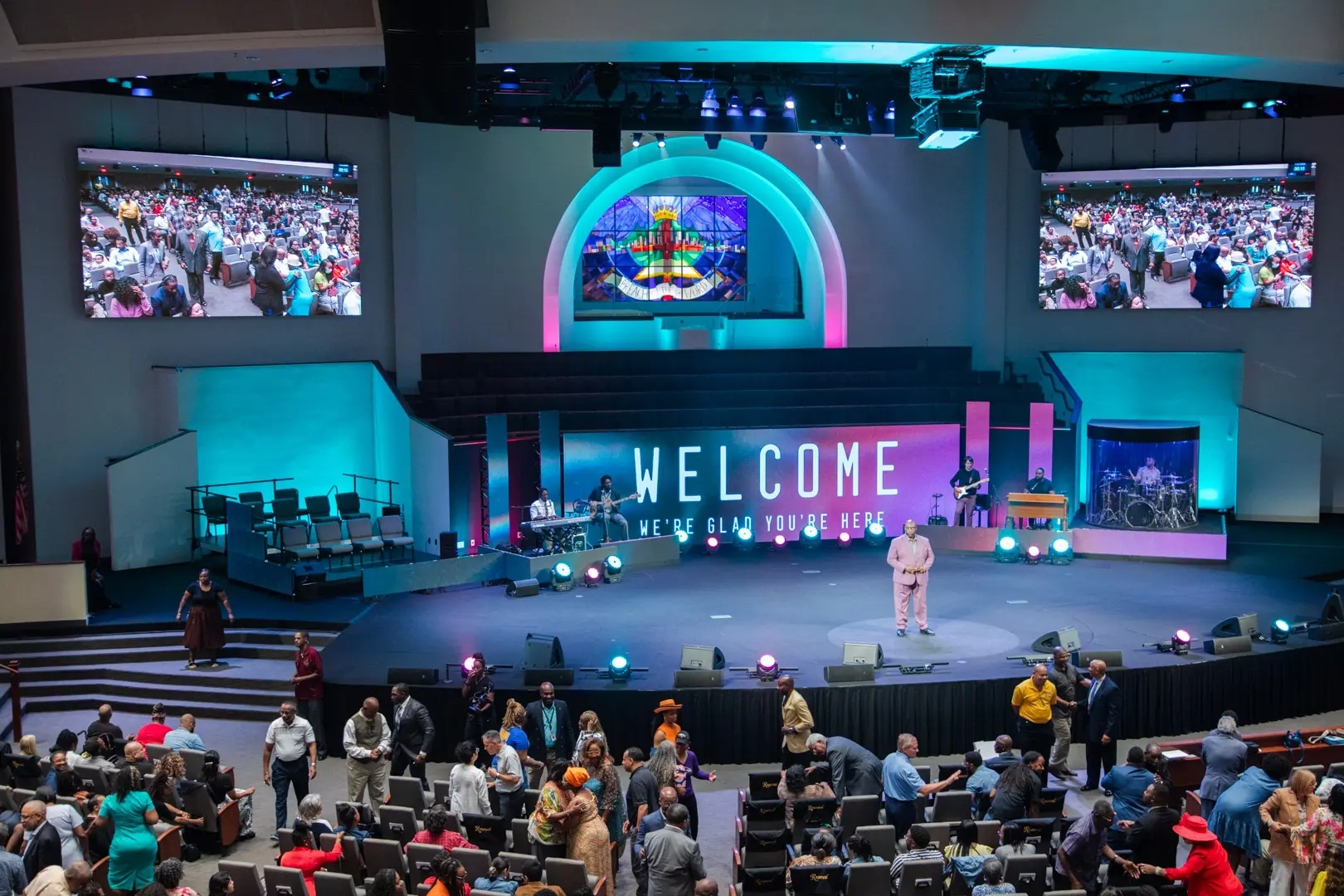
 House of Worship
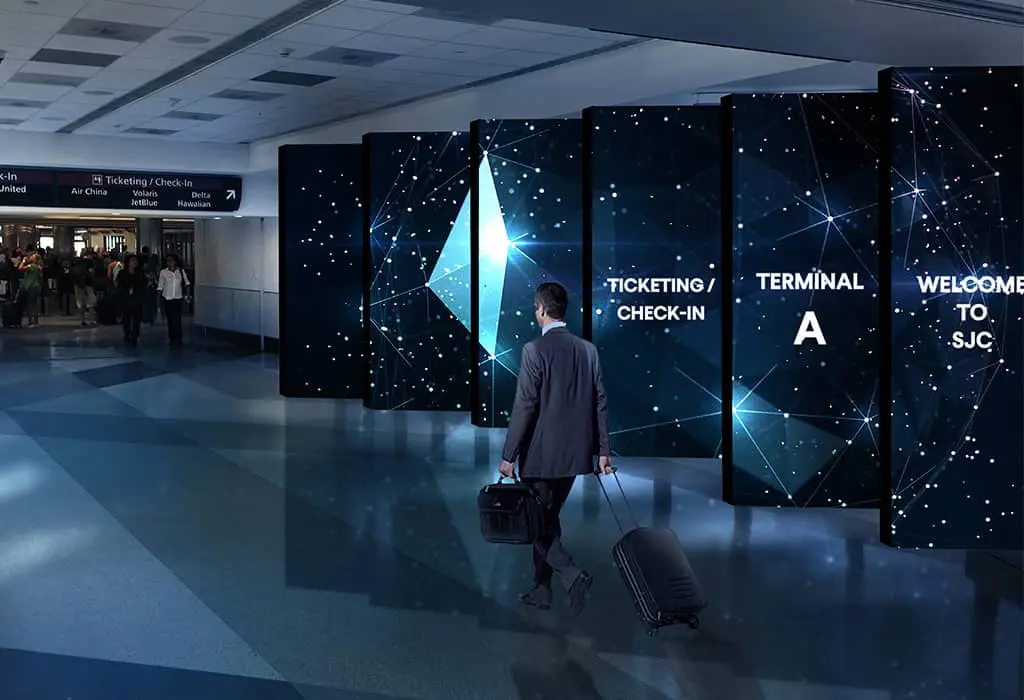
 Transportation
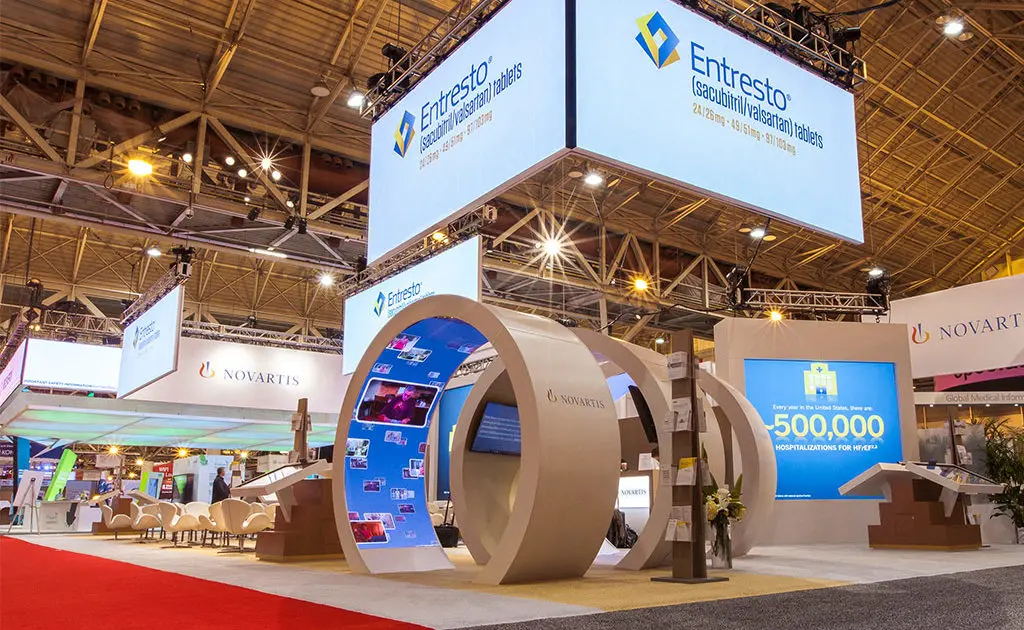
 Trade shows led display
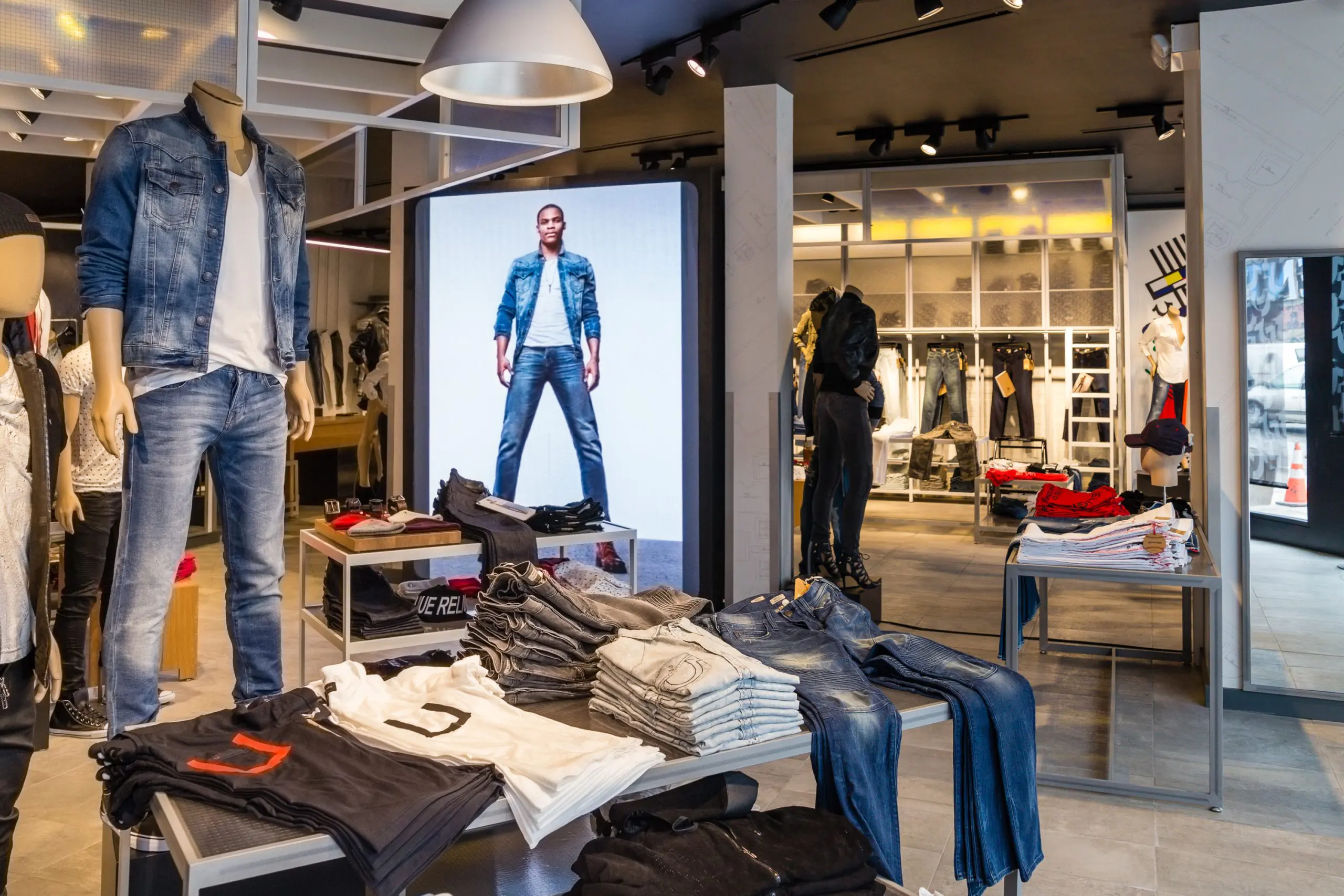
 retail
 Creative Led Solutions
 Hospitality
 Higher Education
 Corporate LED