Why Choose a Medical Air Purifier for Healthier Indoor Air?
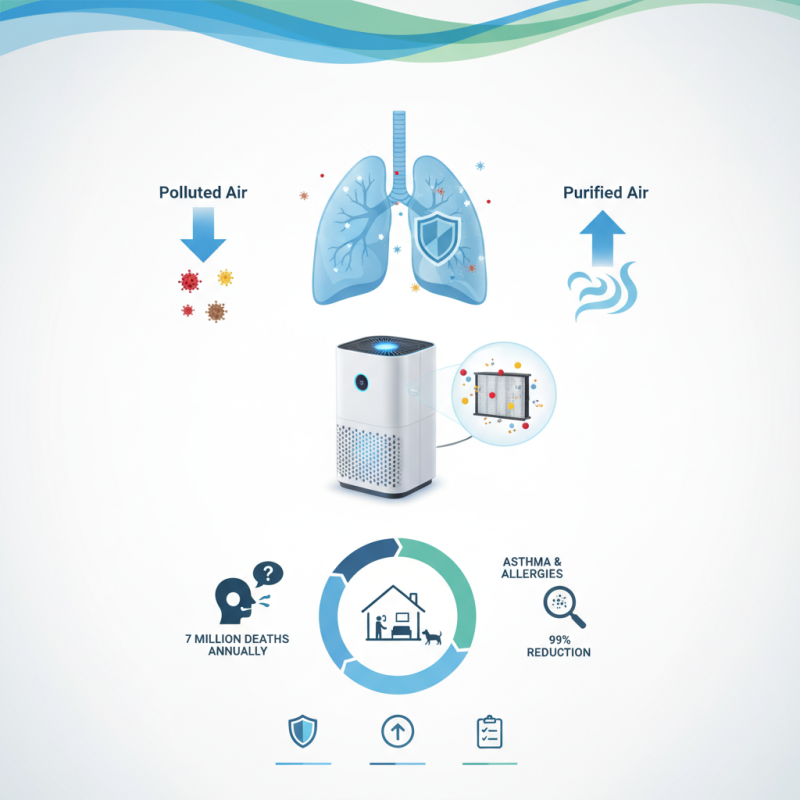
Indoor air quality significantly affects our health. A medical air purifier is designed to remove harmful particles like viruses and allergens. According to the World Health Organization, air pollution is responsible for 7 million premature deaths annually. Poor indoor air can lead to various health issues, especially for sensitive populations.
Many homes are filled with pollutants, including dust and pet dander. A medical air purifier can help reduce these irritants. In fact, studies show that such devices can decrease indoor particles by over 99%. This has profound implications for those suffering from respiratory conditions, like asthma.
Investing in a medical air purifier is essential for creating a safer environment. However, not all products are equally effective. It's vital to research and select a purifier that meets specific needs. Understanding the specifications and performance ratings is crucial. With this knowledge, families can better protect their health and well-being indoors.
Understanding Indoor Air Quality and Its Impact on Health
Indoor air quality significantly impacts overall health. Studies indicate that indoor air can be up to five times more polluted than outdoor air. This pollution can come from various sources, including dust, mold, and volatile organic compounds (VOCs). Breathing in these harmful particles can lead to respiratory issues, allergies, and even heart disease.
According to the World Health Organization, around 4 million premature deaths occur each year due to indoor air pollution. Children and the elderly are particularly vulnerable. A report from the Environmental Protection Agency (EPA) found that common indoor air pollutants include benzene and formaldehyde. These toxins can linger and accumulate over time, affecting long-term health.
People often overlook the importance of clean air at home. Simple actions like regular cleaning and ventilation help but may not be enough. Many individuals may not realize how their indoor environment affects their wellbeing. Investing in a medical-grade air purifier can significantly reduce harmful particles. It can improve air quality, offering a healthier living space and, ultimately, better health outcomes.
The Role of Medical Air Purifiers in Reducing Airborne Contaminants
Indoor air quality is a growing concern. Many pollutants exist, including dust, pollen, smoke, and pathogens. Medical air purifiers play a crucial role in reducing these airborne contaminants. According to the Environmental Protection Agency (EPA), indoor air can be up to five times more polluted than outdoor air. This alarming statistic shows the importance of effective filtration.
Studies suggest that medical air purifiers can capture up to 99.97% of harmful particles. These devices often utilize HEPA filters. They can trap particles as small as 0.3 microns. This includes viruses and bacteria, which are significant concerns for health. Moreover, a report from the American Institute of Architects highlights that clean air in indoor spaces can improve overall health and productivity.
However, not all air purifiers are the same. Some models may not have the necessary filters. Even with proper filtration, improper use can lead to inefficiencies. For instance, placing an air purifier in a corner limits airflow. Regular maintenance is essential for optimal performance. Users must replace filters as recommended. Awareness about these factors can help individuals make informed choices.
Key Features to Look for in a Medical Air Purifier
When selecting a medical air purifier, consider several key features. One important aspect is the filtration system. Look for a high-efficiency particulate air (HEPA) filter. This type of filter captures fine particles, including pollen and dust mites. Many models also include activated carbon filters for odors and chemicals. These add an essential layer of protection for your indoor air quality.
Another feature to keep in mind is the clean air delivery rate (CADR). This measures how effectively the purifier can clean air in a room. Higher CADR ratings mean quicker filtration. It’s vital to choose one suitable for your space. Consider noise level too. Some purifiers can be noisy, which might disrupt your activities or sleep.
Don't ignore the unit's maintenance requirements. Regular filter replacements are essential for performance. Consider how often you will need to replace filters. Some models might have indicator lights to remind you. This can help avoid lapses in air quality. Think about where you'll place the unit as well. A purifier positioned incorrectly might not work efficiently.
Key Features of Medical Air Purifiers
Comparative Benefits of Medical vs. Traditional Air Purifiers
When considering air purifiers, the choice between medical and traditional units is crucial. Medical air purifiers often utilize advanced filtration systems. They can remove harmful particles like bacteria and viruses effectively. This is essential for those with respiratory conditions. Traditional purifiers may filter larger dust and allergens, but they often fall short in combating pathogens.
The performance gap is significant. Medical units may feature HEPA filters and UV sterilization. This ensures that even the smallest contaminants are caught. Traditional models lack this level of precision. It’s worth noting that not all medical purifiers are created equal. Some may have weaker filtration despite the label. Users should research thoroughly.
Another aspect to consider is noise. Medical air purifiers tend to operate quietly, which is vital for home environments. In contrast, traditional models can be disruptive. They may not always run efficiently either. Energy consumption is another factor; some medical units are designed for low energy use. However, budget constraints often lead users to compromise on quality. Reflecting on the choices available can lead to better indoor air quality.
Real-World Applications and Success Stories of Medical Air Purifiers
Indoor air quality significantly affects health. Medical air purifiers can remove harmful contaminants. In a study by the Global Clean Air Network, it was found that over 90% of people breathe polluted air. This is alarming. Hospitals and clinics are increasingly adopting medical air purifiers. They help create cleaner environments for patients and staff alike.
Many successful applications of these purifiers exist. A hospital in Canada implemented medical air purifiers in critical care units. They reported a 30% reduction in airborne pathogens. This change contributed to lower infection rates among patients. Another healthcare facility in the U.S. saw a similar impact. Their annual report indicated improved respiratory health among patients after installation.
While these results are promising, challenges remain. Not all purifiers yield the same efficiency. Some may not perform as expected. It's crucial for facilities to evaluate their air quality needs. Regular assessments help refine their approaches to enhancing indoor environments. Medical air purifiers offer real benefits, but careful selection is key.


 House of Worship
 Transportation
 Trade shows led display
 retail
 Creative Led Solutions
 Hospitality
 Higher Education
 Corporate LED