How to Choose the Right Outdoor LED Screen for Your Event Needs
When planning an outdoor event, one of the critical elements to consider is the display technology that will captivate your audience. Selecting the right outdoor LED screen can significantly enhance the experience, but with numerous options available, the choice can feel overwhelming. Industry expert John Anderson, a leading figure in event technology, emphasizes that “the quality of your display can make or break the overall atmosphere of your event.” His insight highlights the importance of choosing a screen that not only fits your event size and location but also meets your specific visual requirements.
In this guide, we will explore the key factors to consider when selecting an outdoor LED screen for your event needs. From understanding pixel pitch to assessing brightness levels and determining the right size, every aspect plays a vital role in ensuring your message is conveyed effectively. Whether you are hosting a concert, festival, or corporate event, making informed decisions about your outdoor LED screen can elevate the impact of your presentation and engage your audience in unforgettable ways.

Factors to Consider When Selecting an Outdoor LED Screen for Events
When selecting the right outdoor LED screen for your event needs, there are several crucial factors to consider to ensure optimal performance and viewer experience. One of the primary considerations is the pixel pitch, which indicates the distance between each pixel on the display. According to industry reports, a smaller pixel pitch (e.g., 3mm to 5mm) is ideal for events where the audience will be closer to the screen, while a larger pixel pitch (e.g., 10mm or more) can be effective for larger venues where the audience is farther away. Choosing the right pixel pitch not only affects the visual clarity but also the overall impact of the event.
Another important factor to evaluate is the brightness level of the LED screen. The brightness, typically measured in nits, is crucial for outdoor visibility, as it must contend with natural light conditions. A report from the Outdoor Advertising Association indicates that a brightness level of at least 5,000 nits is recommended for direct sunlight exposure, ensuring the content remains vibrant and legible. Additionally, consider the screen's durability and weather resistance, especially if the event is outdoors, to prevent functionality disruptions due to rain or strong winds. By carefully assessing pixel pitch, brightness, and durability, you can select an outdoor LED screen that meets the specific needs of your event while providing an engaging experience for your audience.
How to Choose the Right Outdoor LED Screen for Your Event Needs
| Factor |
Description |
Recommendation |
| Screen Resolution |
Higher resolutions provide clearer and sharper images. |
Consider 8mm or lower for close viewing. |
| Brightness Level |
Brightness is crucial in outdoor settings to ensure visibility. |
Look for a minimum of 5000 nits. |
| Screen Size |
The size should match the viewing distance and audience size. |
Choose larger screens for bigger crowds. |
| Installation Type |
Consider whether a fixed or mobile installation is needed. |
Renting mobile options may provide flexibility. |
| Weather Resistance |
Screens should be durable and able to withstand outdoor elements. |
Look for IP65 rating or higher. |
| Connectivity Options |
Make sure the screen supports necessary inputs and outputs. |
Prioritize HDMI, SDI, and wireless connectivity. |
| Budget |
Costs vary widely based on features and quality. |
Determine a budget early to narrow down options. |
Understanding Different Types of Outdoor LED Screens and Their Applications
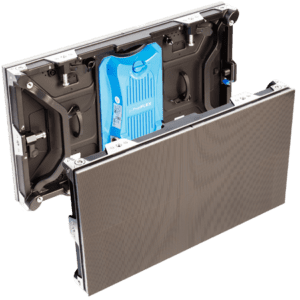
When selecting an outdoor LED screen for your event, it's essential to understand the different types available and their specific applications. Outdoor LED screens typically come in three main types: fixed, rental, and mobile. Fixed LED screens are permanently installed in locations such as stadiums or public squares, providing high visibility for large audiences. Their robust design and weather resistance make them suitable for long-term use, though they often come with higher upfront costs.
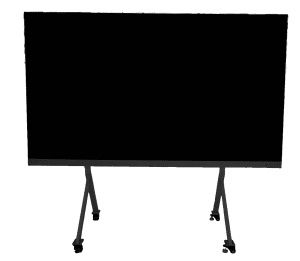
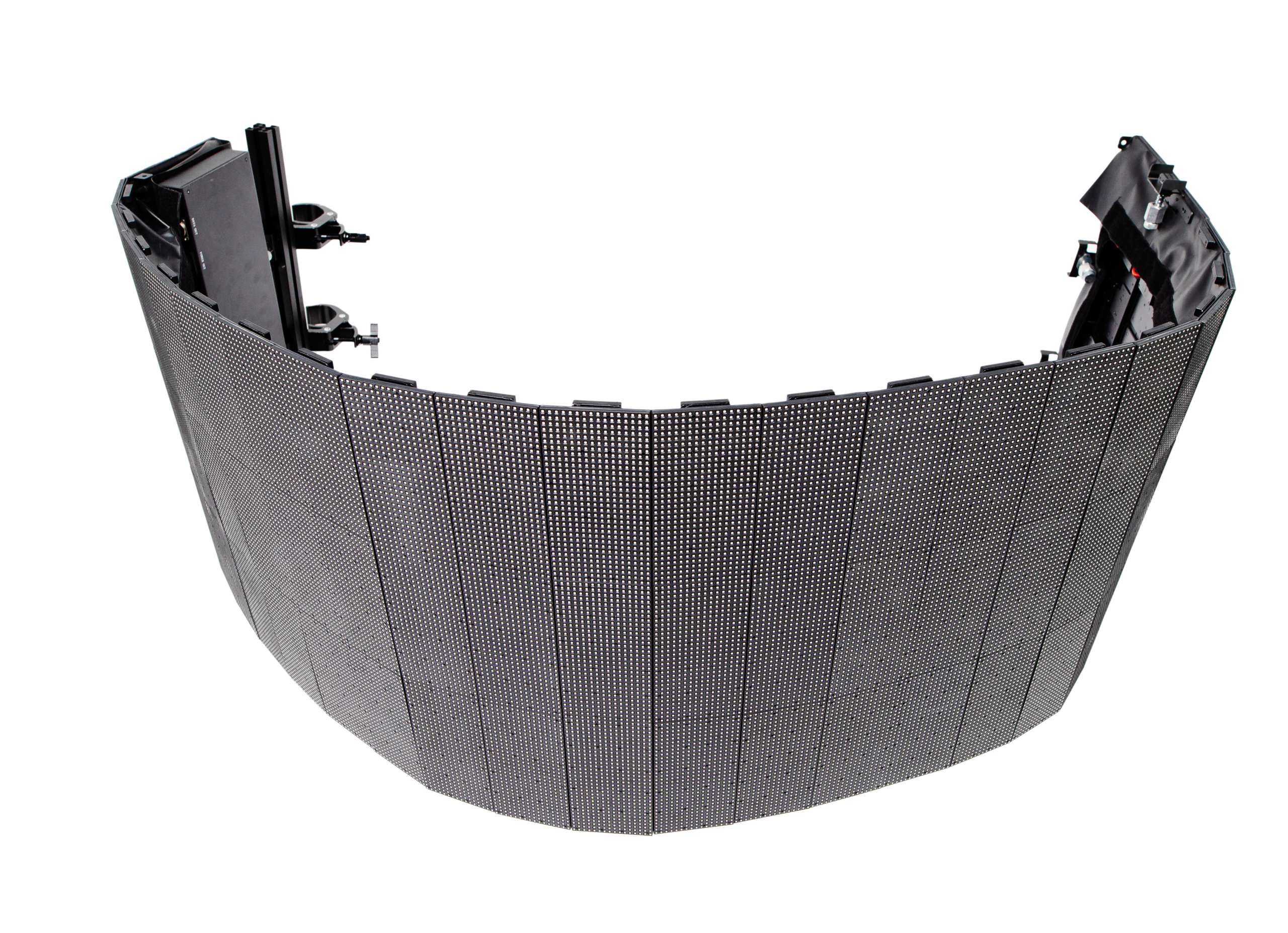
Rental LED screens, on the other hand, offer versatility for temporary events such as concerts, festivals, or corporate gatherings. These screens are designed for easy setup and takedown, often featuring lightweight structures that can be configured into various shapes and sizes. This flexibility allows organizers to tailor the screen setup to best fit their venue and audience size. Additionally, mobile LED screens, which can be mounted on trailers or trucks, provide the advantage of portability. They can be transported to different locations, making them ideal for events that require mobility and quick deployment.
Understanding these types can greatly impact your event's visual experience, ensuring that you choose a screen that meets both your logistical needs and aesthetic goals. Properly matching the screen type to your event's requirements is crucial for delivering the desired impact.
Outdoor LED Screen Types and Applications
Key Specifications to Evaluate: Brightness, Resolution, and Refresh Rate
When selecting the right outdoor LED screen for your event, three key specifications play a crucial role: brightness, resolution, and refresh rate. Brightness is measured in nits and is essential for visibility in varying light conditions. For outdoor events, a screen with at least 5000 nits is advisable to ensure that the content remains clear even under direct sunlight. Choosing a brighter screen not only enhances visibility but also improves overall audience engagement.
Resolution is another important factor, defined by the number of pixels within a display. A higher resolution screen delivers sharper images and more detailed content. For events that involve dynamic visual displays or intricate graphics, a resolution of at least 720p is recommended. Consider the distance of your audience from the screen; if your viewers are seated further away, a lower resolution may suffice, while closer viewing distances require higher resolution for optimal clarity.
Tip: Always assess the refresh rate, measured in hertz (Hz), as it influences how smoothly moving images appear on screen. A refresh rate of at least 60Hz is ideal for outdoor events to avoid flickering and ensure fluidity in video playback. Additionally, verify the screen’s ability to combat glare, as this can affect the overall viewing experience, especially in daylight. When these specifications align with your event needs, you can enhance audience satisfaction and create a memorable experience.
Cost Analysis: Budgeting for Your Outdoor LED Screen Rental or Purchase
When considering an outdoor LED screen for your event, budgeting is a critical factor that cannot be overlooked. The cost of rental or purchase can vary significantly based on several factors including screen size, resolution, and installation requirements. Rentals are often more cost-effective for short-term events, allowing you to access high-quality screens without the hefty price tag of purchasing. It's essential to gather quotes from multiple providers and understand what is included in the rental fee, such as setup, delivery, and technical support.
For those considering a purchase, a thorough cost analysis is crucial. Initial costs may seem daunting, but investing in an LED screen can provide long-term benefits, especially for companies that plan to use the screen frequently. When evaluating purchase options, account for maintenance, potential upgrades, and the longevity of the equipment. It’s also beneficial to consider the projected return on investment—whether through increased audience engagement or advertising revenue—before making a final decision. Understanding the total cost of ownership alongside your event needs will guide you toward making a financially sound choice.
Importance of Weather Resistance and Durability in Outdoor LED Screens
When selecting an outdoor LED screen for your event, prioritizing weather resistance and durability is essential. Outdoor screens are directly exposed to various elements, including rain, wind, and UV rays. Thus, choosing a screen designed to withstand such conditions can prevent damage and ensure a long lifespan. Look for options with a robust IP rating that indicates their level of protection against dust and moisture. A higher IP rating generally offers better resilience against harsh environments.
Tips: Ensure to check the materials used in the screen’s construction. High-quality aluminum or weatherproof housing can significantly enhance the screen's longevity. Additionally, consider models with a protective coating that can fend off sun damage and corrosion.
In addition to weather resistance, durability is crucial. Outdoor LED screens are often subjected to physical stress, whether from transport or installation. Screens that come with reinforced edges and sturdy mounting options are less likely to sustain damage. Furthermore, seek out screens featuring reliable warranties that cover potential defects or failures, as this can provide peace of mind when making your investment.
Tips: Always ask about the maintenance requirements for any LED screen you are considering. Regular maintenance can dramatically extend the operational life of the screen, ensuring that your investment continues to deliver outstanding performance for future events.


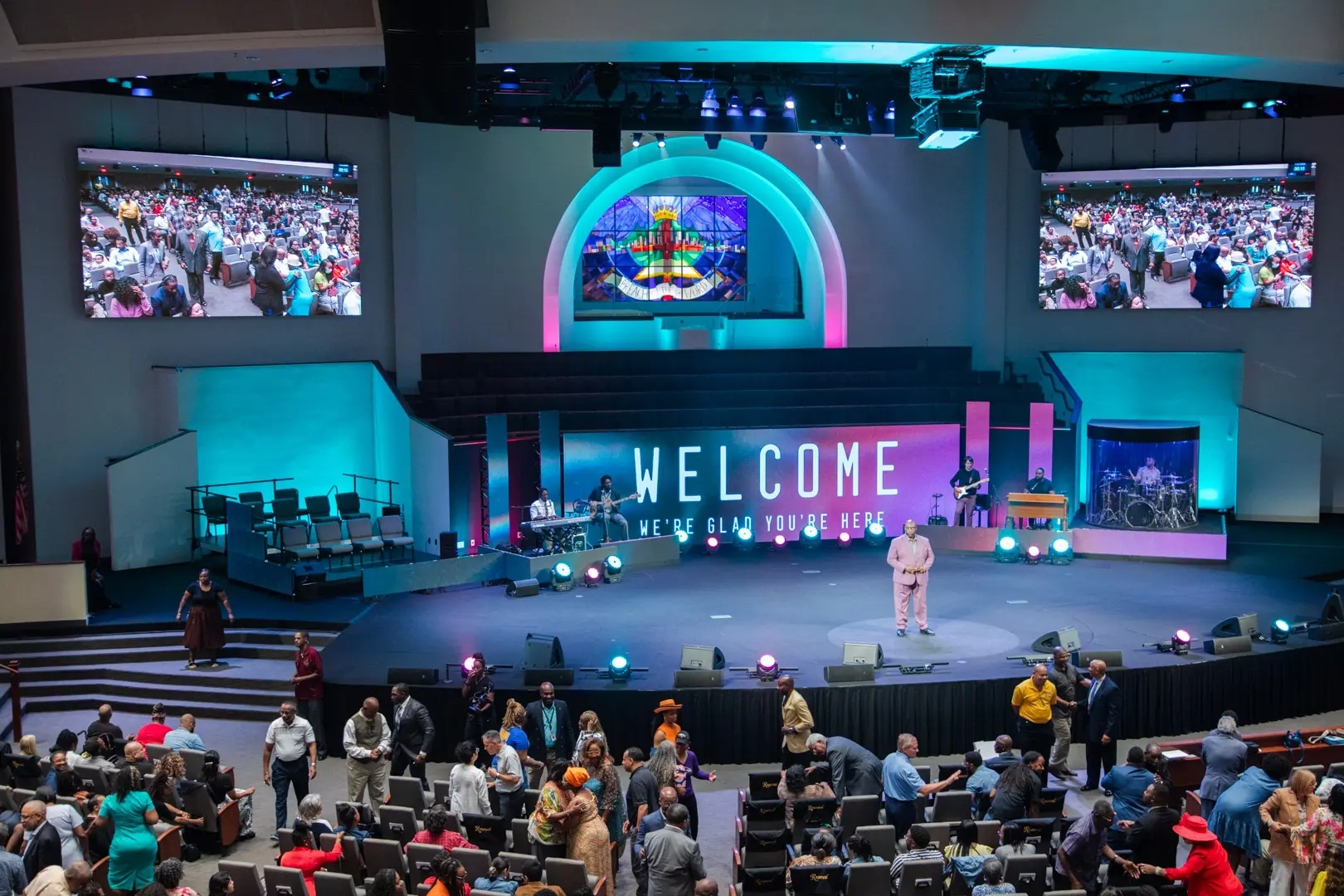
 House of Worship
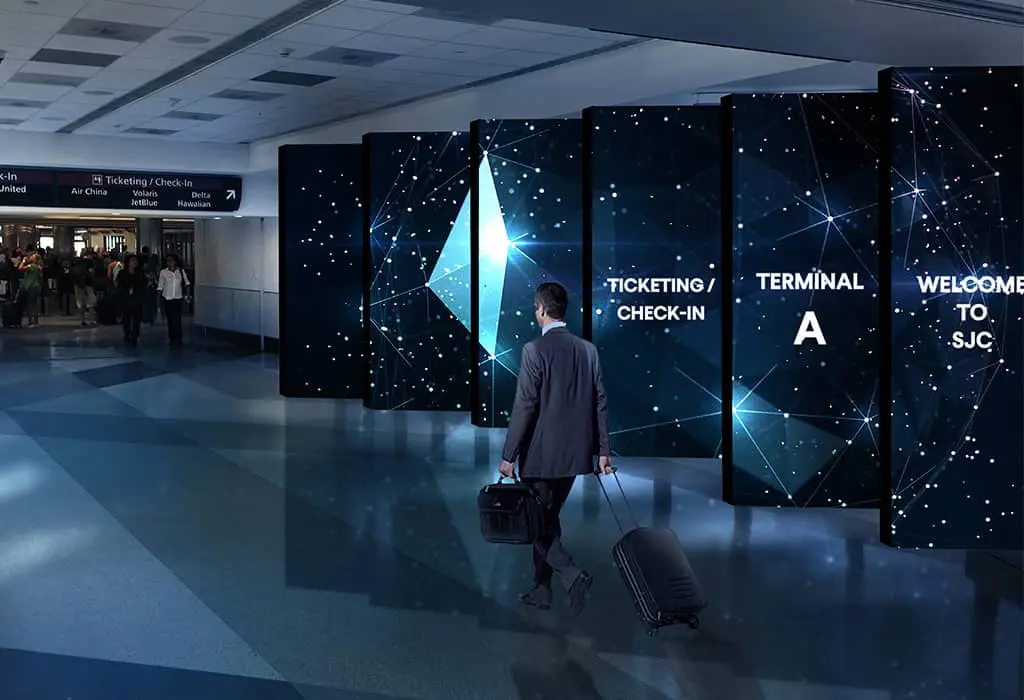
 Transportation
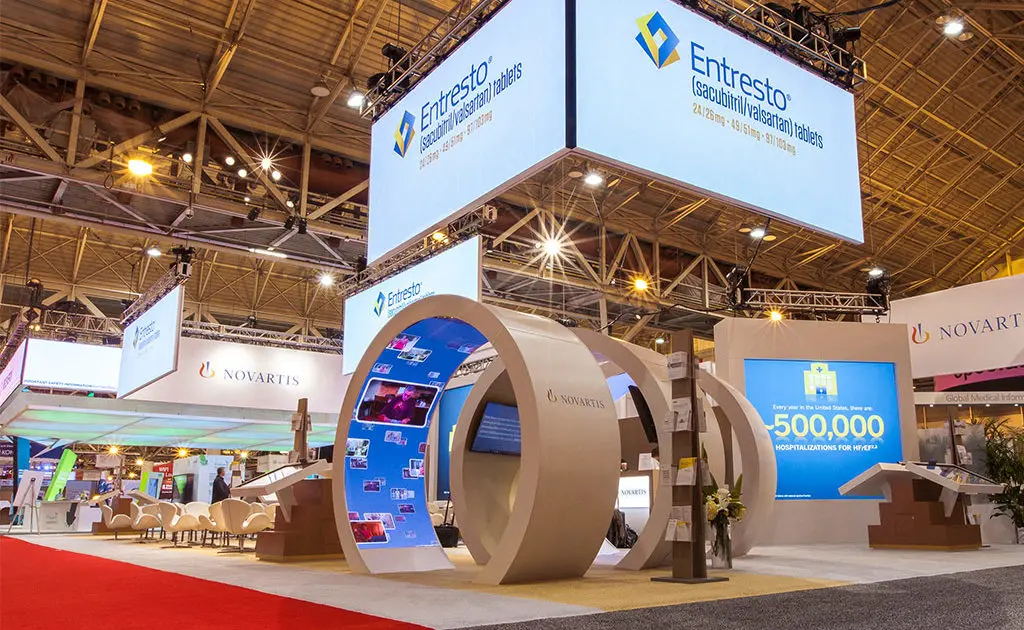
 Trade shows led display
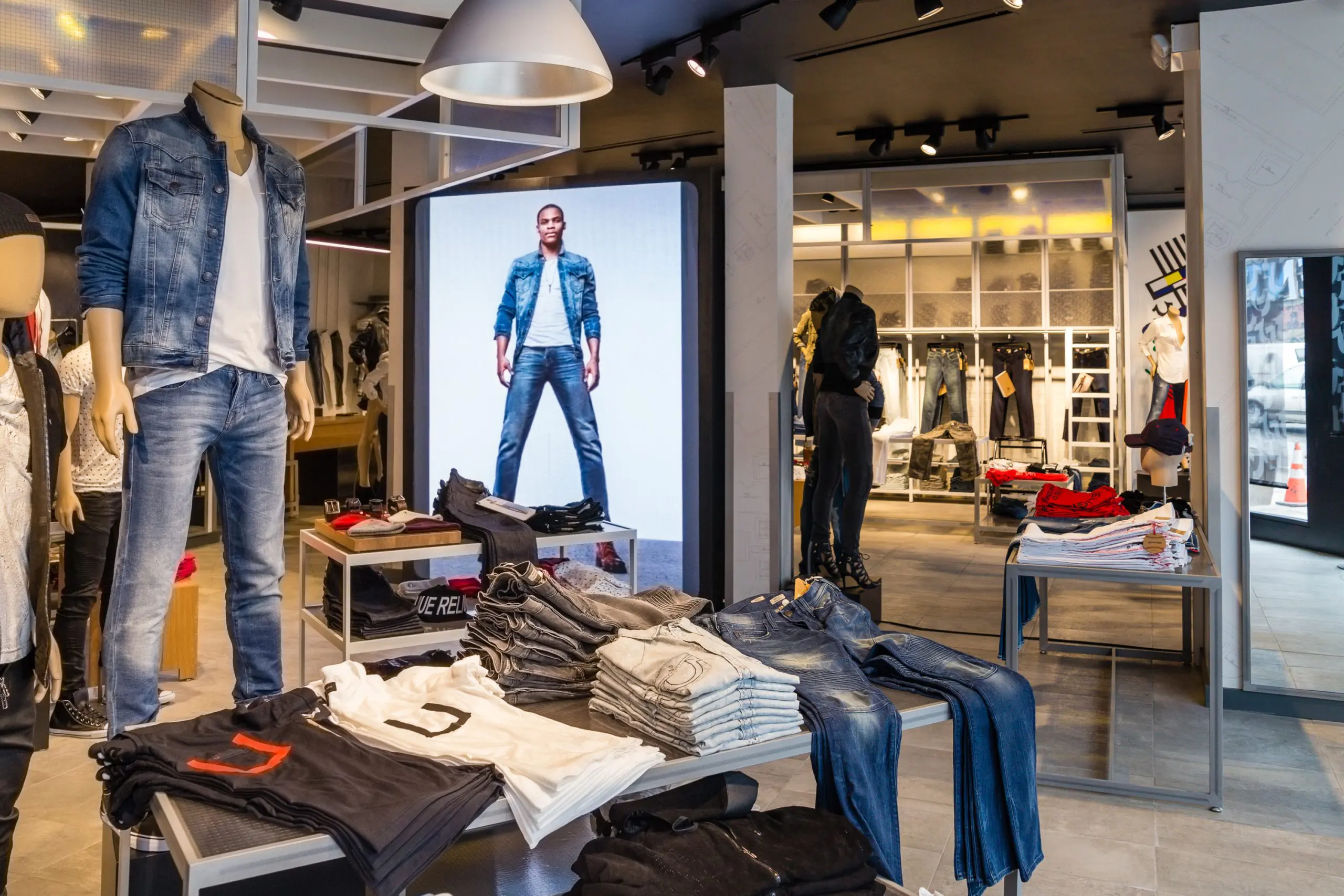
 retail
 Creative Led Solutions
 Hospitality
 Higher Education
 Corporate LED