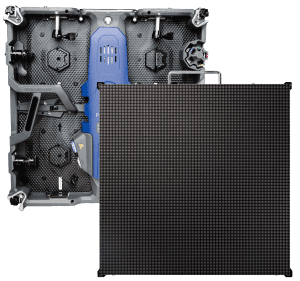
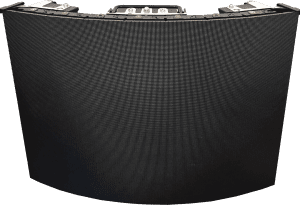
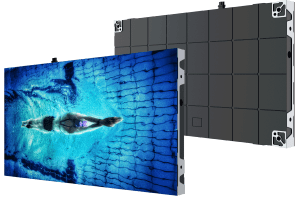
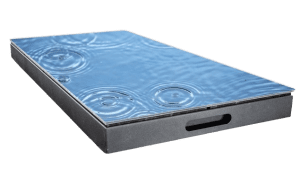
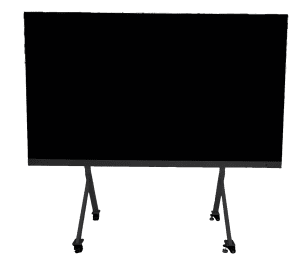
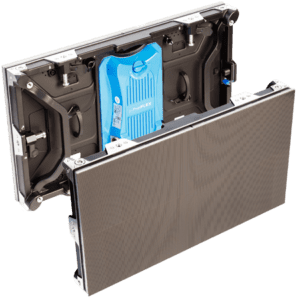
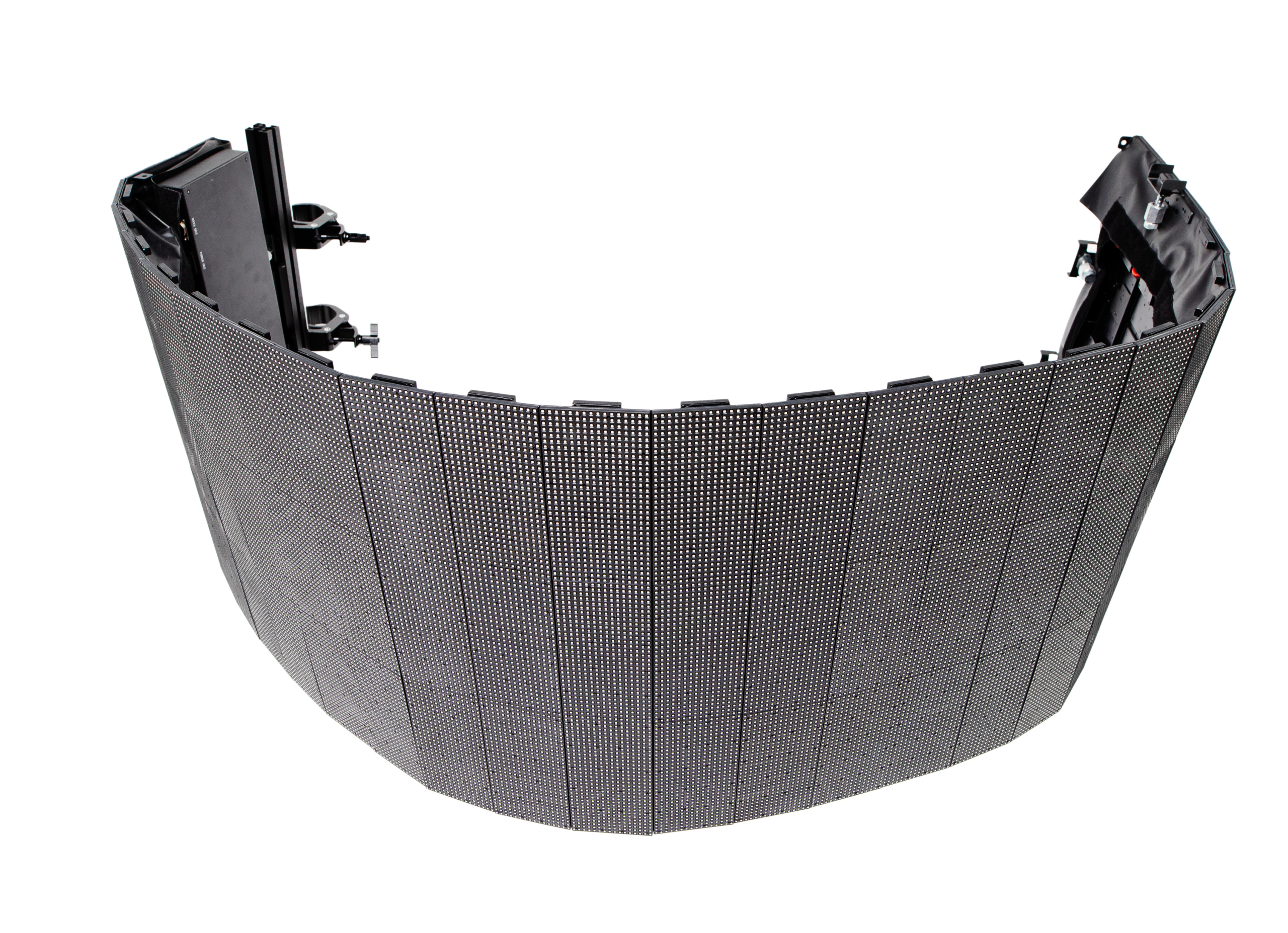
Communicate worship schedules and sermon messages while engaging your congregation with visual technology.
View More
LED displays in transportation settings, such as airports, train stations, and bus terminals, serve as dynamic platforms for real-time information, advertising, and wayfinding, enhancing passenger experience with clear, up-to-date travel details and announcements.
View More
Differentiate yourself from the competition by incorporating a digital experience in your booth with our trade show LED displays.
View More
Communicate your brand’s message, stand out from the competition and engage your target market with LED digital signage.
View More
We offer creative solutions at cost-effective rates. You will be able to deliver your sermons more effectively and engage your congregation through one-of-a-kind lyric video walls and house of worship LED displays.
View More
Enhance ambiance, display interactive directories and wayfinding displays, and promote amenities and events to elevate the guest experience.
View More
Incorporate digital displays to enhance your students’ learning experience and market to prospective students and donors.
View More
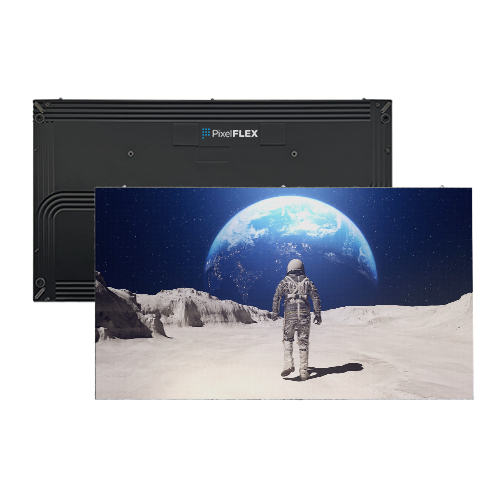
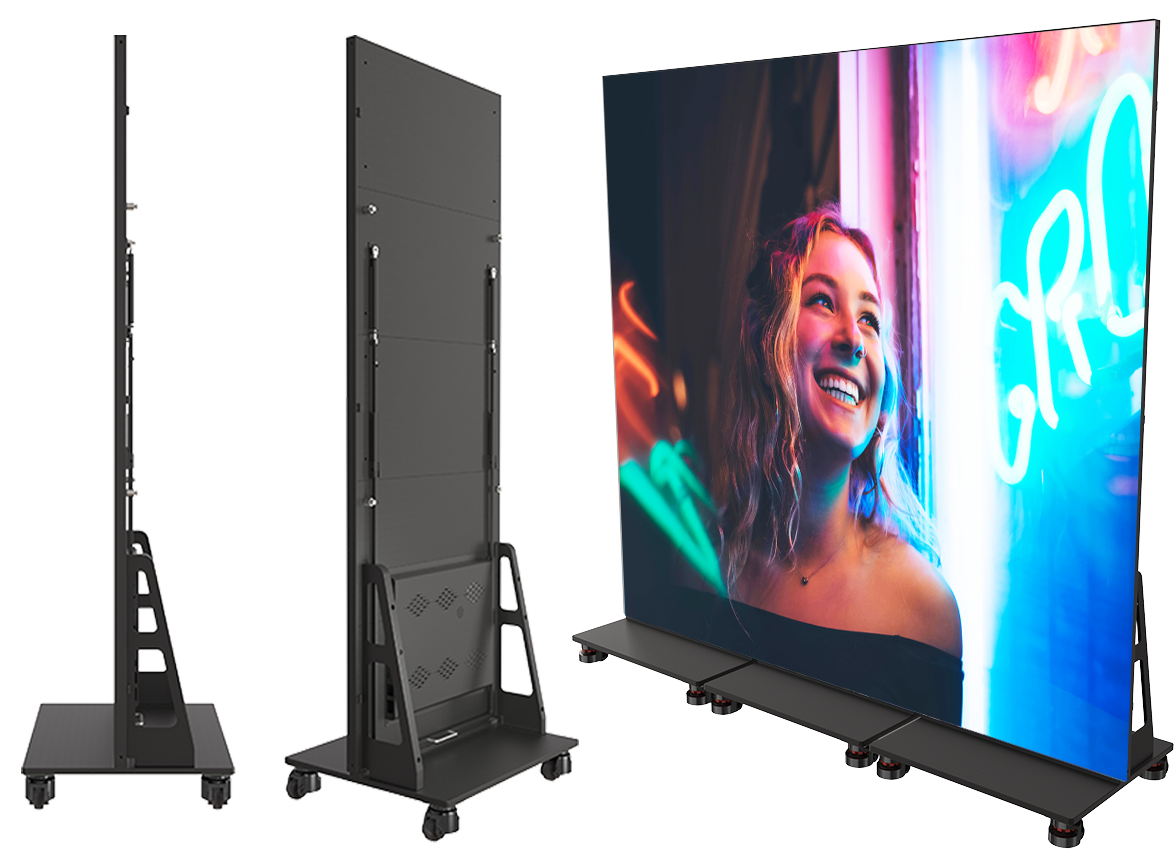
Transform your corporate spaces with PixelFLEX LED video displays. Enhance communication, elevate branding, and create dynamic environments.
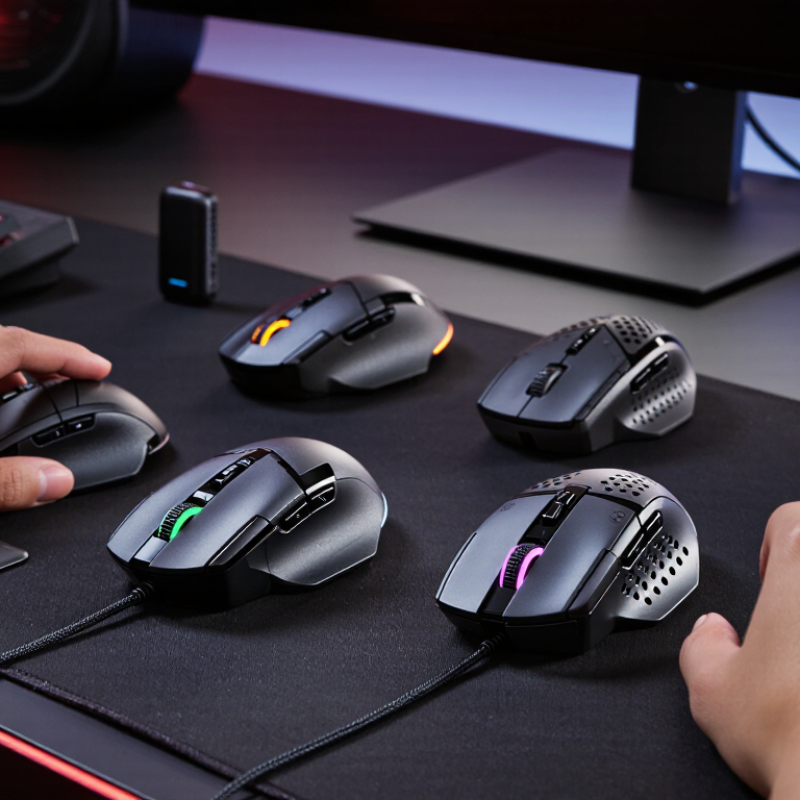
View MoreChoosing a gaming mouse is less about chasing the newest sensor and more about finding a tool that feels natural in your hand. Mouse Gaming should start with fit, not flashy specifications. Mouse reviewer Rocket Jump Ninja has repeatedly emphasized that a mouse’s shape and comfort matter more than a long feature list. That is a useful place to begin, though no single shape suits everyone.
Think about what you play and how you hold a mouse. A low, compact model may feel quick during fast flicks, while a wider shell can offer steadier palm support. If possible, try holding a few shapes before buying. Notice whether your fingers reach the buttons easily and whether the mouse feels balanced during a slow, controlled movement. Small details matter. A cable that drags across the desk can interrupt aim; a heavy mouse may tire your wrist during longer sessions.
This guide will help you compare shape, weight, sensor performance, buttons, connectivity, and price. It will also explain which specifications affect real play and which can distract from comfort. Your favorite streamer’s setup is not automatically right for you. A sensible choice may still need adjustment. Treat recommendations as a starting point, then judge the mouse through regular use and careful attention to fit.
Before comparing gaming mice, define what you actually play and how you move. A fast first-person shooter often rewards a light mouse, predictable tracking, and enough desk space for broad arm movements. Strategy games and management titles may benefit more from extra programmable buttons and a comfortable shape during long sessions. For competitive play, note your usual sensitivity and whether you aim mostly with your wrist or forearm. Then test the mouse at your normal desk height, not just in a shop display.
Your grip matters. A claw grip may feel cramped on a tall, rounded shell, while a palm grip needs support across the hand. Measure your hand from wrist crease to middle fingertip, and check whether your fingers reach the main buttons without stretching. The Entertainment Software Association’s 2024 Essential Facts report says 61% of Americans aged five to 90 play video games weekly. That broad audience figure is not a mouse-performance study, but it shows why one “best” fit is unlikely. Try a few minutes of movement and clicking. Small details count. I still find that a mouse feeling perfect in a short test can become tiring after an hour, so comfort deserves a longer trial.
| Gaming Need or Play Style | Mouse Characteristics to Consider | Practical Selection Guidance | Why It Matters |
|---|---|---|---|
| First-person shooters and other fast-paced action games | Lightweight design, responsive sensor, comfortable shape, and two easily reachable side buttons | Try a mouse around 60–80 g if you prefer quick, frequent movements. Choose a shape that stays secure during rapid lifts and repositioning. | A lighter mouse can take less effort to move, while a comfortable shape helps maintain control during long sessions. |
| Real-time strategy and multiplayer online battle arena games | Reliable main buttons, a responsive scroll wheel, and a few convenient side buttons | Prioritize consistent clicks and a shape that allows easy access to the scroll wheel and side buttons without changing your grip. | Frequent selection, camera movement, and ability commands make dependable controls more useful than a large number of buttons. |
| Massively multiplayer online games and games with many commands | Multiple programmable side buttons, onboard profiles, and software for assigning commands | Choose a button layout you can distinguish by touch. Check whether the mouse can save profiles onboard if you switch between computers. | Extra controls can make frequently used commands easier to reach, but crowded layouts may be difficult to use accurately. |
| Casual, single-player, and mixed-genre gaming | Comfortable all-purpose shape, dependable sensor, adjustable sensitivity, and a moderate number of buttons | Look for a versatile mouse that feels comfortable for both gaming and everyday computer use rather than paying for features you will rarely use. | A balanced design can suit a wider range of games and daily tasks. |
| Low-sensitivity aiming or broad mouse movements | Stable tracking, a suitable mouse pad, and enough desk space | Test your preferred sensitivity with the mouse pad you use. A high maximum DPI is not necessary if your chosen setting is lower. | Tracking and usable desk space affect aiming more directly than an unusually high maximum DPI rating. |
| High-sensitivity play or limited desk space | Comfortable control at small movements, adjustable DPI, and a compact or medium-sized shape if it fits your hand | Set DPI to a level that feels controllable and adjust in small steps. Check that the mouse does not feel cramped during longer sessions. | Higher sensitivity requires less physical movement, but comfort and fine control still depend on fit and personal preference. |
| Wired connection preference | Flexible cable, secure connector, and a cable length that suits the desk setup | Check that the cable reaches comfortably and does not catch on the edge of the desk or mouse pad. | A wired mouse does not need recharging, while cable drag can affect movement if the setup is awkward. |
| Wireless connection preference | Low-latency wireless mode, stable connection, and clear battery or charging information | Check the stated battery life and charging method. For competitive play, use the manufacturer-provided low-latency connection mode when available. | Wireless designs reduce cable drag, but battery life and connection reliability are important practical considerations. |
| Small or large hands; palm, claw, or fingertip grip | Mouse length, width, height, hump position, and button reach | Whenever possible, try the mouse in person. Check whether your fingers reach the buttons naturally and whether the shape supports your usual grip. | Fit varies by hand and grip style; a popular shape may still be uncomfortable for an individual user. |
| High-refresh-rate gaming or preference for frequent input updates | Polling-rate options, sensor performance, and the computer’s available USB connectivity | A 1,000 Hz polling rate is a common option. Higher rates may be available, but can increase system or battery demands and are not necessary for every player. | Polling rate describes how often the mouse reports its position; its practical benefit depends on the setup and user. |
A mouse sensor should track smoothly, not merely advertise a large sensitivity number. DPI, sometimes listed as CPI, describes how far the pointer moves for a given hand movement. A higher setting is not automatically more accurate. For many players, a dependable sensor with consistent tracking matters more than an enormous maximum range. Small changes matter.
Choose a sensitivity range that suits your games and screen. In a first-person game, a lower setting may make it easier to aim steadily, but it needs more desk space. Faster settings can help with quick turns, though tiny hand movements may feel jumpy. Strategy and desktop games often feel comfortable at higher sensitivity because precise, small cursor movements are useful. There is no universal ideal.
Start near the middle of the sensor’s available range, then adjust in small steps. Move the mouse across your usual pad and check whether the pointer reaches the screen edge without lifting. Try tracking a moving target, too. If you repeatedly overshoot, lower sensitivity; if you run out of pad space, raise it slightly. Keep the same setting for several sessions before judging it. I’d avoid changing sensitivity and in-game settings at once; it makes the cause of a bad adjustment harder to spot. Keep it simple.
A gaming mouse should feel natural before you judge its features. Your grip style is a useful starting point: palm users often prefer a fuller body that supports the hand, while claw users may like a shorter shape with a raised back. Fingertip users usually need room to move their fingers freely. Small differences matter.
Measure your hand from the wrist crease to the tip of your middle finger, then compare that length with the mouse dimensions. Treat measurements as a guide, not a guarantee; hand width and finger length also affect comfort. If possible, hold a display model for a few minutes. Notice whether your thumb rests comfortably and whether your fingers reach the buttons without stretching. A mouse that feels fine while still may feel cramped during quick turns.
Pay attention to side curves, too. A steep thumb groove can feel secure to one person and awkward to another. Weight changes how the shape feels in motion, so test a few gentle swipes on your usual desk surface. Comfort takes time. Even careful testing can miss something: a small pressure point near the ring finger may appear only after a longer session.
Buttons matter most when they match the games you play. For a fast-paced shooter, two side buttons may be enough for actions you need quickly. Strategy games can benefit from extra controls for repeated commands. I used to assume more buttons meant better control; that was not always true. A crowded layout can lead to accidental presses, especially when your hand shifts during a tense moment. Try reaching each button without lifting your palm or tightening your grip.
Connectivity affects both convenience and feel. A wired mouse avoids charging and works without a battery, though its cable may brush the desk edge. Wireless models reduce desk clutter, but check battery life and whether they support a stable, low-latency connection. Test the shape and connection in your usual setup, not just on a store counter. Small differences matter.
Customization should make useful actions easier, not turn setup into homework. Adjustable sensitivity can help you switch between precise aiming and quick movement. Profiles may save different settings for different games, while remappable buttons can suit your habits. Keep changes simple at first. Change one setting, then play a few rounds before adjusting again. I sometimes tweak too much at once and cannot tell which change actually helped. A comfortable fit and dependable controls usually matter more than a long feature list.
A gaming mouse is only a good buy if it fits your hand, computer, and budget. A low price can be tempting, but a loose scroll wheel or worn cable can make it frustrating within months. Check warranty terms and whether replacement feet or a rechargeable battery are available before paying extra. Small details matter.
Durability is more than a metal shell. A sturdy, lightweight plastic body may hold up better than a heavy design with fragile side buttons. Read reviews for repeated reports of double-clicking, wheel failures, or coating wear; one isolated complaint is less useful. If possible, test the shape in person. Your fingers should reach the buttons without stretching, and your wrist should rest naturally. Comfort wins long sessions.
Compatibility can quietly erase a bargain. Confirm the mouse works with your operating system and connection type, especially if you need wireless use or adjustable settings. A receiver may occupy a scarce USB port, while Bluetooth can add noticeable delay in some setups. Wired is simpler. I still tend to overvalue extra buttons; in practice, unused controls just collect dust. Choose only features you can name a real use for, and leave room in the budget for a reliable mousepad.