2025 How to Choose the Best Video Wall for Your Business Needs
In today's fast-paced digital landscape, the importance of visual communication cannot be overstated, and video walls have emerged as a pivotal tool for businesses aiming to enhance their audience engagement. According to a recent report from MarketsandMarkets, the global video wall market is projected to grow from $13.2 billion in 2020 to $27.1 billion by 2025, a testament to the increasing demand for innovative display technologies. This rapid expansion reflects the growing recognition of video walls as an effective medium for delivering transformative visual experiences in various sectors, including retail, transportation, and corporate environments.
As businesses continue to navigate the complexities of digital marketing and consumer interaction, the insights of industry experts become invaluable. Robert Jennings, a prominent figure in the video wall sector, emphasizes, "The right video wall solution can significantly elevate brand presence and customer engagement, making it essential for businesses to carefully select a system that aligns with their unique needs." His perspective underscores the necessity for organizations to consider various factors—such as resolution, size, and technology compatibility—when choosing a video wall that effectively meets their objectives. As we explore the process of selecting the best video wall for your business needs, understanding these critical aspects will help you make informed decisions that drive success in your visual communication strategy.

Understanding Video Walls and Their Applications in Business
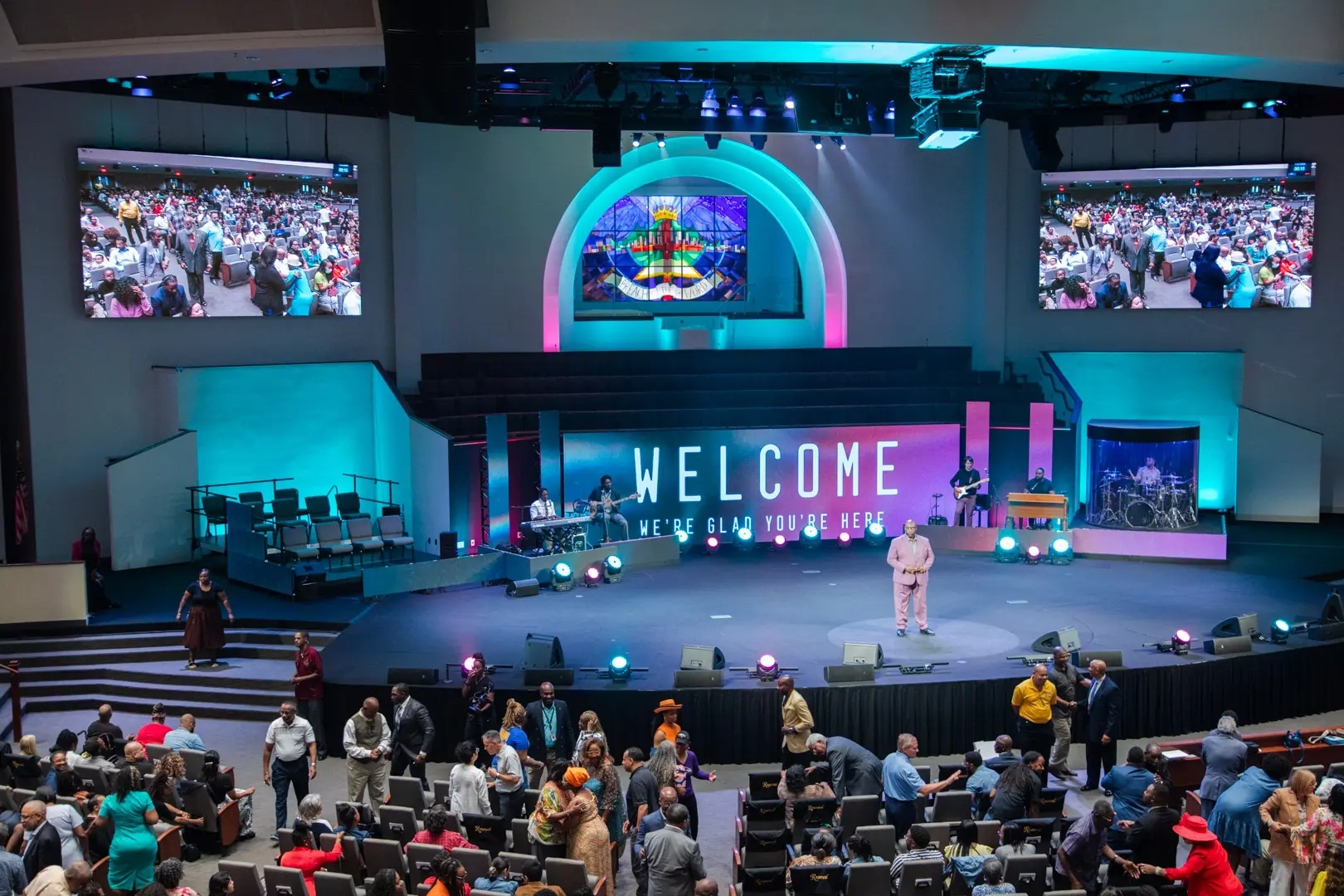
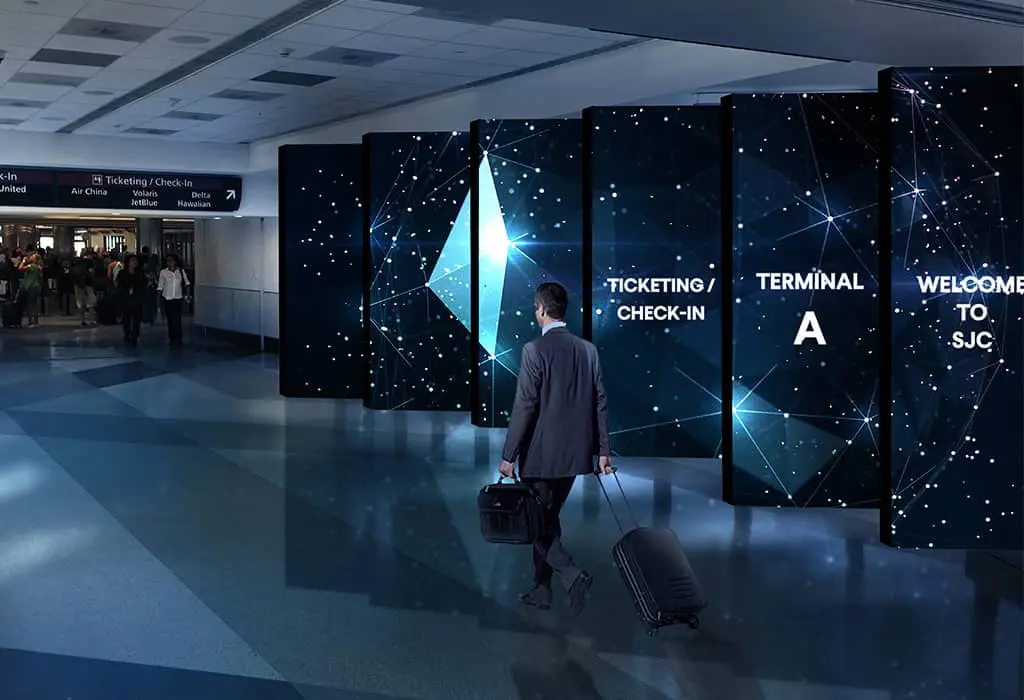
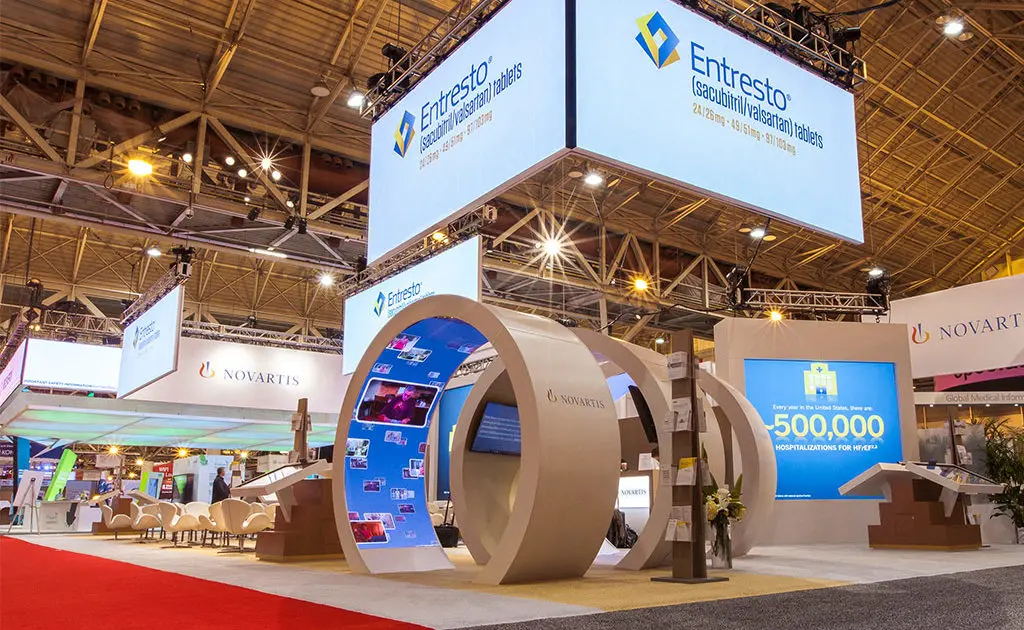
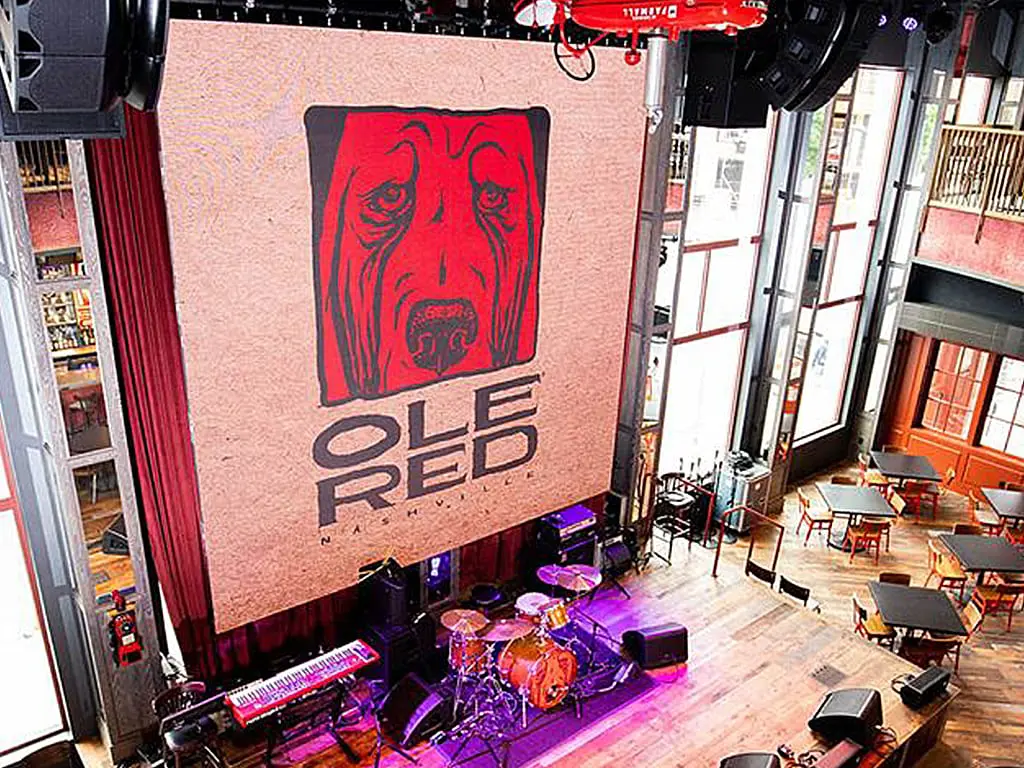
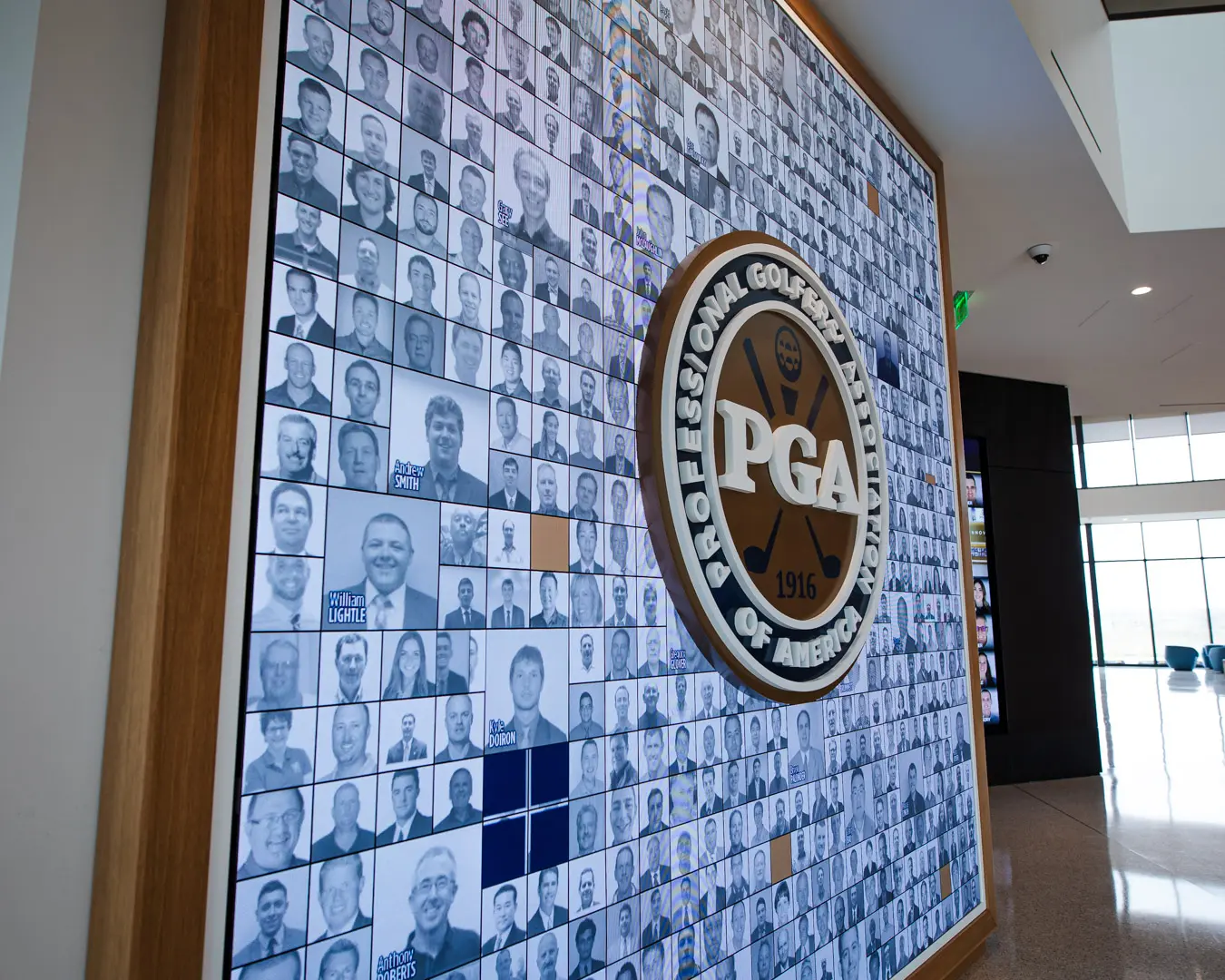
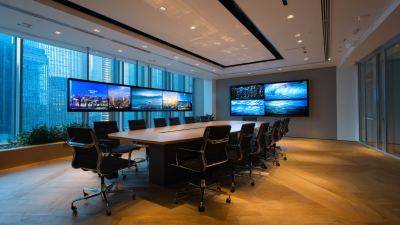
Video walls have emerged as a powerful communication tool for businesses, enhancing engagement and delivering impactful messages. These multi-screen setups are versatile, allowing for everything from corporate presentations to dynamic advertising displays. Their ability to create a large, immersive visual experience makes them ideal for various applications, including retail environments, trade shows, control rooms, and conference centers. Understanding the specific needs of your business will help in determining how a video wall can best serve your objectives.
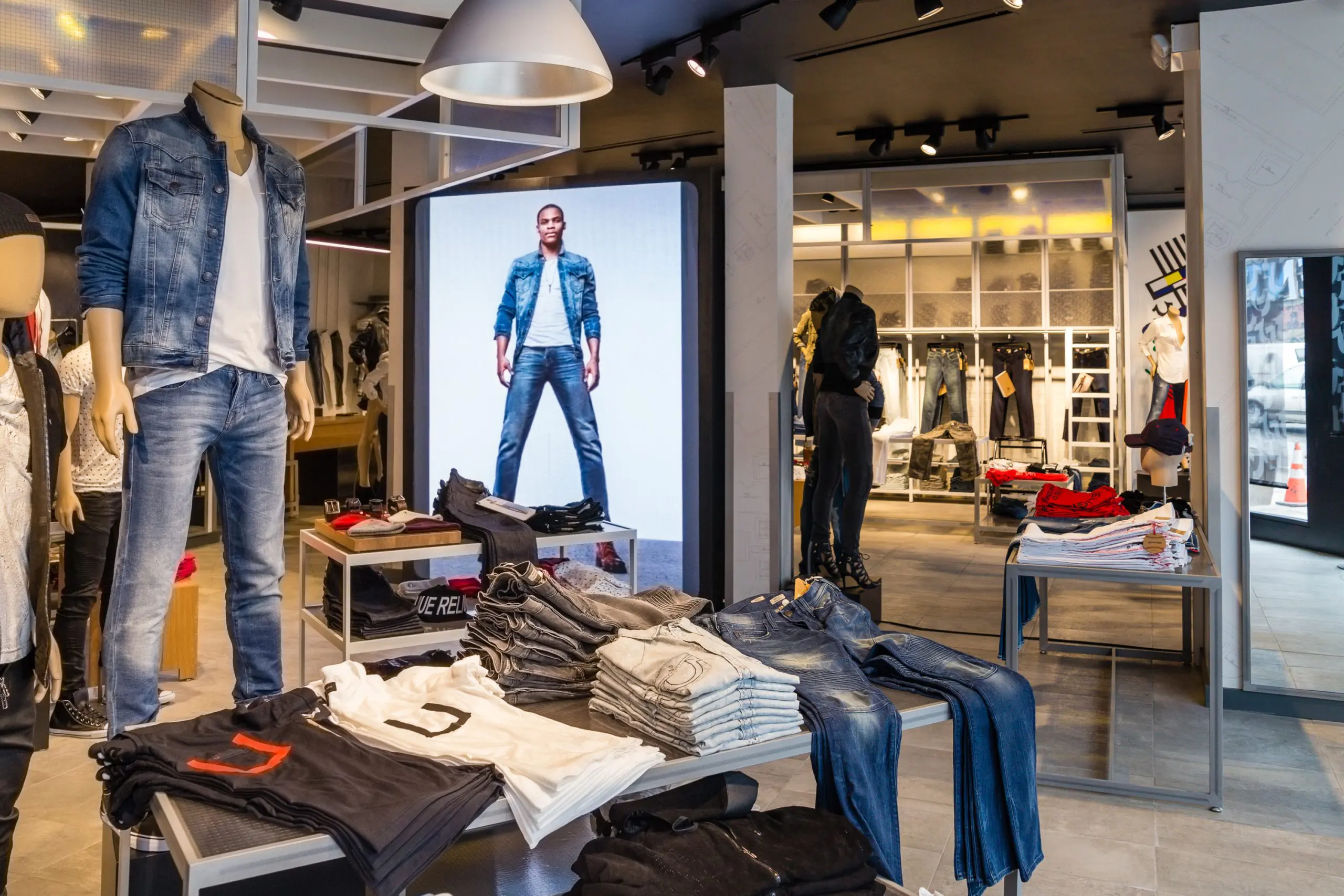
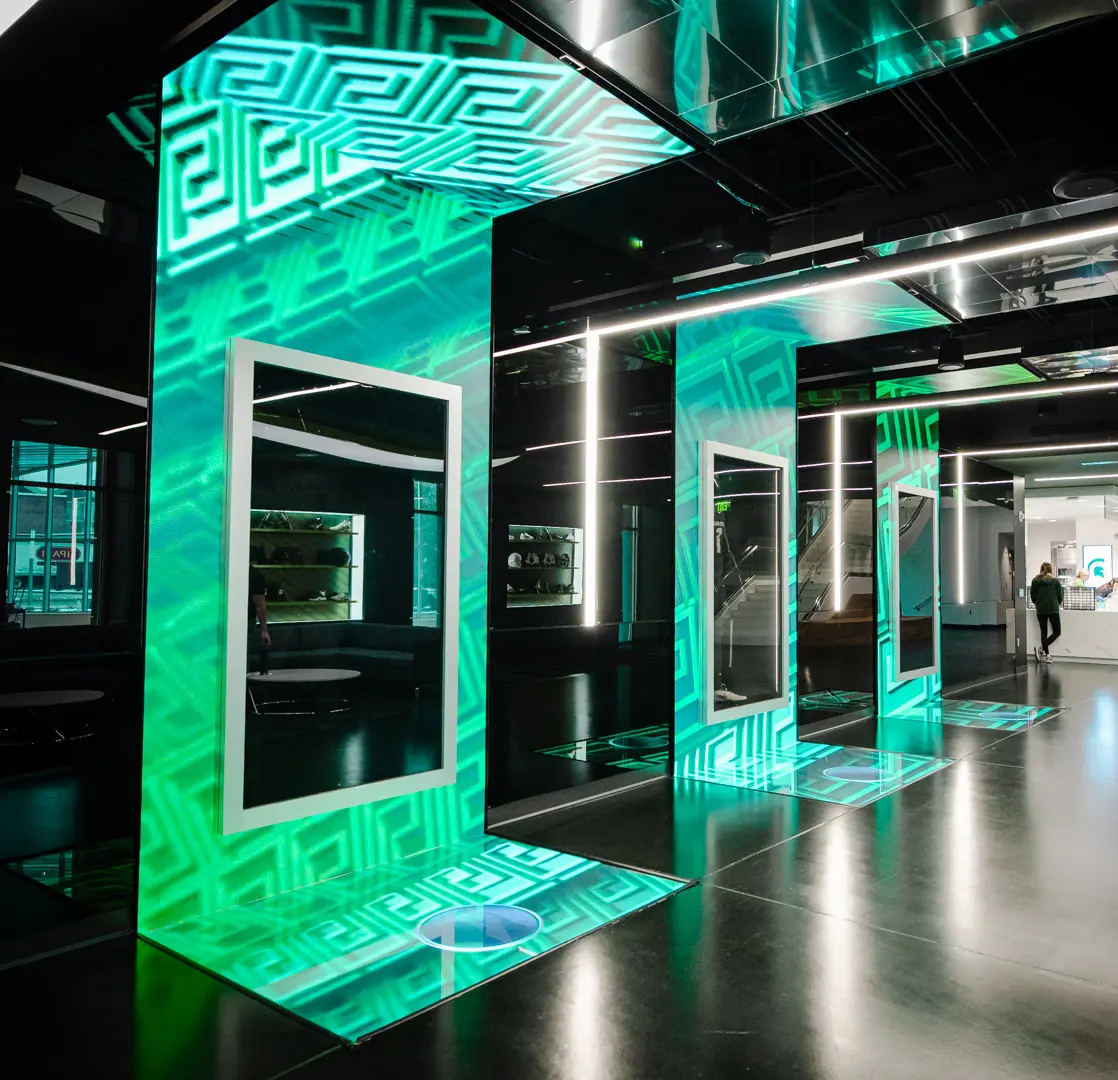
In addition to their aesthetic appeal, video walls can significantly improve information sharing and operational efficiency. For instance, in a control room setting, multiple data streams can be displayed simultaneously, enabling quick decision-making and real-time monitoring. In retail, brands can use video walls to showcase products, promotions, or even interactive content that engages customers and enhances the shopping experience. By aligning the features of a video wall, such as resolution, size, and technology (LED or LCD), with your business needs, you can ensure that the investment yields a substantial return, fostering connectivity and communication within your organization and with your audience.
Key Factors to Consider When Choosing a Video Wall
When selecting the ideal video wall for your business needs, several key factors should guide your decision. First, consider the size and layout of your installation space. The dimensions of the video wall should complement the environment in which it will be placed. This involves not only the physical size of the wall but also its configuration—whether it's a traditional grid layout or a more dynamic arrangement. A well-chosen size enhances visibility and impact, ensuring that your audience can engage with the content effectively.
Another critical factor is the technology behind the video wall. Evaluate the resolution and brightness levels to ensure that the visuals are clear and vibrant, even in varying lighting conditions. Higher resolution panels provide sharper images, which is particularly essential for displaying detailed content or graphics. Additionally, consider the types of content you plan to showcase. If your business frequently uses dynamic video or intense graphical displays, opt for technology that supports seamless integration and high refresh rates to prevent artifacts or lag. By aligning the technical specifications with your content needs, you’ll create a versatile and powerful display that serves your business objectives effectively.
2025 How to Choose the Best Video Wall for Your Business Needs - Key Factors to Consider When Choosing a Video Wall
| Key Factor |
Description |
Importance Level |
Examples |
| Size |
Determining the dimensions based on viewing distance and space availability. |
High |
Large display for events, medium for conference rooms. |
| Resolution |
The clarity of the image displayed, measured in pixels. |
High |
4K for detailed graphics, lower resolution for general use. |
| Brightness |
Measured in nits, crucial for visibility in bright environments. |
Medium |
500-700 nits for indoor, 1500+ nits for outdoor. |
| Viewing Angle |
The angle at which the screen can be viewed without loss of quality. |
Medium |
Wide viewing angle for large audiences. |
| Installation Type |
Wall-mounted vs. free-standing; impacts space usage. |
Medium |
Mounting options for lobbies, trade shows. |
| Cost |
Overall budget required for purchase and installation. |
High |
Consider both initial and long-term maintenance costs. |
| Durability |
Resistance to wear and tear, especially in high-traffic areas. |
Medium |
Commercial grade for busy environments. |
| Support and Warranty |
Availability of customer service and warranty coverage. |
High |
Long warranty periods and reliable service. |
Types of Video Walls: LCD, LED, and Projection Options
When it comes to selecting the ideal video wall for your business, understanding the different types available is crucial. LCD video walls are known for their sharp image quality and vibrant colors, making them an excellent choice for environments where clarity is key, such as retail spaces or conference rooms. Their modular design allows for easy scalability, meaning you can create a customized solution that fits your specific needs. However, they require a controlled lighting environment to avoid glare, which may limit their placement options.
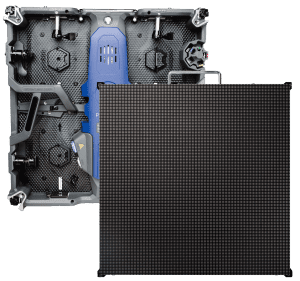
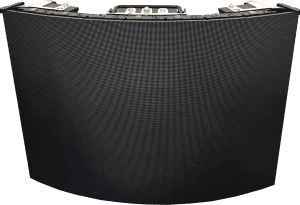
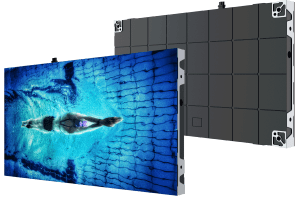
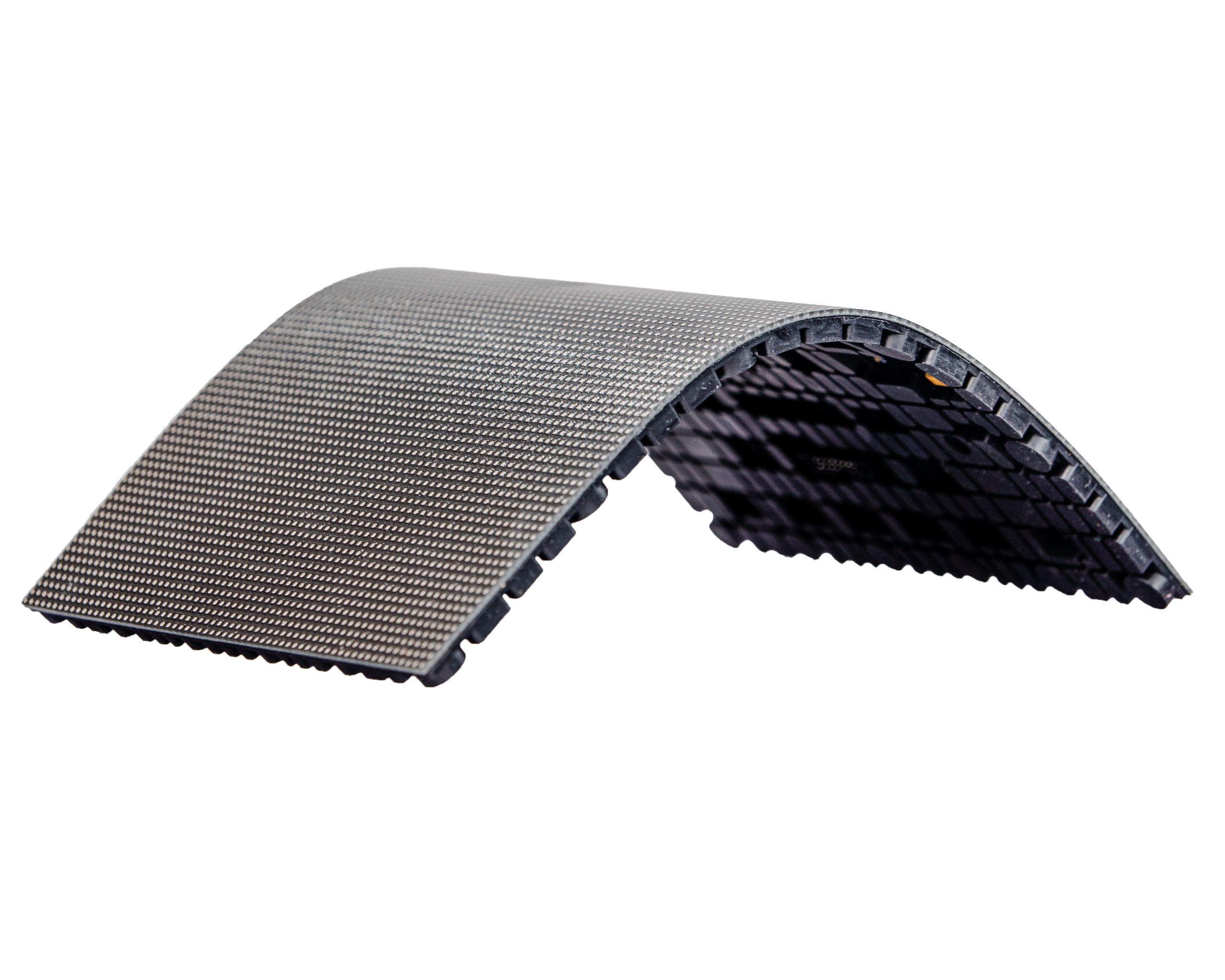
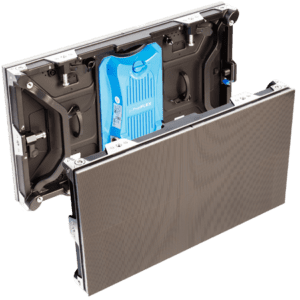
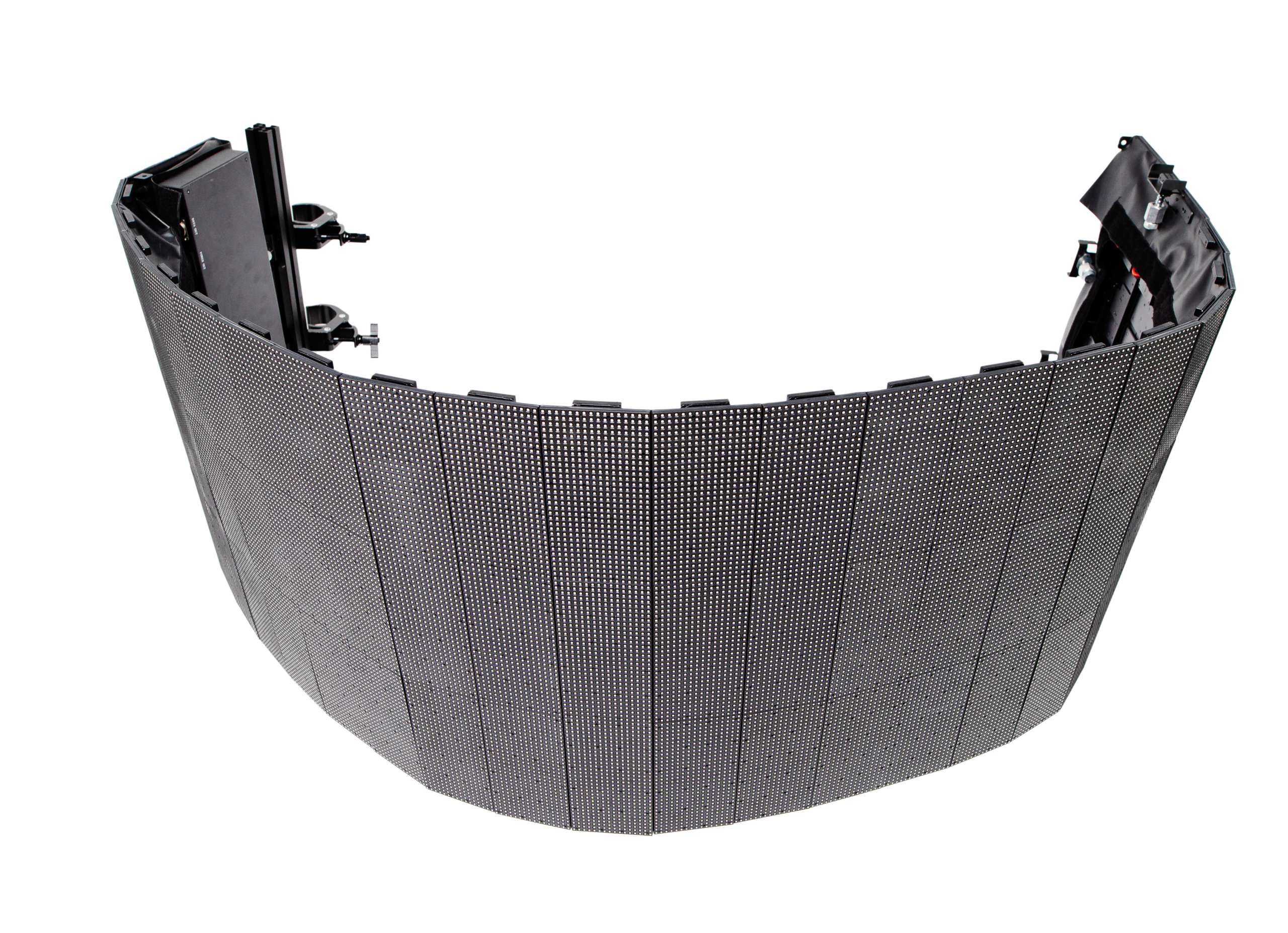
On the other hand, LED video walls are increasingly popular due to their versatility and brightness. They perform exceptionally well in ambient lighting, making them suitable for outdoor advertising and events. The seamless integration of LED panels allows for large, continuous displays without visible bezels, captivating audiences more effectively. Moreover, LED technology offers various options, including fine-pitch displays that deliver extraordinary detail up close, ideal for broadcasting and presentations.
Lastly, projection video walls serve as a flexible alternative, especially in large spaces or venues where a traditional screen may not suffice. They can project images onto large surfaces with ease, accommodating different shapes and sizes. While they might not provide the same level of brightness as LED or LCD options, advancements in projection technology continue to improve image quality, making them a viable choice for dynamic content display in creative environments. Each type of video wall has its advantages, and the right choice ultimately depends on your specific business requirements and the viewing environment.
Technical Specifications That Impact Performance and Cost
When choosing the best video wall for your business needs, understanding the technical specifications that impact performance and cost is crucial. One of the primary factors to consider is the display technology itself.
LED, LCD, and OLED each have their unique benefits and challenges. For instance, LED walls are known for their brightness and longevity, making them suitable for well-lit environments. On the other hand, OLED displays offer superior color accuracy and deeper blacks but may come with a higher price tag. Assessing your specific environment will help you make an informed decision.
Another essential specification to consider is the pixel pitch, which defines the distance between pixels on the screen. A lower pixel pitch means higher resolution and clearer images, making it ideal for up-close viewing. However, this often comes at an increased cost. It’s important to balance the pixel pitch with the viewing distance and application requirements.
Tips: When evaluating video walls, consider your content type. If you plan on displaying detailed graphics or videos, investing in higher resolution is worthwhile. Additionally, ensure you factor in your budget for not just the hardware, but also installation and maintenance costs, as these can significantly affect your overall investment.
Installation and Maintenance Considerations for Video Walls
When considering the installation of a video wall for your business, several maintenance factors come into play that can significantly affect its longevity and performance. Proper planning before installation is crucial. Ensure that the wall is in an area with adequate lighting to prevent glare, while still allowing for an immersive viewing experience. Furthermore, consider accessibility for maintenance personnel to reach the panels easily without disrupting daily operations.
Tips: Regular cleaning of the screens is essential to maintain image clarity. Use a microfiber cloth and appropriate solutions to avoid damage. Additionally, implementing a routine check-up schedule for electronic components can help in identifying potential issues before they escalate.
As for ongoing maintenance, be sure to monitor the performance of your video wall. This includes keeping track of its brightness and color consistency. Using software to analyze the system can provide insights and help in making necessary adjustments. Moreover, training your staff on how to handle minor issues can save you time and money while ensuring maximum uptime of your video wall display.


 House of Worship
 Transportation
 Trade shows led display
 retail
 Creative Led Solutions
 Hospitality
 Higher Education
 Corporate LED