How to Choose 3D Wall Panels for Your Home Decor?
When it comes to enhancing home decor, choosing the right materials is essential. One option gaining popularity is the 3d wall panel. This innovative solution adds depth and texture to any room. According to the MarketWatch report, the 3D wall panel industry is expected to grow at a CAGR of 7.5% from 2021 to 2028. Homeowners are increasingly looking for unique ways to express their style.
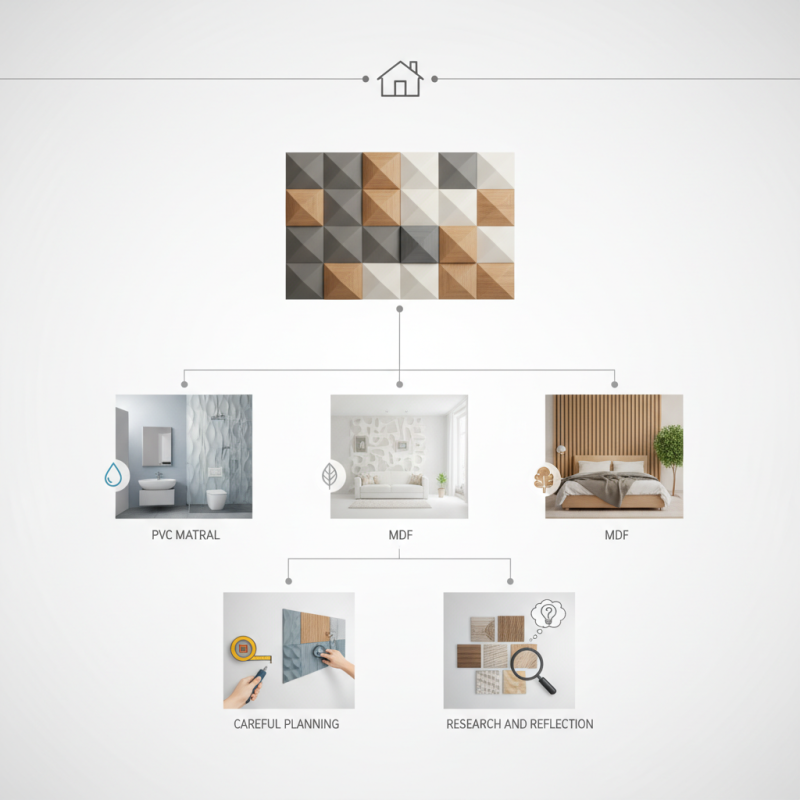
3D wall panels come in various materials, such as MDF, PVC, and wood. Each material offers distinct benefits and aesthetics. While MDF is budget-friendly, PVC is moisture-resistant, making it ideal for bathrooms. However, the abundance of choices can lead to indecision. It’s crucial to consider the room's function and overall decor style when selecting panels. This thoughtful approach can prevent mismatched designs.
Additionally, installing 3D wall panels requires careful planning and expertise. Poor installation can lead to uneven surfaces or visual chaos. Homeowners should assess their skills realistically or hire professionals. Ignoring this can result in dissatisfaction. That’s why researching and reflecting on choices is key. Investing in the right 3D wall panel transforms spaces and adds value to your home.
Understanding Different Materials for 3D Wall Panels
When selecting 3D wall panels, understanding the materials is essential. The most common materials include MDF, PVC, and gypsum. MDF panels often offer a smooth finish and are easy to work with. They can withstand moderate humidity but may not be ideal for wet areas. PVC, on the other hand, is moisture-resistant and lightweight. A recent industry report highlighted that the demand for PVC panels has surged by 30% due to their durability in various environments.
Gypsum panels provide unique textures and are favored for their eco-friendliness. They can be painted and offer excellent soundproofing properties. However, they are generally more fragile and can crack under impact. Data shows that while gypsum panels account for 25% of the market, their usage requires careful installation. Misplaced panels or uneven surfaces can detract from the desired aesthetic.
Personal preferences also play a significant role in material choice. The visual appeal of the panels must match the overall decor style. Some homeowners find they prefer a matte finish to reduce glare, while others opt for a glossy look to make spaces feel bigger. Each material presents pros and cons that may not suit every application. Choosing the right material means considering the long-term performance along with immediate visual impact.
Evaluating Aesthetic Styles and Trends in 3D Wall Panels
When it comes to 3D wall panels, aesthetic style is key. Consider your overall decor theme. Do you lean towards modern minimalism or rustic charm? Each style impacts your choice. For example, sleek lines and neutral colors suit contemporary spaces. Meanwhile, textured wood panels add warmth to traditional settings.
Tips: Think about the room's function. A lively area needs vibrant designs, while a serene space benefits from softer textures. Begin by viewing samples in different light conditions. This can reveal hidden tones and textures.
Trends evolve constantly, and keeping an eye on them can inspire your choices. Geometric shapes are popular right now. They create visual interest without overwhelming the space. Don’t be afraid to mix and match styles, but ensure they harmonize. Remember, too much variety can be jarring. Reflect on how each element fits into your home’s narrative.
Assessing Durability and Maintenance Requirements of Wall Panels
When choosing 3D wall panels for home decor, durability is crucial. These panels need to withstand daily wear and tear. Consider materials like PVC, wood, or plaster. Each material has its strengths and weaknesses. PVC panels are lightweight and water-resistant. However, they may not offer the same aesthetic appeal as wood. Wood panels can add warmth but require regular upkeep.
Maintenance requirements must also be assessed. Some wall panels are easier to clean than others. For instance, smooth surfaces can be wiped down easily. Textured panels might collect dust more quickly. Think about your lifestyle. If you have children or pets, durability becomes even more important. Regular cleaning can be a chore. Would the effort be worth it in the long run? Ultimately, it comes down to the balance of style and practicality.
Durability and Maintenance Requirements of 3D Wall Panels
Determining the Right Size and Placement for Your Space
When choosing 3D wall panels, size and placement are crucial. Think about the room's dimensions. A large panel can overwhelm a small space. Conversely, tiny panels may get lost on a big wall.
Here are some tips for effective placement: Measure your walls carefully. Use painter's tape to outline where you want the panels. This gives you a visual reference. Stand back and assess the look. Is it too crowded? Or too sparse? Adjust before making any permanent installations.
Consider the function of the room. In a cozy den, smaller panels may create intimacy. In an entryway, larger panels can make a bold statement. Also, pay attention to lighting. Natural light can change how the panels appear.
Reflect on your style. Do the selected panels complement your decor? Think about colors and textures. They should enhance the overall look. Sometimes, a mismatch can lead to regret. Take your time. Avoid rushing the process; decisions made in haste can disappoint later.
Budgeting for 3D Wall Panels: Costs and Installation Options
When budgeting for 3D wall panels, consider the initial costs versus long-term value. Prices can vary widely based on materials like wood, plastic, or foam. Installation is another factor. Some panels are easy for DIY enthusiasts, while others may require professional help. Hiring experts can increase your expenses significantly.
Start by measuring your space. Determine how many panels you need and their potential costs. Keep in mind, shipping fees might apply. Add an extra 10% for unexpected expenses. It's essential to assess your budget realistically. Investing in higher-quality panels can pay off with durability and aesthetic appeal. However, be wary of overspending.
Reflect on your decor style. Will the panels enhance or clash with your home? A bold choice might seem appealing, but it may also lead to buyer's remorse. Think about future trends and your evolving taste. A well-thought-out selection will not only beautify your space but also resonate with your identity for years.


 House of Worship
 Transportation
 Trade shows led display
 retail
 Creative Led Solutions
 Hospitality
 Higher Education
 Corporate LED