How to Choose the Best Industrial RFID Tablets for Your Business?
Choosing the right Industrial Rfid Tablets for your business can significantly impact efficiency and productivity. With numerous options available, making the right choice can be overwhelming. These tablets must meet specific requirements based on your industry needs. Quality, durability, and functionality are key factors to consider.
Industrial RFID Tablets are designed for rigorous environments. They should withstand drops, dust, and moisture. Their integration with RFID technology enhances tracking and inventory management. Evaluate the operating system, battery life, and processing power. These aspects directly affect performance and usability.
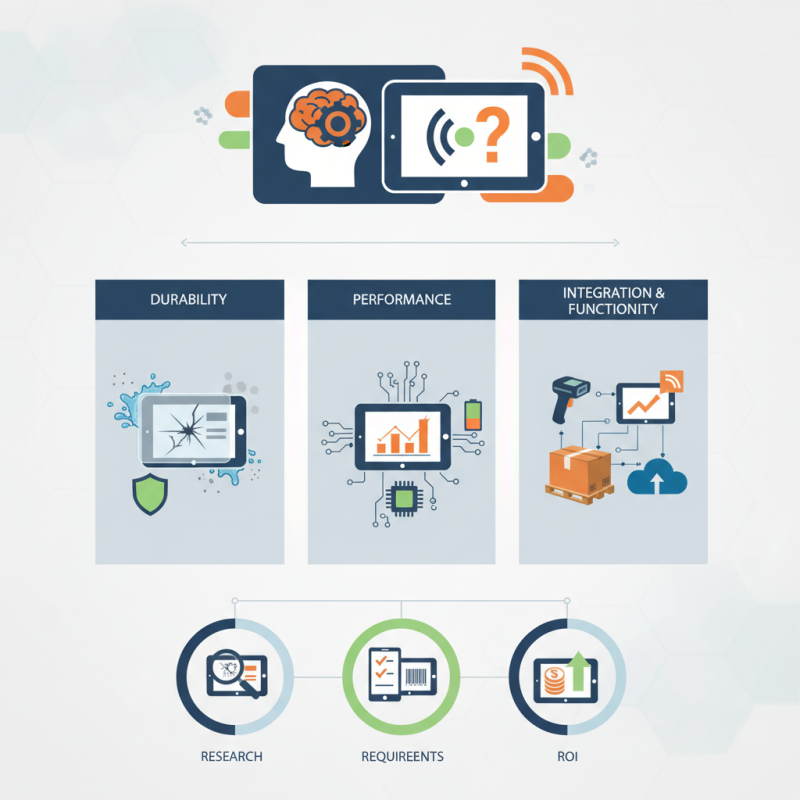
It’s essential to reflect on your business's unique challenges. What hardware features are necessary? Do you need specialized software? Investing time in research can save you costly mistakes. Balancing cost with functionality is critical. A well-informed decision can lead to improved operations and a stronger return on investment.
Understanding RFID Technology and Its Benefits for Industrial Use
RFID (Radio-Frequency Identification) technology plays a crucial role in industrial settings. It uses electromagnetic fields to automatically identify and track tags attached to objects. This system reduces human error and enhances efficiency in inventory management. For businesses, understanding its benefits is vital.
One significant advantage is real-time data access. RFID tablets provide instant updates on inventory levels. This helps in minimizing stockouts and overstock situations. Accurate tracking can lead to better decision-making. Additionally, RFID improves asset management by streamlining operations. Workers can scan items quickly, saving time and enhancing productivity.
However, integrating RFID into existing systems is not always seamless. Companies may face challenges such as infrastructure costs and employee training. Some workers may resist adapting to new technologies. It's essential to address these issues thoughtfully. Careful planning and gradual implementation can lead to improved outcomes. Understanding the intricacies of RFID will help businesses tailor solutions that fit their unique needs.
How to Choose the Best Industrial RFID Tablets for Your Business?
| Feature | Importance | Recommended Specifications | Benefits |
| Screen Size | High | 10-inch or larger | Increased visibility and ease of use |
| Durability | High | IP65 or higher rating | Resist dust and water, suitable for industrial environments |
| Battery Life | Medium | 8 hours or more | Minimizes downtime during shifts |
| Operating System | High | Android or Windows | Flexibility and compatibility with various applications |
| RFID Reader Range | High | 10 meters or more | Improved efficiency in scanning |
| Weight | Medium | Under 2 kg | User comfort during extended use |
Key Features to Look for in Industrial RFID Tablets
When selecting an industrial RFID tablet, there are key features to consider. Durability is paramount. Industrial environments can be tough on devices. A rugged design ensures the tablet withstands drops, dust, and moisture. Look for tablets with certifications like IP67 or MIL-STD-810G. These ratings indicate resistance to harsh conditions, enhancing reliability.
Performance is another critical aspect. The processing power should support multitasking and complex applications. Choose tablets with sufficient RAM and fast processors. This ensures seamless operation during inventory management or logistics tasks. Battery life is essential too. Long-lasting batteries minimize downtime. Aim for a device that offers a full day's use on a single charge.
Connectivity options are also important. Look for tablets with multiple wireless capabilities. Wi-Fi, Bluetooth, and cellular options ensure consistent communication. This flexibility allows seamless updates and data transfers. Lastly, consider the display quality. A clear, bright screen is vital for readability in various light conditions. These features contribute significantly to the overall efficiency of your business operations.
Assessing Durability and Performance Requirements
When selecting industrial RFID tablets, durability and performance are crucial. These devices must endure harsh environments. Water resistance and shockproof features are often necessary in manufacturing and warehousing settings. Tablets should survive spills, drops, and extreme temperatures. Have a clear understanding of your working conditions. This knowledge guides you towards suitable options.
Battery life is another important aspect. Long-lasting batteries minimize downtime during critical operations. Look for tablets that provide reliable performance throughout the day. Fast processing speeds can enhance productivity. Lagging devices can frustrate employees and disrupt workflows. Regularly evaluate your team’s needs to ensure you’re meeting performance benchmarks.
Consider also the ease of use. Intuitive interfaces help employees adapt quickly. Training time should be minimal. However, some complex features may remain underutilized. Strive for an optimal balance between advanced capabilities and user-friendliness. Regularly gather feedback from staff to refine your choice. Address any shortcomings that may arise. This ongoing evaluation is essential for achieving long-term reliability.
Compatibility with Existing Systems and Software
When selecting industrial RFID tablets, compatibility with your current systems and software is crucial. Businesses often rely on specific software platforms for operations. An RFID tablet must seamlessly integrate with these platforms to ensure efficiency. If the tablet cannot read or transmit data properly within your existing setup, it can lead to significant operational delays.
Consider the operating system used by your existing software. Is it Windows, Android, or a proprietary platform? The RFID tablet should operate on a compatible OS to avoid integration issues. Keep in mind that some tablets may boast advanced features that your current software can’t support. This gap can result in wasted resources.
Testing for compatibility often reveals unforeseen challenges. A tablet's hardware may align with your needs, but software mismatches can occur. Communication between devices is key. Ensure that the tablet supports your data protocols. Otherwise, employees might face barriers in accessing job-critical information. Ultimately, thoughtful consideration of compatibility will inform a more informed choice.
Evaluating Cost vs. Long-Term Value for Your Business
When evaluating the cost versus long-term value of industrial RFID tablets, it's crucial to balance initial investments and future benefits. A cheap tablet may save money upfront, but it often lacks durability. A more robust option may require a higher cost, but its longevity can lead to savings over time. Consider the environments where these tablets will be used. If they are exposed to harsh conditions, investing in a reliable model is wise.
Tips for evaluating options:
- Assess your business needs carefully. Will the tablet be used for inventory tracking or asset management?
- Review warranty options. A good warranty can be an indicator of quality.
- Look at the total cost of ownership. Think about software, maintenance, and support services.
Long-term value often surpasses initial spending. If a tablet breaks or performs poorly, it disrupts operations. Consider how frequently you will need replacements. Frequent replacements add hidden costs.
Evaluate the functionalities you require. A tablet with advanced scanning capabilities might be pricier but can streamline processes. Reflect on your decision-making approach. Prioritizing cost alone can be tempting but may not serve your business in the long run. The reliability of a good RFID tablet can lead to significant productivity gains.


 House of Worship
 Transportation
 Trade shows led display
 retail
 Creative Led Solutions
 Hospitality
 Higher Education
 Corporate LED