How to Choose the Best LED Screen Panels for Your Event or Business Needs
When it comes to organizing an event or enhancing your business’s visual communication, choosing the right LED screen panels can make all the difference. These modern displays offer unparalleled clarity and vibrant colors, making them an essential tool for any professional setting. According to industry expert Michael Thompson, “Selecting the appropriate LED screen panels not only elevates the audience’s experience but also amplifies the message you wish to convey.”
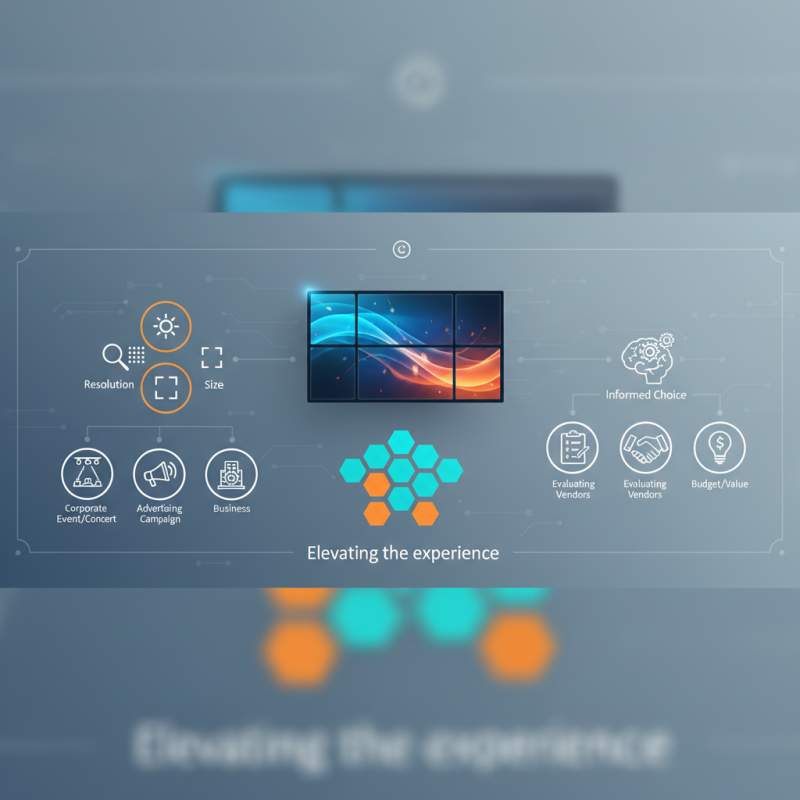
With the variety of options available in the market today, understanding the specific needs of your project is crucial. Factors such as resolution, brightness, and size play an integral role in determining the effectiveness of your visual presentation. Whether you are planning a corporate event, concert, or advertising campaign, ensuring that your LED screen panels are tailored to your requirements will significantly enhance your overall impact.
In this guide, we will delve into key considerations for selecting the best LED screen panels that align with your event or business objectives, ensuring that you make an informed choice every step of the way. From understanding technical specifications to evaluating potential vendors, you'll find the insights needed to bring your vision to life through the power of LED technology.
Types of LED Screen Panels Available for Events and Businesses
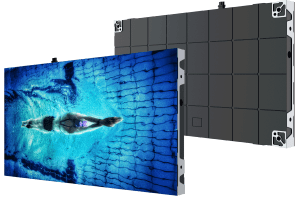
When selecting LED screen panels for events and businesses, it’s essential to understand the various types available to meet your specific needs. One common type is indoor LED panels, which offer high resolution and vibrant colors, making them ideal for exhibitions, conferences, or retail displays. These screens are designed to create an immersive experience for viewers, ensuring clarity even in well-lit environments. They are often modular, allowing for flexible configurations to suit different spaces.
On the other hand, outdoor LED panels are built to withstand weather conditions while delivering high brightness and clarity, making them suitable for concerts, festivals, or advertising purposes. These panels usually feature a higher pixel pitch to allow for visibility from greater distances. Additionally, there are versatile options like rental LED screens, which can be easily transported and set up for temporary events. By understanding these different types of LED screens, businesses and event planners can make informed decisions that align with their visual communication objectives.
How to Choose the Best LED Screen Panels for Your Event or Business Needs
| Type of LED Screen Panel |
Resolution (Pixels) |
Brightness (nits) |
Typical Use Cases |
Price Range (USD) |
| Indoor LED Screen |
1920 x 1080 |
1000 - 2000 |
Conferences, exhibitions, retail |
$2,000 - $10,000 |
| Outdoor LED Screen |
1920 x 1080 |
4000 - 5000 |
Concerts, festivals, outdoor events |
$5,000 - $30,000 |
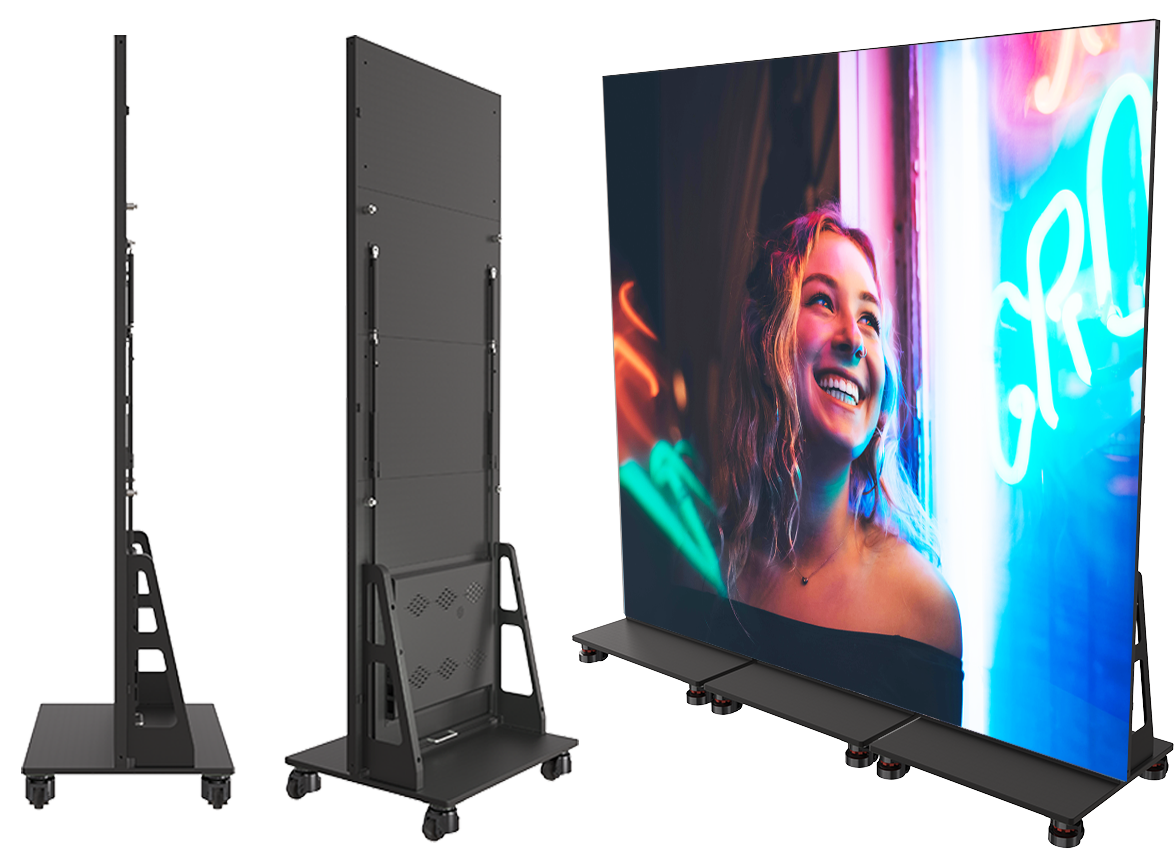
| Portable LED Screen |
1280 x 720 |
2000 - 3000 |
Roadshows, pop-up events |
$1,000 - $8,000 |
| LED Video Wall |
3840 x 2160 |
3000 - 4000 |
Broadcasting, large events |
$10,000 - $50,000 |
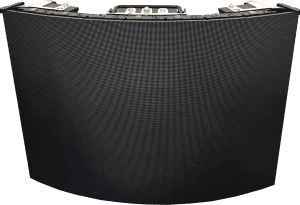
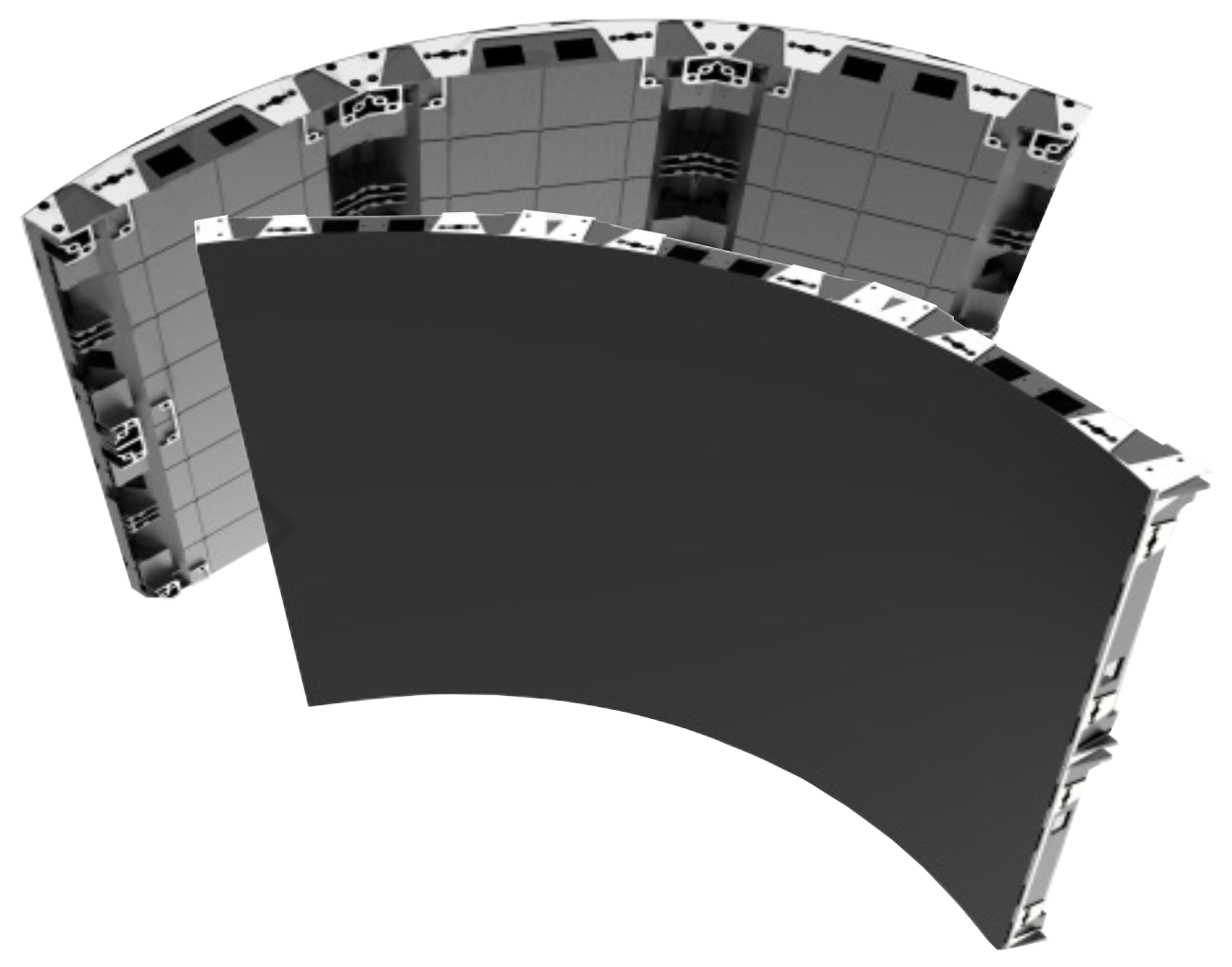
| Curved LED Screen |
1920 x 1080 |
2000 - 3000 |
Art installations, immersive experiences |
$15,000 - $70,000 |
Key Factors to Consider When Selecting LED Screen Panels
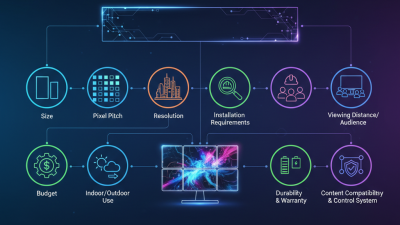
When selecting LED screen panels for your event or business needs, several key factors must be taken into account to ensure optimal performance and satisfaction.
First and foremost, resolution plays a critical role. High-resolution panels are essential for creating clear and vibrant images, particularly in settings where viewing distance is limited.
According to industry reports, panels with pixel pitches below 4mm are recommended for close viewing, while pitches above 10mm may suffice for larger audiences or outdoor applications.
This specificity ensures that audience members enjoy a visual experience that is both engaging and professional.
Another vital consideration is brightness, especially for outdoor events where natural light can significantly impact visibility.
The recommended brightness for outdoor LED screens ranges from 5,000 to 7,000 Nits, according to the International Sign Association, ensuring that content remains vivid even under direct sunlight.
Additionally, durability and weather resistance are crucial; panels with IP ratings of 65 or higher are considered suitable for fluctuating environmental conditions.
Understanding the specific needs of the event—such as indoor versus outdoor location, audience size, and content type—will guide the selection process, allowing businesses to invest in technology that enhances their visibility and impact while meeting operational requirements.
Comparing Indoor vs. Outdoor LED Screen Panels
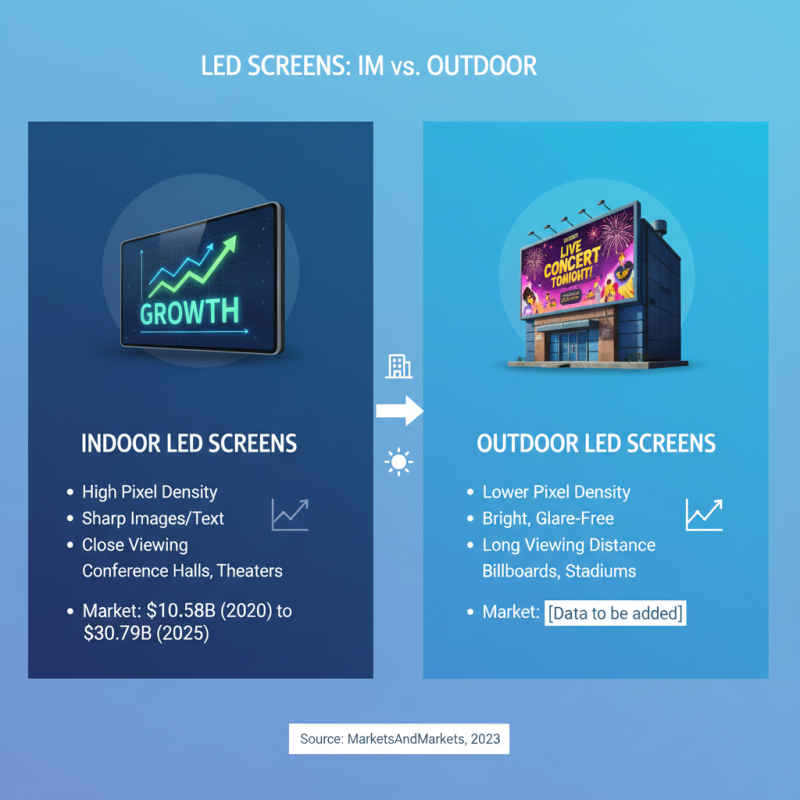
When considering LED screen panels for your event or business, understanding the distinctions between indoor and outdoor options is essential. Indoor LED screens typically feature a higher pixel density, which translates to sharper images and text for close viewing distances, making them ideal for venues like conference halls and theaters. According to a report by MarketsandMarkets, the indoor LED display market is expected to grow from $10.58 billion in 2020 to $30.79 billion by 2025, driven by the demand for high-quality visual content in corporate events and entertainment sectors.
In contrast, outdoor LED screens are engineered to withstand the elements, featuring greater brightness levels and durability. These panels often utilize larger pixel pitches, allowing them to be visible from greater distances, making them suitable for billboards, sports events, and concerts. The outdoor LED display market was valued at approximately $4.80 billion in 2020 and is projected to reach $7.67 billion by 2026, as highlighted in a report by Allied Market Research, reflecting the growing trend of outdoor advertising and public information displays. When selecting between indoor and outdoor options, it's crucial to assess environmental factors, viewing distance, and content type to ensure optimal performance and impact.
Understanding the Resolution and Brightness Requirements
When selecting LED screen panels for your event or business, understanding resolution and brightness requirements is crucial for ensuring optimal visual performance. The resolution of an LED panel refers to the number of pixels it contains, which directly impacts image clarity and detail. For events involving detailed graphics or close-up viewing, such as conferences and exhibitions, a higher resolution is recommended. Conversely, for larger outdoor displays viewed from a distance, a lower resolution may suffice, as viewers are generally less focused on individual pixels.
Brightness is another key factor to consider, particularly in environments with varying light conditions. Measured in nits, the brightness level determines how well the content on the screen can be viewed in bright daylight or well-lit venues. For outdoor events, screens typically require a brightness of at least 5,000 nits to remain legible. In contrast, indoor settings with controlled lighting may only need panels with around 1,000 to 2,500 nits. Balancing resolution and brightness according to your specific venue and audience will significantly enhance your visual presentations and engagement.
LED Screen Panels: Resolution and Brightness Requirements
Budgeting for LED Screen Panels: Costs and Rental Options
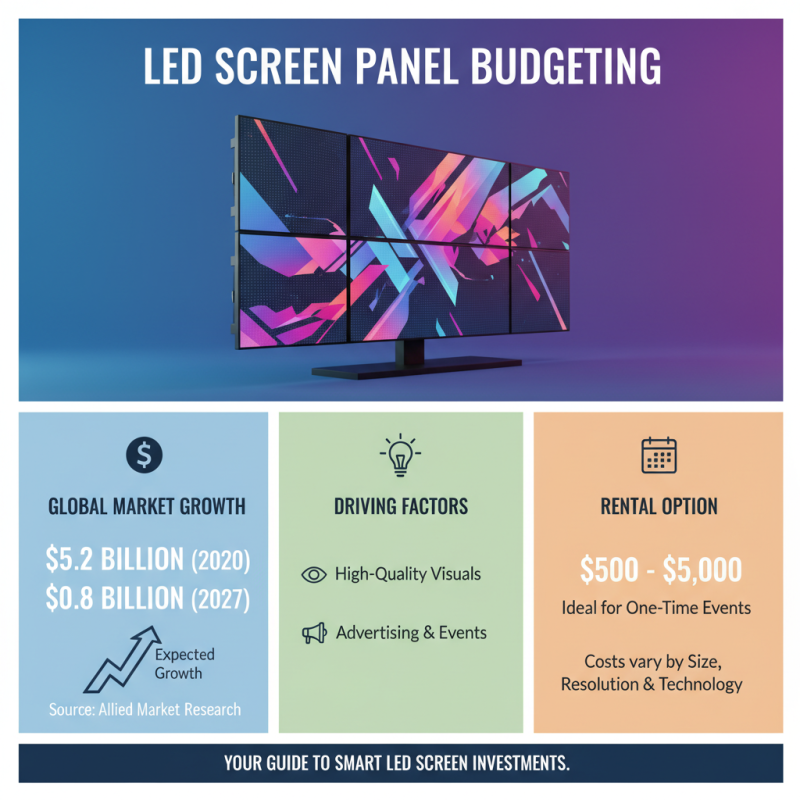
When budgeting for LED screen panels, understanding the associated costs and rental options is essential for various events and business needs. According to a report by the Allied Market Research, the global LED display market was valued at approximately $5.2 billion in 2020 and is expected to reach around $10.8 billion by 2027. This growth is largely driven by the increasing demand for high-quality visuals in advertising and event management. For businesses eyeing an LED screen for a one-time event, renting might be the most cost-effective option. Typically, rental costs can range from $500 to $5,000 depending on the size, resolution, and technology of the screen.
Consideration of additional expenses is crucial when budgeting for LED screens. Beyond the rental fee, there may be costs related to transportation, installation, and technical support. A typical installation can incur an additional 20-30% of the total rental fee. For instance, a high-resolution screen designed for outdoor events may require advanced installation services, which can drive up the cost. Businesses should also account for the potential need for content creation, as engaging displays often necessitate pre-prepared visuals tailored to the event, adding to the overall budget. Understanding these factors can help organizations make informed decisions that align with their financial plans while optimizing the impact of their visual displays.


 House of Worship
 Transportation
 Trade shows led display
 retail
 Creative Led Solutions
 Hospitality
 Higher Education
 Corporate LED