How to Choose the Best Pir Detectors for Your Needs?
Choosing the right PIR detectors for your needs is crucial. The market is saturated with options, making informed decisions essential. According to a recent report by Grand View Research, the global market for PIR sensors is expected to reach over $1.5 billion by 2027. This rapid growth indicates increasing reliance on advanced motion detection technology.
Dr. Emily Carter, a leading expert in smart security systems, emphasizes, "The effectiveness of PIR detectors relies heavily on understanding their functionalities." Selecting the best device involves evaluating sensitivity, range, and placement. Many users underestimate how these factors impact performance. Quality devices can differentiate between pets and humans, reducing false alarms.
As technology evolves, so do the expectations of consumers. It’s vital to reflect on your unique needs before investing. Do you require a device for outdoor surveillance or indoor safety? Each scenario presents different challenges. With the right information and expert guidance, you can find the ideal PIR detectors that meet your specific requirements.
Understanding the Basics of PIR Detectors
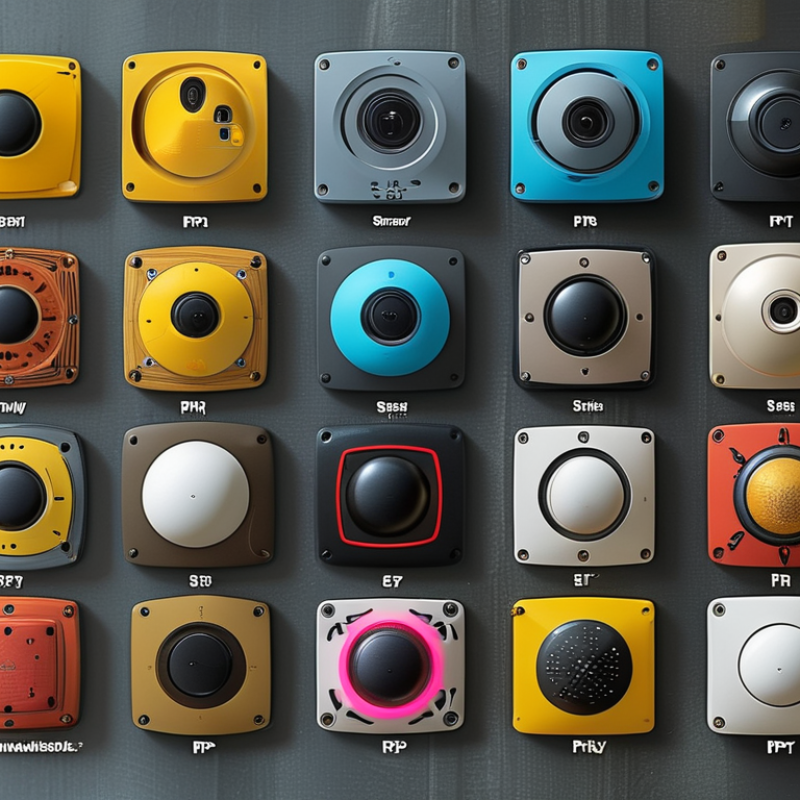
When choosing a PIR (Passive Infrared) detector, it’s vital to understand how they work. These detectors sense changes in heat emitted by objects in their field of view. They are commonly used for security and automation systems. A strong advantage of PIR detectors is their ability to detect motion without any physical contact. This can reduce false alarms triggered by environmental factors like wind or rain.
It's important to consider the installation environment. PIR detectors need ample space to monitor effectively. They perform best in unobstructed areas. Coverage range varies significantly among models and designs. Adjustments might be necessary based on your specific needs. Some users find limitations in detection angle. It's essential to review the specifications to ensure the detector will cover your required areas adequately.
Understanding the sensitivity settings is also crucial. Many detectors allow adjustments to reduce false positives, especially in homes with pets. However, too much sensitivity may miss genuine movements. Testing the device in different conditions can help you gauge performance. This helps ensure a reliable security solution tailored to your specific circumstances. Finding the right balance is often a matter of trial and error.
Key Features to Consider When Choosing PIR Detectors
When selecting PIR (Passive Infrared) detectors, several key features must be evaluated. Detection range is crucial. A longer range can cover larger areas, which is essential for security in expansive spaces. Look for detectors with adjustable sensitivity. This allows you to tailor detection levels based on the environment. Too sensitive detectors can lead to false alarms from pets or moving objects.
Another important feature is the mounting options. Some detectors are designed for wall installation, while others can be ceiling-mounted. This versatility can influence how effectively the device covers your intended area. Additionally, consider the environmental conditions where you’ll be using the detector. If it’s outdoors, choose models with weatherproof designs.
The power source is also a factor. Battery-operated units offer flexibility but require regular maintenance. Wired units may have a stable power supply but can be more complex to install. Lastly, ensure that the range of operating temperature suits your needs. Environments that experience extreme temperatures may compromise the detectors' reliability. Make choices that reflect your specific situation and environment for better effectiveness.
Evaluating Detection Range and Sensitivity Levels
When selecting the best PIR detectors, understanding detection range and sensitivity levels is crucial. The detection range refers to the maximum area a PIR sensor can cover. A broader range can be beneficial in larger spaces, ensuring no corner is left unmonitored. However, a wide detection area can lead to false alarms if not carefully calibrated. It's essential to assess the environment. Open areas need different specifications than crowded ones.
Sensitivity is equally important. It determines how responsive the detector is to movement. Higher sensitivity might be desirable, but it can also lead to annoying triggers from pets or minor movements. Consider the potential for human error in placement. A sensor positioned too low might miss action, while one too high could capture unnecessary disturbances. Testing different configurations can help optimize performance, revealing the ideal balance between range and sensitivity.
Detection Range and Sensitivity Levels of PIR Detectors
This chart illustrates the detection range of PIR detectors based on their sensitivity levels. As sensitivity increases, the detection range also increases, providing more effective coverage for security applications.
Comparing Wired vs. Wireless PIR Detector Options
When choosing PIR detectors, the choice between wired and wireless options is pivotal. Wired PIR detectors offer reliable connections. They are powered through existing electrical systems, minimizing the risk of dead batteries. However, installation can be challenging. You must run wires and ensure proper placement, which can require professional help.
Wireless PIR detectors are easier to install. They operate on batteries and communicate via radio waves. This allows for flexibility in positioning. You can place them anywhere within range. Yet, battery maintenance is essential. Forgetting to change batteries can leave blind spots in your security coverage.
Tips: Consider your layout. If your space is complex, wired might ensure stable connections. For simpler, accessible areas, wired could suffice. Also, evaluate your security needs. If you require a quick setup, wired options are faster. However, when seeking a long-term solution, wired detectors may be more dependable. Remember, both types have pros and cons; weigh them carefully before making a decision.
Assessing Your Specific Security Needs and Environment
When selecting pir detectors, understanding your environment is crucial. Different settings have unique security challenges. For example, homes may require more discreet devices. In contrast, commercial spaces might benefit from advanced technology. Considering the layout of your property is essential. Are there blind spots? What about high-traffic areas?
Next, think about your specific security needs. Do you need motion tracking for indoors or outdoors? Indoor detectors focus on movement within rooms. Outdoor detectors should be weatherproof and cover larger areas. An overly sensitive detector can lead to false alarms. You want reliability alongside responsiveness. Not every detector suits every need.
Finally, reflect on your personal experience. Have previous systems worked well? What didn't? This reflection will guide you toward the right choice. Aim for a balance between technology and practicality. Engaging with your unique security context is key to making a sound decision.


 House of Worship
 Transportation
 Trade shows led display
 retail
 Creative Led Solutions
 Hospitality
 Higher Education
 Corporate LED