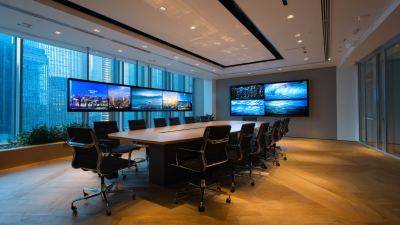
How to Choose the Best Video Wall Controller for Your Display Needs in 2025
As technology continues to advance at a rapid pace, the demand for high-quality visual displays in various settings becomes increasingly prominent. In 2025, choosing the best video wall controller is essential for any organization looking to enhance their visual presentation capabilities. Whether it's for a corporate environment, educational institution, or event venue, the right video wall controller plays a critical role in ensuring that your content is displayed effectively and seamlessly across multiple screens.
With a plethora of options available on the market, determining which video wall controller best suits your display needs can be daunting. Factors such as resolution, compatibility with various display technologies, and user-friendly interfaces must all be considered to make an informed decision. Additionally, understanding the specific requirements of your environment and the types of content you will be displaying will guide you toward the ideal solution.
In this guide, we will explore the essential features and considerations to keep in mind when selecting a video wall controller. By emphasizing the importance of these elements, you will be better equipped to invest in a solution that not only meets your current requirements but also adapts to the evolving landscape of visual technology in the years to come.
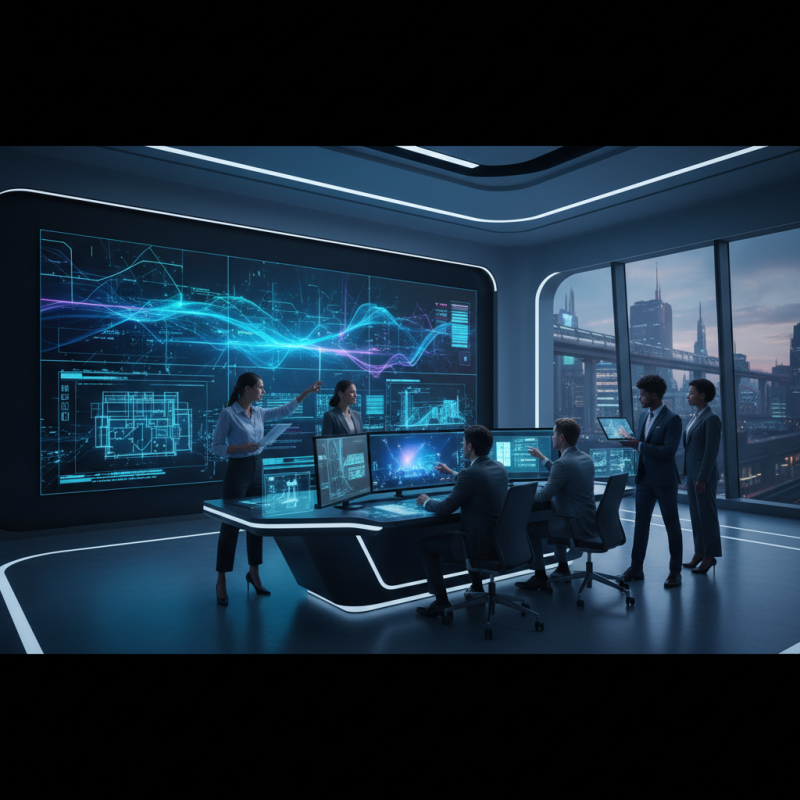
How Video Wall Controllers Enhance Display Technology in 2025
In 2025, video wall controllers play a crucial role in enhancing display technology by providing seamless integration, improved processing capabilities, and user-friendly interfaces. These controllers allow multiple screens to be synchronized, creating a cohesive visual experience suitable for various settings, from corporate environments to dynamic public displays. With advancements in technology, video wall controllers now support higher resolutions and faster refresh rates, ensuring that the displays remain sharp and lifelike, even during high-action presentations.
When selecting the best video wall controller, consider the scalability of the system. Ensure that the controller can support future expansions, as your display needs may evolve. Look for features such as multi-source capability, which allows for the integration of various content streams without losing quality. Additionally, evaluate the ease of use; a user-friendly interface will simplify operations and reduce the learning curve associated with new technology.
It's essential to assess compatibility with your existing hardware and software systems. Before making a decision, test the controller in your intended environment to verify its performance. Checking reviews and seeking demonstrations can provide insights into the reliability and functionality of the controller, helping you make an informed choice for your display needs.
Video Wall Controller Performance Comparison in 2025
Key Features to Consider When Selecting a Video Wall Controller
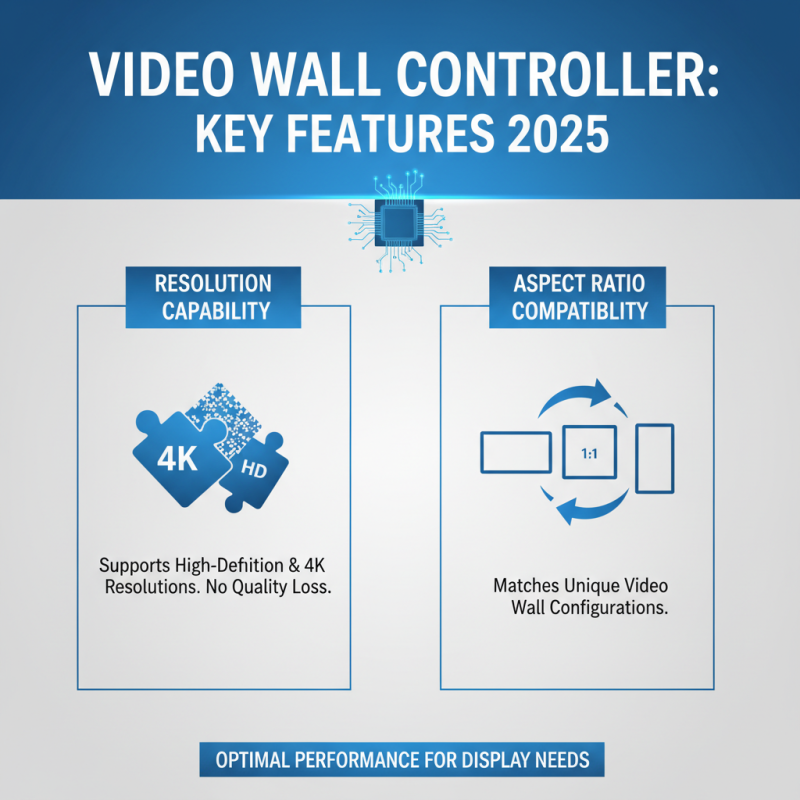
When selecting a video wall controller, there are several key features that one should prioritize to ensure optimal performance for display needs in 2025. Firstly, resolution capability is crucial; choose a controller that can support the desired pixel count of your video wall. High-definition and 4K resolutions are becoming standard, so ensure the controller can handle these without any quality loss. Additionally, consider the aspect ratio compatibility to match your specific video wall configuration, as different setups may require unique handling.
Another essential feature is input and output options. A versatile controller should offer multiple input sources, such as HDMI, DisplayPort, and SDI, to accommodate various content types without the need for adapters. Moreover, the ability to manage and switch between different sources seamlessly will enhance the user experience, making it easy to display dynamic and engaging content. Lastly, evaluate the controller's scalability and flexibility; it should allow for easy expansion in the future as your display needs evolve, ensuring that your investment remains relevant over time.
Understanding Resolutions: 4K vs. 8K in Video Wall Applications
When considering video wall applications, understanding the difference between 4K and 8K resolutions is crucial for selecting the right video wall controller. As video wall technology evolves, 8K resolution is becoming increasingly relevant in sectors that demand high visual fidelity, such as control rooms, broadcasting, and immersive experiences. Reports suggest that the global video wall market is projected to reach $20 billion by 2025, driven in part by this shift to higher resolutions.
8K offers four times the pixel density of 4K, allowing for more detailed imagery and crisper visuals, which can significantly enhance user engagement and data interpretation in environments where clarity is paramount.
However, the choice between 4K and 8K isn't solely about resolution; bandwidth requirements and content availability should also be considered. A 2022 industry analysis indicated that 8K content is still scarce, with most media being produced in 4K or lower resolutions. If the majority of the content will not be available in 8K, investing in 8K technology may not offer a substantial benefit.
Additionally, the infrastructure required to support 8K video, including higher bandwidth and advanced processing capabilities, tends to increase complexity and cost. Therefore, organizations must carefully evaluate their specific display needs, intended content usage, and technological capabilities before finalizing their decision on video wall resolution.
Budgeting for Your Video Wall: Average Costs and ROI Considerations
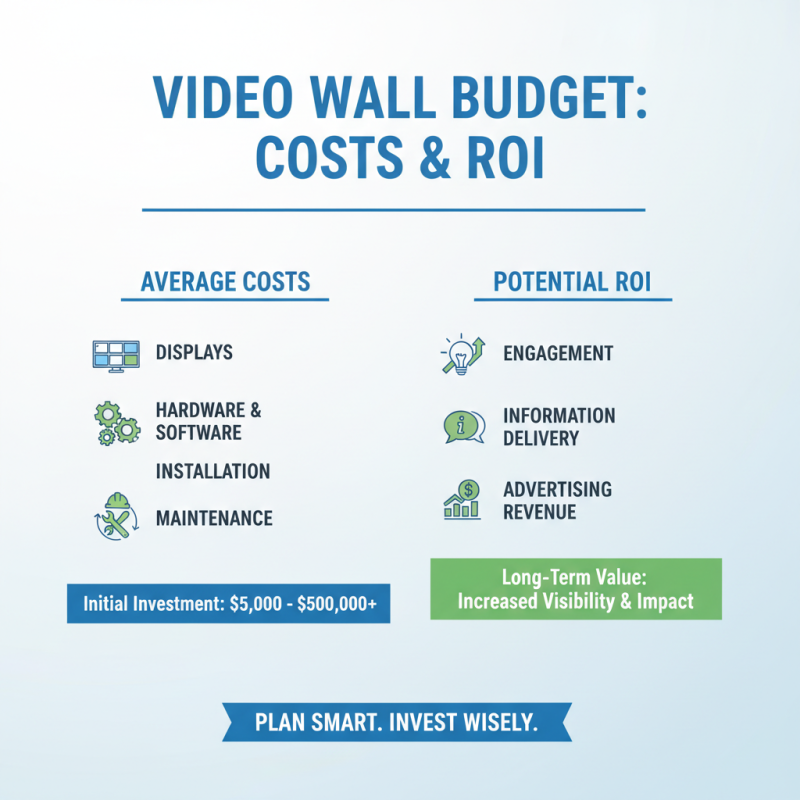
When budgeting for a video wall, it’s essential to consider both the average costs involved and the potential return on investment (ROI) that such technology can deliver. On average, the initial investment for a high-quality video wall setup can range significantly depending on factors such as screen size, resolution, and controller capabilities. Expect to budget for not only the displays themselves but also the necessary hardware and software, installation costs, and ongoing maintenance. A comprehensive budget plan should take into account these various components to ensure financial preparedness.
Evaluating ROI is equally important, as a well-planned video wall can provide significant benefits in both engagement and operational efficiency. For instance, businesses may experience increased customer traffic and attention when using video walls for advertising or branding purposes, leading to higher sales. It's crucial to measure metrics such as viewership, customer dwell time, or even direct revenue generated from promotions displayed on the video wall. By aligning video wall expenditures with expected outcomes, organizations can make informed decisions, ensuring that their investment contributes positively to their overall business strategy.
Emerging Trends in Video Wall Controllers: AI and Automation Integration
The integration of artificial intelligence (AI) and automation into video wall controllers is transforming how displays are managed and utilized. In 2025, we can expect these technologies to enhance the functionality of video walls, offering seamless content management and more intuitive user interfaces.
AI can analyze viewer engagement and optimize content delivery in real time, ensuring that displays are always presenting the most relevant information. This capability not only maximizes the impact of visual communication but also reduces the manual labor involved in content updates and configuration.
Moreover, automation is set to streamline operations by enabling remote control and management of video wall systems. This means operators can easily adjust settings, layouts, and content from anywhere, improving flexibility and responsiveness in dynamic environments such as event spaces, retail settings, and corporate offices.
For instance, with automated monitoring and alerts, potential issues can be addressed proactively, minimizing downtime and ensuring uninterrupted service. As these emerging trends take hold, users will find themselves equipped with powerful tools that enhance both the aesthetic and functional aspects of their video wall displays, all while simplifying the operational complexities that typically accompany such advanced technologies.


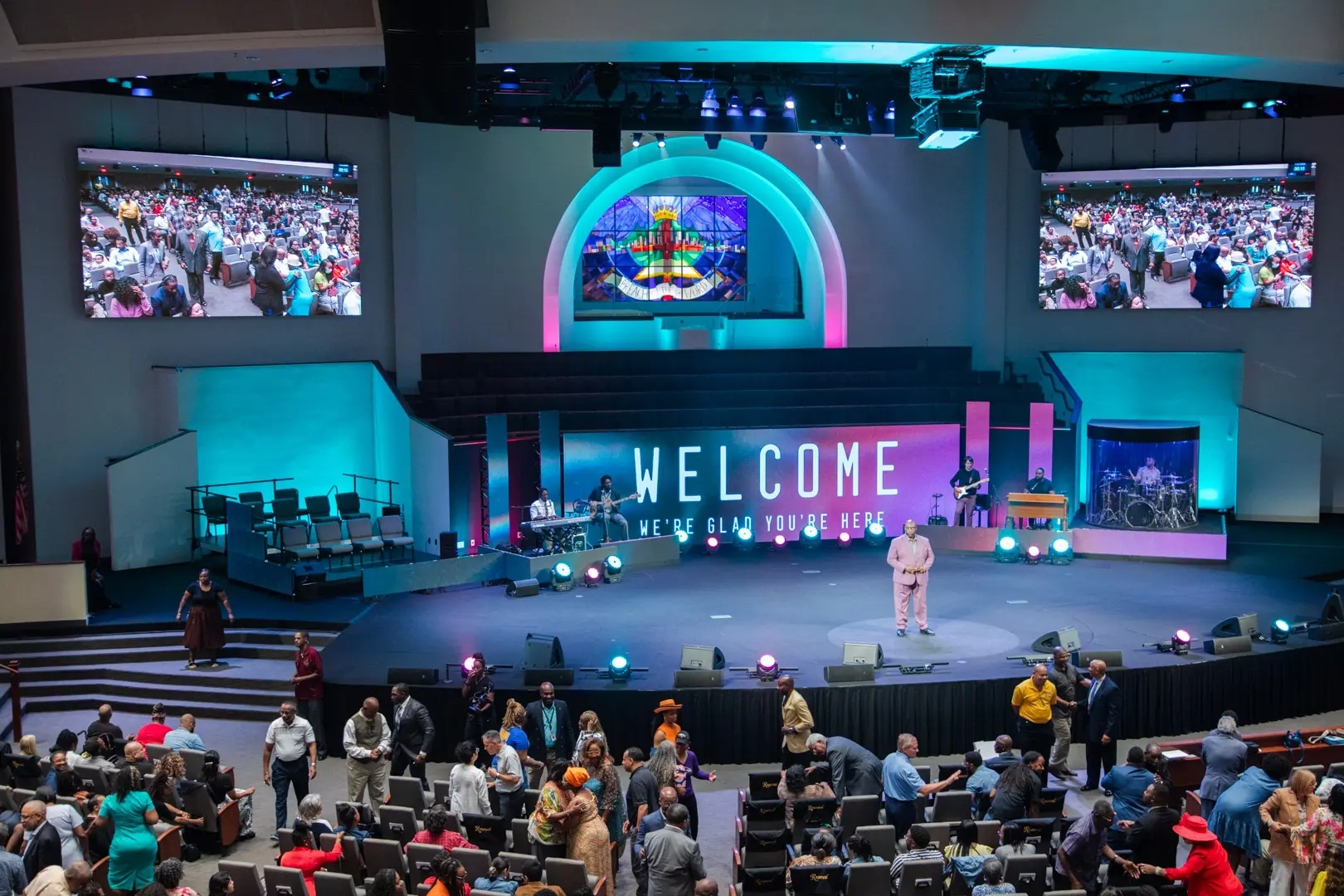
 House of Worship
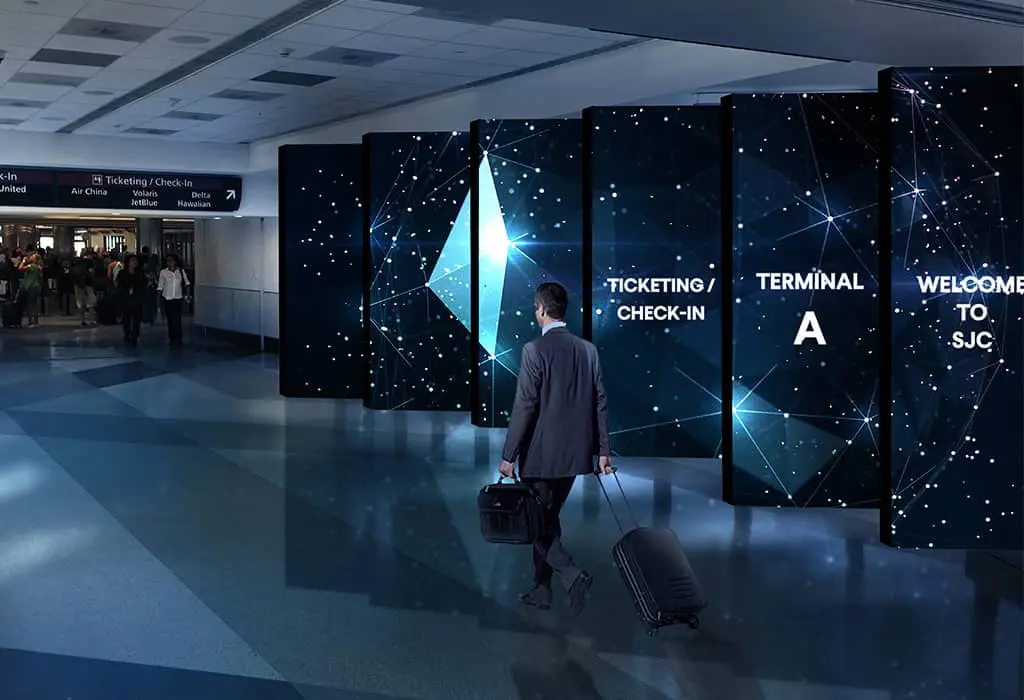
 Transportation
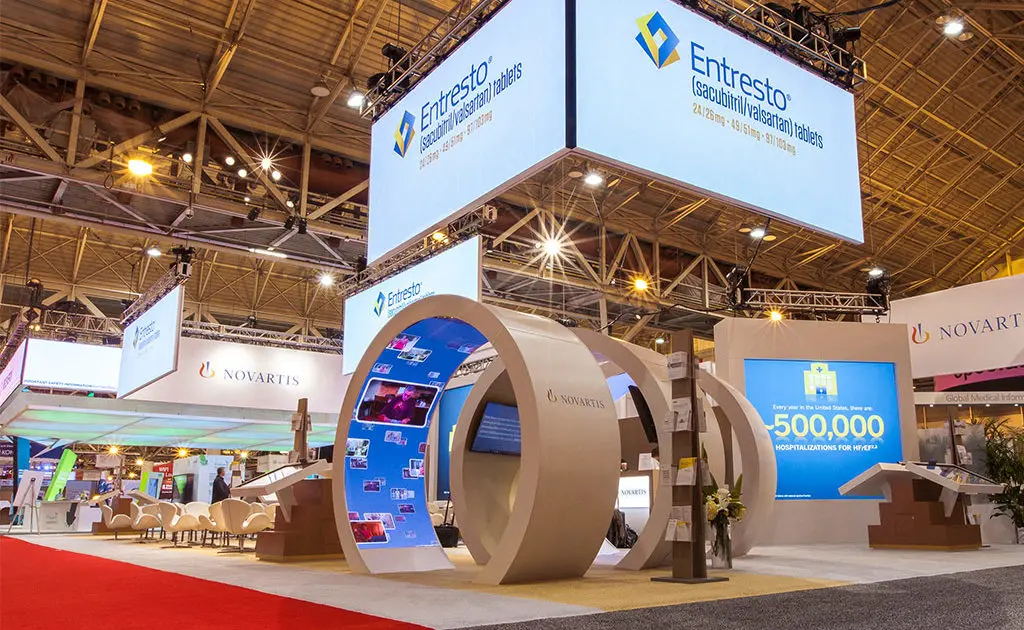
 Trade shows led display
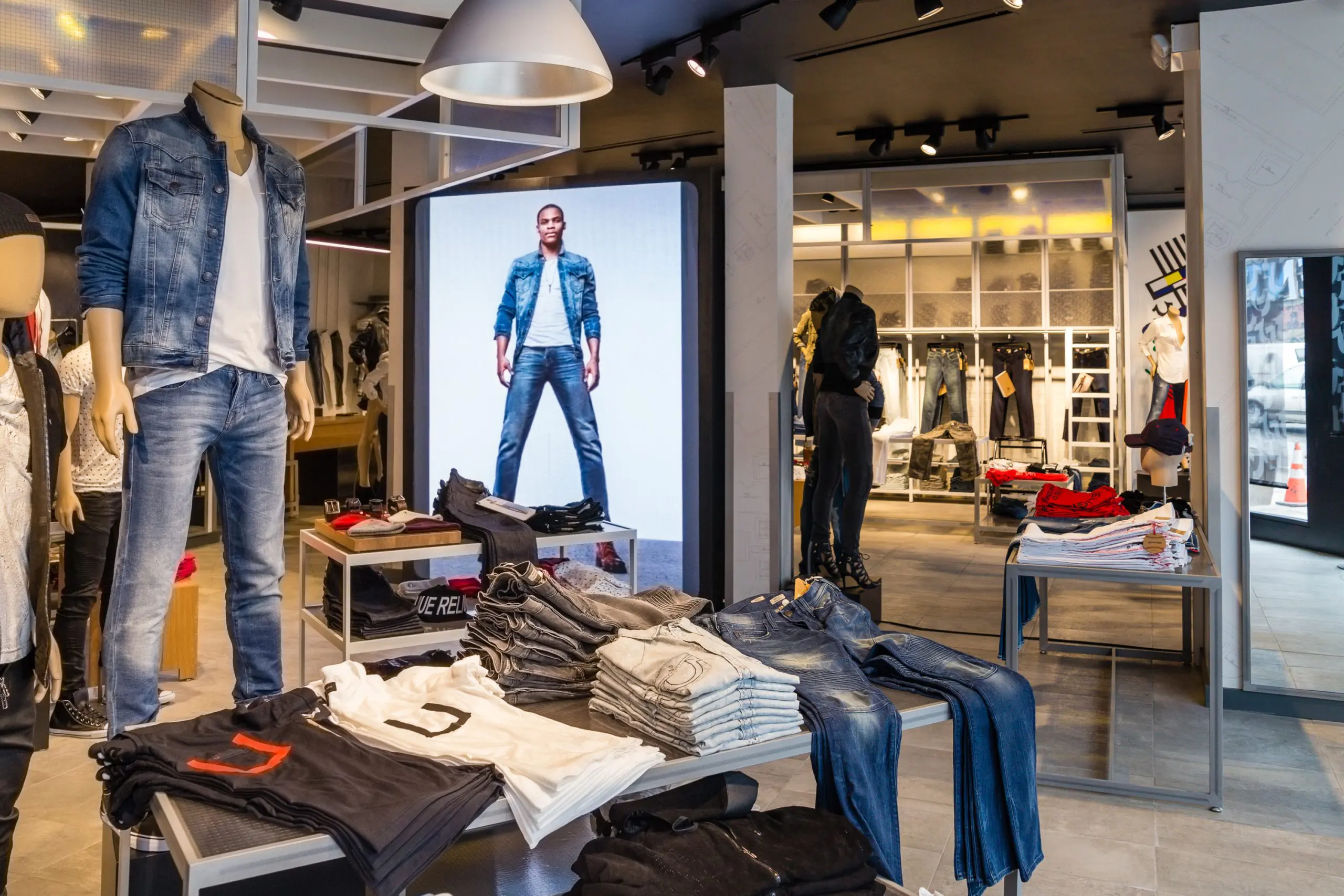
 retail
 Creative Led Solutions
 Hospitality
 Higher Education
 Corporate LED