How to Choose the Right Outdoor LED Signs for Your Business Needs?
In today’s competitive market, selecting the right outdoor LED signs can significantly impact your business’s visibility and customer engagement. Recent studies show that over 75% of consumers notice outdoor signs, making them critical for attracting foot traffic. According to industry expert Mark Johnson, “Effective signage can enhance brand awareness and increase sales by up to 15%.” This statistic underscores the importance of thoughtful selection.
Choosing outdoor LED signs requires careful consideration of your specific needs. Factors such as size, brightness, and design directly influence how well they perform. Poor choices may lead to wasted resources and missed opportunities. A well-designed sign can convey your message quickly, while a poorly designed one may confuse or repel potential customers.
However, the market is filled with various options that can overwhelm business owners. Reflecting on your unique branding and audience is essential. Each decision should align with your business goals. Ultimately, outdoor LED signs must resonate with your intended audience to achieve the intended impact. As the market evolves, keeping up with trends and technology will be equally important to ensure success.
Understanding the Importance of Outdoor LED Signs for Businesses
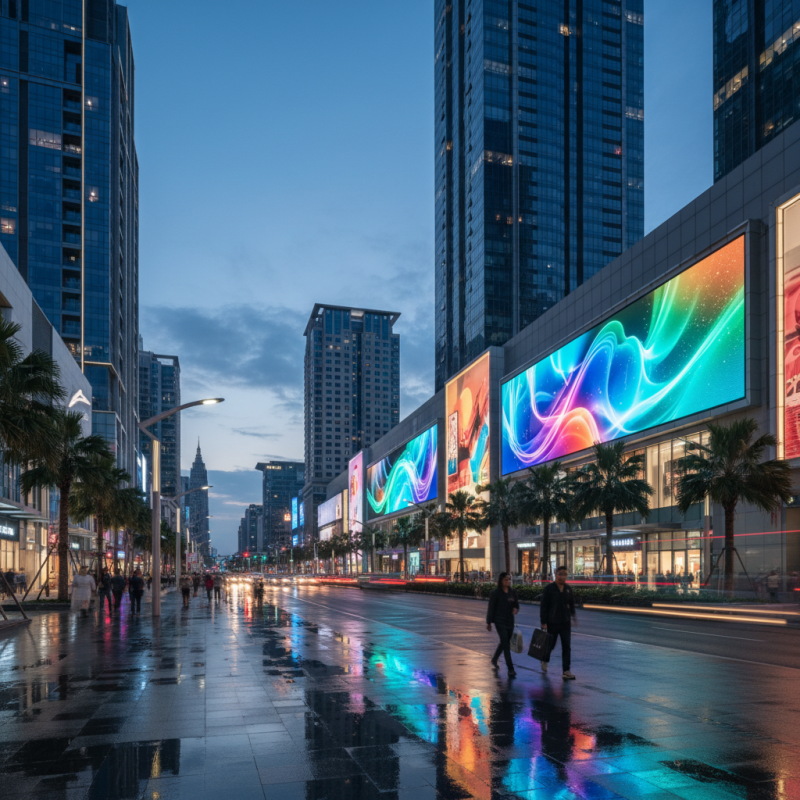
Outdoor LED signs play a crucial role in today’s competitive business landscape. They provide visibility and can significantly increase foot traffic. A well-placed LED sign draws attention. Bright, dynamic displays showcase promotions and announcements effectively. They can communicate messages clearly, even from a distance.
Consider the potential that these signs hold. In high-traffic areas, they can reach a diverse audience. However, it's important to choose the right design and messages. Sometimes businesses overuse text or animations, creating confusion. An effective sign should combine simplicity and clarity. It must stand out without overwhelming the viewer. Colors and lighting should align with your brand identity.
Many businesses underestimate the impact of maintenance. Regular checks are essential to ensure the sign functions properly. A flickering display can detract from your message. This leads to potential lost customers. Therefore, investing time in upkeep is just as important as the initial purchase. Outdoor LED signs have great potential, but they require thoughtful consideration and genuine effort to maximize their benefits.
Key Factors to Consider When Choosing Outdoor LED Signs
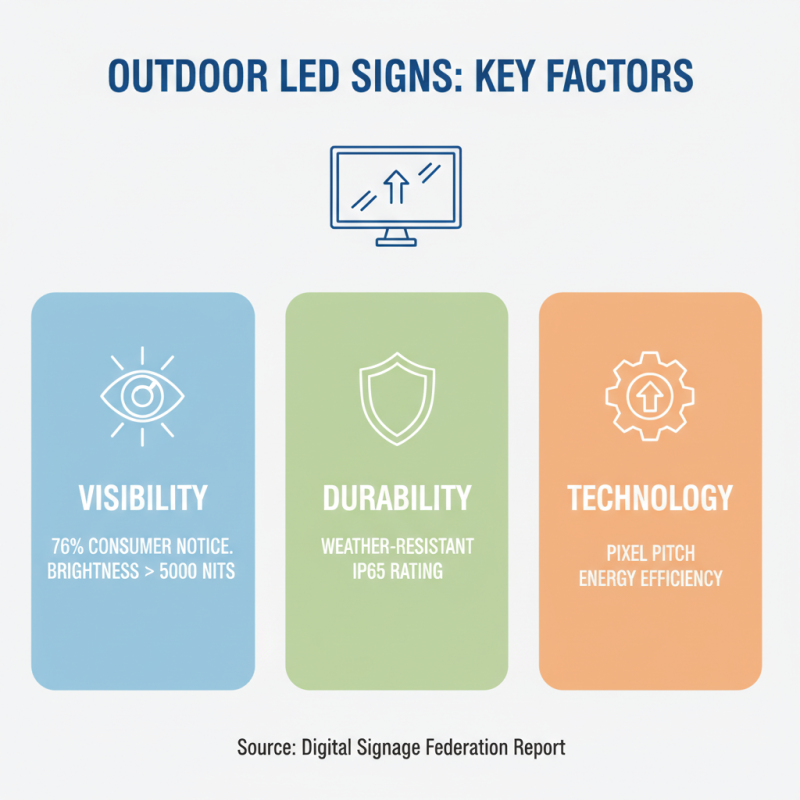
Choosing the right outdoor LED signs involves several key factors. One critical element is visibility. According to a report by the Digital Signage Federation, 76% of consumers notice digital signage. This means your sign must be bright enough to catch attention, even in direct sunlight. Look for signs with a minimum brightness of 5,000 nits. This brightness ensures readability from a distance.
Another factor is size. The average eye can read text effectively from about 100 feet away, which requires specific dimensions. A common recommendation is to use one inch of letter height for every 10 feet of distance. For example, if you want your message readable from 100 feet, opt for at least 10-inch tall letters. This ensures clarity.
Lastly, consider versatility. Many businesses need to change their messages frequently. Flexibility can be a game-changer. Certain LED signs allow for easy updates via software. However, not all models support this feature. Think about your business's needs and how often you might change content. A poor choice here could lead to wasted resources. Reflect on your requirements and how often you need to adapt your messaging. Choose wisely.
Analyzing the Different Types of Outdoor LED Signs Available
Outdoor LED signs come in various types, each serving different business needs. These signs can be used for advertising, promotions, or wayfinding. Digital displays are popular due to their vibrant colors and ability to change content easily. They attract attention effectively but can be costly to install and maintain.
Another option is the static LED sign. These signs offer a simpler approach and are ideal for conveying a single message. They are generally more affordable and require less maintenance. However, they lack the dynamic appeal of digital displays. Therefore, businesses should consider their message frequency when choosing.
Additionally, scrolling LED signs can be a middle ground. They display moving text, capturing attention without a hefty price tag. But they might not be suitable for all settings. Each type has its pros and cons, requiring careful analysis based on specific business goals, budget constraints, and target audience.
How to Choose the Right Outdoor LED Signs for Your Business Needs?
| Sign Type |
Brightness (Nits) |
Resolution (Pixels) |
Average Lifespan (Years) |
Cost (USD) |
| Single Color LED Signs |
5000 |
32x16 |
5 |
300 |
| Full Color LED Signs |
8000 |
64x32 |
7 |
1200 |
| Monochrome LED Message Boards |
4000 |
32x8 |
6 |
500 |
| Scrolling LED Signs |
6000 |
48x16 |
8 |
800 |
| Digital Billboards |
10000 |
192x112 |
10 |
20000 |
Evaluating Brightness and Visibility for Optimal Performance
When selecting outdoor LED signs, evaluating brightness and visibility is crucial. Studies indicate that a brightness level of 2,000 to 5,000 nits is ideal for signs exposed to direct sunlight. This ensures that your message remains clear, even in bright conditions. A sign’s visibility can vary based on its distance from the viewer. For example, a sign might need to be at least 20 feet tall for effective viewing from 100 feet away.
Moreover, consider the LED’s color temperature. Signs with a color temperature around 6,500K display brighter and more vibrant images. This range enhances readability, especially in urban settings. The varying intensities of colors can also impact visibility. Yellow and green hues tend to stand out more against a cluttered background. However, over-saturation can create a visual strain.
Many businesses overlook the importance of location. A high-brightness sign on a busy road may drown out less saturated messages nearby. Adverse weather conditions also challenge visibility. Rain and fog can reduce clarity significantly, making proper installation crucial. Understanding these factors allows businesses to make informed decisions, yet many still underestimate their impact.
Assessing Cost vs. Benefits: A Financial Perspective on LED Signs
When considering outdoor LED signs, the cost versus benefits must be weighed carefully. According to a recent study by the International Sign Association, LED signs can yield up to a 150% return on investment over three years. This means that for every dollar spent, businesses can expect significant gains from increased visibility and customer engagement. However, the initial costs can be daunting. Installation and equipment may require a larger upfront investment compared to traditional signage.
Maintenance costs are also a consideration. While LED signs are energy-efficient, they might incur expenses over time. A report from the U.S. Department of Energy indicates that LEDs use 75% less energy than incandescent lighting. While this leads to savings, issues like weather damage or technical failures can arise. Businesses need to prepare for these potential setbacks. Are the benefits really worth the risks?
Evaluating your audience is crucial. Do they engage with digital content? Analyzing consumer behavior can guide decisions. A survey from Digital Signage Today found that 79% of people notice digital signage. This may translate to increased foot traffic. However, businesses must also assess their specific market dynamics. A successful implementation hinges on a clear understanding of your community's preferences and habits. Balancing these financial perspectives is complex but essential for maximizing your investment in LED signage.
Cost vs. Benefits of Outdoor LED Signs


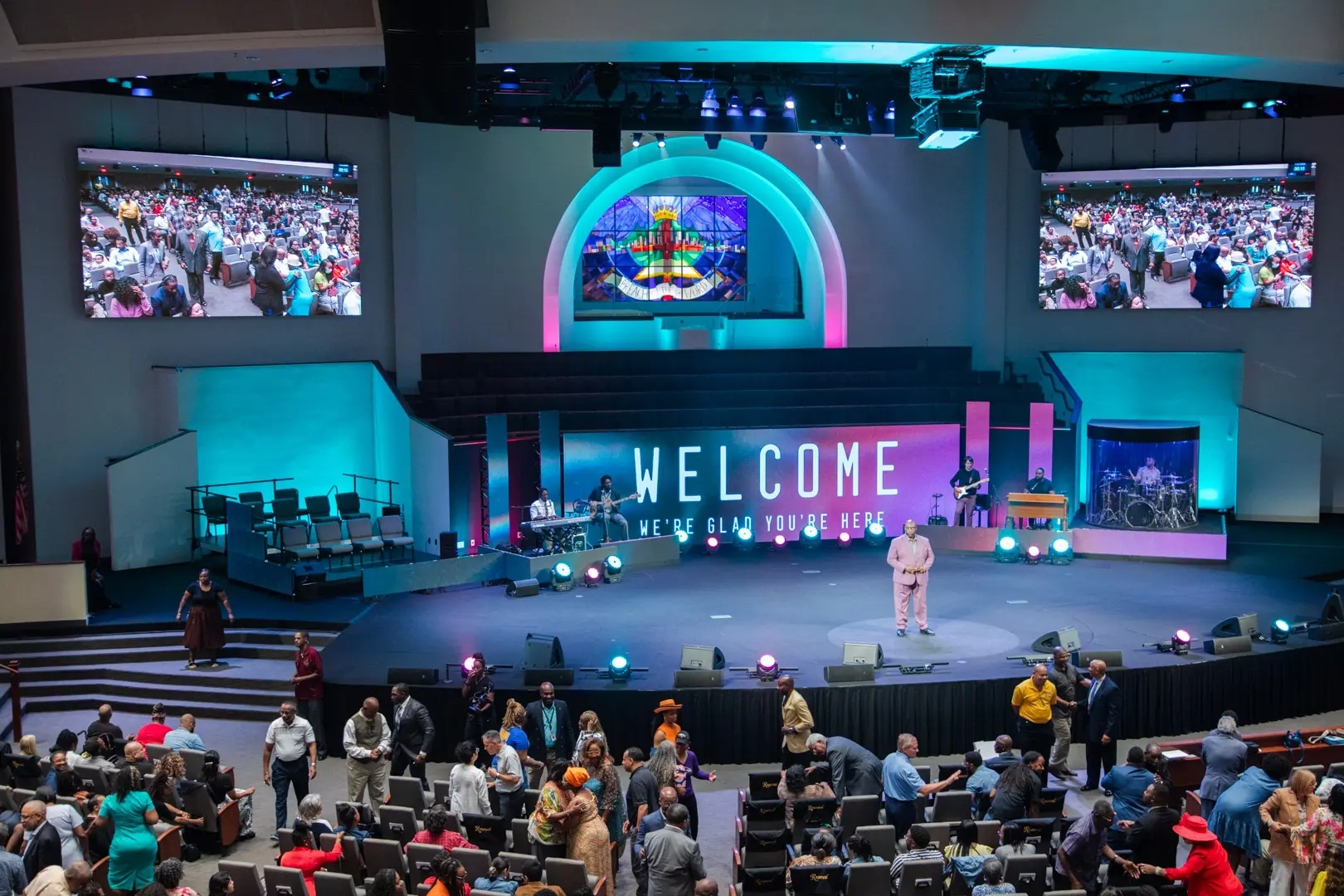
 House of Worship
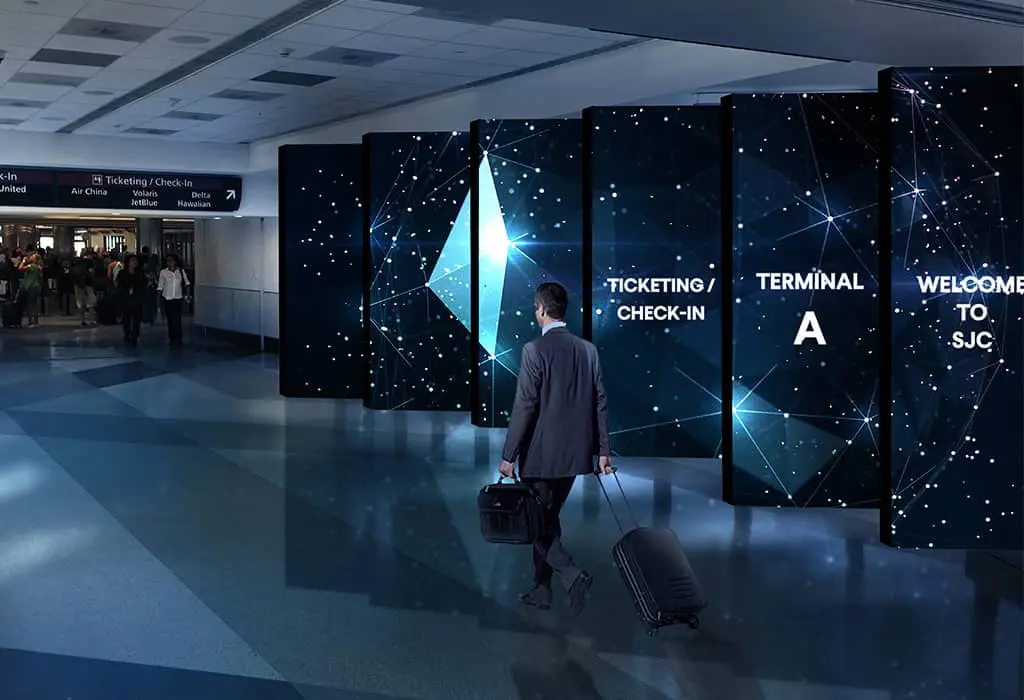
 Transportation
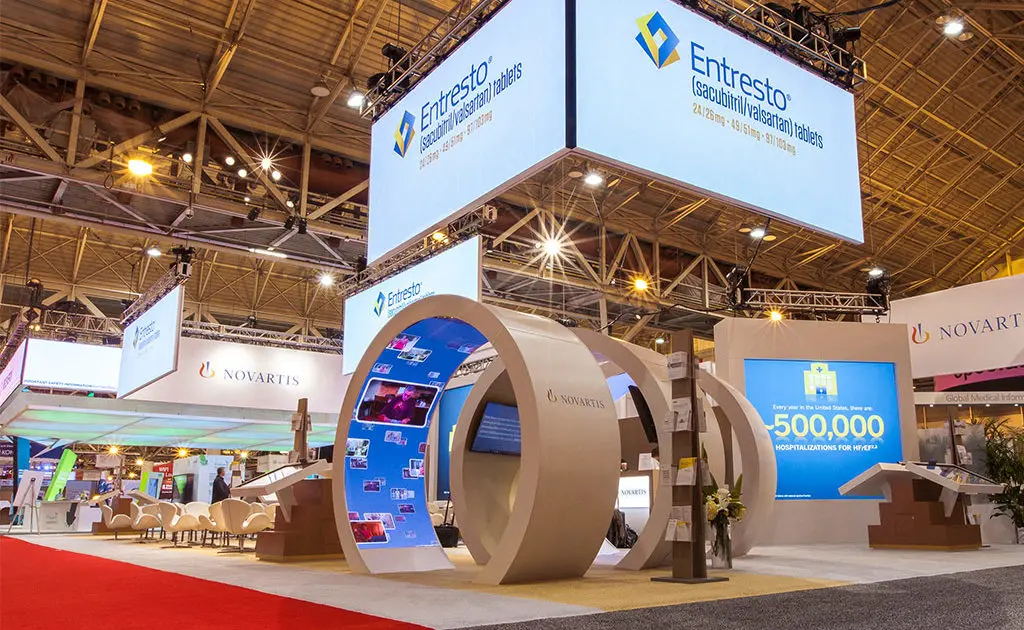
 Trade shows led display
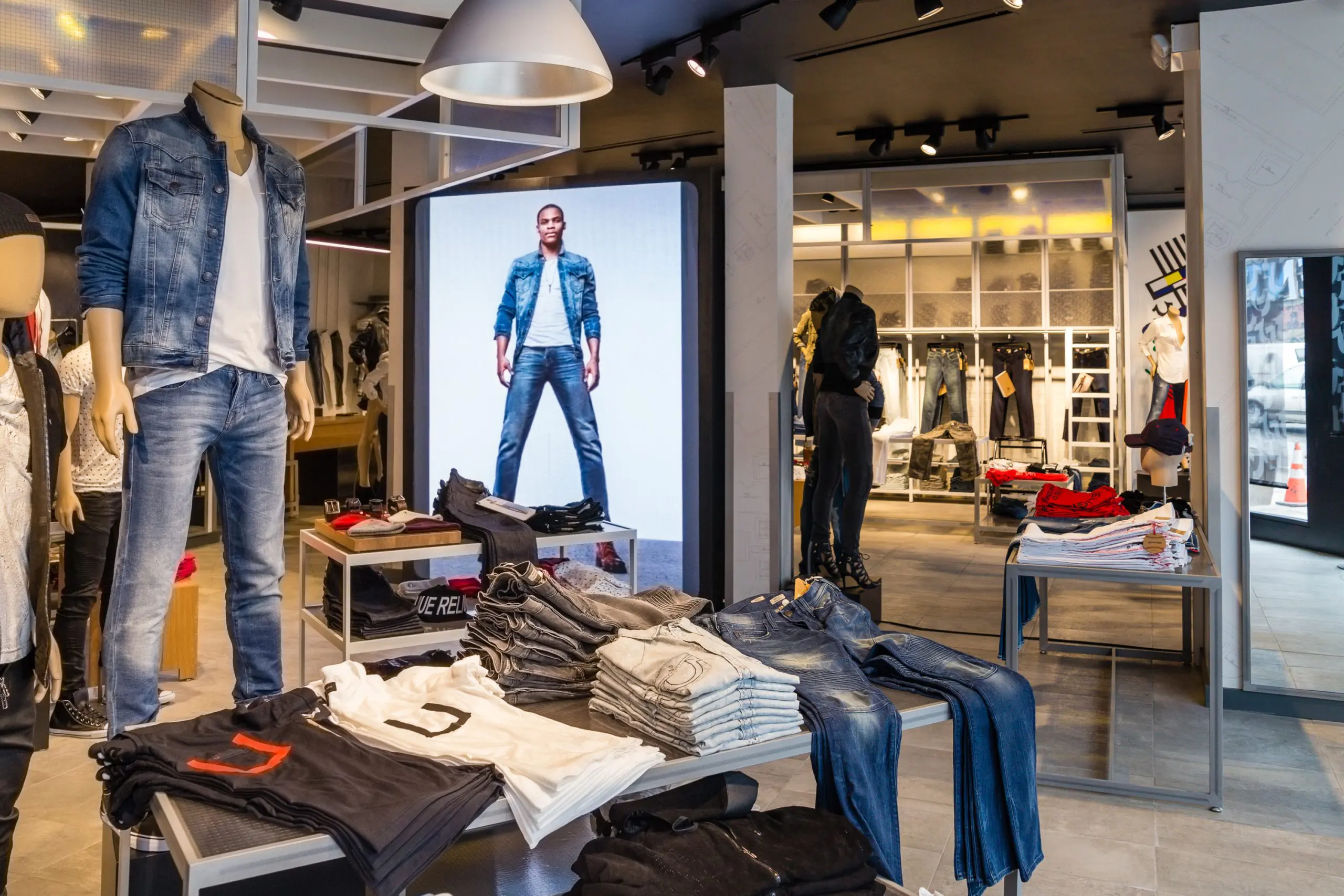
 retail
 Creative Led Solutions
 Hospitality
 Higher Education
 Corporate LED