How to Choose the Right Video Wall Controller for Your Needs?
As businesses increasingly adopt video walls, the demand for an effective video wall controller is paramount. According to a report by Allied Market Research, the global video wall market is expected to reach $21.96 billion by 2026. This growth highlights the necessity for superior technology that can manage high-definition video displays efficiently.
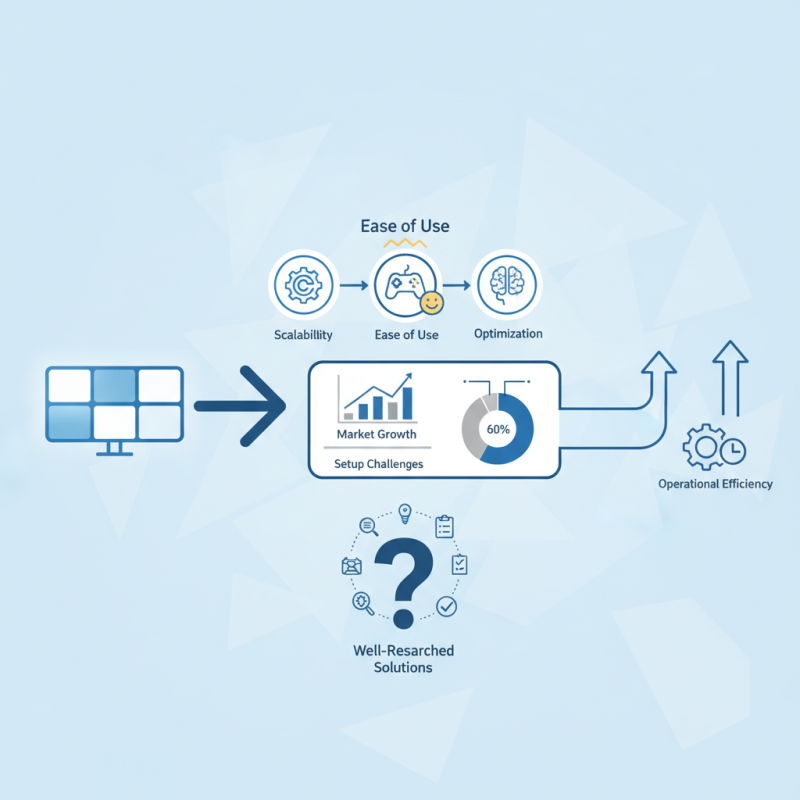
Selecting the right video wall controller can be challenging. Numerous options exist, each boasting unique features and capabilities. Factors such as compatibility, scalability, and ease of use are critical when making a decision. Additionally, various industry reports indicate that 60% of users experience difficulties in optimizing controller setups. This points to the necessity for businesses to invest in well-researched solutions that align with their specific needs.
A well-chosen video wall controller enhances viewer engagement and operational efficiency. However, not all controllers offer the same level of performance or support. Companies should ensure they evaluate their choices carefully to avoid frustrating experiences. Ultimately, understanding your requirements and potential limitations is essential for achieving the best results.
Understanding Video Wall Controllers: An Overview
Video wall controllers are crucial for managing visual displays. They allow you to combine multiple screens into one cohesive unit. Understanding how these devices operate is essential for making an informed purchase.
These controllers come with various features. Some support high-definition inputs, while others offer advanced processing. Knowing your needs will help identify the right features. Accessibility is key; consider whether remote management is a priority. Many users still struggle with setup; finding a user-friendly option is important.
When evaluating options, think about scalability. As your needs grow, can the controller adapt? Additionally, wood and metal frames may impact aesthetics and durability. Look for a balance between form and function. Testing different models can reveal unique strengths and weaknesses. Reflect on what challenges you might face during use and adjust your expectations accordingly.
This chart provides an overview of key performance metrics to consider when selecting a video wall controller. High input resolution support and scalability enable better display quality and expansion capability, while low latency ensures smoother content delivery. Cost efficiency balances performance with budget considerations.
Key Features to Consider in a Video Wall Controller
When selecting a video wall controller, focus on key features that match your needs. Look for image quality, input sources, and processing capabilities. High-resolution support is crucial. Ensure the controller can handle 4K input for clear and stunning visuals. If you plan to display dynamic content, the processing speed should be fast to avoid lag.
Connectivity options matter too. Check if the controller supports HDMI, DisplayPort, and other formats. The flexibility to connect multiple sources provides greater versatility. Some users may overlook the importance of software compatibility. A user-friendly interface enhances productivity in managing your video wall.
Tips for choosing your controller: Test the user interface during selection. A complex setup can lead to frustrations. Seek professional advice if you're unsure. Understanding your display environment can guide your choices. Ensure your investment meets future needs, as technology evolves quickly. Planning for upgrades early can save you time and effort down the line.
Assessing Compatibility with Existing Hardware and Software
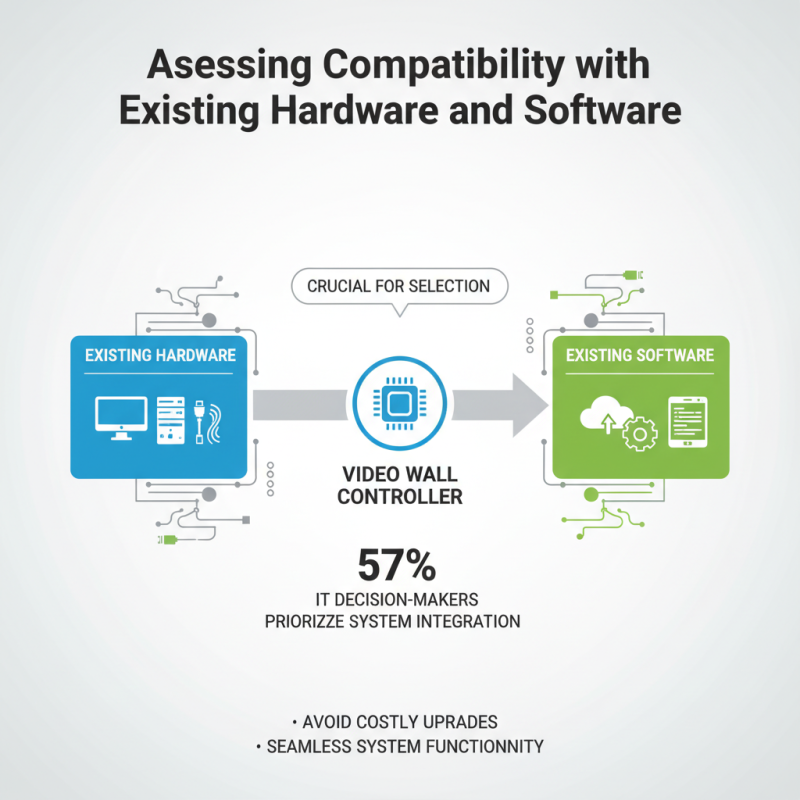
When selecting a video wall controller, compatibility with existing hardware and software is crucial. A recent survey found that 57% of IT decision-makers prioritize system integration. Understanding the specifics of your current setup can avoid costly upgrades or replacements.
Evaluate the connectivity options available on the video wall controller. HDMI, DisplayPort, and DVI are common, but not all equipment supports every format. Check for any existing cables and input types to ensure seamless integration. The compatibility of software is equally important. A controller that supports multiple operating systems can be beneficial, especially in diverse environments.
Consider the scalability of your setup. If you plan to expand your video wall in the future, ensure the controller can support more screens. Some users overlook this aspect, leading to limitations down the road. Moreover, assess the performance metrics offered by various controllers. Reports indicate that 62% of users experience latency issues when the controller isn't well-matched with their video sources. This can significantly affect display quality. Evaluating these compatibility factors helps create a more effective and reliable viewing experience.
Evaluating Performance Metrics for Optimal Viewing Experience
When selecting a video wall controller, understanding performance metrics is crucial. The right metrics can significantly enhance your viewing experience. Start by considering resolution capabilities. High resolution is essential for clarity. It allows you to see fine details without pixelation. Be mindful of the source's resolution as well. If the source is low quality, even a top controller won't help much.
Another vital metric is refresh rate. A higher refresh rate ensures smoother video playback. This is particularly important for fast-moving visuals. If you're showcasing advertisements or live feeds, a consistent refresh rate eliminates flickering. Latency also affects performance. Low latency is ideal for real-time applications. Assess how quickly the controller processes input signals to maintain synchronization across the wall.
Lastly, the controller's scalability is worth pondering. If your needs grow, the system should adapt easily. Balancing these metrics can be challenging. Sometimes prioritizing one aspect means compromising another. Be prepared to make difficult choices based on your unique requirements. An understanding of these performance metrics fosters better decision-making. It transforms viewer engagement in impactful ways.
How to Choose the Right Video Wall Controller for Your Needs? - Evaluating Performance Metrics for Optimal Viewing Experience
| Feature |
Description |
Importance (1-5) |
| Resolution Support |
Ability to handle various resolutions such as 4K, 8K, etc. |
5 |
| Input/Output Options |
Types of inputs and outputs supported (HDMI, DisplayPort, etc.) |
4 |
| Scalability |
Capability to expand the system with additional monitors. |
4 |
| Latency |
Delay time in processing video signals. |
5 |
| User Interface |
Ease of use and accessibility of the controller interface. |
3 |
| Price |
Cost-effectiveness in relation to features offered. |
4 |
| Networking Capabilities |
Ability to connect and communicate over networks. |
3 |
Budgeting: Cost vs. Value in Video Wall Controllers
When selecting a video wall controller, budgeting is crucial. Many decisions hinge on balancing cost versus value. A report by IHS Markit highlights that the market for video wall processors will reach $4.5 billion by 2025. This growth reinforces the importance of understanding what you're investing in.
A cheaper model might seem appealing, but it can lack the features necessary for optimal performance. The average lifespan of a high-quality video wall controller is about 5-7 years. It's essential to factor in long-term value. A robust controller can manage multiple inputs and resolutions efficiently. This functionality can save time and costs associated with upgrades and maintenance.
Utilizing advanced technology often comes at a premium, but this does not mean the most expensive option is the best. Users must assess specific needs. For instance, a company might require a controller that supports 4K resolution for immersive experiences, while another may not. Identifying these details can lead to more informed decisions. Balancing budget constraints with the required features is vital.


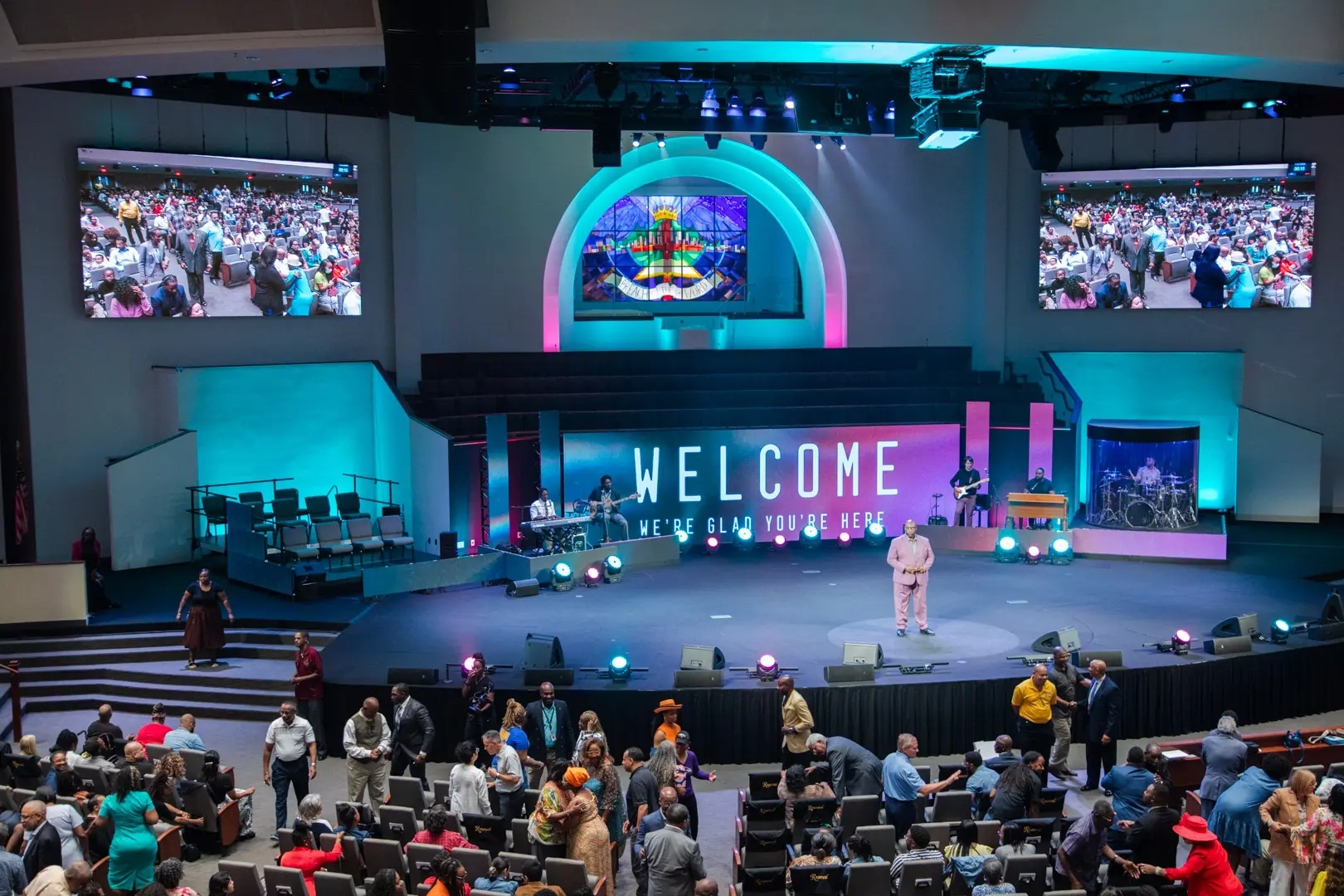
 House of Worship
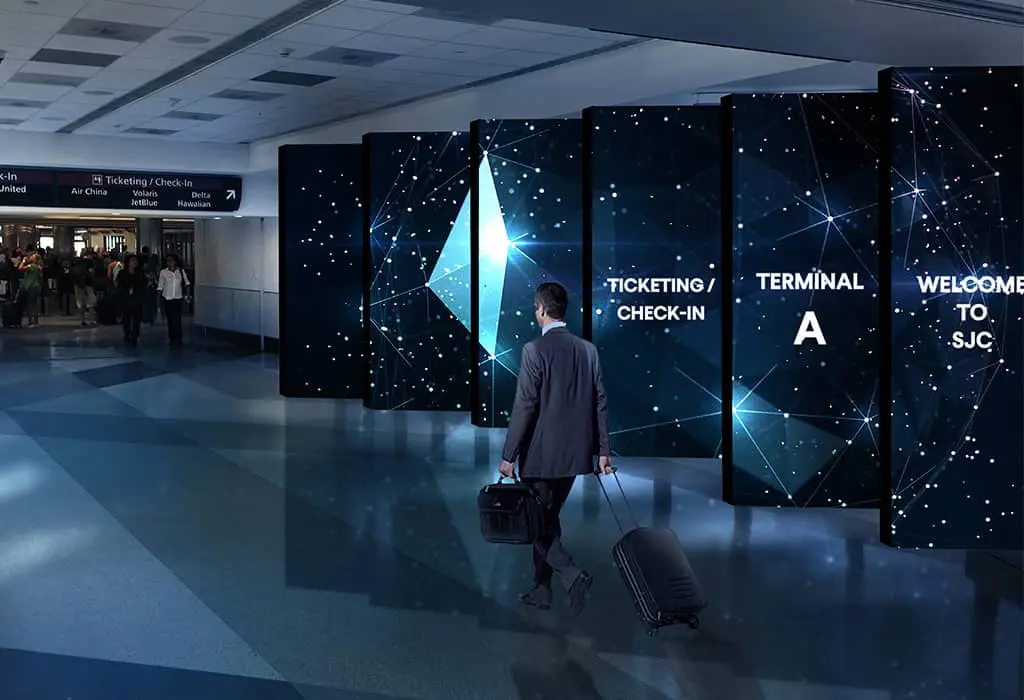
 Transportation
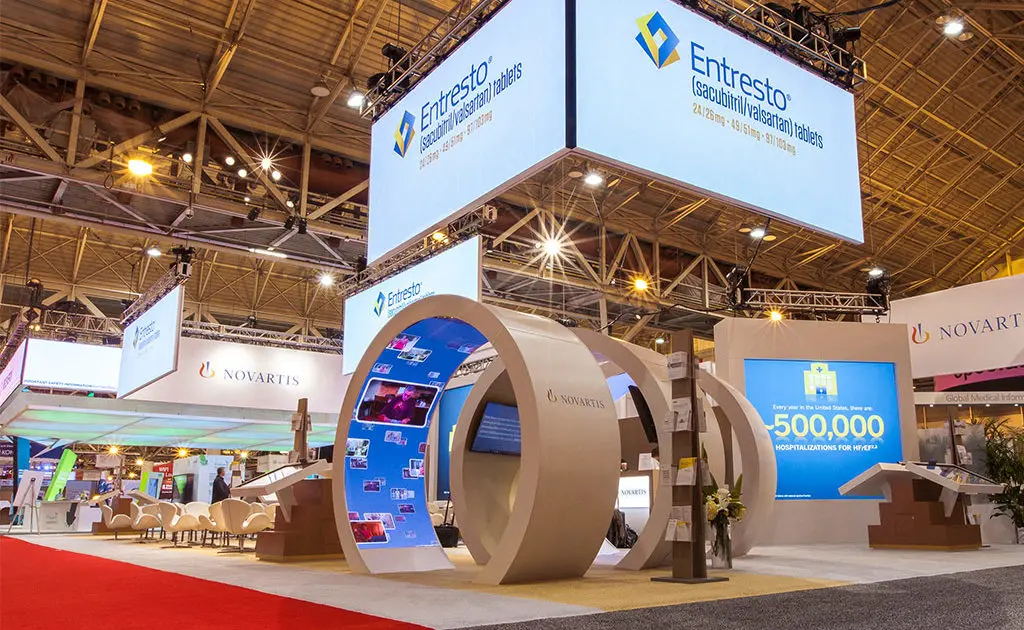
 Trade shows led display
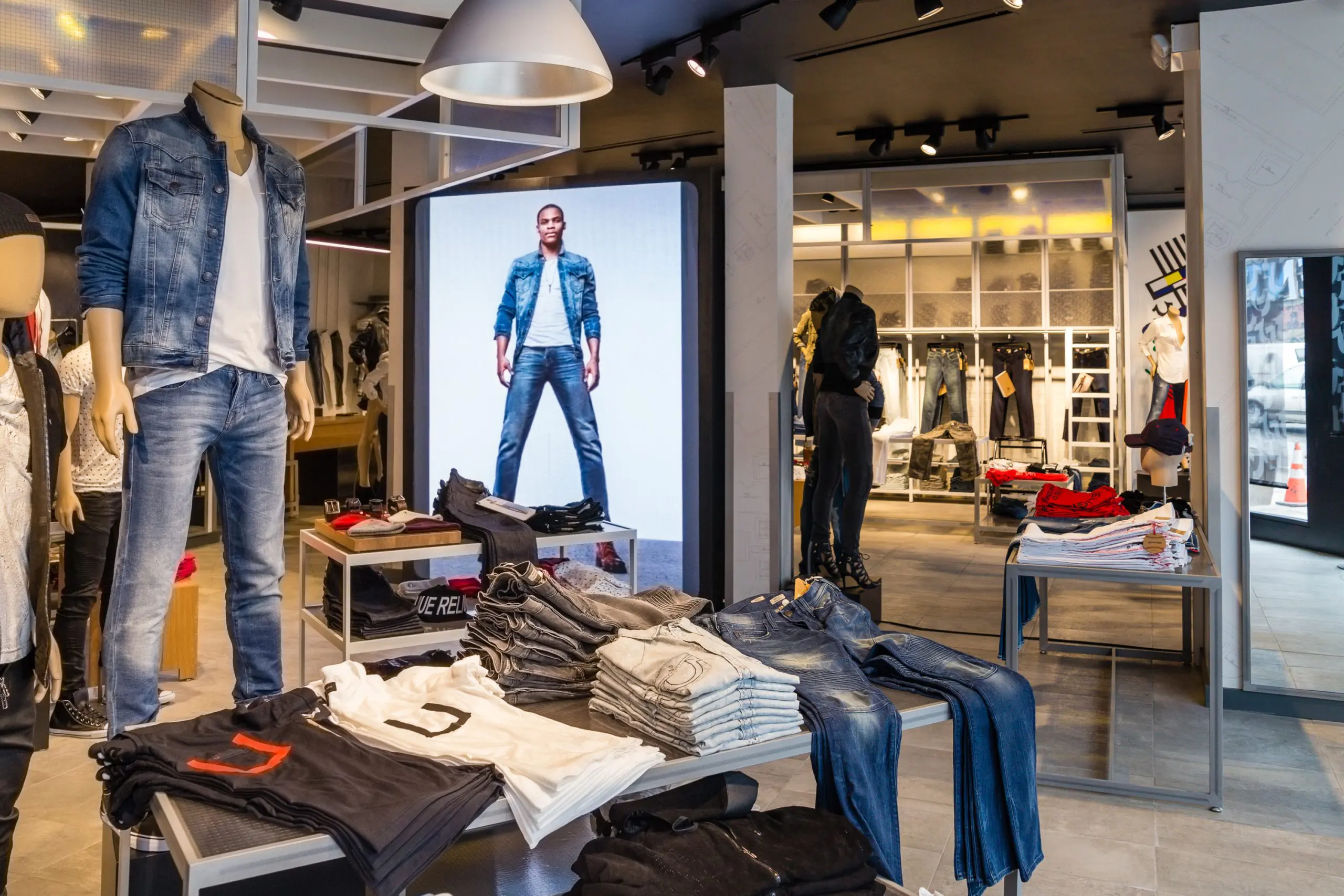
 retail
 Creative Led Solutions
 Hospitality
 Higher Education
 Corporate LED