How to Choose the Best Video Wall Display from China?

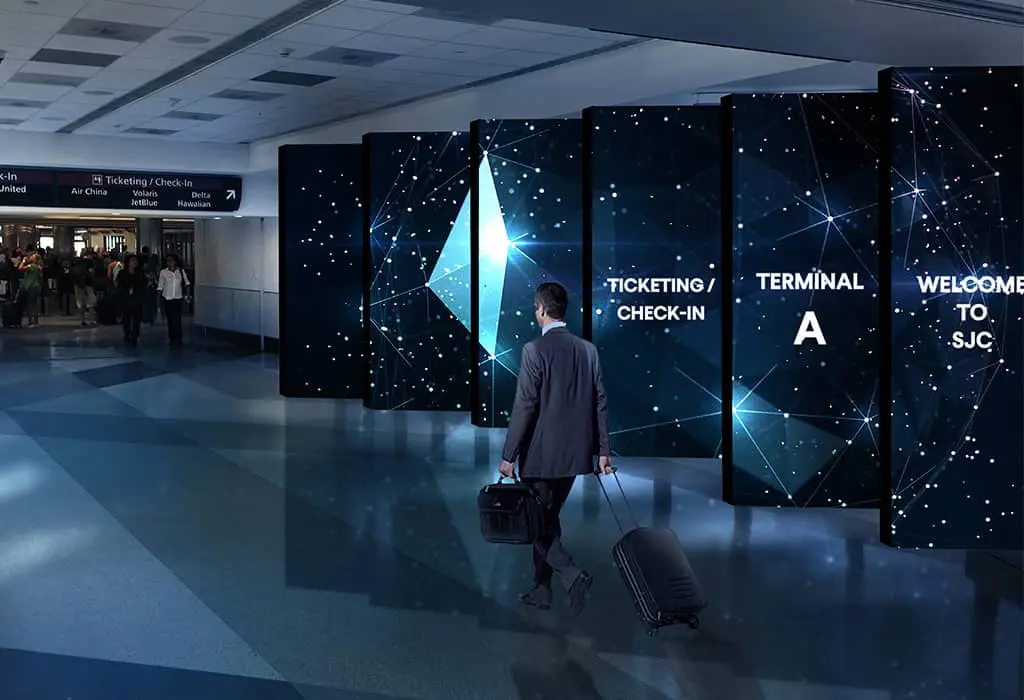
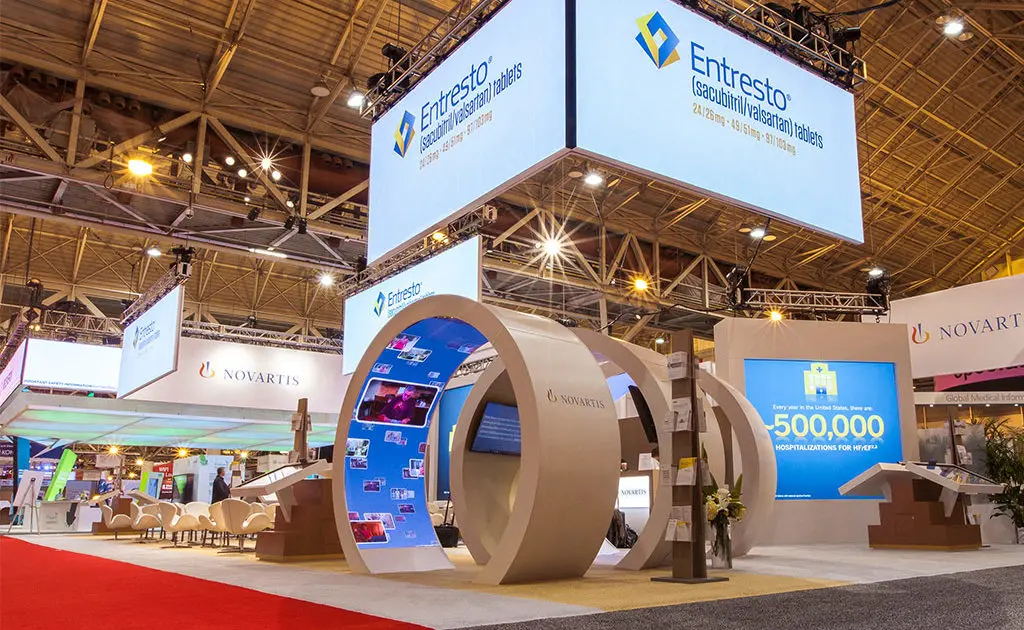
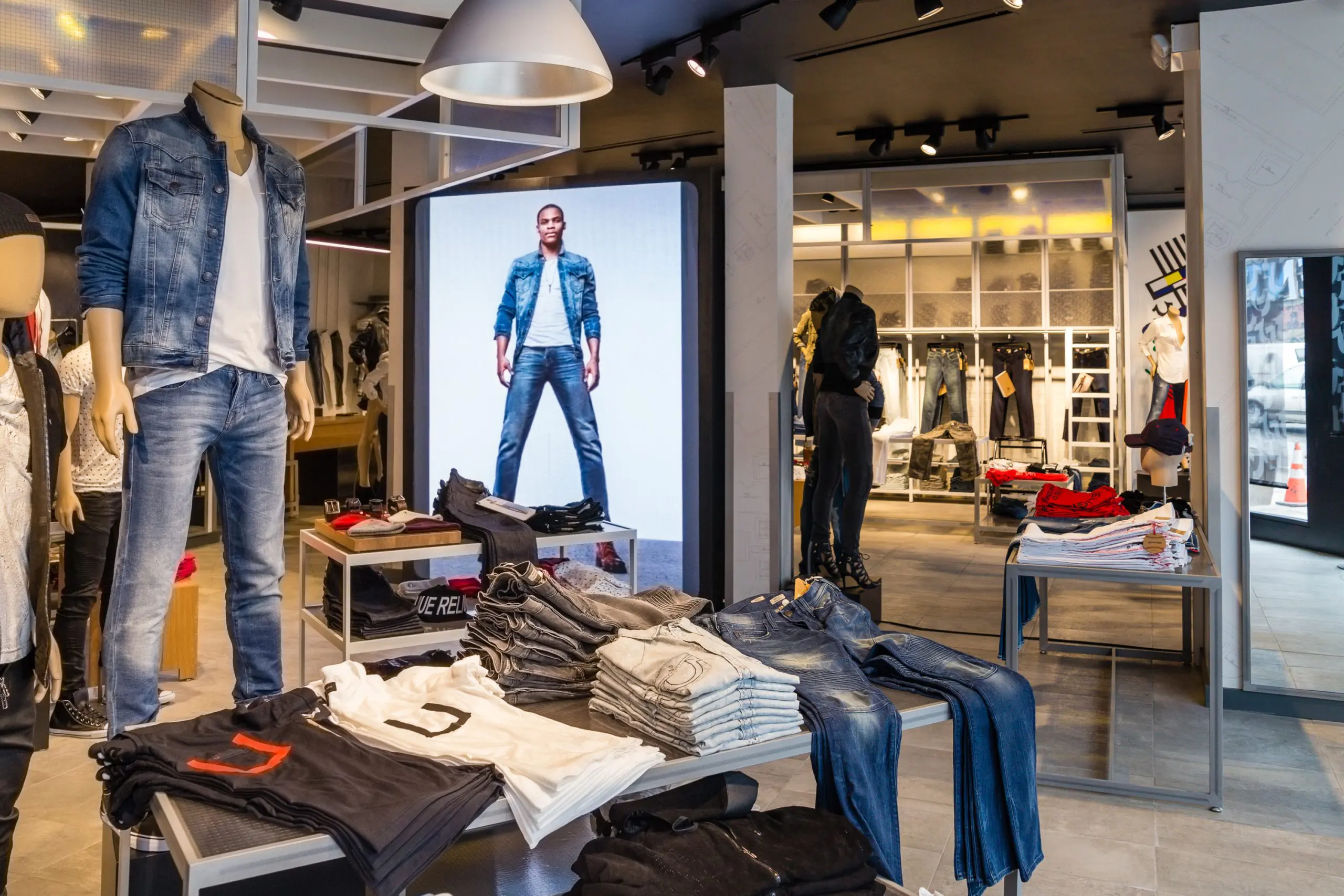
Choosing the best video wall display from China requires more than comparing factory prices. It demands evidence, testing, and a clear understanding of the installation environment. Market reports show why this decision deserves attention. MarketsandMarkets identifies commercial displays, control rooms, retail, transportation, and hospitality as important video wall applications in its Video Wall Market report. AVIXA’s 2024 Industry Outlook also describes professional audiovisual technology as a large, expanding global market, supported by demand for immersive communication and operational visibility.

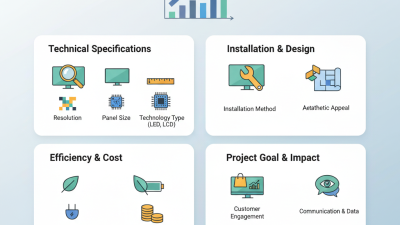
The numbers are useful, but they do not select a supplier for you. A bright showroom image may hide uneven color, weak cooling, or difficult maintenance. Look closely. Measure the room’s viewing distance, ambient light, screen size, pixel pitch, brightness, contrast, and refresh rate. For a control room, bezel consistency and 24-hour reliability may matter more than a low quotation. For retail, color accuracy and installation speed can carry greater weight.

Chinese manufacturers offer broad product choices and competitive engineering capabilities. However, supplier verification remains essential. Request factory audit records, product test reports, sample approval, calibration procedures, spare-parts policies, and written warranty terms. Confirm whether the company builds the LED modules, LCD panels, sending cards, and control software, or only assembles them.
Reports from IDC and Omdia repeatedly emphasize lifecycle value, serviceability, and supply-chain reliability in professional display purchasing. That point is easy to overlook. A cheaper video wall display can become expensive after repeated module failures or delayed replacements. This guide compares specifications, certifications, total ownership costs, and supplier communication, while recognizing one uncomfortable truth: no single specification guarantees a successful installation.

How to Choose the Best Video Wall Display from China?

Define Your Video Wall Goals and Installation Environment

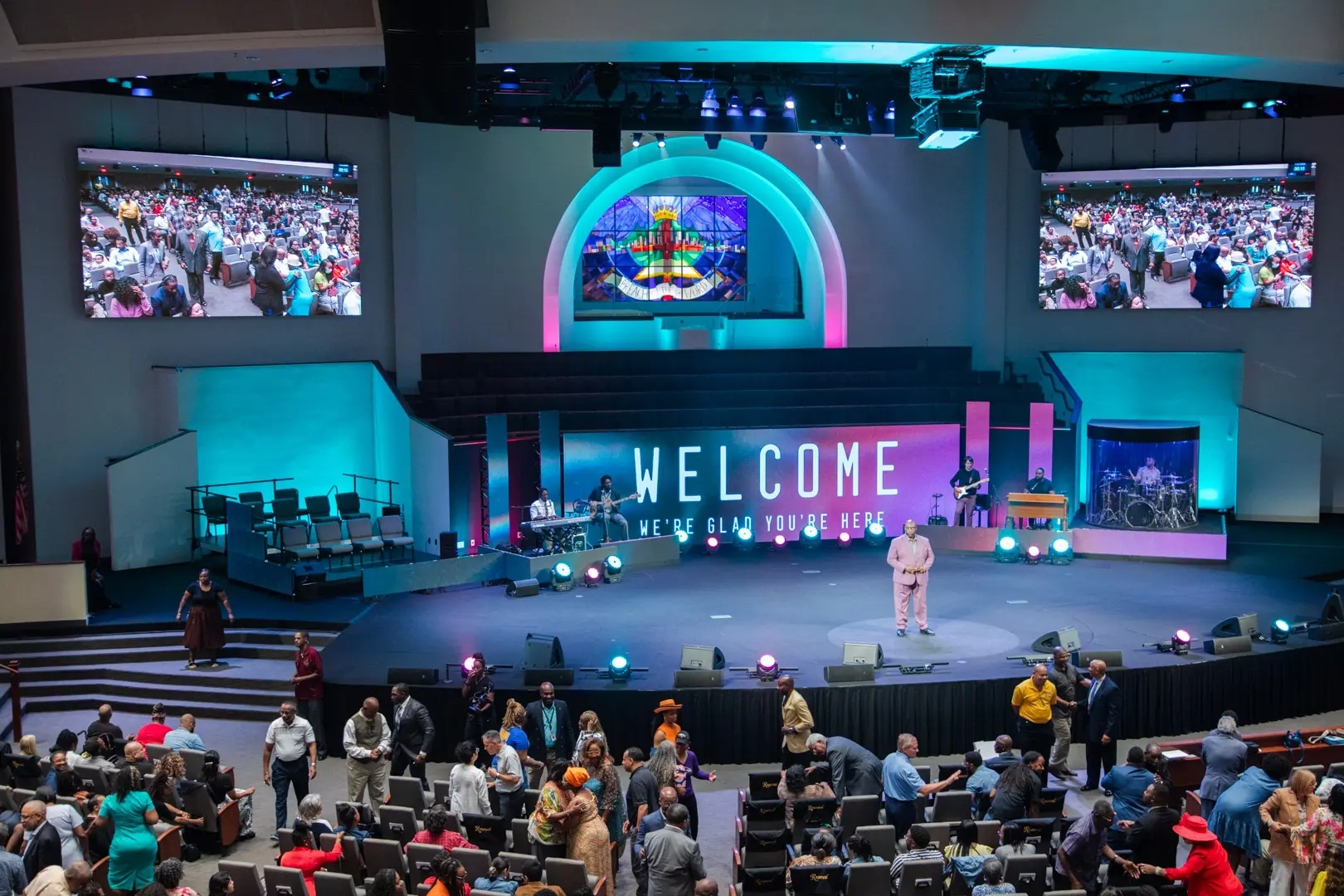
Before choosing a video wall display, define what the wall must accomplish. Is it for control room monitoring, retail storytelling, conference presentations, or public information? Each use requires different brightness, resolution, viewing distance, and operating hours. I have seen attractive displays fail because their purpose was never written down. Keep the goal measurable. Operators may need clear text from eight meters away, while visitors may value color and motion.

Study the installation environment before comparing display specifications. Measure wall width, ceiling height, viewing angles, ambient light, power access, ventilation, and service space. A bright lobby can wash out a low-brightness screen. Direct sunlight is worse. In a narrow room, bezels and viewing distance affect whether images feel continuous. Check floor loading and mounting strength with a qualified installer. Cable routes matter too; a beautiful plan can become messy behind the wall.

Plan for daily use, not only launch day. Confirm content sources, signal formats, control methods, cleaning routines, and repair access. Allow space for heat dissipation and future expansion. My own planning mistake was reserving too little rear access, making a simple cable change unnecessarily slow. That detail still influences every layout I review. Ask the installation team to test brightness, color matching, and screen alignment on site. Real conditions often expose assumptions that drawings hide. Leave room to revise the design.

Compare Video Wall Technologies and Display Specifications

Choosing a video wall from China starts with technology, not cabinet price. LCD walls deliver sharp images and stable color for control rooms, but bezels can interrupt maps and dashboards. Direct-view LED removes those seams and suits large halls, yet pixel pitch determines viewing comfort. A practical rule is one millimeter of pitch for roughly one meter of viewing distance. It is only a starting point.

Projection can create huge images at lower hardware cost. Ambient light remains its weakness. For bright indoor spaces, specify at least 500 nits for LCD, while direct-view LED often needs 800–1,500 nits. Too much brightness can cause eye fatigue. Measure it on site.

MarketsandMarkets’ 2024 Video Wall Market report forecasts strong growth through 2028, driven by control rooms, retail, and transport environments. Grand View Research also identifies digital signage as a fast-expanding display application. These reports show demand, not guaranteed quality. Ask Chinese suppliers for measured brightness, contrast, grayscale, refresh rate, viewing angle, and power consumption. A 3,840 Hz refresh rate helps reduce camera scan lines, but it does not automatically improve image detail. Request a recorded test at the intended camera distance.

Check thermal design, spare modules, calibration records, and controller compatibility. I have seen installations fail because the advertised contrast ignored bright-room reflections. That mistake is easy to repeat. Be careful with impressive numbers.

How to Choose the Best Video Wall Display from China? - Compare Video Wall Technologies and Display Specifications
Display Technology Typical Display Size Pixel Pitch / Resolution Typical Brightness Contrast Ratio Typical Refresh Rate Seam Visibility Typical Service Life Best-Fit Applications Key Limitations
LCD Video Wall 46–86 inches per panel Full HD or 4K UHD; approximately 0.88–3.5 mm bezel-to-bezel gap 350–700 cd/m² 1,000:1–4,000:1 60–120 Hz Visible bezel lines between panels Approximately 50,000–60,000 hours Control rooms, security monitoring, corporate displays, retail signage Bezel interruption; limited scalability for very large outdoor installations
Direct-View LED Scalable from small walls to very large installations Pixel pitch commonly 0.9–10 mm; resolution depends on wall size and pixel pitch 600–8,000 cd/m², depending on indoor or outdoor use 3,000:1–10,000:1 1,920–7,680 Hz Seamless image surface Approximately 80,000–100,000 hours to half brightness Large-format signage, broadcast studios, auditoriums, command centers, outdoor advertising Higher initial cost; pixel-pitch selection is critical for close viewing
Fine-Pitch LED Scalable; commonly used for indoor walls from about 100 to 500 inches 0.7–1.9 mm pixel pitch; suitable for close viewing and high-resolution content 600–1,500 cd/m² 3,000:1–8,000:1 3,840–7,680 Hz Seamless image surface Approximately 80,000–100,000 hours to half brightness Premium control rooms, virtual production, boardrooms, museums, high-end retail Higher cost per square meter; installation and calibration require skilled technicians
COB LED Scalable indoor display walls Approximately 0.7–1.5 mm pixel pitch 600–1,200 cd/m² 3,000:1–10,000:1 3,840–7,680 Hz Seamless image surface Approximately 80,000–100,000 hours to half brightness Close-viewing environments, premium meeting rooms, command centers, broadcast applications Repair procedures and module replacement may be more specialized than conventional SMD LED
OLED Video Wall 55–97 inches per panel Full HD or 4K UHD; ultra-thin panel construction Typically 150–500 cd/m² Up to approximately 1,000,000:1 effective contrast 60–120 Hz Very narrow bezel; small panel seams may remain Often specified around 30,000–100,000 hours, depending on operating conditions Luxury retail, design studios, museums, premium hospitality and presentation spaces Lower brightness than LED; potential image retention or burn-in with static content
Projection-Based Video Wall From approximately 100 inches to very large custom surfaces Full HD or 4K UHD; dependent on projector and screen configuration Approximately 500–5,000 ANSI lumens per projector Approximately 1,000:1–5,000:1 60–120 Hz Can be seamless with edge blending and geometry correction Laser light sources commonly provide approximately 20,000–30,000 hours Simulation rooms, immersive spaces, museums, large presentation environments Requires controlled ambient light, calibration, projection depth and regular maintenance

Note: Specifications are typical industry ranges rather than guaranteed values. Actual performance depends on the selected configuration, viewing distance, ambient light, operating temperature, content type, installation method and factory quality-control standards.

Evaluate Chinese Manufacturers, Quality Standards, and Customization

Choosing the best video wall display from China requires more than comparing prices. Grand View Research estimated the global video wall market at about USD 23.9 billion in 2023, with strong growth expected through 2030. That growth attracts capable factories and inexperienced suppliers. Evaluate production experience, export records, engineering staff, and after-sales response times. Request factory videos, sample testing, and references for installations similar to yours. A low bid can hide weak calibration, uneven brightness, or costly replacement delays.

Quality standards should be checked carefully. Ask whether displays meet IEC 62368-1 safety requirements, electromagnetic compatibility rules, and RoHS restrictions for controlled substances. ISO 9001 certification can indicate documented processes, but it does not guarantee excellent panels. Request recent test reports from accredited laboratories. Pixel failure rates, brightness uniformity, thermal performance, and operating hours matter more than attractive certificates. Omdia’s professional display research also shows that commercial buyers increasingly value reliability and serviceability, not only screen size. I would not treat every certificate as proof.

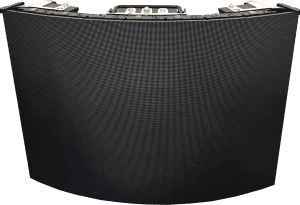
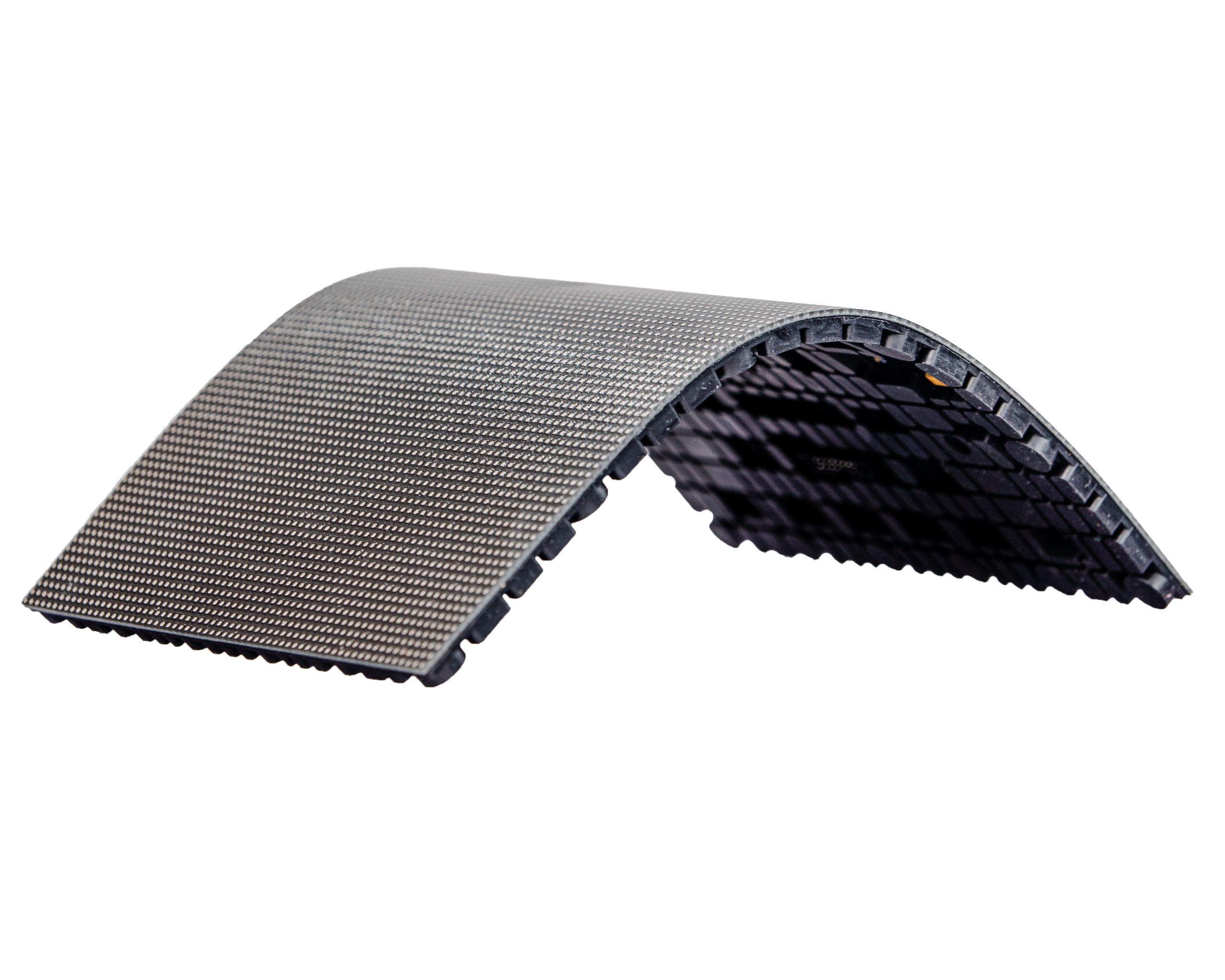
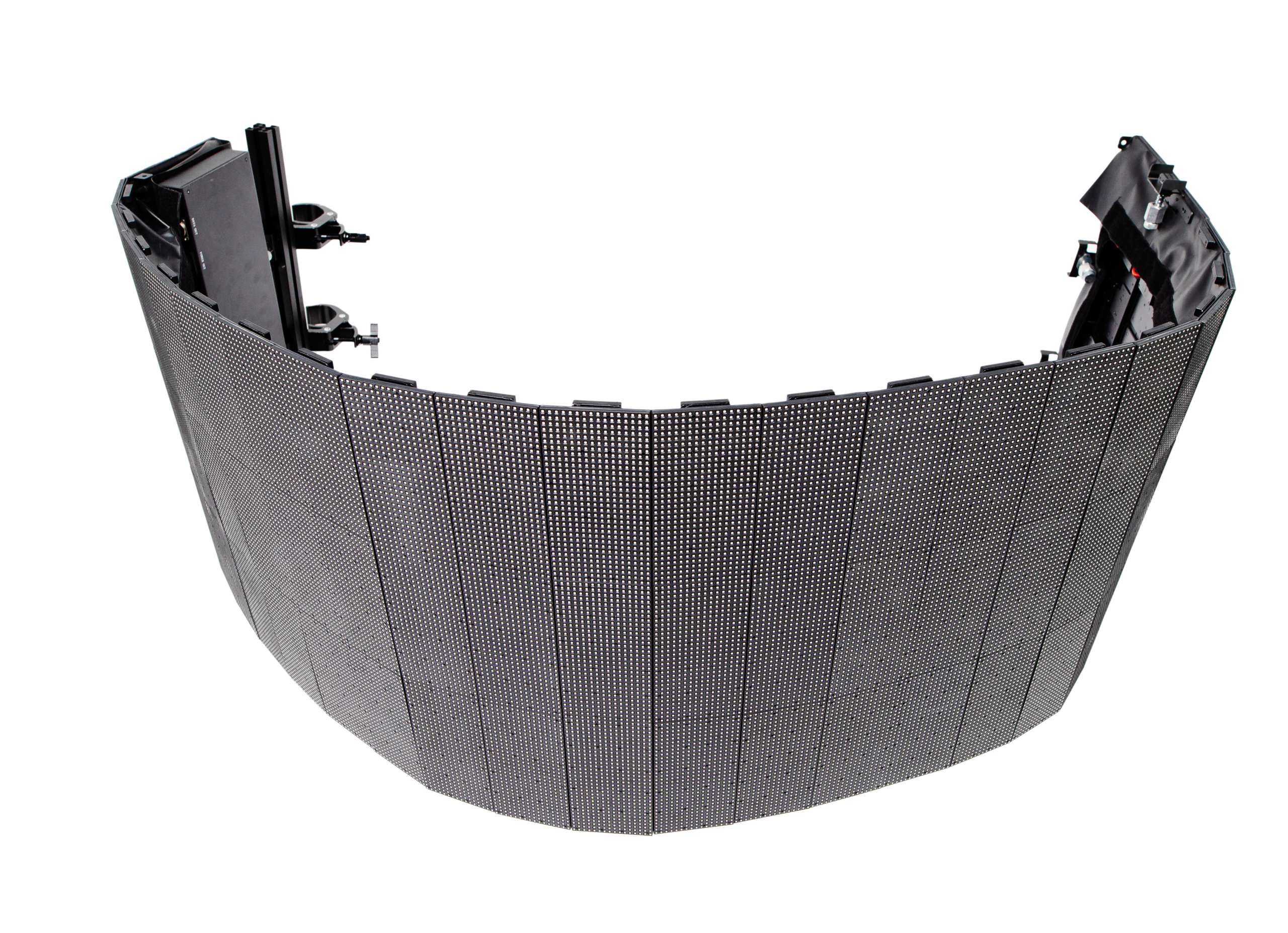
Tips: Define viewing distance, pixel pitch, cabinet size, brightness, and maintenance access before requesting quotes. Ask for a 72-hour continuous test. Check front-service access with real tools. Test grayscale images and fast motion. Confirm spare-part availability for at least three years. Customization may include curved layouts, narrow bezels, control systems, and cabinet finishes. However, excessive customization can increase failure points. A careful compromise is often better. Poorly documented changes may become tomorrow’s repair problem.

Review Pricing, Logistics, Warranty, and After-Sales Support

Choosing the best video wall display from China requires more than comparing the first quotation. Pricing should include panels, sending cards, control software, mounting frames, shipping, customs, and installation tools. A low unit price can hide expensive accessories. Request a complete bill of materials. Compare total ownership costs, not only the display price.

Logistics can affect your opening date. Confirm production time, inspection procedures, packaging materials, and shipping terms in writing. Ask whether the crates protect screens from moisture and vibration. Check the required voltage and plug type before shipment. For large projects, request sample panels and a pre-shipment video test. I have seen delays caused by one missing connector. Small details matter.

Warranty terms need careful reading. Confirm coverage length, pixel defects, brightness loss, power supplies, and replacement shipping. Ask how quickly technical staff must respond. A reliable supplier should provide manuals, wiring diagrams, diagnostic steps, and spare modules. Remote support is useful, but local technicians may still be necessary. Keep critical spare parts on site. This costs more initially. It can reduce downtime later. After-sales promises should include named contacts, ticket tracking, and escalation procedures. Some suppliers communicate well before payment but respond slowly after delivery. That risk deserves a realistic assessment.

Select and Verify the Best Video Wall Supplier for Your Project

Choosing the best video wall display from China begins with selecting a supplier you can verify, not merely admire online. Product photos often hide uneven cabinet gaps, weak connectors, and poor color consistency. Ask for a live demonstration using your planned content, screen size, brightness, and viewing distance. Request a sample cabinet before approving a full order. It reveals more than a polished catalog.

Examine the supplier’s experience with projects similar to yours. Ask for installation records, independent test reports, quality procedures, and client references. A reliable manufacturer should explain pixel pitch, refresh rate, contrast, power consumption, thermal design, and spare-part availability in clear language. Check whether the proposed specifications match the actual display. Numbers can look impressive.

Audit the factory remotely or in person. Observe assembly areas, aging tests, calibration equipment, packaging, and final inspection records. Ask how defective modules are replaced and how color uniformity is maintained after installation. Confirm warranty terms, response times, software support, shipping responsibilities, and acceptance standards in the contract. Keep every technical promise written down.

Do not rush.

A low quotation may exclude structure, control systems, installation, or future maintenance. I have seen projects fail because the supplier was judged by price alone. That mistake is easy to repeat. A stronger decision compares total ownership cost, delivery discipline, technical communication, and evidence of consistent production. When answers remain vague, pause and request proof before paying a deposit.

How to Choose the Best Video Wall Display from China?

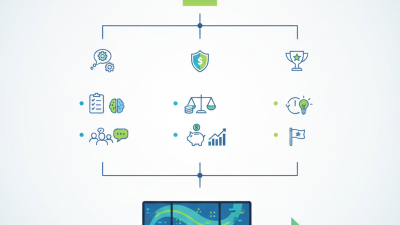
Recommended verification priorities for selecting a video wall supplier

This procurement framework assigns a 100-point verification weight to measurable factors that directly affect video wall performance, project risk, and long-term operating cost. Buyers should confirm each item through technical datasheets, sample testing, factory inspection, quality records, and contract documentation. The percentages represent evaluation priorities, not company or brand performance data.

Need Help?
X

Ready to Talk?

Our team is ready to connect.