Communicate worship schedules and sermon messages while engaging your congregation with visual technology.
View More
LED displays in transportation settings, such as airports, train stations, and bus terminals, serve as dynamic platforms for real-time information, advertising, and wayfinding, enhancing passenger experience with clear, up-to-date travel details and announcements.
View More
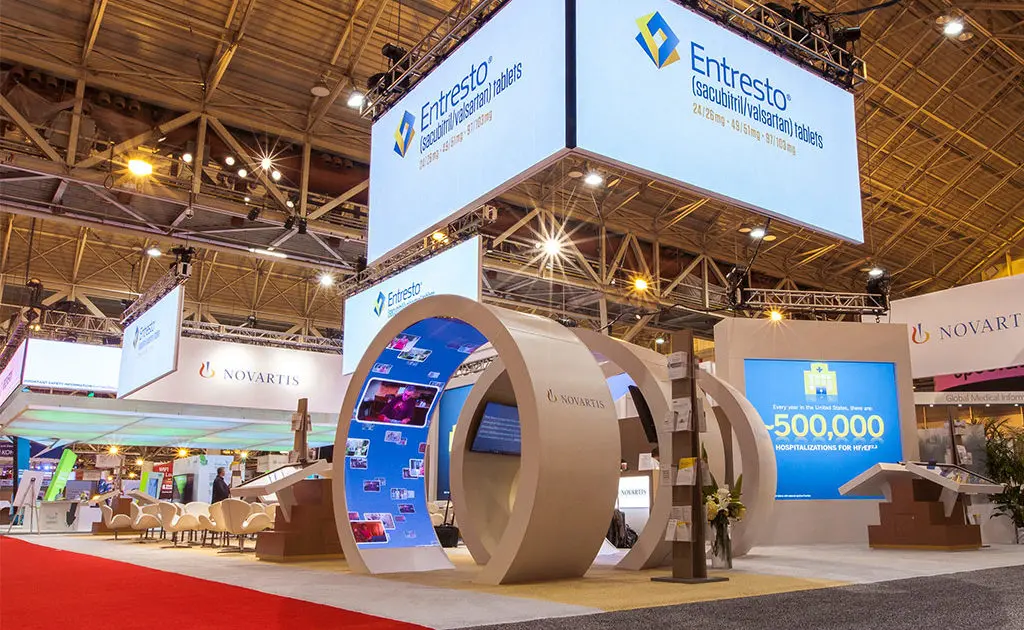
Differentiate yourself from the competition by incorporating a digital experience in your booth with our trade show LED displays.
View More
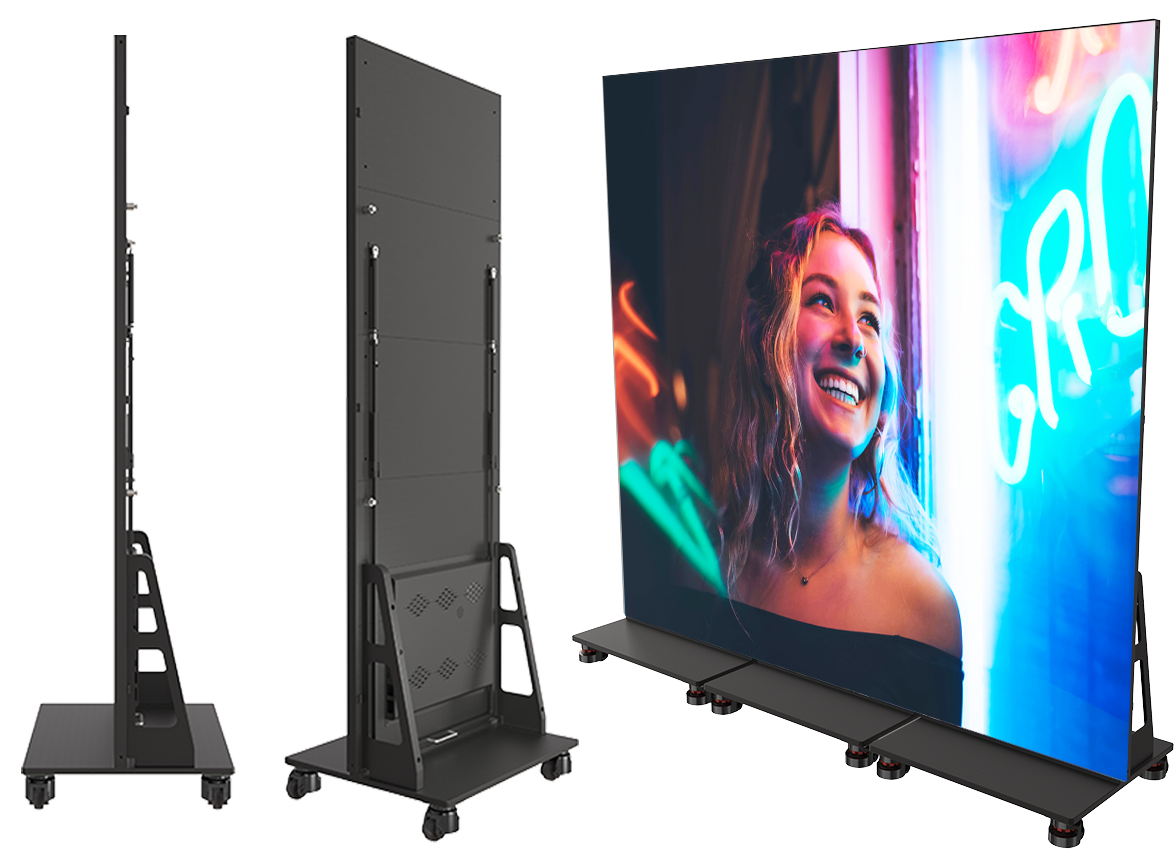
Communicate your brand’s message, stand out from the competition and engage your target market with LED digital signage.
View More
We offer creative solutions at cost-effective rates. You will be able to deliver your sermons more effectively and engage your congregation through one-of-a-kind lyric video walls and house of worship LED displays.
View More
Enhance ambiance, display interactive directories and wayfinding displays, and promote amenities and events to elevate the guest experience.
View More
Incorporate digital displays to enhance your students’ learning experience and market to prospective students and donors.
View More
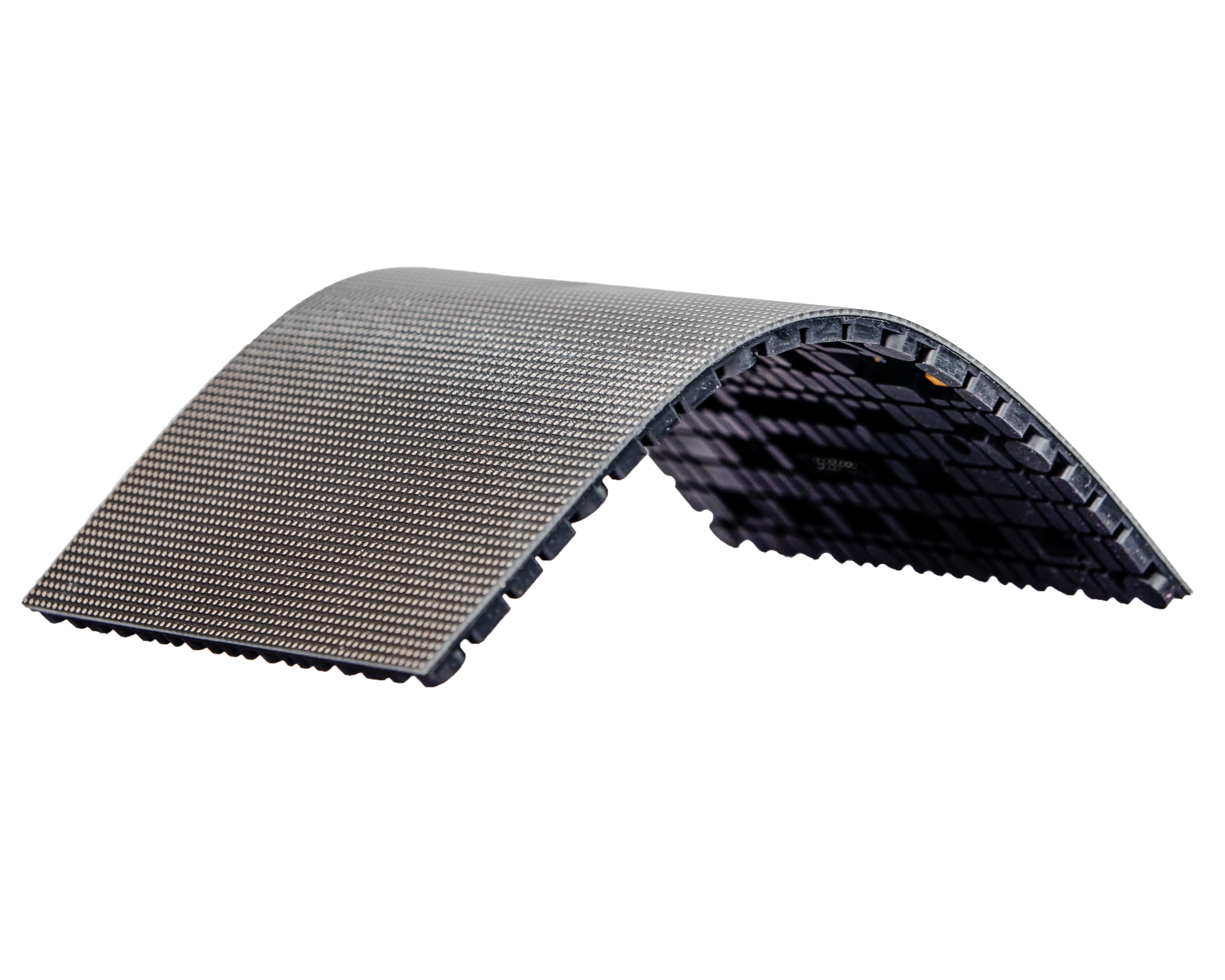
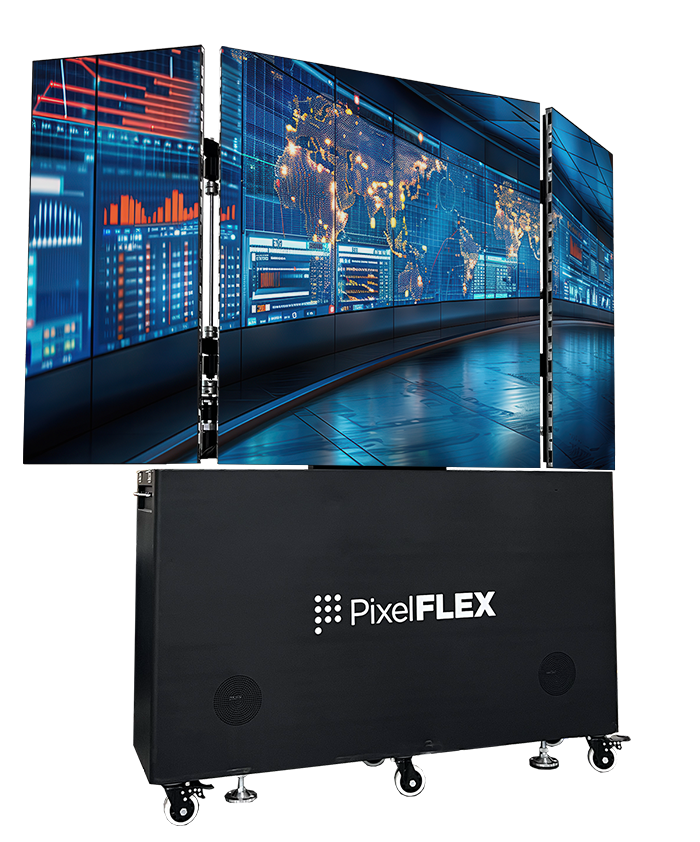
Transform your corporate spaces with PixelFLEX LED video displays. Enhance communication, elevate branding, and create dynamic environments.
View MoreI can write the introduction, but no source articles were provided. Without verifiable sources, I cannot responsibly invent industry-report figures or attribute a quotation to a Film Cutting Machine expert. Please share the reports or the expert quote you want cited.
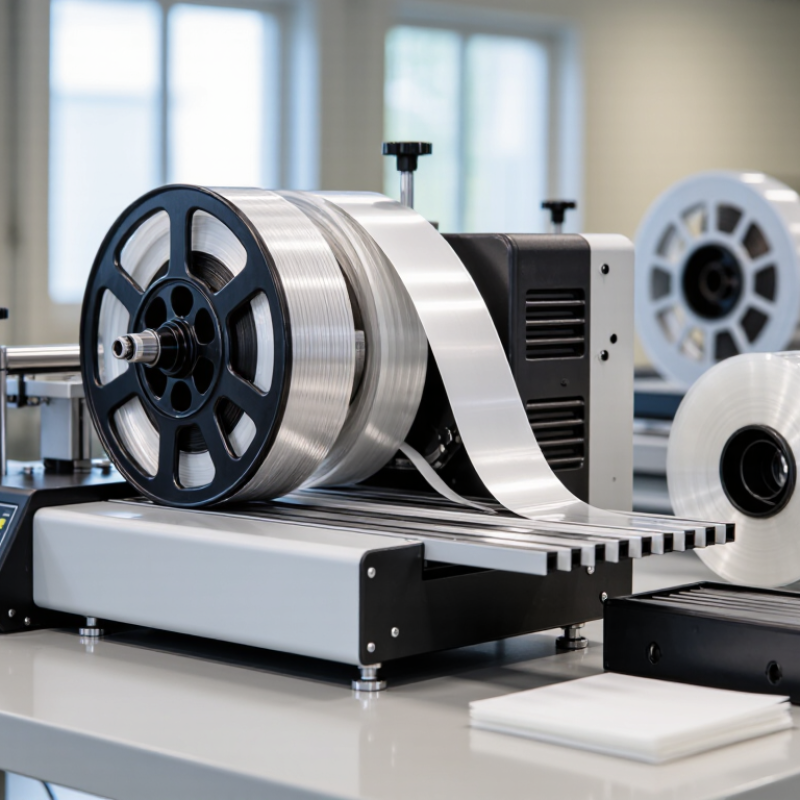
Choosing a film cutting machine starts with the material, not the machine’s advertised speed. List each film type, such as PET, BOPP, polyethylene, or a multilayer laminate. Then record its minimum and maximum thickness, width, roll tension, and any adhesive or coating. Small details matter. A soft polyethylene film may stretch under tension, while a stiff PET film can reveal a blunt blade through ragged edges.
Thickness alone is not enough. Specify the required cut: straight slitting, shaped profiles, perforations, or tight-tolerance parts. Note the acceptable edge quality and whether heat-sensitive layers must remain undamaged. PlasticsEurope’s Plastics – the Fast Facts 2023 reports that packaging represented 39.8% of European plastics demand in 2022, reflecting the wide range of film applications a converter may handle. Grand View Research’s 2024 Flexible Packaging Market report estimates the global market at USD 268.4 billion in 2023; that scale does not mean one cutter suits every structure.
Test actual rolls before committing. Compare blade, rotary, or die-cut methods using the thinnest and thickest films in your specification. Check for stretching, melted edges, wrinkles, and scraps after repeated cuts. Test actual rolls. Measurements can be imperfect, especially for compressible or uneven films, so confirm thickness with a calibrated gauge and document the test conditions.
Film cutting technology should match the material, run length, and edge requirement. Smithers valued the global flexible packaging market at $293.7 billion in 2023 and projected $357.3 billion by 2028. That growth points to increasingly varied film formats, not one universal cutting setup. Thin polyethylene webs often suit razor slitting, which makes clean, continuous cuts at high line speeds. Laminates and thicker films may need shear slitting for better control and fewer edge defects. Small details matter: a dull blade can pull film, leaving a ragged edge you may notice only during sealing.
For repeated shapes, rotary die cutting offers fast, consistent output, but each design needs suitable tooling. Digital knife systems avoid dedicated dies and can be practical for prototypes or short runs. They are usually slower for large production volumes. Laser cutting can create intricate contours, yet heat may melt or discolor some films; test the actual material and provide suitable fume extraction. There is no perfect setup. Even a technically suitable machine can disappoint if tension, blade angle, or film thickness varies.
Tips: Test samples from the real production roll, not just a supplier swatch. Check edge quality, web tracking, and sealing performance after cutting. Record speed and scrap rates; then compare the total cost per usable part. Smithers’ figures describe market scale, not machine performance, so validate any choice with a controlled trial.
Start with the film you actually process. Note its width, thickness, roll diameter, and daily output. A machine rated for wide rolls may still struggle with delicate, thin film. Check whether its cutting width and unwinding capacity match your regular jobs, not just occasional peak orders. Leave some room for future demand, but avoid paying for capacity that will sit idle.
Precision affects material waste and downstream fit. Ask for sample cuts using your own film, then inspect edge quality and measure several pieces across the roll. Small alignment errors can become visible on long runs. Review blade adjustment, tension control, and whether operators can repeat settings reliably. Speed matters, too, but a high maximum rate is less useful if frequent adjustments interrupt production. I would compare stable working speed, changeover time, and scrap levels. One detail is easy to miss: noisy, rushed cutting can hide inconsistent results.
Tips: Bring a typical roll and a more challenging material to a machine trial. Record cut dimensions, usable output, setup time, and operator adjustments. Ask how routine blade changes and calibration are performed. Keep the notes; memory gets optimistic.
Start with the hazards operators actually face: exposed blades, pinch points, film tension, and sharp roll edges. Check for fixed guards, interlocked access panels, emergency stops, and clear lockout points before comparing cutting speed. Try the controls with gloves on. An emergency stop should be reachable without leaning across the cutting path. Small detail, but it matters. Training matters too; even a well-guarded machine becomes risky when someone guesses how to thread the film.
Ask how often blades need inspection and whether standard tools handle replacement. Check access to rollers, sensors, and scrap bins; awkward cleaning points tend to get skipped during a rushed shift. Keep a simple maintenance log. Service intervals depend on film thickness, coatings, and daily volume, so treat estimates as a starting point. It is easy to overlook residue buildup near a sensor until cuts begin drifting.
Match the machine to real production conditions, not an ideal demonstration. Bring sample rolls and test narrow and wide widths, typical film gauges, and a short changeover. Watch operators load a roll, align the web, remove finished pieces, and clear a jam. Does cut length stay consistent at normal speed? Does the machine fit between unwinding and packing equipment? One test cannot represent every shift, but it can reveal an awkward handoff before installation.
Check safety features, maintenance needs, and workflow compatibility.
Each bar counts practical checks in a selection checklist, not machine ratings or industry-wide statistics. Verify guarding and emergency stops, blade access and servicing, material size and throughput, and the cut accuracy your process requires.
Compare Total Costs, Supplier Support, and Long-Term Value
A low purchase price can hide costs that appear after installation. Compare the machine’s price with blades, software, training, maintenance, and expected downtime. Ask how quickly common wear parts can be replaced. Include shipping and setup in your estimate. A machine that saves two hours each week may justify a higher initial cost, but only if that time saving fits your actual workload. That matters.
Supplier support is part of the machine’s long-term value. Confirm whether staff can help with calibration, software updates, and operator questions after installation. If possible, speak with a current user about response times and recurring issues. A polished demonstration is useful, but it may not show everyday delays. I’d also leave room for uncertainty in the budget; maintenance rarely follows a perfect schedule. Look for clear warranty terms, practical training, and repair procedures your team can follow without guesswork.