How to Choose the Right LED Screen for Your Needs?
When considering the purchase of an LED screen, the options can feel overwhelming. Industry expert Dr. Emily Carter emphasizes, "Choosing the right LED screen starts with understanding your specific needs." This statement highlights the importance of selecting the right display for your project.
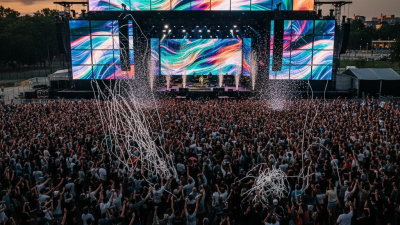
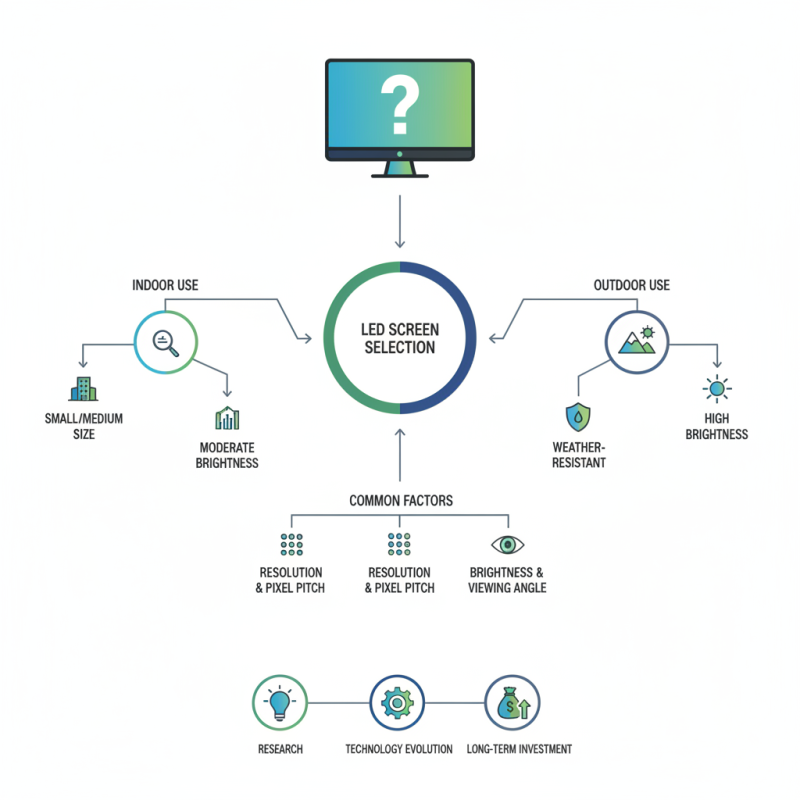
Different settings—whether for a concert, advertising, or presentations—require unique features. Some LED screens are designed for indoor use, while others are built to withstand outdoor conditions. Size, resolution, and brightness are all crucial factors. What may seem perfect at first glance, could fall short in functionality later.
Keep in mind that technology is always evolving. New models are released regularly, and prices fluctuate. It’s essential to be informed and think critically about your choices. Not all LED screens will meet your expectations. Therefore, spending time researching each option will result in a better investment in the long run.
Understanding Different Types of LED Screens Available in the Market
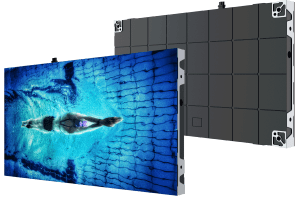
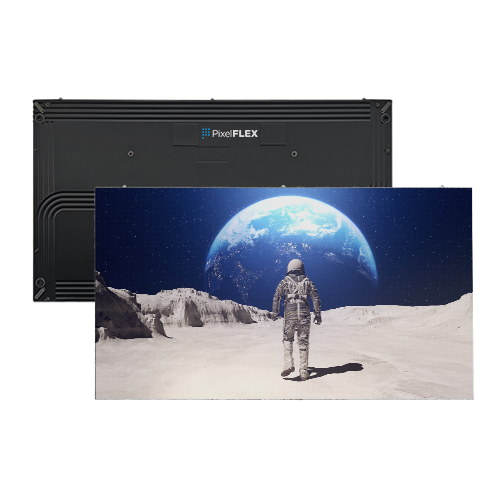
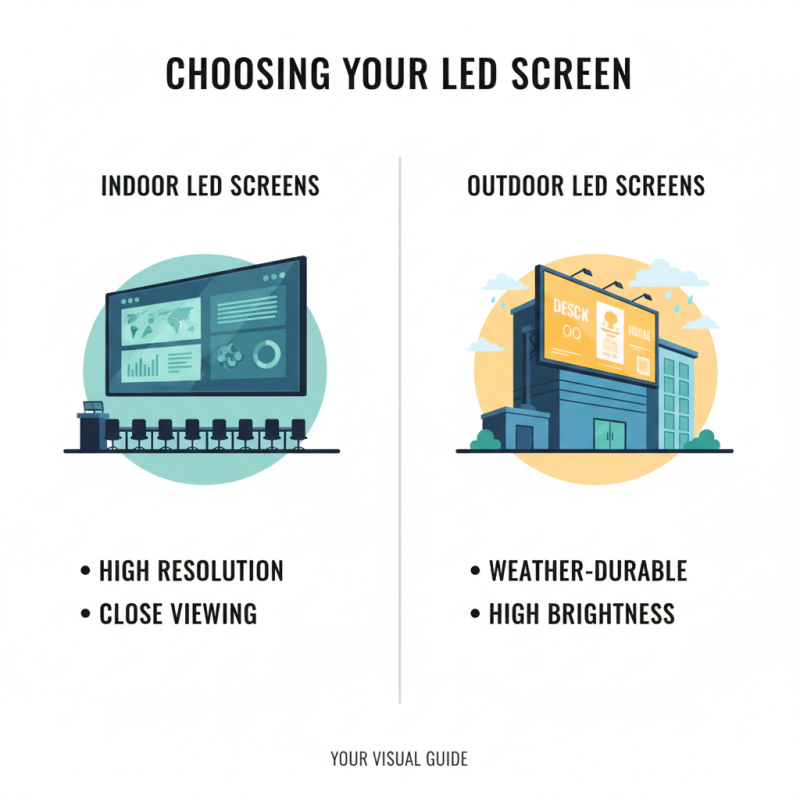
When choosing an LED screen, understanding the different types available is crucial. From indoor to outdoor displays, each serves unique purposes. Indoor screens typically offer higher resolution, making them ideal for events or presentations. Outdoor screens, however, are built to withstand weather elements, ensuring durability and brightness.
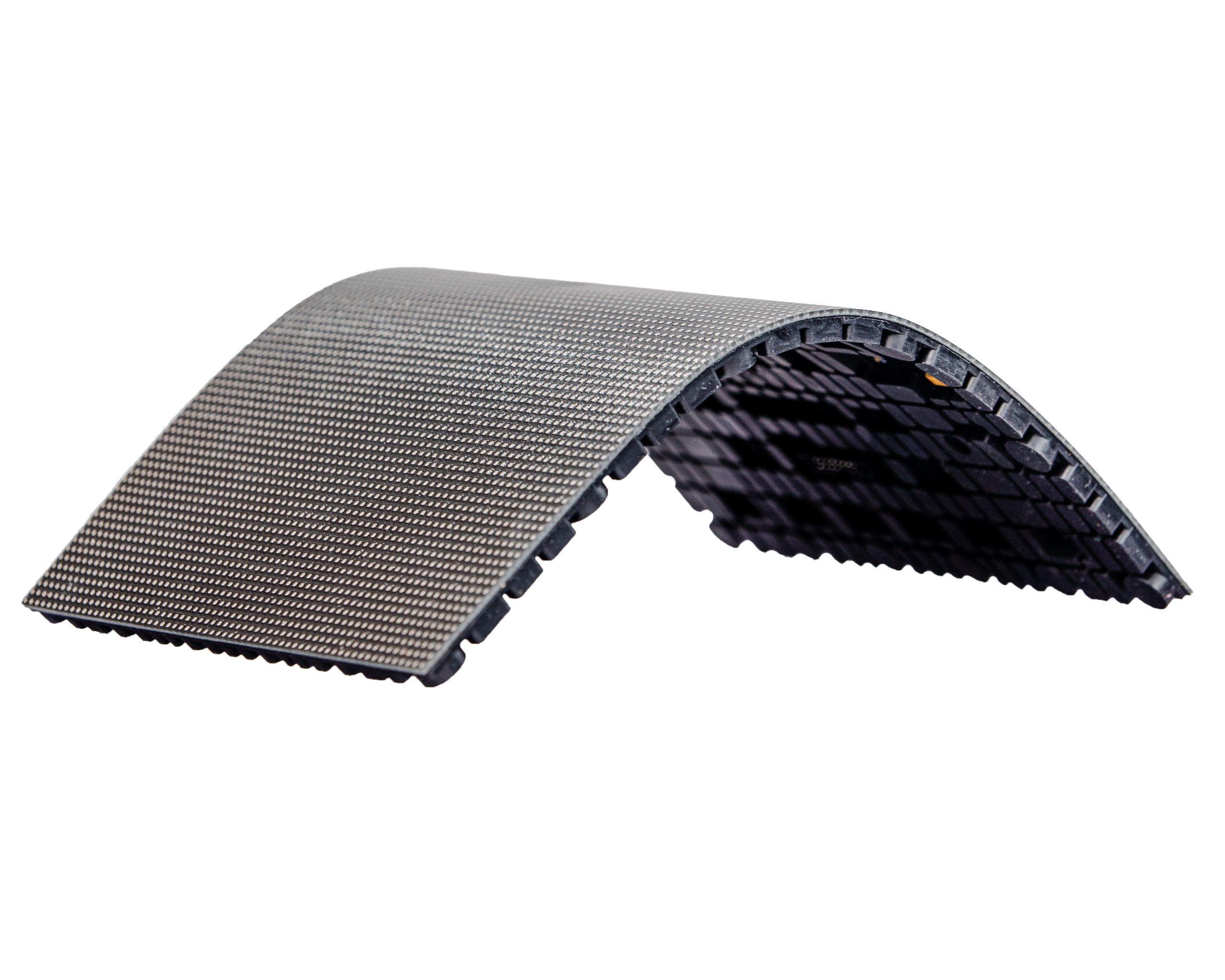
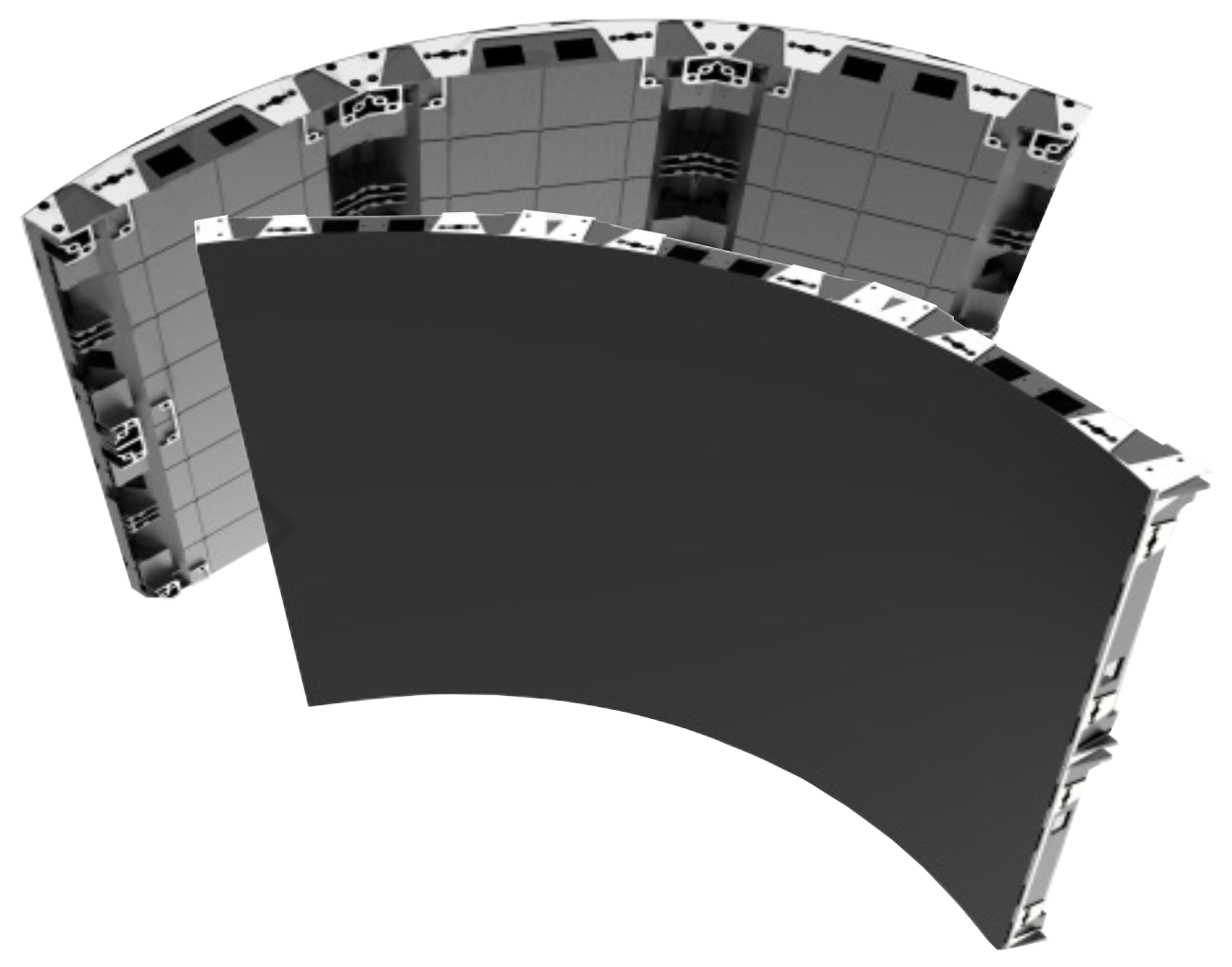
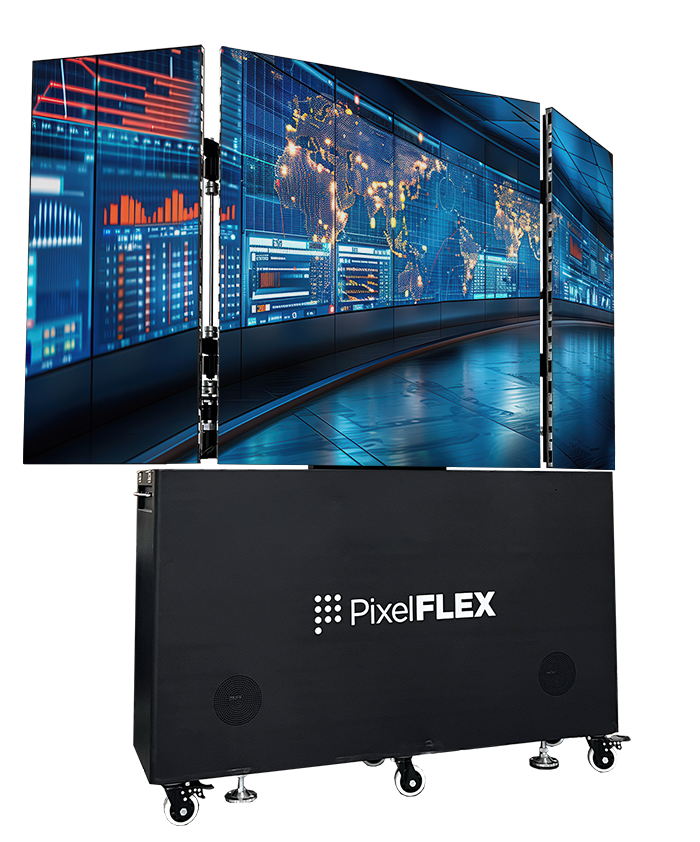
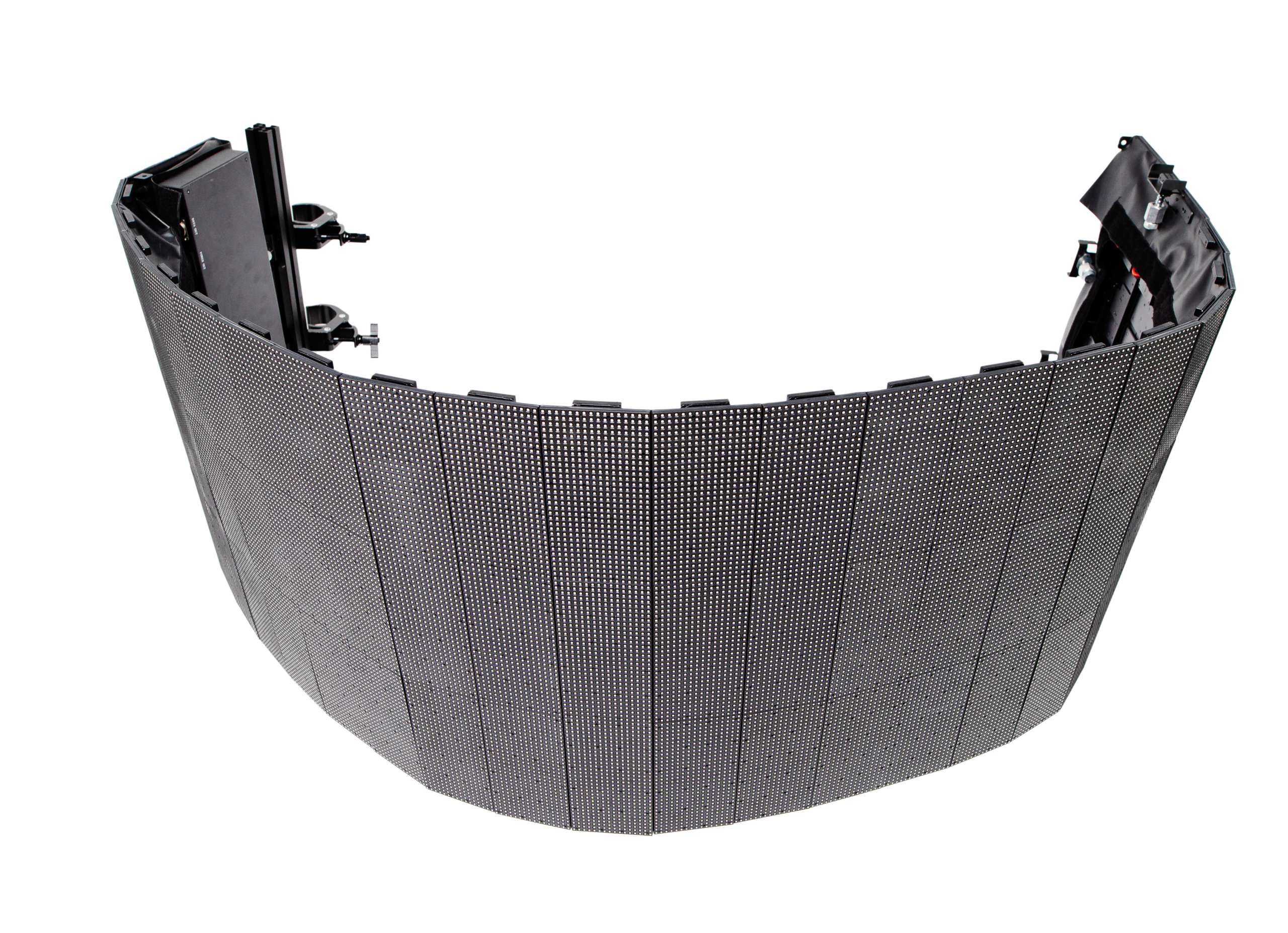
Another type is the flexible LED screen. These are versatile and can be shaped to fit various settings. They are great for creative displays but may require specific installation knowledge. Curved LED screens, on the other hand, create immersive experiences but can be tricky to find the right space for them.
Consider also the pixel pitch. A smaller pitch means a higher resolution, which is perfect for close viewing. Yet, it can lead to higher costs. Sometimes, users may find themselves overestimating the benefits of higher resolution, forgetting the importance of practicality in their setup. Evaluating your specific needs will help make an informed decision.
Key Factors to Consider When Choosing an LED Screen for Specific Needs
Choosing the right LED screen can be a daunting task. It's important to assess your specific needs first. Think about the size and space available. A large venue may require a bigger screen for better visibility. Smaller spaces might need compact designs. Consider where you will place the screen. Will it be indoors or outdoors? This choice significantly impacts brightness and clarity.
Resolution is another key factor. Higher resolution screens provide better image quality. If you're showcasing detailed graphics or videos, aim for 1080p or higher. However, don’t overlook budget constraints. Sometimes, compromise is necessary. Also, think about the viewing angles. A wide viewing angle ensures that everyone gets a clear view. Be mindful that some screens may not perform well from certain angles.
Durability matters too. If the screen is for outdoor use, it should withstand various weather conditions. Look for IP-rated products that resist dust and moisture. Installation and maintenance are often overlooked. Complex setups can lead to additional costs. Regular maintenance is crucial for longevity. This is often neglected, leading to a shorter lifespan than expected.
How to Choose the Right LED Screen for Your Needs? - Key Factors to Consider When Choosing an LED Screen for Specific Needs
| Dimension |
Description |
Recommended Value |
| Screen Size |
The diagonal measurement of the screen |
32" - 75" |
| Resolution |
Number of pixels per unit area |
1080p, 4K |
| Brightness |
Luminance of the display measured in nits |
300 - 3000 nits |
| Refresh Rate |
Frequency at which the display updates |
60Hz - 120Hz |
| Viewing Angle |
Maximum angle at which the display can be viewed with acceptable visual performance |
160° - 180° |
| Weight |
Total weight of the LED screen |
5 - 50 kg |
| Connectivity |
Types of ports available on the screen |
HDMI, USB, VGA |
| Power Consumption |
Energy used by the screen |
50 - 200 watts |
Evaluating Display Quality: Resolution, Brightness, and Color Accuracy
When selecting an LED screen, display quality is paramount. The resolution affects clarity. A higher resolution provides sharper images. However, this fact is sometimes overlooked. You may find yourself torn between different options, unsure of what is sufficient.
Brightness is another crucial factor. It determines visibility in various lighting conditions. A screen with inadequate brightness can appear washed out in sunlight. Conversely, overly bright displays can cause eye strain. Finding a balance that suits your environment is vital.
Color accuracy also plays a significant role. Screens can render colors differently. Some may enhance hues for vivid experiences, while others strive for true-to-life representation. Choosing the right color accuracy depends on your needs. Media professionals require precision. Casual users might prioritize visual appeal. Reflect on what matters most to you and how it affects your choice.
Assessing the Right Size and Installation Options for Your Space
When selecting the right LED screen, size and installation options are crucial. Consider your space dimensions. A large screen can dominate a small room, making it feel cramped. On the other hand, a tiny screen in a big area may look lost and ineffective. It’s essential to strike a balance. Measure your wall space carefully. Take note of viewing distances too.
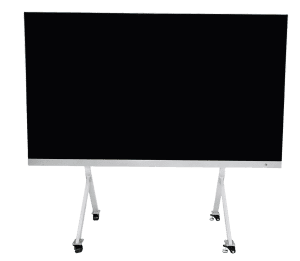
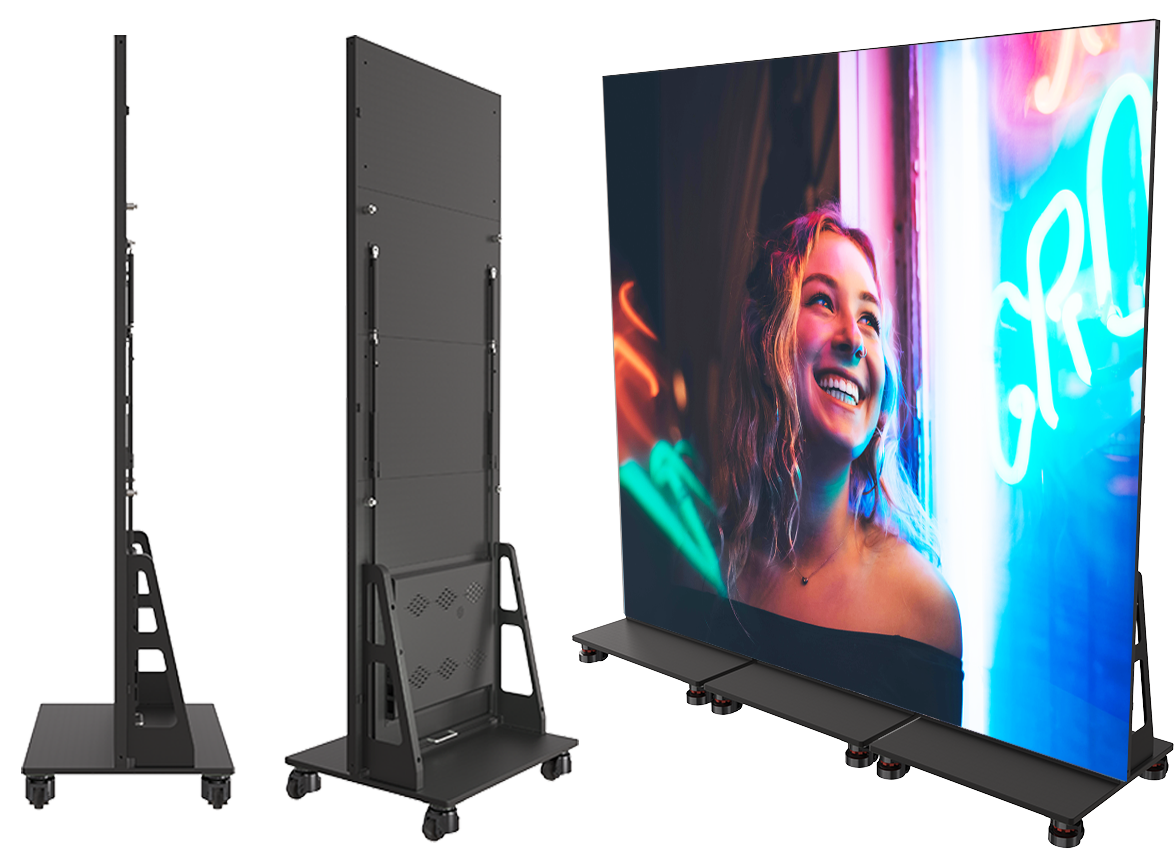
Different installation options also play a significant role. Wall-mounted screens save space but can affect visibility depending on height. A free-standing display offers flexibility but requires more floor space. Think about your room's layout and audience interaction. Will people gather around it? Or will they view it from afar? Each choice presents pros and cons that deserve thought.
Sometimes, even detailed planning reveals unforeseen challenges. The ideal size may not fit due to structural elements like doors or windows. Installation can also be trickier than expected, especially in unique spaces. Take time to reflect on these factors. A few miscalculations can lead to dissatisfaction later. Ultimately, understanding your needs can guide you better in making the right choice.
Budget Considerations: Balancing Cost with Required Features and Quality
When selecting an LED screen, budget plays a crucial role. Many consumers struggle with balancing cost and quality. A recent industry report noted that 55% of businesses regretted under-investing in LED technology. Low-cost options may seem attractive, but they often lack essential features. Quality is not just about visuals; it influences durability and performance too.
Tips: Consider the long-term savings of a higher quality screen. Investing upfront can save you from repeated replacements. An LED screen usually lasts over 50,000 hours, but some cheap models fail sooner than expected.
Think about necessary features, such as resolution and brightness. A survey revealed that 65% of users preferred screens with higher resolution for better clarity, especially in bright environments. Selecting a screen that meets your display needs is essential, but it should align with your budget.
Balancing features with costs is not straightforward. Sometimes, compromise is necessary. Would a slightly lower resolution suffice if it keeps costs down? Reflecting on what you truly need can steer you in the right direction.
LED Screen Budget Considerations


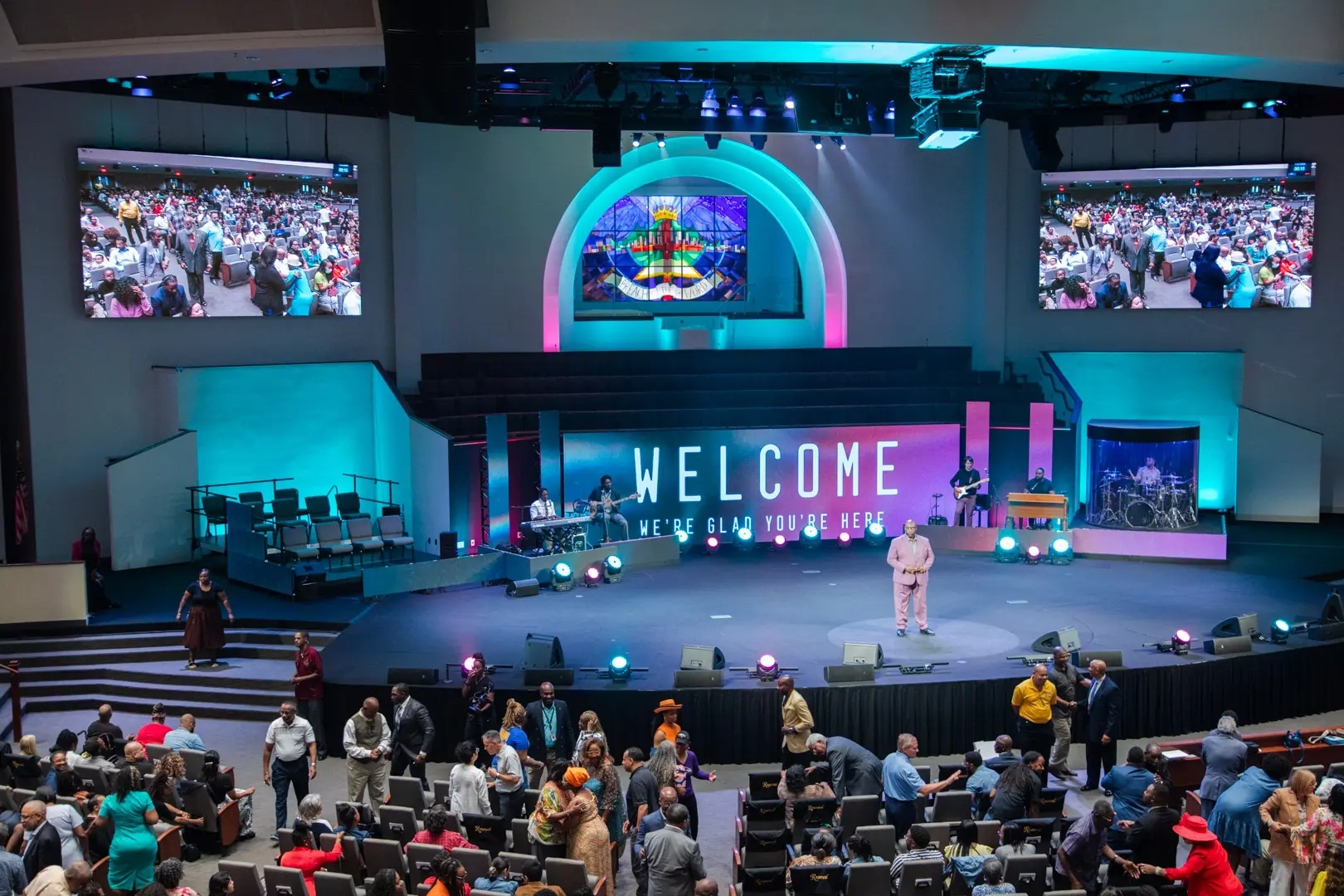
 House of Worship
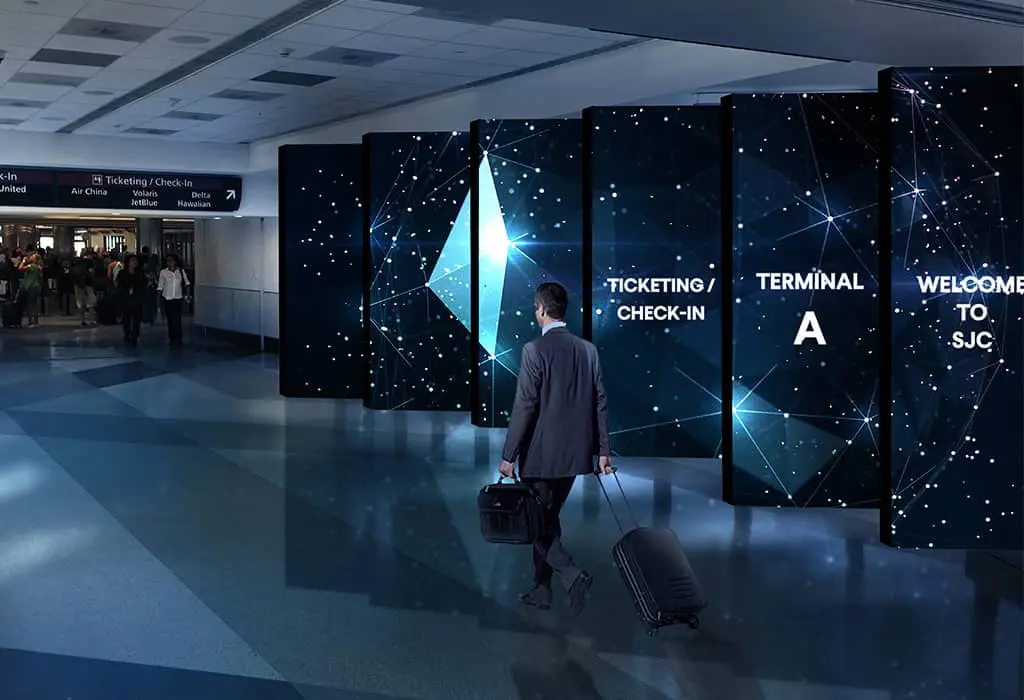
 Transportation
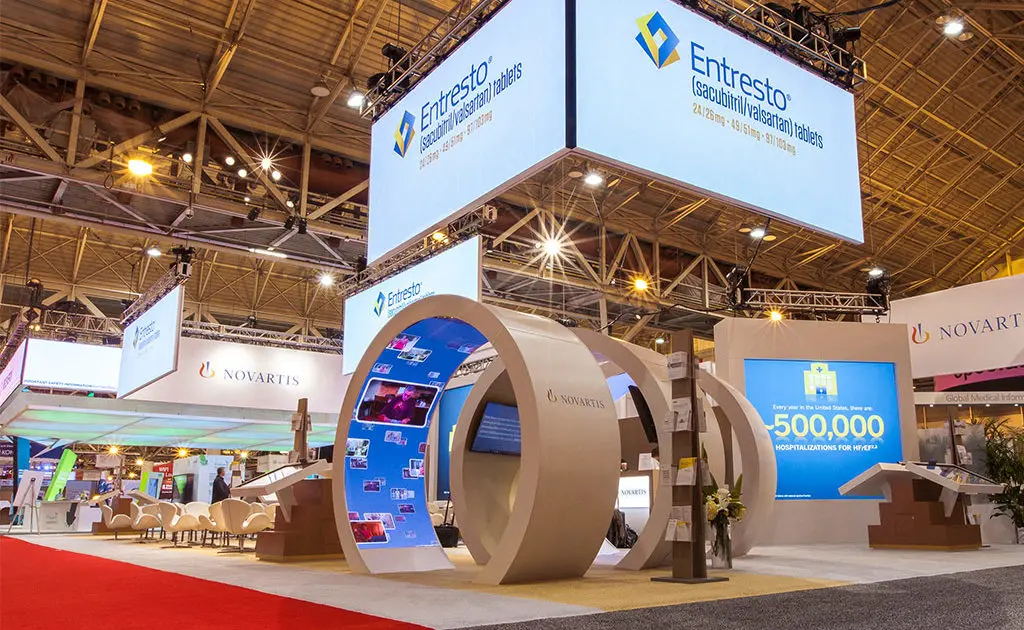
 Trade shows led display
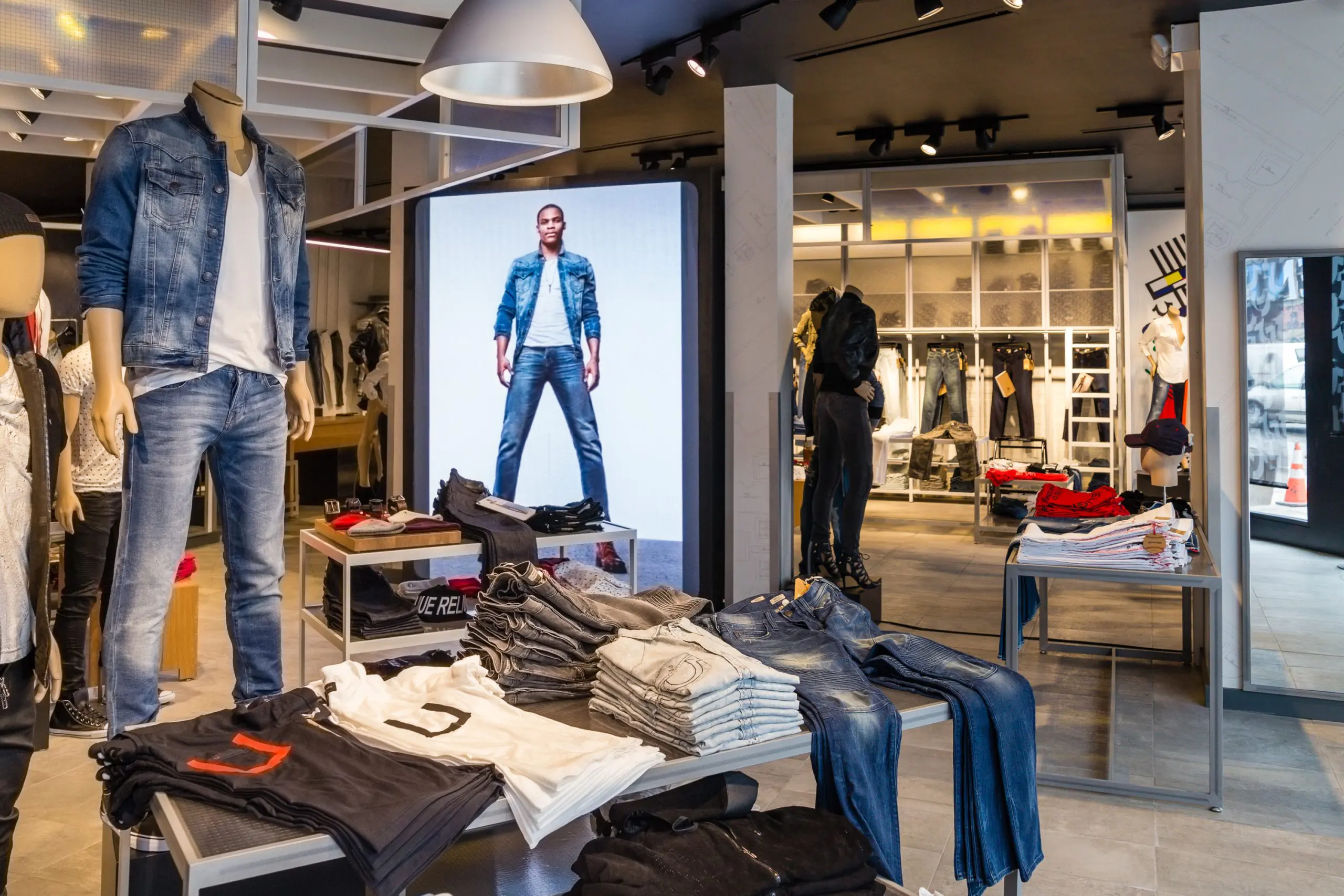
 retail
 Creative Led Solutions
 Hospitality
 Higher Education
 Corporate LED