How to Choose the Right LED Wall for Your Next Event?
Choosing the right LED wall for your next event can greatly enhance the atmosphere and engagement. According to a recent industry report by MarketsandMarkets, the global LED display market is projected to reach $26.5 billion by 2025. The rise in demand highlights the importance of effectively selecting the right technology for your needs.
Event planners must consider several factors when opting for an LED wall. The size, resolution, and brightness play critical roles. A high-resolution display ensures clarity from various viewing distances. Meanwhile, the brightness level is essential for outdoor events where natural light can be a challenge. However, it’s easy to overlook these aspects in the excitement of planning.
Additionally, understanding your audience's preferences is vital. Remember, not all events require the same setup. Reflecting on past experiences can help refine your choices. It’s worthwhile to acknowledge that even with the best planning, things may not always go perfectly. Being prepared for unexpected challenges can lead to a more successful outcome.
Types of LED Walls Suitable for Different Events
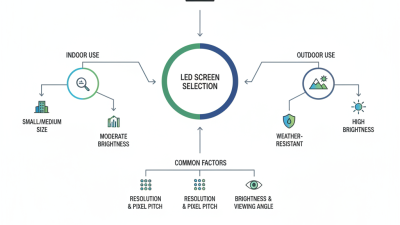
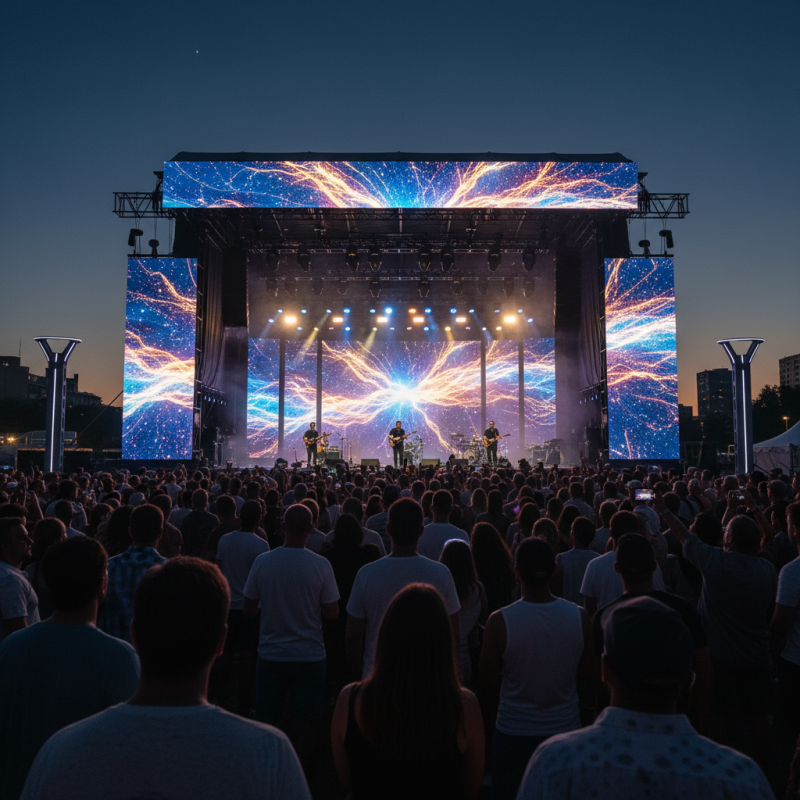
Choosing the right LED wall for your event is crucial. Different types of LED walls cater to various needs. For outdoor festivals, high-brightness screens are essential. They often exceed 6000 nits, ensuring visibility in direct sunlight. In contrast, indoor corporate events can use lower brightness levels, typically around 1500 to 3000 nits.
Another consideration is the pixel pitch. Events requiring close audience interaction benefit from finer pixel pitch. A pitch of 2.5mm or less creates clearer images. Meanwhile, larger events, like concerts, can opt for a higher pixel pitch, around 5mm. This choice often comes down to budget constraints. Quality should not be compromised for cost savings.
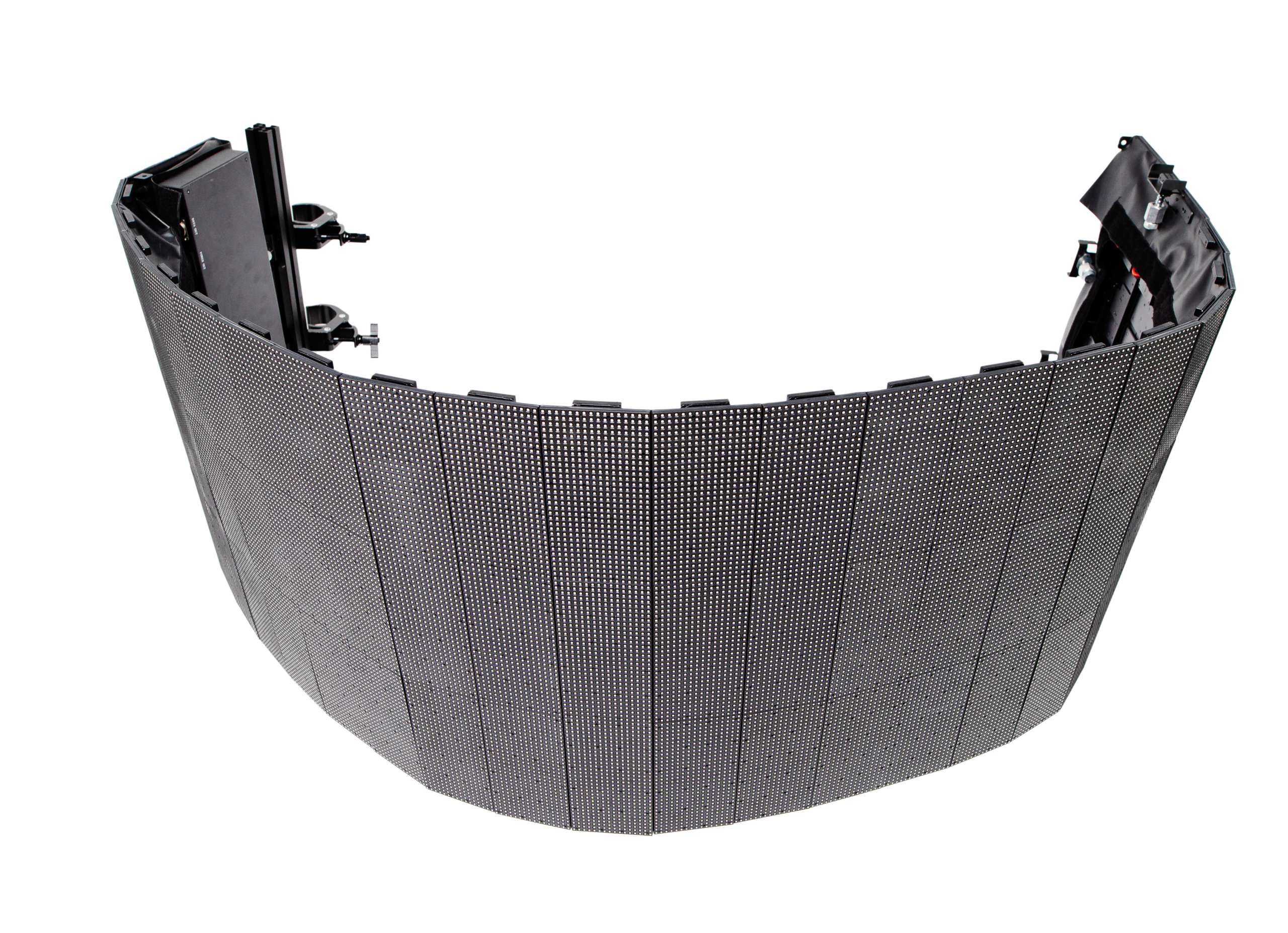
Flexibility is another factor. Modular LED walls allow for various shapes and sizes. This adaptability can enhance event aesthetics but may lead to unexpected technical challenges. Operators must account for setup time and potential outages. Research suggests that nearly 30% of event planners face equipment failures during events. Being prepared for such issues is critical for a successful outcome.
Key Factors to Consider When Selecting an LED Wall
Choosing the right LED wall for your event involves several critical factors. First, consider the pixel pitch. It determines the resolution and clarity of the display. A smaller pixel pitch (like 2.5mm) is ideal for close viewing, while a larger pitch (like 10mm) suits larger venues. The resolution impacts content quality, particularly for detailed visuals. Data from industry reports suggest that resolutions above 1920 x 1080 are preferred for high-end events.
Another important factor is brightness. Depending on your event setting, a minimum of 1,500 nits is recommended. Outdoor events require higher brightness to counteract sunlight. Furthermore, the size matters. Larger screens enhance visibility from a distance. The International LED Display Survey notes that 70% of event organizers prioritize screen size for audience engagement.
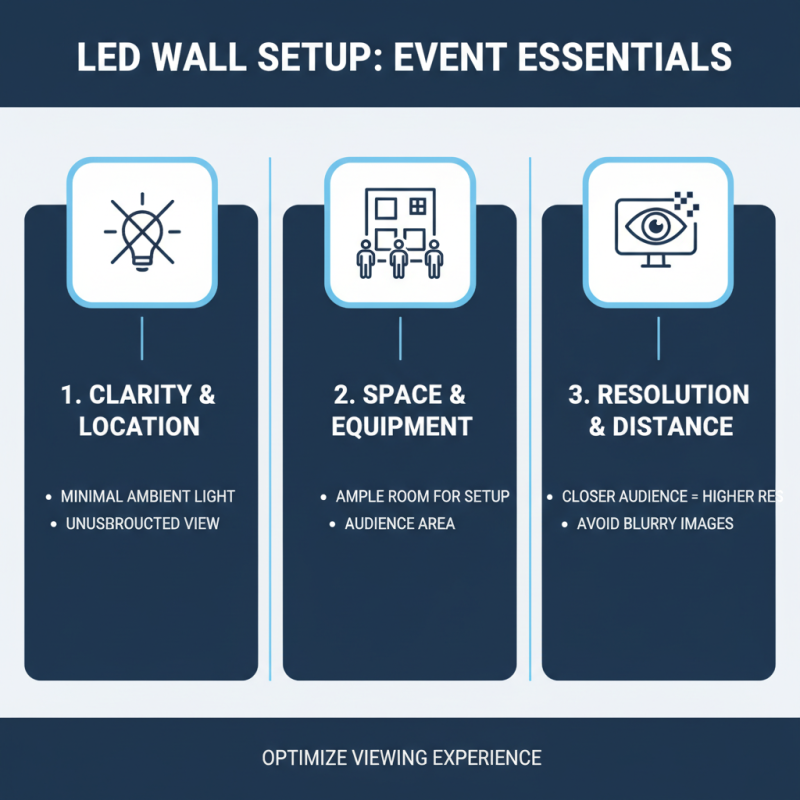
Tip: Always check the viewing distance. Each pixel should be visible without strain. A screen too close may appear pixelated.
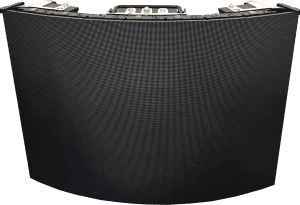
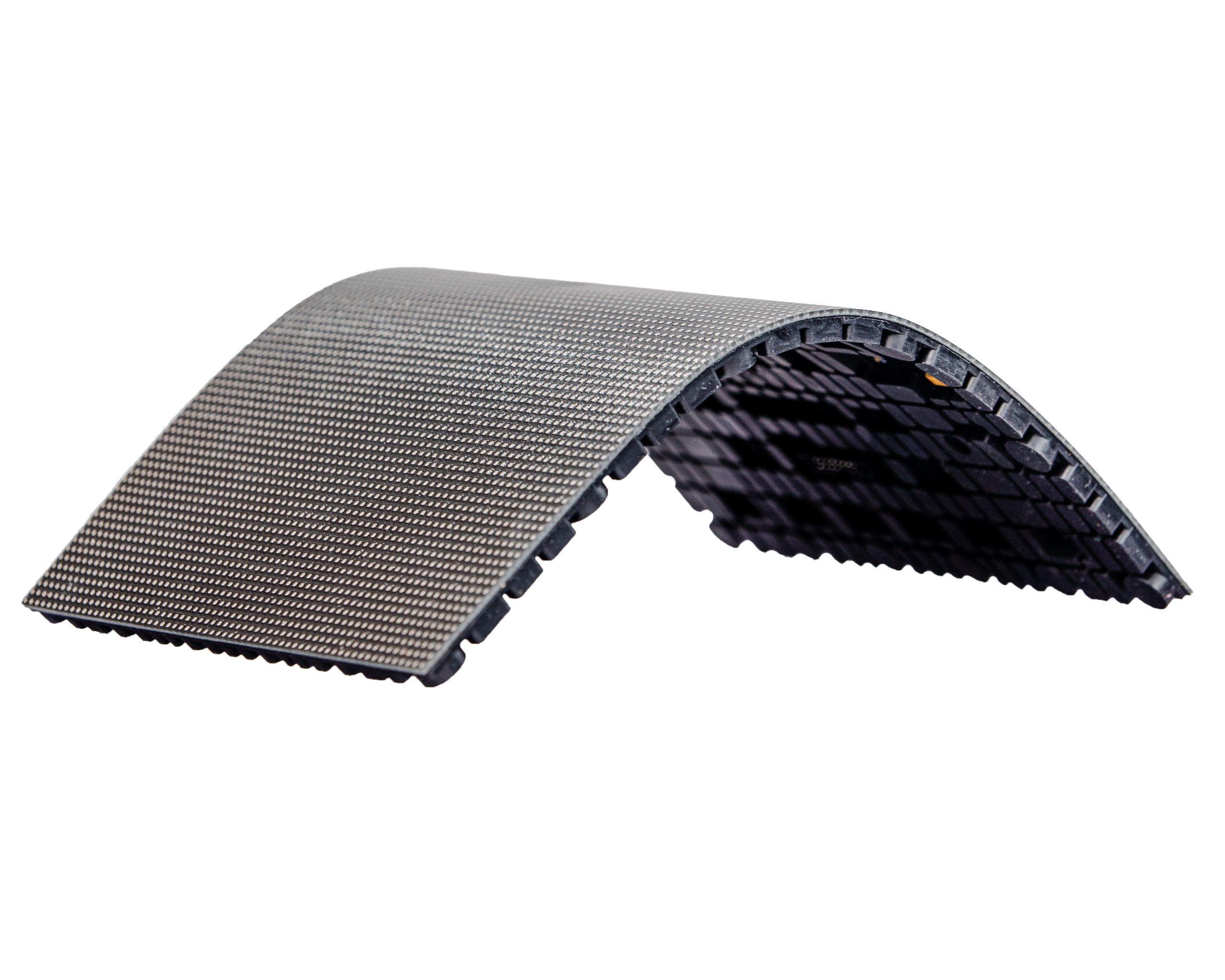
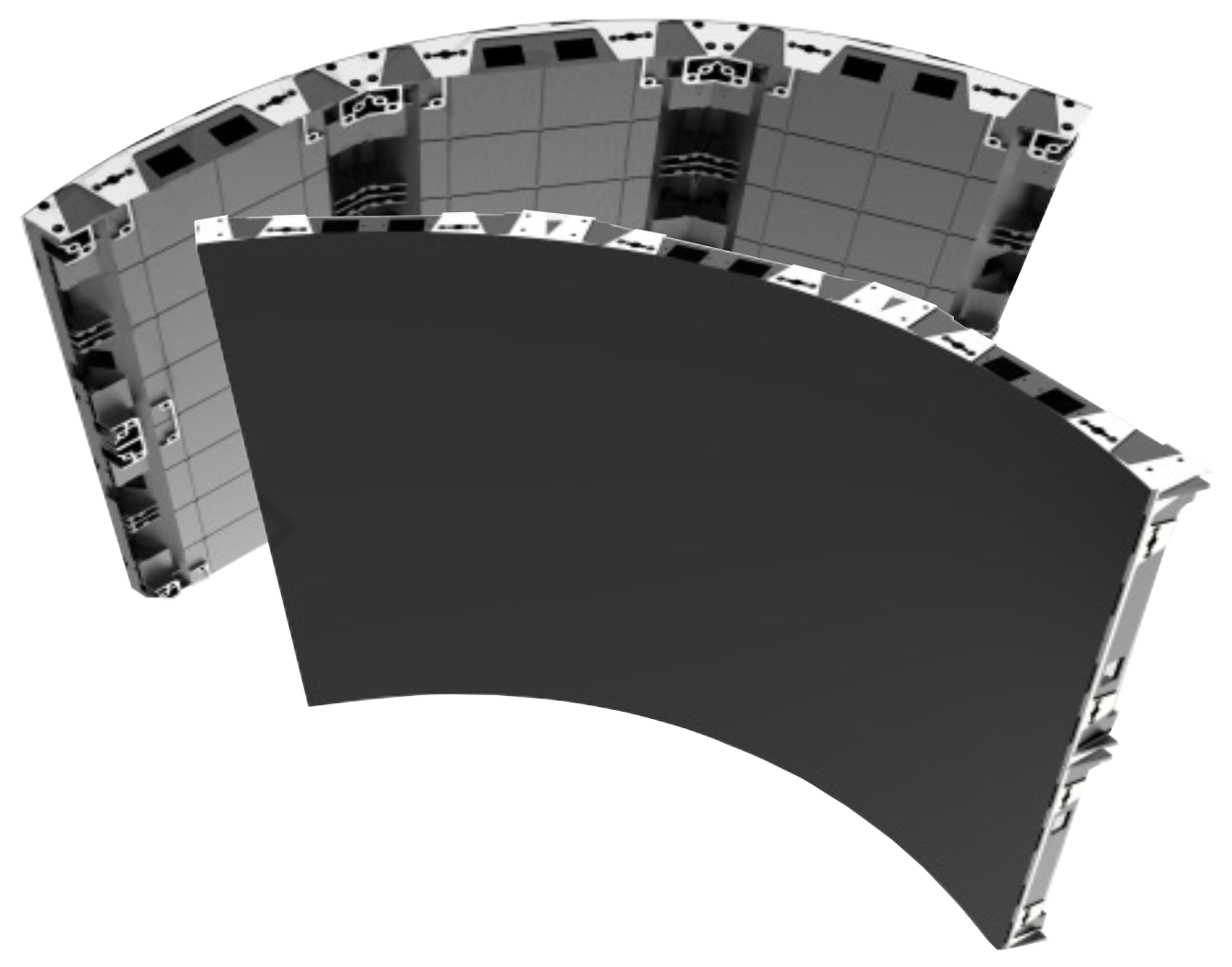
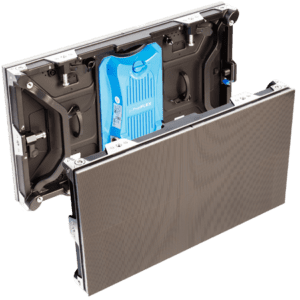
Flexibility in installation is another critical element. Consider whether the wall can be configured for different layouts. Some setups demand curved screens or specific aspect ratios. Not all products are easily adaptable. Explore rental options for less commitment, and ensure you understand the weight and mounting requirements.
Tip: Engage with rental companies to understand their offerings fully. They may have flexible solutions that fit your event style. Involve your team early to avoid any last-minute surprises.
How to Choose the Right LED Wall for Your Next Event? - Key Factors to Consider When Selecting an LED Wall
| Factor |
Description |
Importance (1-5) |
| Resolution |
The clarity of the LEDs which affects how crisp images appear. |
5 |
| Size |
Dimensions of the wall, determining visibility based on venue size. |
4 |
| Brightness |
Measured in nits, influences visibility in various lighting conditions. |
5 |
| Refresh Rate |
Frequency at which the image is updated, important for video. |
4 |
| Viewing Angle |
Angle at which the display can be viewed without loss of quality. |
3 |
| Installation |
Ease of setup and takedown, particularly for mobile events. |
4 |
| Cost |
Overall budget and value for money relative to features. |
5 |
Understanding the Specifications and Features of LED Walls
When choosing an LED wall for your event, understanding the specifications is crucial. Brightness is one of the key factors. Reports indicate that a brightness level of 2,500 nits is suitable for indoor use. Outdoor events, however, often require at least 5,000 nits for visibility in daylight. This disparity shows the importance of matching the LED wall's brightness to the venue and time of day.
Another critical feature is pixel pitch. Pixel pitch measures the distance between pixels, which affects image clarity. A smaller pixel pitch (less than 3mm) provides sharper images, making it suitable for close viewing. Conversely, larger pitches (around 10mm) are acceptable for distant views, like at large festivals. Choosing the right pitch can significantly impact the audience's experience.
Additionally, consider the refresh rate. A higher refresh rate is vital for events with dynamic content. Look for a refresh rate above 1,200 Hz to avoid flickering on camera. This is particularly important for hybrid events where the live streaming quality is essential. Balancing these specifications will ensure your LED wall meets your event's unique demands. Not every LED wall will fit every scenario. This aspect requires careful thought.
Comparison of LED Wall Specifications for Events


 House of Worship
 Transportation
 Trade shows led display
 retail
 Creative Led Solutions
 Hospitality
 Higher Education
 Corporate LED