Top Tips for Choosing the Right Micro Switch for Your Needs?
Choosing the right micro switches for your needs can be a daunting task. With so many options available, one might feel overwhelmed. Micro switches play a crucial role in many devices, making their selection vital for functionality.
When selecting micro switches, consider their specifications. Evaluate the size, force, and electrical ratings to ensure compatibility. It's essential to match these features to your application's requirements. Many overlook this aspect, leading to inefficient performance or even device failure.
Additionally, think about the environment in which the micro switches will operate. Factors like moisture, dust, or extreme temperatures can impact their effectiveness. Ignoring these details may result in unexpected issues later. Always reflect on your specific needs, as this can prevent costly mistakes in the long run.
Understanding Micro Switch Basics and Their Applications
Micro switches play a crucial role in various electronic applications. These devices are tiny but powerful. They function with minimal physical movement, which makes them ideal for precision tasks. According to industry reports, over 1 billion micro switches are produced annually, reflecting their widespread use in automotive, industrial, and consumer electronics.
Understanding the basic operation of micro switches is essential. They typically consist of a simple mechanism with a spring-loaded actuator. When force is applied, the switch either opens or closes a circuit. This reliability is vital in safety systems. For example, in an automotive application, a micro switch may control brake lights, ensuring they function correctly when the brake pedal is pressed. However, not all micro switches perform equally well. Factors such as temperature sensitivity and durability can vary significantly.
Manufacturers emphasize the importance of choosing the right specifications. A poorly selected micro switch can lead to frequent failures and operational downtime. In some cases, this could result in safety hazards or increased maintenance costs. Reports indicate that selecting an appropriate switch can reduce failure rates by up to 40%. This highlights the need for careful analysis before making a decision. Choosing a micro switch isn't just about the specifications; it's about finding the right fit for your specific application.
Key Factors to Consider When Selecting a Micro Switch
When selecting a micro switch, several key factors come into play. First, understand the application requirements. Each micro switch has unique specifications like actuation force and travel distance. According to a recent industry report, 45% of failures stem from incorrect specifications. Choosing a switch that matches your needs is crucial. Lines of a good micro switch can include momentary or latching types, which cater to different operational demands.
Next, consider the environment. Micro switches may be exposed to dust, moisture, or aggressive chemicals. An environmental rating is often provided—understanding this rating can prevent equipment malfunction. A report highlighted that around 30% of micro switch failures occur in adverse conditions. Ensure the switch you choose has the appropriate ingress protection (IP) rating.
Lastly, don’t neglect the electrical specifications. The voltage and current rating of the micro switch must align with your circuit requirements. An inadequate rating can lead to overheating and potential hazards. Remember, even minor details matter, such as terminal styles and mounting options. A misalignment here can compromise functionality and safety. Balancing these factors is essential, as overlooking one could lead to performance issues down the line.
Comparing Different Types of Micro Switches Available in the Market
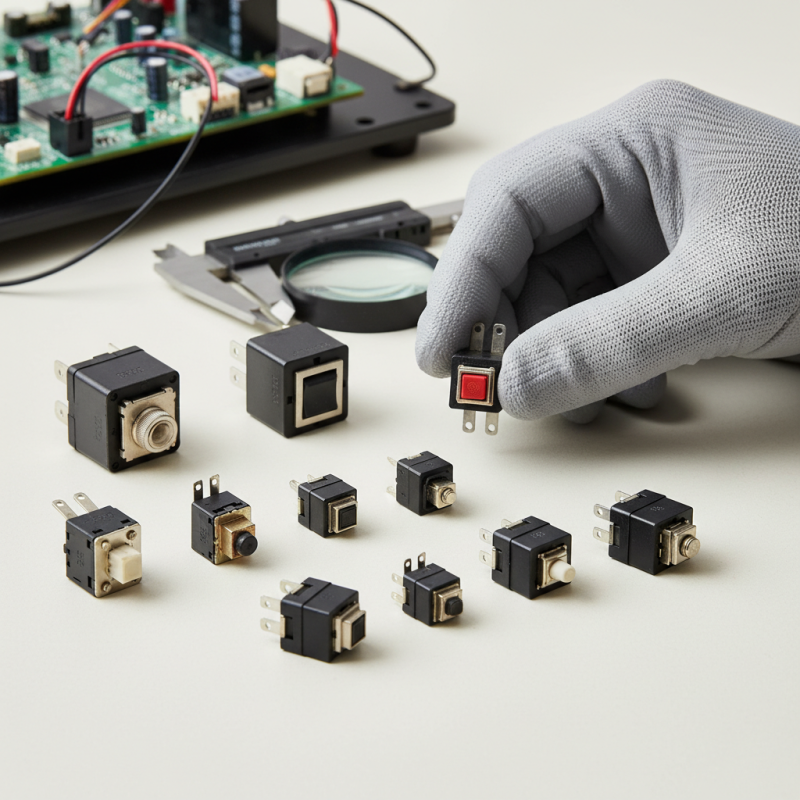
When selecting a micro switch, understanding the variety available is crucial. There are several types, including basic, sealed, and subminiature switches. Each type serves different functions. Basic micro switches are great for low-demand applications. Sealed micro switches are ideal for environments with dust or moisture. Subminiature switches work well in compact spaces.
Tips for choosing the right switch can enhance your decision-making. Consider the required actuation force. It varies across models and can affect performance. Also, evaluate the operating environment. Extreme temperatures can impact switch lifetime. Think about longevity and replacement costs too. It’s often overlooked until it’s too late.
Remember to check the durability ratings of the micro switches. Some may fail quickly under pressure, requiring you to rethink your choice. Match the switch design with your specific needs. Not all switches perform equally in different applications. Take time to reflect on your choices; it can save headaches later.
Evaluating Performance Specifications and Ratings of Micro Switches
When selecting a micro switch, evaluating performance specifications is essential. Start by considering the switch's electrical ratings. Voltage and current ratings determine how much power the switch can handle. Check these specifications to ensure they align with your application. If the switch does not meet these requirements, it might fail prematurely.
Another critical aspect is the actuation force. This force determines how easily the switch can be activated. A switch that is too stiff may be challenging to use. Conversely, one that is too sensitive might trigger inadvertently. Testing the actuation force in real-world scenarios can provide better insight.
Lastly, consider the life cycle of the switch. Different micro switches have varying mechanical and electrical life ratings. A switch with a shorter life might be suitable for high-frequency applications. However, frequently replacing switches can be costly and inconvenient. Finding a balance between performance and durability requires careful thought and reflects on your specific needs.
Common Mistakes to Avoid When Choosing a Micro Switch
When selecting a micro switch, common mistakes can lead to operational failures. One prevalent error is ignoring the specifications. According to a report from the Electronic Industry Association, nearly 25% of all micro switch failures occur due to mismatched voltage ratings. Always check the voltage category and ensure it aligns with your device requirements. Just a simple oversight can cause significant downtime.
Another frequent misstep involves neglecting the environmental conditions. Micro switches are not one-size-fits-all. A study from the International Electromechanical Standards Association found that around 30% of installations fail due to improper environmental ratings. For example, switches used in wet or dusty environments need specific features. Choosing the wrong type could risk equipment integrity.
Cost is also a tricky factor. Many buyers focus solely on price, overlooking quality and reliability. This can be deceptive. A cheaper micro switch may save money upfront, but it might not last long. Research indicates that investing in a slightly more expensive switch can reduce overall maintenance costs by up to 40%. Thinking only about the initial price can lead to higher operational expenses later.
Top Tips for Choosing the Right Micro Switch
Micro switches are essential components in various applications. To ensure you choose the best one for your needs, avoid common mistakes and consider the following key factors:


 House of Worship
 Transportation
 Trade shows led display
 retail
 Creative Led Solutions
 Hospitality
 Higher Education
 Corporate LED