What Is a Color TFT LCD Screen and How Does It Work?
A Color Tft Lcd Screen transforms electrical signals into visible images through millions of controlled pixels. It appears in monitors, industrial panels, medical equipment, cameras, and embedded control systems. Behind the glass, a backlight produces white illumination. Liquid crystal cells then regulate how much light passes through each pixel.
Each pixel contains red, green, and blue subpixels. Thin-film transistors act like tiny switches, controlling their brightness with precise voltage changes. Color filters shape the light, while polarizers and alignment layers guide its direction. A display controller sends image data row by row, creating moving pictures that seem continuous to our eyes.
Understanding this process helps engineers select the right panel for brightness, resolution, contrast, and viewing angle. Practical evaluation matters. A screen may look excellent in a showroom but reveal poor black levels under a dim office lamp. Specifications also need careful reading, especially response time and color coverage. Marketing language can be unclear.
Small details matter. Dust, uneven backlighting, or a weak connector can affect the final image. Testing the actual panel is safer than trusting a data sheet alone. Even experienced designers can overlook power consumption or sunlight readability. That is worth remembering.
This guide explains the internal structure, operating principles, key performance factors, and common limitations of a Color Tft Lcd Screen. It also considers how these displays perform in real products, where temperature, viewing conditions, and long-term reliability shape user experience.
Definition and Core Components of a Color TFT LCD Screen
What Is a Color TFT LCD Screen and How Does It Work?
A color TFT LCD screen is a flat-panel display that produces images through liquid crystals, thin-film transistors, and backlighting. TFT means thin-film transistor. Each transistor controls one tiny pixel element with electrical precision. A full-color pixel usually contains red, green, and blue subpixels. Their brightness levels combine to create millions of visible colors.
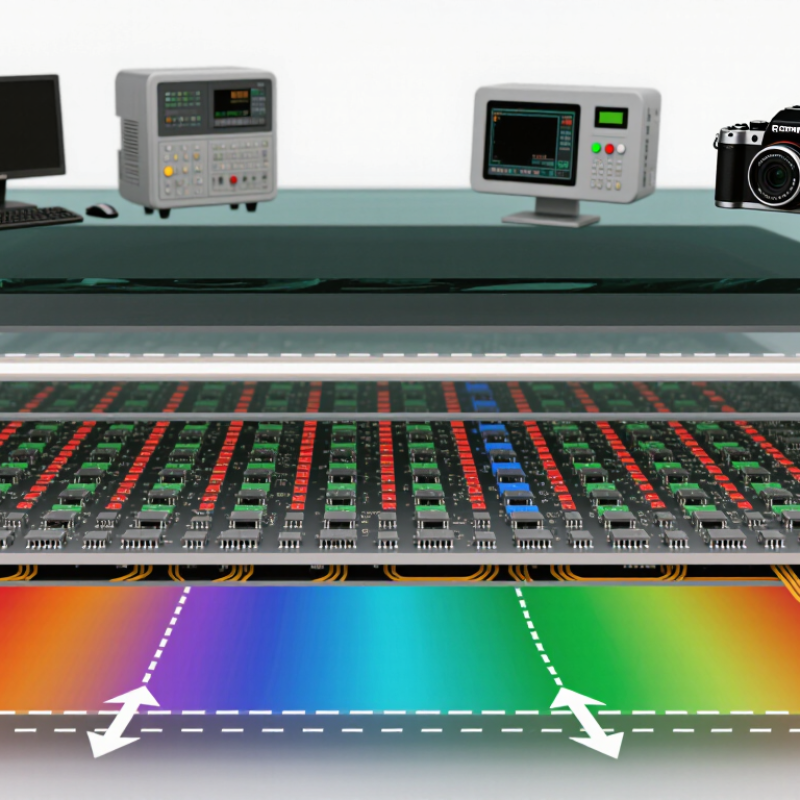
The core structure includes a backlight, polarizing layers, glass substrates, liquid crystal material, color filters, and transparent electrodes. The backlight supplies white illumination from behind the panel. Polarizers guide the light’s direction. Liquid crystals change their alignment when voltage passes through each subpixel. This adjustment controls how much light reaches the viewer. Color filters then shape the light into red, green, or blue output. The transistor matrix holds each pixel setting during rapid image changes.
The process is fast, but not flawless. A display controller sends voltage data row by row through microscopic gate and source lines. A pixel may appear brighter because of viewing angle, temperature, or uneven backlighting. This matters during screen testing. Black areas can also look slightly gray because the backlight never disappears completely. The basic explanation is clean, yet real panels involve leakage current, response-time limits, and manufacturing variation. Small defects remain possible. Careful calibration improves accuracy, but it cannot remove every physical compromise.
How TFT Transistors Control Individual Pixels
A color TFT LCD screen uses millions of tiny transistors to control individual pixels. Each pixel contains red, green, and blue subpixels. Together, they create the colors visible on the panel. Omdia’s 2024 Display Long-Term Demand Forecast expects annual flat-panel display demand to exceed 200 million square meters by 2031. That scale depends on reliable transistor control.
Each TFT acts like a microscopic electronic switch. A gate line activates one row. A source line delivers a measured voltage. The transistor then charges a storage capacitor behind the pixel electrode. This voltage controls liquid-crystal alignment. The alignment changes how much backlight passes through each color filter. Higher voltage may produce brighter output, but the relationship is not perfectly linear.
The process repeats row by row, many times per second. A 60 Hz panel refreshes each image about 60 times every second. Manufacturing tolerances matter here. Small voltage differences can create faint lines, flicker, or uneven gray areas. The Society for Information Display reports that modern active-matrix panels can contain millions of switching elements across one display area. Impressive, but not flawless. Dust, leakage current, and aging still affect performance. In practical testing, a screen may look uniform at normal brightness, then reveal defects at low gray levels. That is where simplified explanations fail.
How TFT Transistors Control Individual Pixels
Each subpixel in a color TFT LCD uses a thin-film transistor to control the voltage applied to its liquid-crystal cell. The voltage changes light transmission, producing different brightness levels. This chart shows normalized relative luminance for selected 8-bit grayscale codes using the standard sRGB transfer curve. Actual LCD output also depends on the panel, backlight, and calibration.
The Role of the Backlight and Liquid Crystal Layer
What Is a Color TFT LCD Screen and How Does It Work?
A color TFT LCD screen creates images by controlling light rather than producing light itself. A backlight sits behind the display and usually uses many small LEDs for steady illumination. This light passes through polarizing filters before reaching the liquid crystal layer. The crystals twist when voltage changes, adjusting how much light can pass through each pixel. Tiny red, green, and blue subpixels then combine different light levels to create colors. The thin-film transistor, or TFT, controls each subpixel with precise electrical signals.
The liquid crystal layer is sensitive to voltage, temperature, and viewing angle. At high brightness, more backlight power may improve visibility, but it can also increase heat and energy use. Dark scenes are challenging because the backlight remains active behind areas that should look black. This can cause grayish blacks or uneven brightness. The explanation is simplified, though. Real panels also depend on alignment layers, color filters, timing circuits, and careful calibration.
Tips: Check viewing angles when selecting a display for shared use. Look for even brightness across a white screen. Keep the backlight moderate in dim rooms. Excessive brightness can cause eye fatigue. A practical test is useful. Display a dark image and inspect the corners for light leakage. Results may vary between screens, even within the same specification.
How Image Signals Become Visible Screen Content
A color TFT LCD screen turns electrical image data into controlled light. The signal itself is invisible. It carries pixel values, timing information, and refresh instructions. Inside the display controller, incoming data is arranged into rows and columns. This process determines when each pixel receives its next color value. The timing must stay precise. Otherwise, edges may tear, flicker, or shift horizontally.
Thin-film transistors act like tiny switches at individual subpixels. Each pixel usually contains red, green, and blue subpixels. Their voltage levels control how much light passes through liquid crystal material. A backlight provides the light source behind the panel. Polarizing layers and color filters shape that light before it reaches your eyes. When a voltage changes, the crystals rotate differently. The result is measured brightness for each color channel, not colored light created by the transistor.
From hands-on inspection, image quality depends on more than resolution. Signal timing, voltage stability, viewing angle, and panel temperature also matter. A weak connection can produce noise, missing pixels, or an unstable picture. Calibration helps, but it is never perfectly permanent. Liquid crystals respond gradually, and dark tones can reveal uneven transitions. I have found that a screen may look accurate in a test image, yet appear different under room lighting. That limitation deserves attention. Engineers therefore verify color, timing, and brightness across realistic operating conditions.


 House of Worship
 Transportation
 Trade shows led display
 retail
 Creative Led Solutions
 Hospitality
 Higher Education
 Corporate LED