Why Do Electrical Breakers Trip Frequently?
Electrical Breakers serve as crucial components in any electrical system. They act as guardians, preventing overloads and short circuits from damaging equipment. However, many homeowners face the frustration of their electrical breakers tripping frequently. This issue can stem from various factors, making it essential to understand the underlying causes.
Frequent tripping can be a sign of overloading circuits. When too many devices share a single circuit, breakers may trip to prevent overheating. Additionally, faulty appliances can create short circuits, leading to unexpected shutdowns. It’s important to distinguish between regular wear and serious electrical issues.
Monitoring your electrical system is vital. Homeowners should regularly check for damaged wires or connections. If problems persist, consulting a qualified electrician is advisable. They possess the expertise needed to diagnose complex issues. By understanding why electrical breakers trip frequently, we can take proactive steps to prevent future problems.
Common Causes of Frequent Electrical Breaker Tripping
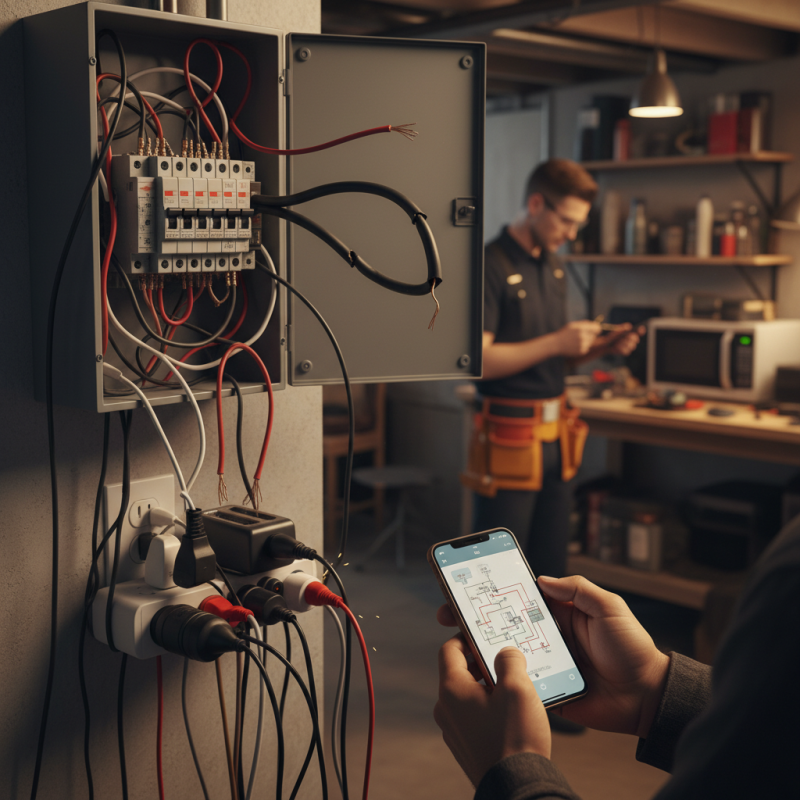
Frequent tripping of electrical breakers can be frustrating. Understanding the common causes can help homeowners address the issue. One leading cause is overloaded circuits. According to the National Fire Protection Association, overloaded circuits account for about 39% of home electrical fires. When too many devices draw power from a single circuit, the breaker trips to prevent overheating and potential fires.
Another prevalent reason for tripping breakers is ground faults. These occur when electricity escapes the wiring and flows into the ground. They are particularly problematic in wet areas. The U.S. Consumer Product Safety Commission reports that ground faults lead to numerous shock injuries each year. Installing Ground Fault Circuit Interrupters (GFCIs) in vulnerable areas can significantly reduce these risks.
Short circuits also contribute to frequent breaker tripping. This happens when a hot wire touches a neutral wire, creating a surge of electricity. A study from the Electrical Safety Foundation International indicates that short circuits can lead to severe damage to electrical appliances. Homeowners are encouraged to consult with licensed electricians to address recurring issues and ensure home safety.
Understanding Circuit Overloads and Their Impact
Circuit overloads are one of the main reasons electrical breakers trip frequently. An overload occurs when the current flowing through a circuit exceeds its rated capacity. This situation can happen when too many devices are connected, drawing more power than the circuit can handle. For instance, the combination of a refrigerator and a washer on the same circuit might cause issues.
When circuits are overloaded, breakers trip to prevent overheating and potential fires. It’s a safety mechanism. Regularly tripping might indicate the need for evaluating your electrical system. Many homeowners ignore this, leading to more significant problems. You may find that using higher-rated devices can also contribute to these overloads, complicating the situation.
Understanding your home’s electrical needs is critical. If you often face tripping issues, consider a professional assessment. A simple rearrangement of devices might suffice. However, in some cases, an upgrade to your electrical panel may be necessary. Inadequate knowledge can lead to costly mistakes. Stay informed about your circuit's limits. Your safety depends on it.
Identifying Short Circuits and Ground Faults
Electrical systems can often trip breakers due to short circuits and ground faults. A short circuit occurs when electrical current travels outside its intended path. This usually happens when wires are damaged or worn. It can create excessive heat and lead to tripping. Visible signs like burning or unusual noises may indicate a short circuit nearby.
On the other hand, ground faults happen when electricity escapes to the ground. This can be due to moisture, damaged insulation, or faulty appliances. For instance, using a damaged extension cord can pose a risk. Identifying these issues often requires a proactive approach. Regular checks can help catch problems early. Still, many homeowners overlook potential hazards.
Understanding these types of electrical faults is crucial. They may seem minor, but they can lead to significant hazards. It’s vital to address any signs of malfunction immediately. Ignoring them can compromise safety. Encourage awareness about electrical systems for better home safety.
Why Do Electrical Breakers Trip Frequently? - Identifying Short Circuits and Ground Faults
| Issue | Description | Potential Causes | Prevention Measures |
| Short Circuit | Occurs when a live wire touches a neutral wire, causing excessive current flow. | Damaged insulation, poor wiring, overloaded circuits. | Regular inspections, replace damaged wires, avoid overloading. |
| Ground Fault | Happens when a live wire contacts the ground or a grounded surface. | Wet conditions, exposed wires, faulty electrical products. | Use GFCI outlets, maintain dry environments, inspect appliances. |
| Overloading | Circuit breakers trip when too many devices draw power beyond the circuit's capacity. | Too many high-wattage devices on one circuit. | Distribute appliances across multiple circuits, upgrade breaker capacity. |
| Faulty Breaker | Breakers can wear out and trip without a clear cause. | Aging breakers, manufacturing defects. | Replace old breakers, choose quality products. |
The Role of Electrical Equipment in Breaker Performance
Electrical equipment plays a pivotal role in breaker performance. Devices like refrigerators, air conditioners, and washing machines draw high currents when starting. This initial surge can cause breakers to trip. The design and age of your equipment may influence this issue too. Older appliances often have less efficient motors that can create excess load on circuits.
Tip: Regularly inspect your devices. Check for frayed wires or unusual sounds. Any signs of wear can signal potential issues before they affect your breakers.
Additionally, if multiple high-demand devices operate simultaneously on the same circuit, tripping is likely. Circuit overloads are common and can result in costly repairs. Ensuring that heavy appliances have their own dedicated circuits can significantly improve breaker reliability.
Tip: Keep track of your equipment's usage. If tripping is frequent, consider redistributing load. An electrician can also advise on circuit upgrades that enhance safety and performance.
Preventive Measures to Reduce Breaker Tripping Incidents
Frequent tripping of electrical breakers can be frustrating. It often signals underlying issues within your electrical system. Understanding these problems is key to preventing them. Regular inspection of wiring is essential. Look for frayed or damaged cables. Damage can cause overloads and short circuits. Keeping the wiring in good condition is a simple yet effective preventive measure.
Overloading circuits is another common cause of tripping breakers. It happens when too many devices are plugged into a single outlet. To avoid this, distribute appliances across multiple circuits. Use power strips wisely and never exceed their limits. A glance at your circuit's capacity can prevent frequent interruptions.
Sometimes, moisture can infiltrate electrical panels or wiring. Ensure that your electrical system is dry. Check for leaks or dampness around outlets. Consider installing protective covers. All these steps help maintain an efficient and safe electrical environment. Addressing minor issues can prevent major headaches down the line. Regular maintenance is not just advisable; it's necessary. Think of it as investing in your home's safety.


 House of Worship
 Transportation
 Trade shows led display
 retail
 Creative Led Solutions
 Hospitality
 Higher Education
 Corporate LED