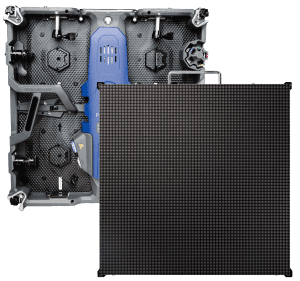
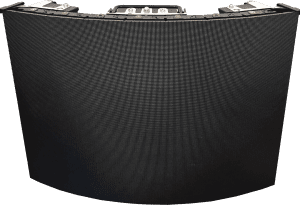
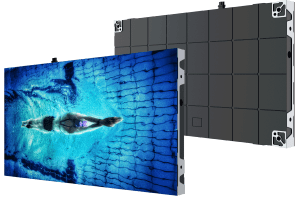
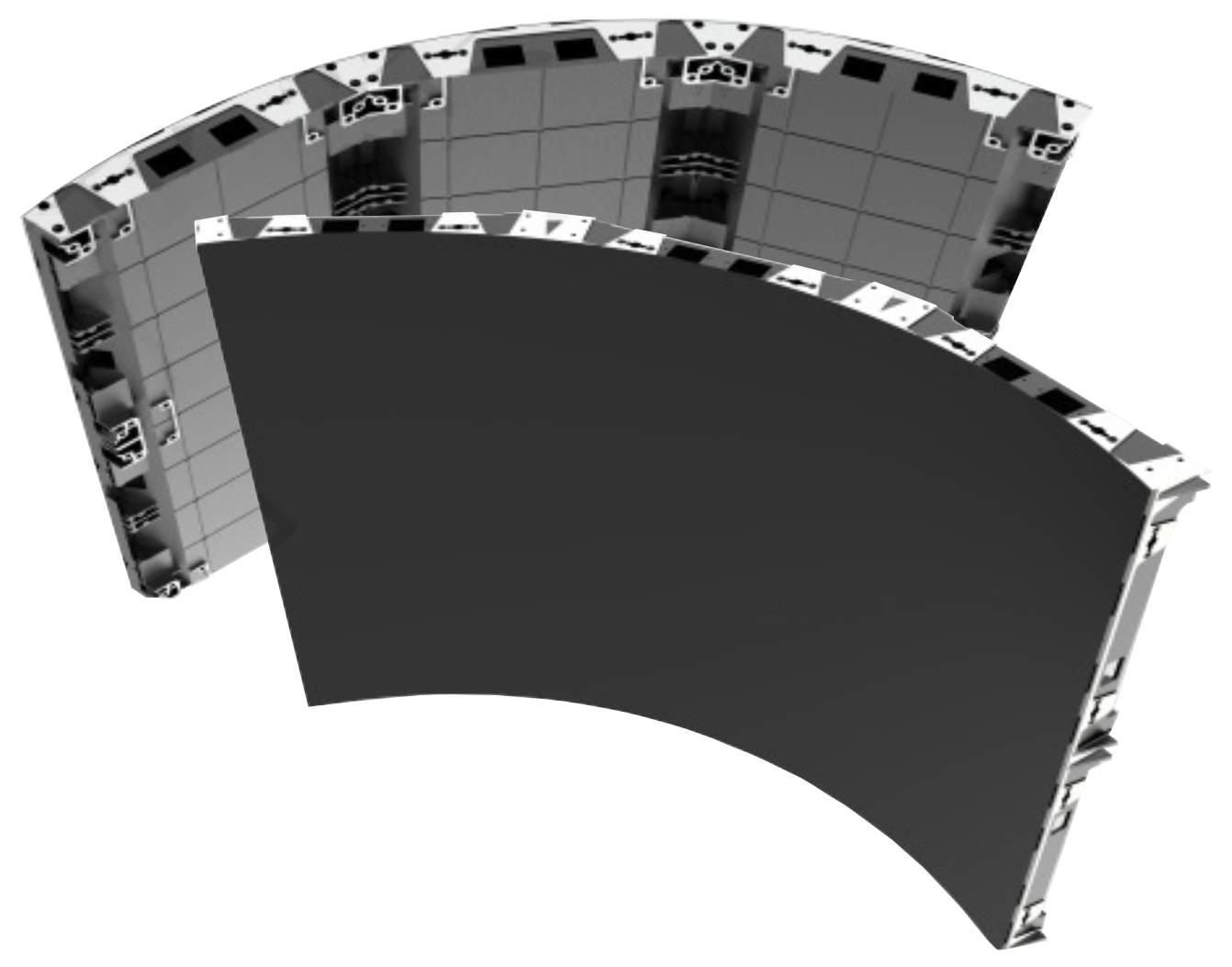
Communicate worship schedules and sermon messages while engaging your congregation with visual technology.
View More
LED displays in transportation settings, such as airports, train stations, and bus terminals, serve as dynamic platforms for real-time information, advertising, and wayfinding, enhancing passenger experience with clear, up-to-date travel details and announcements.
View More
Differentiate yourself from the competition by incorporating a digital experience in your booth with our trade show LED displays.
View More
Communicate your brand’s message, stand out from the competition and engage your target market with LED digital signage.
View More
We offer creative solutions at cost-effective rates. You will be able to deliver your sermons more effectively and engage your congregation through one-of-a-kind lyric video walls and house of worship LED displays.
View More
Enhance ambiance, display interactive directories and wayfinding displays, and promote amenities and events to elevate the guest experience.
View More
Incorporate digital displays to enhance your students’ learning experience and market to prospective students and donors.
View More
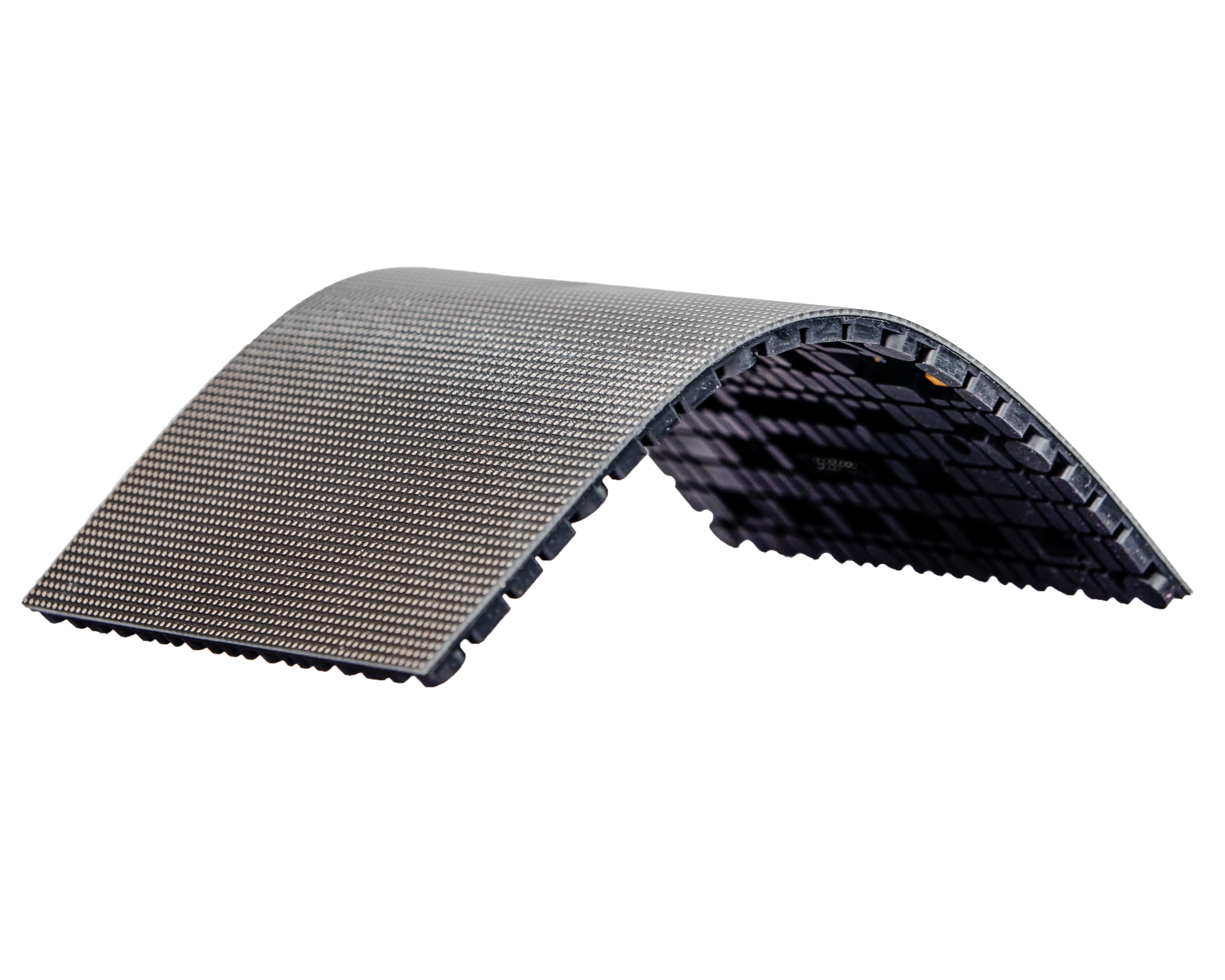
Transform your corporate spaces with PixelFLEX LED video displays. Enhance communication, elevate branding, and create dynamic environments.
View MoreA Fuse Terminal Block combines two practical functions: it connects conductors and provides a mounting point for a compatible fuse. Inside a control cabinet, the fuse sits in a holder beside clearly arranged terminals. If excessive current flows, the fuse element melts and opens the circuit. That interruption helps limit damage to wiring and connected equipment. The block does not replace correct fuse selection, sound wiring, or proper installation.
Standards help explain how these components are evaluated. IEC 60947-7-3 covers terminal blocks with fuse holders for copper conductors, while UL 1059 addresses terminal blocks used in industrial control equipment. These references matter because voltage, current, conductor size, and short-circuit conditions all affect safe selection. The U.S. Bureau of Labor Statistics projected 11% employment growth for electricians from 2023 to 2033 in its Occupational Outlook Handbook. That figure is not a Fuse Terminal Block market forecast, but it reflects continuing demand for electrical installation and maintenance skills. Small component choices deserve careful attention.
A useful explanation should show what happens at the fuse, not just describe the housing. It should also distinguish replaceable fuse types and explain how a blown fuse is identified. No source articles or verifiable expert quotation were provided here, so I cannot responsibly attribute a topic-specific statement to a named specialist. That gap matters. Reliable technical writing should make its evidence traceable, rather than dress an unverified quotation as expertise.
A fuse terminal block is an electrical connection point that combines a terminal with a replaceable fuse. It mounts on a DIN rail or panel and helps protect a branch circuit from excessive current. Unlike a plain terminal block, it holds a fuse in the path between the incoming supply and the connected wire. When current rises beyond the fuse’s rated limit for long enough, the fuse element melts and opens the circuit. The load loses power. That distinction matters.
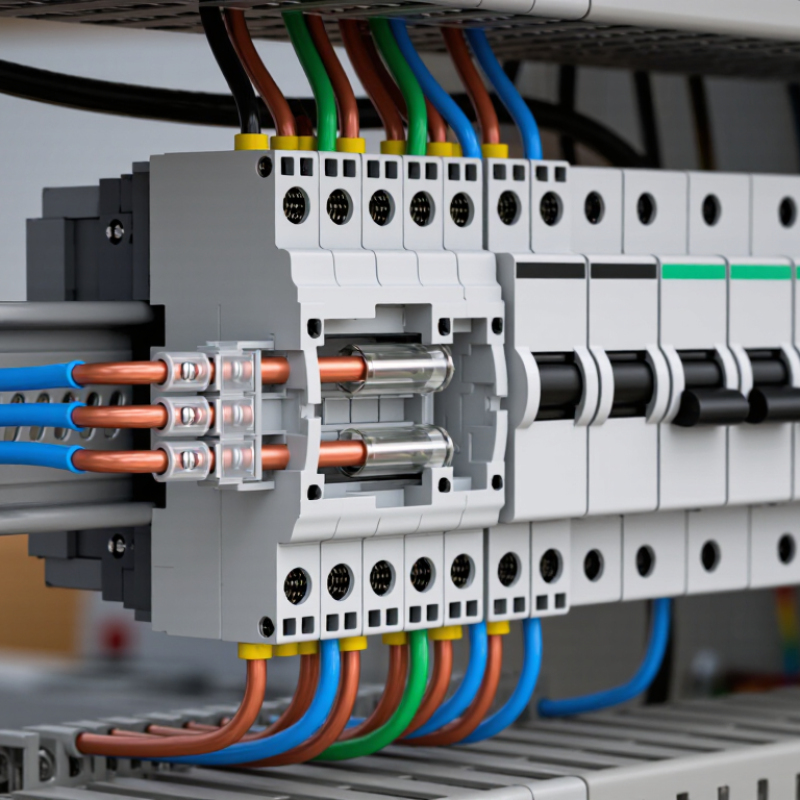
Its main parts are an insulating housing, conductive terminals, and a fuse holder with metal clips that grip the fuse. The housing separates live conductors and may include barriers or a cover. Some models have a small indicator that shows when the fuse has opened, though not every design does. A marker slot can identify the circuit; a loose or unclear label is easy to overlook. The fuse rating must suit the circuit and the equipment, not simply fit the holder. In practice, technicians check the block’s voltage and current ratings, wire size, and fuse type before installation. Replacing a fuse without finding the cause of failure can lead to another interruption.
| Component or Feature | What It Is | How It Works | Practical Considerations |
|---|---|---|---|
| Fuse terminal block | An electrical terminal block that incorporates a fuse holder in the connection path. | It connects a conductor to a circuit while placing a replaceable fuse in series with the protected circuit. | Choose a block compatible with the circuit voltage, current, conductor size, mounting system, and required fuse type. |
| Insulating housing | The nonconductive body that supports and separates the conductive parts. | It helps prevent accidental contact between live conductors and provides insulation between adjacent terminals. | Housing material, temperature rating, and insulation ratings should suit the installation environment and applicable standards. |
| Conductive current path | Metal contacts or a conductive bar inside the block. | It carries current from the incoming terminal, through the fuse, and to the outgoing terminal during normal operation. | Current capacity depends on the complete assembly, including the block, wire, fuse, and operating conditions. |
| Fuse holder or carrier | A fixed or removable part that positions and electrically connects the fuse. | It holds the fuse securely in the current path; some designs allow the carrier to open or be removed for fuse replacement. | Use only the fuse size and type specified for the particular terminal block. Isolate power before servicing unless the equipment is specifically designed for safe live operation. |
| Fuse element | A calibrated protective component that melts when current exceeds its time-current operating characteristics. | When an overcurrent persists long enough, the element melts and opens the circuit, interrupting current to the protected branch. | Fuse selection should account for the circuit’s normal load, expected inrush current, voltage, interrupting rating, and required protection characteristics. |
| Wire terminals | Clamping points, such as screw or spring terminals, used to secure conductors. | They make the electrical connection between field wiring and the block’s internal conductive path. | Match the terminal to the conductor material, cross-section, and preparation method. Follow the manufacturer’s stripping and tightening instructions. |
| Status indicator (optional) | An indicator fitted to some fuse terminal block designs. | Depending on the design, it may provide a visual signal when the fuse has operated; it does not replace electrical testing. | Indicators are not present on every model. Confirm their operating voltage and indication method before relying on them for troubleshooting. |
| Typical operating sequence | The normal and fault response of the assembled block. | Current flows through the fuse during normal operation. If an overcurrent causes the fuse element to melt, the circuit opens and current flow stops. | A fuse protects against specified overcurrent conditions; it does not eliminate all electrical hazards or guarantee protection from every fault. |
A fuse terminal block connects a fuse in series with a circuit, creating a clear path from the supply to the protected load. A conductor from the power source lands on the input terminal. Another wire leaves the output terminal and continues to the device. The fuse sits between these connection points, so normal current must pass through it.
That small link matters. Under normal conditions, current flows through the fuse element with little interruption. If current rises beyond the fuse’s rating for long enough, the element melts and opens the path. The load loses power, helping limit damage to wiring or equipment. The block does not regulate current; it provides a secure connection and a place for the correctly rated fuse.
In a control panel, for example, a supply wire may enter one side of the block, while a smaller wire feeds a sensor from the other. Check the circuit diagram and confirm the terminal markings before wiring. Work with power isolated, and follow the block’s specified strip length and tightening torque. A loose screw can create heat. Real panels are less tidy than diagrams, and cramped wiring can make inspection harder. Verify the fuse rating against the circuit requirements, not just the load’s usual current. The circuit stays open.
A fuse terminal block places a replaceable fuse in series with a circuit. Under normal conditions, current passes through a narrow metal element inside the fuse. That element has a rated current and a defined response to heat. Every fuse has limits.
When current rises above its rating, heat builds in the element through electrical resistance. A small overload may take time to melt it, while a severe short circuit can open it rapidly. The melted element breaks the path, stopping current to downstream equipment. The fuse body helps contain heat and, in suitable designs, extinguish the brief electrical arc. This interruption protects wiring from continued overheating, but it cannot prevent every fault or repair damaged equipment.
The response depends on both current and duration. That distinction is easy to overlook. A fuse may tolerate a brief startup surge yet open during a sustained overload. Ratings, voltage limits, and interrupting capacity must match the circuit and the available fault current. After a fuse opens, the block may look unchanged, so test the fuse rather than relying on appearance. Disconnect power before inspection, and replace it only with the specified type and rating. A higher-rated fuse is not a safe workaround.
A fuse terminal block places a replaceable fuse in series with a circuit. When excessive current heats and melts the fuse element, the circuit opens and current falls to zero.
Illustrative waveform only: the example shows a 5 A load followed by a 30 A fault and current interruption. Actual melting and clearing times depend on the fuse rating, fuse type, and fault current.
Fuse terminal blocks combine a wire connection point with a replaceable fuse. DIN-rail models are common in control cabinets, where several protected circuits fit neatly side by side. Screw-clamp versions hold conductors firmly; spring-clamp models can speed installation and resist loosening from vibration. Some blocks include a blown-fuse indicator, useful when a machine stops and the fault is not obvious. Small detail, big help.
Applications vary with the circuit. In industrial control panels, individual blocks can protect sensors, relays, and solenoid valves. HVAC equipment and building automation panels use them for low-current control wiring. Disconnect-style blocks allow a fuse circuit to be opened for inspection, while compact versions suit crowded enclosures.
The IEA’s Electricity 2024 report projects global electricity demand will grow by an average 3.4% annually from 2024 to 2026. That wider demand makes dependable distribution important, though a fuse block is only one small part of a safe system.
Tips: Match the block to the fuse type, rated voltage, current, and conductor size. Check the manufacturer’s temperature and short-circuit ratings, too. A fuse that fits may still be wrong for the circuit. For critical equipment, label each protected branch; technicians should not have to guess.
A fuse terminal block combines a wire connection point with a replaceable fuse, helping protect an individual circuit from excessive current. Selection starts with the circuit’s operating voltage and expected load. The fuse’s current rating must suit the protected wire and equipment, not simply match the load’s normal draw. Check the block’s voltage rating, maximum current, fuse format, and interrupt rating against the system requirements. Small details matter. A fuse that fits physically may still be unsuitable electrically.
Consider the wire size, insulation temperature rating, terminal range, and available panel space. If several circuits share a panel, allow room to identify each fuse and reach it without disturbing nearby wiring.
During installation, isolate the power source and verify the circuit is de-energized with an appropriately rated tester. Follow the terminal block’s specified wire preparation and tightening torque; loose strands or an under-tightened clamp can create heat. Do not guess. Keep exposed copper outside the terminal to a minimum, and secure conductors against vibration or accidental pulling.
After wiring, inspect labels, polarity where relevant, and fuse seating before restoring power. A visual check helps, but it cannot replace the equipment instructions or a qualified review when ratings are uncertain. That final check is easy to rush. It should not be.