2026 How to Choose the Right Miniature Circuit Breaker?
Choosing the right Miniature Circuit Breaker (MCB) is crucial for electrical safety and efficiency. In the global market, the MCB segment is projected to grow at a CAGR of 5.2% from 2021 to 2026, according to a recent report by Research and Markets. This growth underscores the increasing demand for reliable circuit protection.
Selecting an MCB involves understanding its trip characteristics, current ratings, and applications. MCBs come in various types, such as B, C, and D curves. Each type serves different electrical loads, making choice vital. The wrong type may lead to nuisance tripping or insufficient protection. Reports suggest that 30% of electrical failures stem from inappropriate circuit breakers.
Additionally, factors like installation environment and compliance with local standards must be considered. An MCB's lifespan averages around 10,000 operations, but installation errors can shorten this. Investing time in the selection process can prevent costly mistakes. Reflecting on these aspects helps ensure an effective and safe electrical system.
Understanding Miniature Circuit Breakers: An Overview of Their Functions
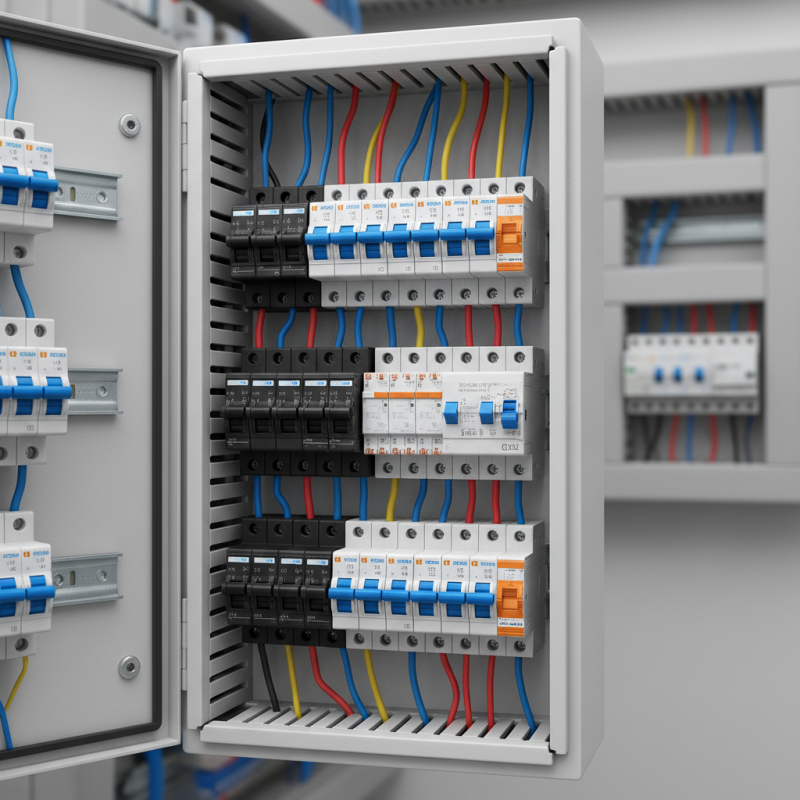
Miniature Circuit Breakers (MCBs) play a crucial role in electrical safety. They automatically switch off electrical circuits during overloads or short circuits. This prevents damage to wiring and appliances. An MCB ensures that your home or office remains safe from electrical hazards. These devices act quickly, responding in milliseconds to potential dangers.
Understanding their functions is essential for choosing the right MCB. There are different types designed for various applications. For instance, type B MCBs suit residential use due to their ability to handle low inrush currents. Type C is often used in commercial settings, managing higher surge currents. Yet, selecting the wrong type can leave systems vulnerable. It’s important to assess specific needs and load characteristics accurately.
Installation and compatibility are also key considerations. An improperly installed MCB may fail to operate effectively. Moreover, they must be rated correctly for current loads. An underestimated MCB could trip frequently, causing disruptions. Conversely, an overrated MCB may not provide necessary protection. Always consult with a professional if unsure. This careful consideration can significantly impact safety and performance.
Key Factors in Selecting the Right Miniature Circuit Breaker for Your Needs
Choosing the right miniature circuit breaker (MCB) can seem daunting. In making this decision, one must consider vital factors. First, you need to assess the electrical load your circuit will carry. This includes both the total amperage and the type of appliances connected. Mismatches here can cause frequent tripping or even failures.
Next, think about the breaker’s voltage rating. It’s crucial to select an MCB that matches your system’s voltage. Check the specifications carefully. An incorrect voltage rating can lead to serious issues. Pay attention to the breaking capacity as well. This indicates the MCB’s ability to handle fault currents. If it’s too low, it might expose your system to risk.
Finally, consider the characteristics of the MCB. Different types exist, each suited for varying applications. You might need type B for residential settings. Alternatively, type C could be necessary for circuits with motors. Reflect on your specific needs before making a choice. Remember, the perfect MCB choice is often about balance. Prioritize safety, functionality, and application.
Analyzing Load Capacity: Choosing the Correct Rated Current for Your System
Choosing the right miniature circuit breaker (MCB) is crucial for electrical safety. The rated current selection significantly affects the efficiency and reliability of your system. A circuit that isn’t properly rated can lead to frequent tripping or inadequate protection.
To begin with, analyze your electrical load. Calculate the total amperage that your devices will draw under normal conditions. This number guides you in selecting an appropriate MCB. For example, if your devices require 35 amps, choosing a 40 amp MCB would be more efficient. However, be cautious; oversizing can lead to a lack of protection.
Tips: Always account for potential peak loads. Devices may consume more power during startup. A slight buffer in rated current helps prevent trips during these spikes.
Remember, every electrical setup is unique. What worked for one installation may not apply to another. Regularly reevaluate your load requirements as more devices get added. An outdated MCB can present risks, potentially leading to equipment damage or fire hazards. Stay proactive in your electrical maintenance.
Importance of Tripping Characteristics in Miniature Circuit Breakers
When selecting a miniature circuit breaker (MCB), tripping characteristics are crucial. These characteristics determine how an MCB responds to overcurrent and short circuits. Each MCB has a unique curve showing its response time against current levels. Knowing these can help in choosing the right MCB for specific applications.
Tripping characteristics are often categorized into types, such as Type B, C, and D. Type B trips quickly for minor overloads. It suits residential applications where overloads are typically low. Type C, on the other hand, is ideal for commercial settings, as it handles moderate overloads. Type D is for heavy industrial use, where high inrush currents occur. Misunderstanding these types can lead to poor choices and potential system failures.
It's important to consider the details. For instance, an MCB with a slow tripping characteristic might seem convenient but it can be risky. If an overload occurs, it might not trip quickly enough to protect sensitive equipment. This needs careful thought. Balance is key. Choosing the right MCB is about understanding the specific needs of your system, while being aware of the potential pitfalls in the decision-making.
Evaluating the Environment: Selecting Miniature Circuit Breakers for Specific Conditions
When selecting miniature circuit breakers (MCBs), evaluating the environment is crucial. Different conditions impact their performance. For instance, humidity levels can lead to corrosion. A study indicates that about 30% of electrical failures occur due to environmental factors.
Consider temperature ranges. MCBs rated for high temperatures may perform poorly in cooler conditions. Be aware that improper installation can lead to inefficiencies. In fact, nearly 20% of electrical system issues arise from faulty breaker installations.
Tip: Always check the manufacturer's specifications for environmental ratings.
Another aspect is the physical space. Compact areas can hinder airflow. Overheating is a common risk in such environments. Data suggests that MCBs should have at least 20 cm of clearance to function optimally.
Tip: Inspect your installation space before proceeding.
Pay attention to specific applications, too. Industrial settings may require more robust MCBs. A survey found that 40% of businesses face unexpected downtime due to inappropriate circuit protection solutions. Balancing the MCB choice for its purpose is key, even though it may not always seem straightforward.


 House of Worship
 Transportation
 Trade shows led display
 retail
 Creative Led Solutions
 Hospitality
 Higher Education
 Corporate LED