How to Use Red Light Therapy for Skin Healing?
Red Light Therapy has emerged as a game-changer in skin healing practices. Dr. Michael Hamblin, a renowned expert in photomedicine, states, "Red light can promote cellular repair and rejuvenation." This powerful therapy harnesses specific wavelengths of light to stimulate healing at the cellular level.
Many skincare enthusiasts have turned to Red Light Therapy for its promising results. Users often report improved skin texture, reduced scarring, and a more youthful appearance. This therapy is not a miracle cure, though. Results can vary based on individual skin types and conditions.
Incorporating Red Light Therapy into a skincare routine requires patience and consistency. Users need to reflect on their progress regularly. Some may find that it takes several sessions to see meaningful changes. While the potential is significant, understanding the nuances of how it works is essential. It's not just about the light; it's about how the body responds to it.
Understanding Red Light Therapy: Mechanism and Benefits for Skin Healing
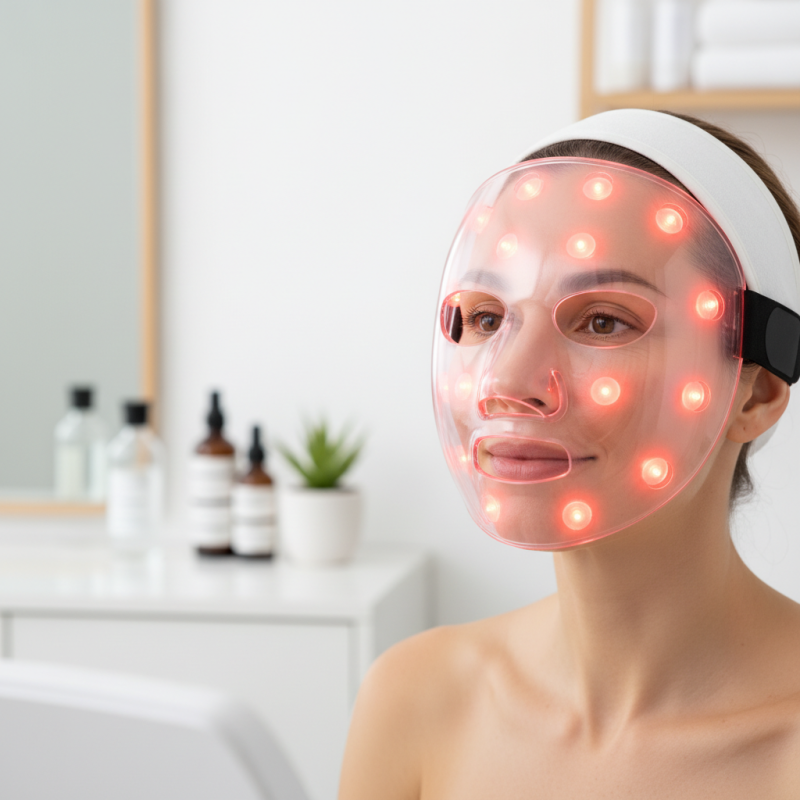
Red light therapy (RLT) has gained attention for its role in skin healing. This non-invasive treatment utilizes low-level wavelengths of light to stimulate cellular processes. Studies reveal that it can improve collagen production, significantly aiding in skin rejuvenation. Reports indicate that RLT can boost collagen synthesis by up to 200%. This increase helps reduce wrinkles and fine lines, contributing to a youthful appearance.
The mechanism behind RLT involves the activation of mitochondria. When the skin absorbs these wavelengths, cells generate more adenosine triphosphate (ATP). This energy boost accelerates healing and repair processes. Research also shows that RLT reduces inflammation. A study in the Journal of Clinical and Aesthetic Dermatology reported a 50% decrease in inflammation after RLT sessions. However, outcomes can vary based on individual skin types.
Despite its benefits, some users may not experience dramatic changes. Skin conditions vary greatly among individuals, and not everyone responds identically. Moreover, RLT is not a standalone solution. It should complement a comprehensive skincare routine. Regular sessions, combined with a balanced diet, can maximize results. Keeping realistic expectations is essential.
The Science Behind Red Light Therapy: Wavelengths and Skin Penetration
Red light therapy utilizes specific wavelengths to penetrate the skin, promoting healing. The effective range lies between 600 to 1000 nanometers. At this range, red and near-infrared light can reach deep tissues, influencing cellular processes.
Research indicates that wavelengths around 660 nanometers and 850 nanometers are particularly beneficial. Studies show a 70% increase in collagen production when treated with this light. Collagen is crucial for skin elasticity and repair. Many patients report improved skin texture and reduced inflammation after multiple sessions.
However, results can vary significantly. Skin type, treatment duration, and consistency all play roles. Some individuals may notice only subtle changes over extended use. This variability indicates the need for tailored approaches in therapy use. Regular assessment and adjustments can enhance outcomes. Understanding these nuances is vital for those seeking effective skin healing.
Clinical Studies: Effectiveness of Red Light Therapy on Skin Conditions
Red light therapy has emerged as a promising treatment for various skin conditions. Clinical studies report its effectiveness for issues like acne, eczema, and psoriasis. The therapy utilizes specific wavelengths of light that penetrate the skin. This stimulates cellular function and promotes healing. One study showed significant improvement in acne scars after consistent treatments.
Participants in these studies often experience reduced inflammation and faster recovery. However, results can vary widely among individuals. Some report minimal improvement despite regular sessions. This inconsistency highlights the need for ongoing research. It’s essential to understand that what works for one person may not work for another.
In conclusion, while red light therapy holds potential, it is not a universal solution. Changes in skin conditions may require a multifaceted approach. Regular assessments and personalized treatment plans are key. Tracking progress over time can help optimize results. Each individual's journey is unique, often requiring careful adjustments along the way.
Best Practices for Administering Red Light Therapy for Optimal Results
Red light therapy can be a powerful tool for skin healing. To get the best results, you need to follow some essential practices. Start by ensuring your skin is clean and free of any products. This allows for better absorption of the light. Position the device at an appropriate distance from your skin—typically around six to twelve inches. This distance helps to prevent any discomfort while maximizing effectiveness.
Consistency is key. Aim for regular sessions several times a week to see noticeable changes. Timing matters too. Most experts recommend 10 to 20 minutes per session. You may not see immediate results, which can be frustrating. Keep a journal to track your progress and any changes in your skin.
Consider your skin type and any specific conditions, like acne or scars. Adjust the treatment accordingly. You might need to experiment with different frequencies and durations. Lighter skin may respond faster than darker skin. Listen to your body and reflect on what works best for you. Adapt your routine as necessary; it’s all about finding the right balance.
Safety Considerations and Contraindications for Red Light Therapy Use
Red light therapy is gaining popularity for skin healing. However, safety considerations are essential before use. This therapy can benefit many, but it isn’t for everyone. Some individuals may experience skin irritation or unwanted reactions.
Certain health conditions may pose risks. People with photosensitivity should use caution. It’s best to consult a healthcare provider. Pregnant individuals and those taking specific medications are advised to avoid this therapy. Skin types that are prone to allergies or acne may also have adverse responses.
Tips: Always perform a patch test before full treatment. Start with short sessions. Monitor your skin for any changes. If irritation occurs, discontinue use. Though many report positive results, individual differences exist. Each skin type responds differently. Listen to your body and adjust accordingly.
How to Use Red Light Therapy for Skin Healing? - Safety Considerations and Contraindications for Red Light Therapy Use
| Aspect | Details |
| Treatment Areas | Face, Neck, Chest, Back, Hands |
| Wavelength Range | 600 - 650 nm (red light); 800 - 850 nm (near-infrared) |
| Recommended Session Duration | 10 - 20 minutes per session |
| Frequency of Use | 3 - 5 times per week for optimal results |
| Safety Considerations | Avoid direct eye exposure; use protective eyewear if necessary |
| Contraindications | Pregnancy, active cancer, photosensitivity disorders, recent use of isotretinoin |
| Potential Benefits | Improved skin texture, reduced fine lines and wrinkles, healing of acne scars |


 House of Worship
 Transportation
 Trade shows led display
 retail
 Creative Led Solutions
 Hospitality
 Higher Education
 Corporate LED