Essential Tips for Choosing Photovoltaic Connectors?
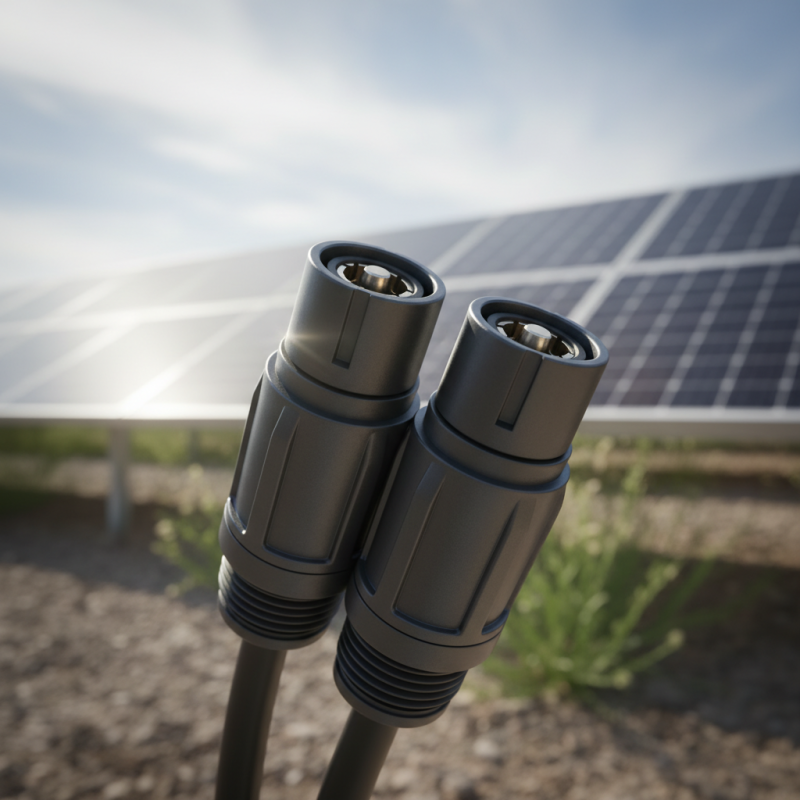
Choosing the right Photovoltaic connectors is crucial for solar energy systems. These connectors ensure a secure and efficient flow of electricity. A poor choice can lead to significant issues, like power loss or even system failure.
When selecting Photovoltaic connectors, consider several factors. The material, durability, and compatibility matter greatly. For instance, connectors made from high-quality materials resist corrosion and wear. It is easy to overlook these details, but they play a vital role in system longevity.
Furthermore, some may rush the selection process, only to face complications later. It is important to assess your specific needs and the environment where the system will operate. Proper planning can help avoid unnecessary challenges and ensure optimal performance.
Understanding the Types of Photovoltaic Connectors in Solar Systems
When selecting photovoltaic connectors, understanding the types is crucial. Various connectors exist in solar systems, each with distinct features. For example, MC4 connectors, widely used, allow fast and easy installation. Reports indicate that about 80% of solar installations utilize these connectors due to their reliability in outdoor conditions.
Another option is the branch connector. This type links multiple panels efficiently. In fact, using branch connectors can reduce installation time significantly, as installers can connect several modules together quickly. However, one must consider their compatibility with different panel types, which can lead to unexpected issues during installation.
Some connectors, like the JST, offer compact designs and can be advantageous in space-constrained projects. Yet, their smaller size may also result in lower current ratings. This could potentially impact system performance if not properly matched to the panels’ output capabilities. It's essential to weigh the pros and cons of each type, ensuring that the right choice meets both project requirements and long-term goals. Always conduct thorough research before making a final decision.
Key Performance Metrics for Photovoltaic Connectors: Rating and Durability
When selecting photovoltaic connectors, understanding key performance metrics is crucial. Rating is one of the first aspects to consider. This refers to the electrical capacity of the connectors. If the rating is too low, it can lead to inefficiencies. Poor performance under high voltage can cause system failures. Therefore, you must check the voltage and current specifications carefully.
Durability is another critical metric. Connectors must withstand harsh environmental conditions. Factors like temperature, humidity, and UV exposure can impact durability. Often, materials like plastics and metals are tested for resilience. Corrosion can be an issue, particularly in coastal regions. Look for connectors that provide reliable protection against these elements.
Many users overlook or underestimate these characteristics. It's easy to be swayed by price or availability. However, cutting corners here can lead to larger problems later. If you choose the wrong connector, it may fail prematurely. This can result in costly repairs and replacements. Reflecting on your choices can save you time and resources. Ensuring high ratings and durability should be your priority.
Assessing Environmental Resistance: UV, Moisture, and Temperature Tolerance
When selecting photovoltaic connectors, environmental resistance is critical. The performance of connectors can deteriorate with exposure to UV light, moisture, and varying temperatures. UV rays can cause materials to degrade over time. This issue affects not only durability but also safety. Many connectors claim UV resistance, yet real-world performance can differ.
Moisture resistance is another vital factor. Connectors need to withstand humidity and rain to function efficiently. Some might pass initial tests but fail in prolonged exposure. Such failures can lead to system downtime and costly repairs. Additionally, consider temperature tolerance. High temperatures may lead to thermal stress, causing connectors to warp or lose conductivity. This aspect is often overlooked.
While assessing these factors, evaluate real-world conditions. Testing in controlled environments may not replicate actual usage. Make a checklist of requirements based on your environment. Look for connectors that balance quality and cost. Achieving the right choice is a process of trial and error. Continual learning from installation experiences can refine your decision-making.
Evaluating Compatibility Factors with Cables and Solar Modules
When selecting photovoltaic connectors, compatibility with cables and solar modules is key. Different manufacturers often use varying designs. A mismatch can lead to inefficiencies. Check the specifications of each component carefully. Look for matching voltage and current ratings. This ensures your system operates efficiently.
The physical dimensions of connectors also matter. Measure both the connectors and the components before installation. Improper fitting can lead to damage. Pay attention to the pin arrangement to avoid connection issues. Some connectors are weatherproof while others are not. Consider your local climate when making a choice.
Testing connectors before full installation can prevent future problems. Ensure they engage easily and securely. A loose connection can result in energy loss. Always factor in the environment they will operate in. Plan for potential wear and tear over time. Make informed decisions, and don't overlook any detail.
Essential Tips for Choosing Photovoltaic Connectors
Cost Considerations and Market Trends in Photovoltaic Connector Selection
When selecting photovoltaic connectors, cost considerations are key. The global market for these connectors is expected to grow significantly, reaching approximately $4.5 billion by 2025, as per industry reports. This growth is driven by the surge in solar energy adoption. However, not all connectors are created equal, and their costs can vary widely.
Current market trends indicate a shift towards more durable and efficient connectors. For example, high-quality connectors can reduce long-term maintenance costs. Basic connectors may seem cheaper upfront, but they can lead to system failures down the line. The balance between initial investment and lifetime performance is crucial. A report from the International Renewable Energy Agency states that poor connector choices contribute to around 10% of solar energy system failures.
Understanding the materials used in connectors also impacts cost. For instance, connectors made with higher-grade materials may be pricier but can offer better performance. Buyers should also consider market volatility. Over the past year, prices have fluctuated due to supply chain disruptions. Staying informed about these trends enables informed choices. Companies must evaluate all variables, from purchase price to long-term reliability, before making a decision.
Essential Tips for Choosing Photovoltaic Connectors
| Connector Type | Material | Current Rating (A) | Voltage Rating (V) | Cost ($ per unit) | Market Trend |
| MC4 | PV Connector | 30 | 1000 | 0.50 | Stable |
| H4 | Copper Alloy | 35 | 1500 | 0.75 | Growing |
| T4 | Aluminum | 40 | 1000 | 0.60 | Stable |
| SolarLok | Copper | 50 | 1500 | 0.80 | Emerging |


 House of Worship
 Transportation
 Trade shows led display
 retail
 Creative Led Solutions
 Hospitality
 Higher Education
 Corporate LED