China Top 10 Gravity Conveyor Manufacturers in 2026

Choosing among the China Top 10 Gravity Conveyor Manufacturers in 2026 takes more than comparing catalog prices. A roller conveyor may look simple, yet small details matter: roller diameter, bearing quality, frame thickness, and the gap between rollers. These choices affect whether cartons glide smoothly or catch at a transfer point. Gravity systems also depend on load weight, package dimensions, and floor slope. A short sample test can reveal problems that a polished product photo cannot.

Materials-handling engineer Lin Wei puts it this way: “A gravity conveyor works well when the rollers, load, and layout are matched—not just when the frame looks sturdy.” This practical reminder guides our review of Gravity Conveyor Manufacturers in China. We consider product range, customization, quality controls, export experience, and the clarity of technical support. Details count. Buyers should ask for load ratings, drawings, and sample specifications, then check that these match their actual cartons and operating conditions. A supplier’s response can be revealing. Vague answers deserve a second look.

This list is a starting point, not a guarantee. Factory capabilities and lead times can change, and published specifications do not tell the whole story. Some buyers may prioritize low cost; others need dependable rollers, consistent welds, or flexible layouts. There is no perfect fit for every project. A careful comparison—and a little healthy skepticism—can help identify manufacturers worth contacting in 2026.

China Top 10 Gravity Conveyor Manufacturers in 2026

What Gravity Conveyors Are and How They Work

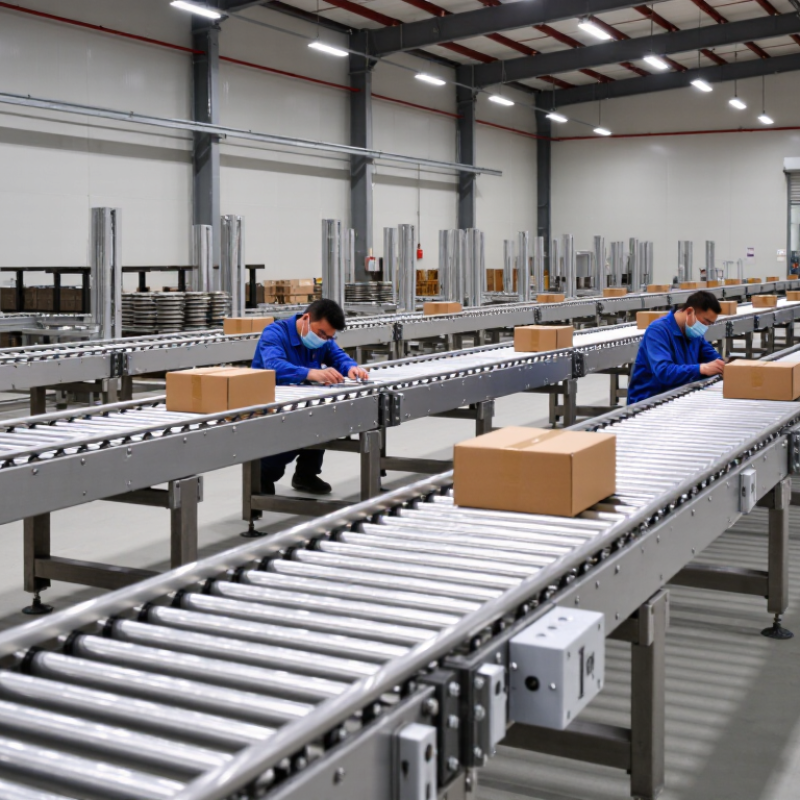
A gravity conveyor moves cartons without a powered drive. Its rollers or skate wheels turn as a load travels downhill, using gravity and the load’s own weight. The frame is usually slightly inclined; adjustable legs help workers tune the slope to the product. It is simple. But “simple” does not mean effortless.

Roller models suit boxes with firm, flat bottoms. Skate-wheel sections can handle lighter packages, while side guides and end stops help keep goods aligned. A practical setup also needs controlled handoff points: a carton gaining speed on a short incline can strike the next load. Flexible bags and uneven containers may stall or twist, so test real products before choosing a layout. That detail is often overlooked.

The market context is growing: Grand View Research estimated the global conveyor system market at USD 10.31 billion in 2023 and projected 5.6% annual growth from 2024 to 2030. This figure covers multiple conveyor types, not gravity conveyors alone. It signals wider investment in material flow, but not that every facility needs automation. Gravity systems can reduce motor use on suitable routes; they still require sound loading practices, maintenance, and occasional redesign when package sizes change.

Sources: Grand View Research, Conveyor System Market Size, Share & Trends Analysis Report, 2024–2030.

How to Assess Gravity Conveyor Manufacturers in China

China Top 10 Gravity Conveyor Manufacturers in 2026
How to Assess Gravity Conveyor Manufacturers in China

Choosing a gravity conveyor manufacturer requires more than comparing prices. Start with the actual load: its weight, base size, and how often it moves. Ask how the supplier selects roller diameter, spacing, frame strength, and conveyor slope. These details affect whether cartons travel smoothly or stop between rollers. Request drawings and a written capacity basis, not just a general claim. A factory visit can reveal workmanship, but a clean workshop alone proves little.

Check whether the manufacturer can test a sample load under conditions similar to yours. Look for stable frames, aligned rollers, secure joints, and clear inspection records. Ask about lead times, spare rollers, installation guidance, and who handles technical questions after delivery. Compare several quotations line by line; different included components can make prices misleading. One detail is easy to miss: a sample carton may behave differently when its base is soft or uneven. That is worth checking before approval.

Tips: Check the frame. Measure roller spacing. Ask to see a test. Confirm the proposed slope with your real cartons, and request a reference project with a similar load. If an answer is vague, ask for a drawing or measurement. You may not need the most elaborate system; you do need one that fits your operating conditions.

How to Assess Gravity Conveyor Manufacturers in China

Suggested evaluation weights for comparing manufacturers. These are a practical assessment framework, not measured market statistics or ratings of specific companies.

When comparing suppliers, assess load and application requirements, safety provisions, customization capabilities, delivery planning, documented quality controls, and after-sales support. Adjust the weights to match your project.

Profiles of China's Top 10 Gravity Conveyor Manufacturers in 2026

China’s gravity conveyor sector in 2026 includes manufacturers serving warehouses, packing lines, and distribution centers. These profiles examine ten suppliers through practical criteria: roller and frame options, load capacity, production experience, and customization. The ranking should be treated as a comparison, not a universal verdict.

A useful profile looks beyond a product photograph. It asks whether a manufacturer can specify roller spacing for a carton’s base, supply straight and curved sections, and provide clear installation drawings. Small details matter. A poorly matched roller pitch can make a box wobble, while an uneven frame may slow movement on a long line. Buyers should also check material choices, surface finish, sample availability, and how technical questions are handled.

The profiles consider different strengths, from standardized gravity roller sections to made-to-order layouts for limited floor space. They also note where public information is thin; polished catalogs do not always reveal production consistency. That gap deserves attention. Factory visits, reference projects, and written specifications can help verify claims before a purchase. Even then, a shortlist reflects its chosen criteria, and another buyer may reasonably rank the same manufacturers differently.

Comparing Product Range, Customization, and Service

A 2026 comparison of China’s leading gravity conveyor manufacturers should look beyond catalog size. Check whether each supplier offers straight roller beds, skatewheel sections, curves, flexible conveyors, and compatible stands. Roller diameter, frame width, and rated load should match the cartons or totes moving through your facility. Fit matters more.

Customization is useful when the layout includes tight turns, uneven floors, or several packing stations. Ask for drawings that show conveyor height, slope, support spacing, and connection points. For example, a small change in roller pitch can affect how narrow cartons travel. Request sample calculations or a test section, not just a polished product sheet. Small details count.

Service deserves equal attention. Compare drawing revisions, lead-time communication, spare roller availability, and the clarity of installation guidance. Ask who handles questions after delivery and what information they need to diagnose a jam or damaged roller. A responsive answer is a good sign, though it cannot guarantee smooth service later. I would also treat any ranking cautiously: public product information rarely reveals factory capacity or real response times. Request references for similar conveyor layouts, then compare the evidence against your own operating needs.

How to Choose the Right Gravity Conveyor Supplier

Choosing the right gravity conveyor supplier starts with your cartons, not a catalog. Measure the lightest and heaviest loads, base dimensions, and package condition. A crushed carton can behave differently from a rigid tote. Ask for roller pitch, axle load ratings, frame finish, side-guard options, and the recommended slope for each load range. Request a short test with your actual cartons; smooth, empty rollers prove little.

MHI’s 2024 Annual Industry Report found that 55% of surveyed supply-chain leaders planned to invest more than $1 million in supply-chain innovation over the following two years. This reflects pressure to improve material flow, but it does not make every conveyor project an automation project. Compare suppliers on documented capacity, layout support, spare-part availability, and response time. Ask for a written operating range, not just a maximum load figure. Check how joints, curves, and adjustable legs fit your floor. Small details matter. A supplier may provide solid drawings yet miss an awkward transition beside a packing bench. Pilot one lane during a busy shift, record jams and manual pushes, then revise the specification. No test is perfect; carton mix and operator habits can distort results. Treat the pilot as evidence, not a promise.

Need Help?
X

Ready to Talk?

Our team is ready to connect.