Top 10 LED Screen Manufacturers Worldwide?
Choosing among the Top 10 LED Screen Manufacturers Worldwide requires more than comparing cabinet prices. A reliable led screen must perform under heat, dust, bright sunlight, and constant operation. Field experience shows that small differences in pixel calibration can strongly affect camera images, text clarity, and audience comfort. Service response matters too. A brilliant display becomes a costly problem when spare modules arrive late.
Dr. Shuji Nakamura, a Nobel Prize-winning LED pioneer, once said, “The blue LED was the last piece of the puzzle.” His words reflect how modern display systems depend on many technical breakthroughs working together. This overview examines manufacturers through measurable factors, including pixel pitch, brightness, refresh rate, color consistency, energy use, weather protection, warranty support, and documented installations. Public certifications and customer case studies also deserve attention. Marketing claims alone are not enough.
No ranking is flawless. Product quality can vary between factories, regions, and project specifications. Some manufacturers excel in rental screens, while others focus on fixed outdoor signage, control rooms, stadiums, or retail displays. A high-end brand may still be unsuitable for a smaller venue. Conversely, a lesser-known supplier may deliver strong value with careful engineering and local support.
The companies featured here were selected for global presence, technical capability, product breadth, and evidence of dependable delivery. Readers should still request current test reports, sample panels, service terms, and installation references before purchasing. The right led screen is not simply the brightest. It is the one that remains clear, stable, repairable, and financially practical over time.
What Defines a Leading LED Screen Manufacturer?
What Defines a Leading LED Screen Manufacturer?
A leading LED screen manufacturer is measured by field performance, not cabinet photos. MarketsandMarkets estimates the global LED display market will grow from about USD 7.5 billion in 2024 to USD 11.1 billion by 2029. That growth raises competition. It also makes quality harder to judge.
Experienced buyers inspect brightness uniformity, grayscale stability, refresh rate, and service access. A reliable display should maintain consistent color across modules, even after repeated thermal cycles. Pixel failure matters too. Manufacturers should publish failure-rate testing, calibration methods, and operating-temperature data. Independent verification is stronger than attractive specifications. Look for testing aligned with IEC 62368-1 and IP protection under IEC 60529. Numbers need context.
Energy use deserves equal attention. The U.S. Department of Energy’s LED technology reports show that efficiency depends heavily on thermal design and operating conditions. A screen running at maximum brightness all day may waste substantial power. Smart brightness control helps. So does a well-designed power system. However, some manufacturers still present peak brightness as everyday performance. That is a weakness worth questioning. Strong suppliers provide spare-part plans, remote diagnostics, repair training, and documented warranties. They also admit limitations. Perfect claims are rarely credible. A dependable manufacturer supports the screen after installation, when rain, heat, dust, and rushed maintenance reveal the real engineering.
Top 10 LED Screen Manufacturers Worldwide
Top 10 LED Screen Manufacturers Worldwide
The top 10 LED screen manufacturers worldwide are usually judged by more than display brightness. Strong candidates combine stable production, accurate color calibration, and dependable technical support. Their products serve stadiums, retail stores, transport hubs, broadcast studios, and outdoor advertising sites. Each environment demands a different solution.
In my experience, fine-pitch indoor screens need careful cabinet alignment. A small gap can become visible under studio lighting. Outdoor systems require high brightness, sealed modules, efficient cooling, and protection against rain and dust. Pixel pitch, refresh rate, viewing distance, service access, and power consumption also affect the final choice. A reliable manufacturer should provide test reports, installation guidance, spare modules, and responsive warranty support. Ask for real project references.
Quality control matters at every stage. Engineers should inspect LED consistency, cabinet flatness, signal stability, and thermal performance before shipment. Factory visits can reveal more than polished brochures. Still, rankings are not absolute. A manufacturer may excel in rental displays but perform poorly in permanent installations. That distinction is easy to miss. Buyers should compare failure rates, maintenance procedures, delivery records, and local service capacity. Certification helps, but it does not replace practical testing. A screen can meet specifications and still look uneven from the audience area. Performance under real viewing conditions deserves more attention.
Top 10 LED Screen Manufacturers Worldwide
Data reflects commonly published technical ranges and certification requirements for leading global LED display manufacturing profiles. Company names and brand-specific data have been intentionally omitted.
Key Technologies and Product Categories Compared
Top 10 LED Screen Manufacturers Worldwide: Key Technologies and Product Categories Compared
Comparing the top ten global manufacturers requires more than checking cabinet size or pixel pitch. MarketsandMarkets estimated the LED display market at about USD 7.5 billion in 2023, with continued growth toward 2028. Indoor fine-pitch displays lead premium installations, especially in control rooms, broadcast studios, and corporate experience centers. Their small pixel spacing creates sharper text at close viewing distances. Outdoor SMD products remain practical for stadiums, retail facades, and roadside advertising. Brightness matters there. So does weather protection.
COB technology improves surface durability and reduces visible gaps between pixels. MIP designs can support fine pitches while maintaining efficient production. TrendForce reported strong industry interest in COB and MIP for fine-pitch applications during 2024. However, technology labels can mislead buyers. A display still needs stable calibration, high refresh rates, effective heat removal, and accessible spare modules. HDR performance also depends on processing, not only lamp quality. This is often overlooked.
Rental screens require lightweight cabinets, fast locking systems, and corner protection. Transparent screens serve glass façades, but their contrast can weaken under direct sunlight. Energy use deserves closer attention; product datasheets may show maximum power, not typical consumption. Independent testing, service records, and regional compliance documents provide stronger evidence than marketing claims. My practical concern is simple: manufacturers often publish impressive specifications, but real installations reveal uneven brightness, noisy fans, or difficult maintenance. That gap deserves more scrutiny.
How to Select the Right LED Screen Manufacturer
Top 10 LED Screen Manufacturers Worldwide?
How to Select the Right LED Screen Manufacturer
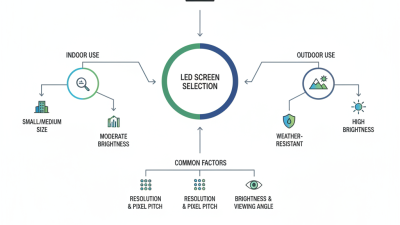
Choosing an LED screen manufacturer requires more than comparing brightness or quoted prices. Start with the installation environment. An outdoor billboard needs weather resistance, strong heat management, and stable brightness under direct sunlight. An indoor display may require finer pixel spacing, quieter fans, and accurate color reproduction.
Ask each manufacturer for a working sample, not only polished videos. Inspect cabinet alignment, module replacement, cable design, and power consumption. Request brightness measurements, refresh-rate data, viewing-angle details, and test reports from recognized laboratories. A reliable supplier should explain these figures clearly and provide traceable technical documents.
Factory evaluation can reveal important differences. Check production quality control, aging tests, spare-part availability, and technician training. Discuss warranty coverage, response times, software support, and installation guidance before signing a contract. The lowest initial price can become expensive when replacement modules arrive slowly. A useful but imperfect rule is to compare total operating cost over five years. It can still miss currency changes, shipping delays, or unusual site conditions. Do not ignore those risks. Ask for references from projects with similar screen size, climate, and daily operating hours. Clear communication matters as much as engineering, especially when a small design change affects maintenance access or structural loading.


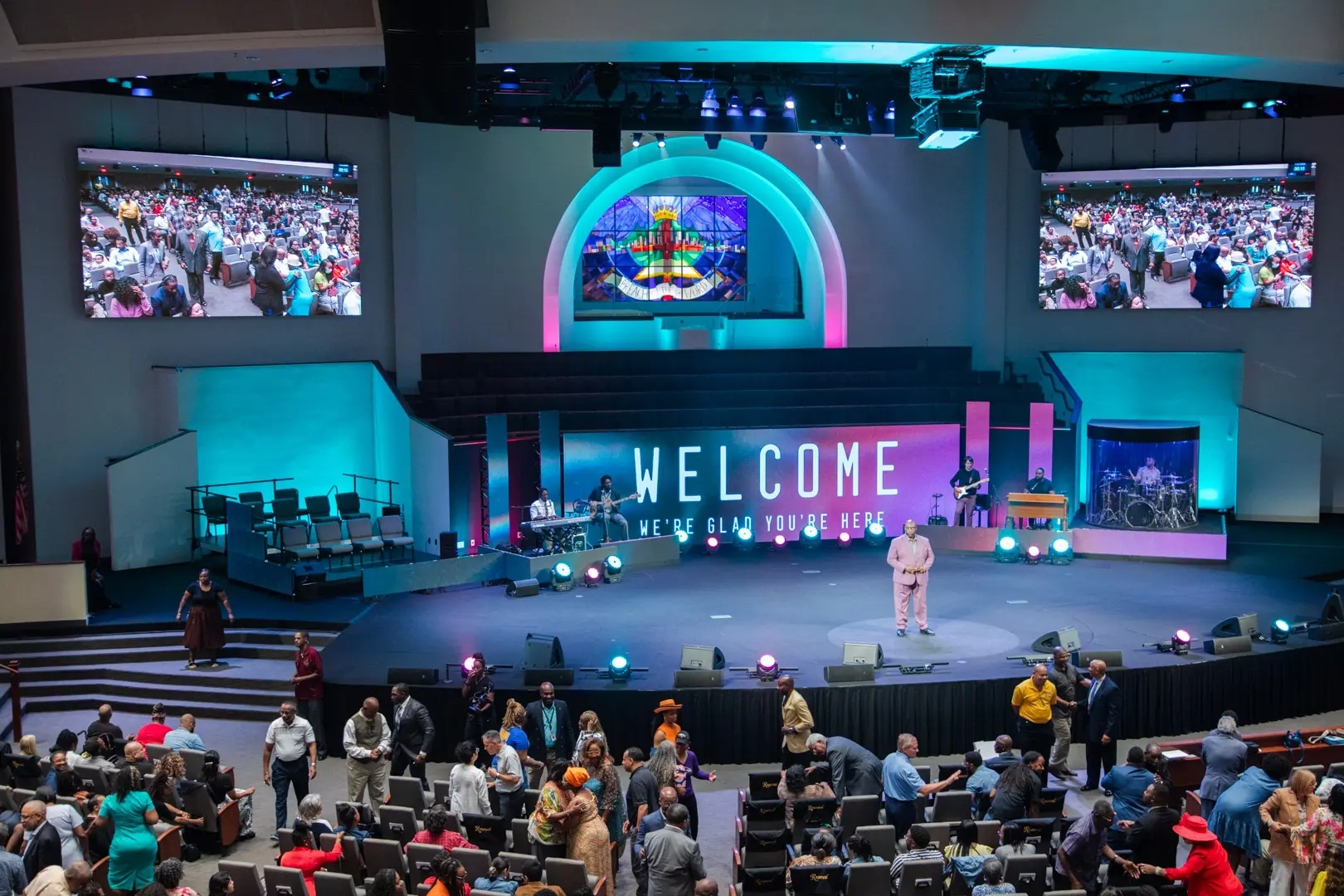
 House of Worship
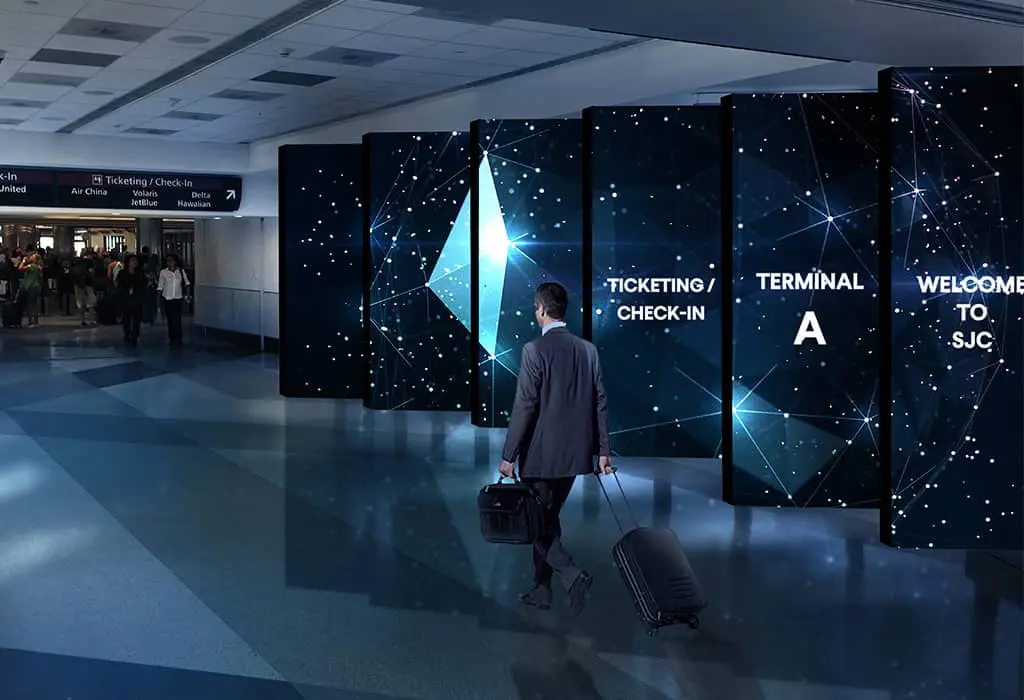
 Transportation
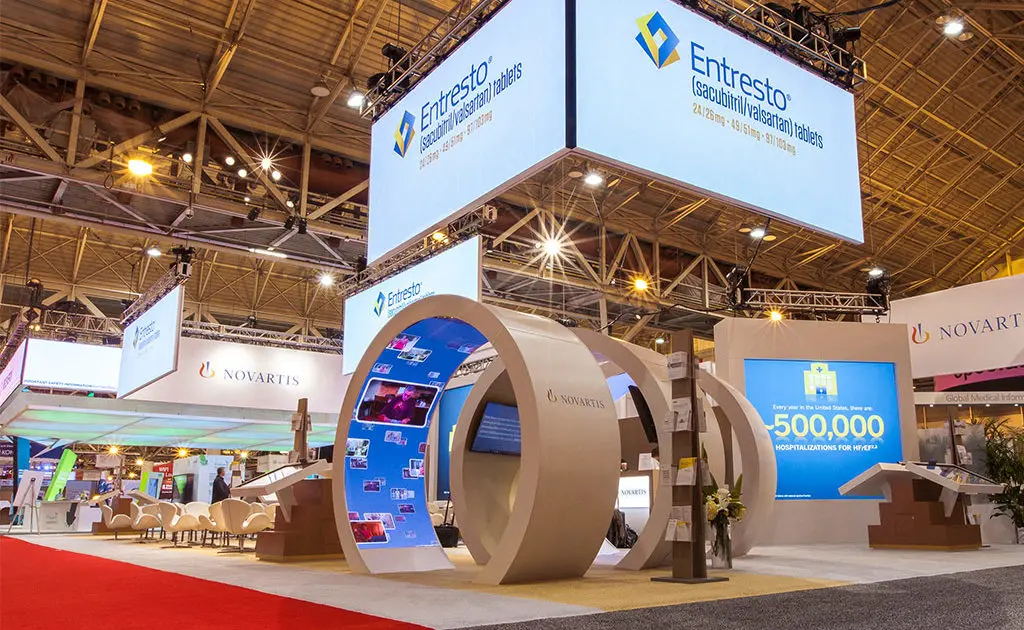
 Trade shows led display
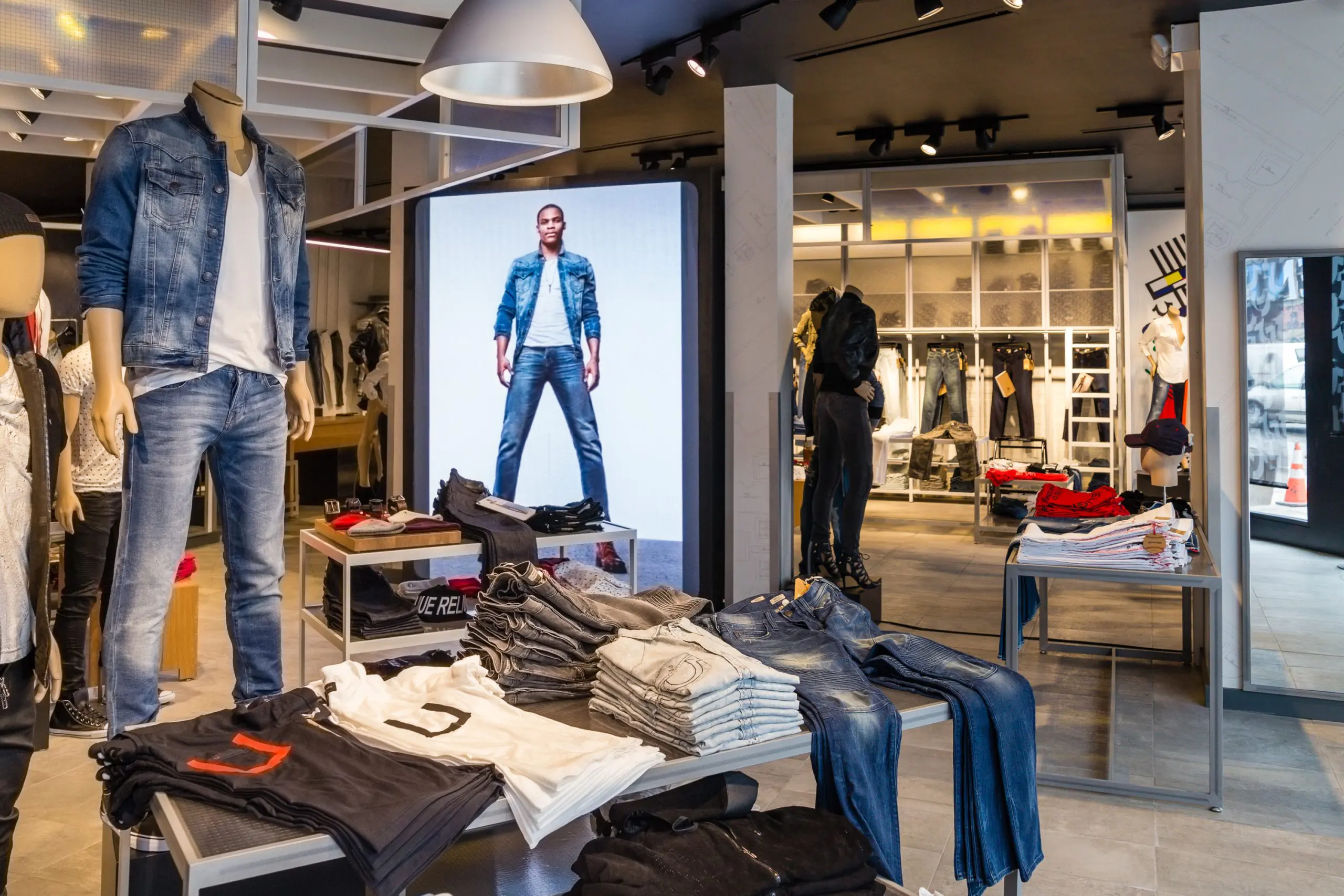
 retail
 Creative Led Solutions
 Hospitality
 Higher Education
 Corporate LED