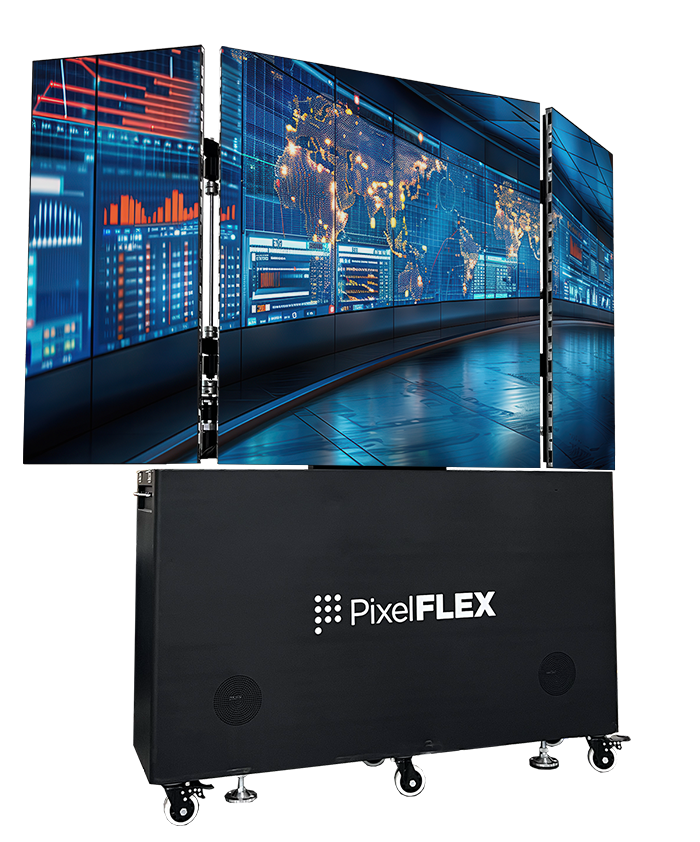
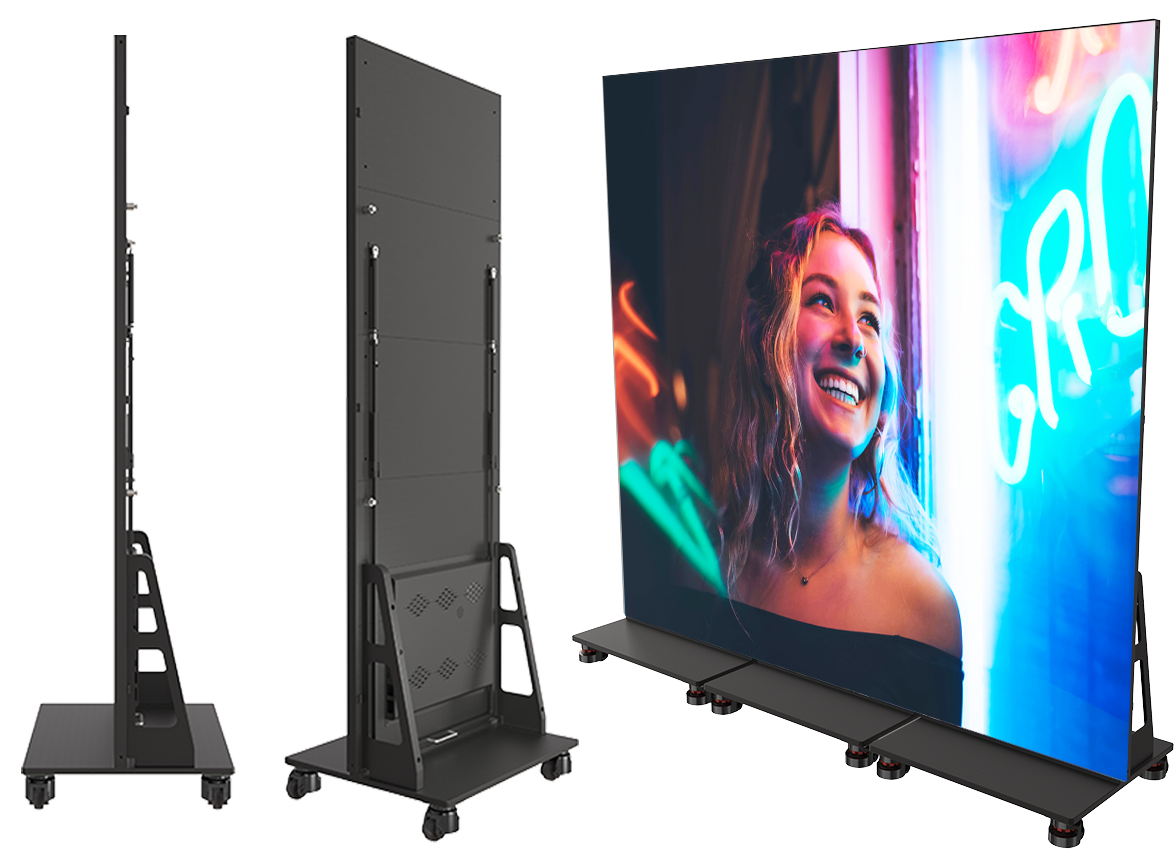
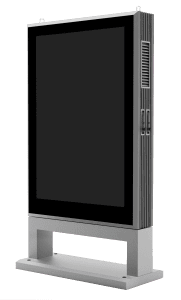
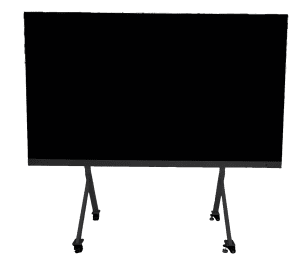
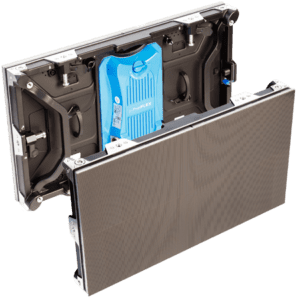
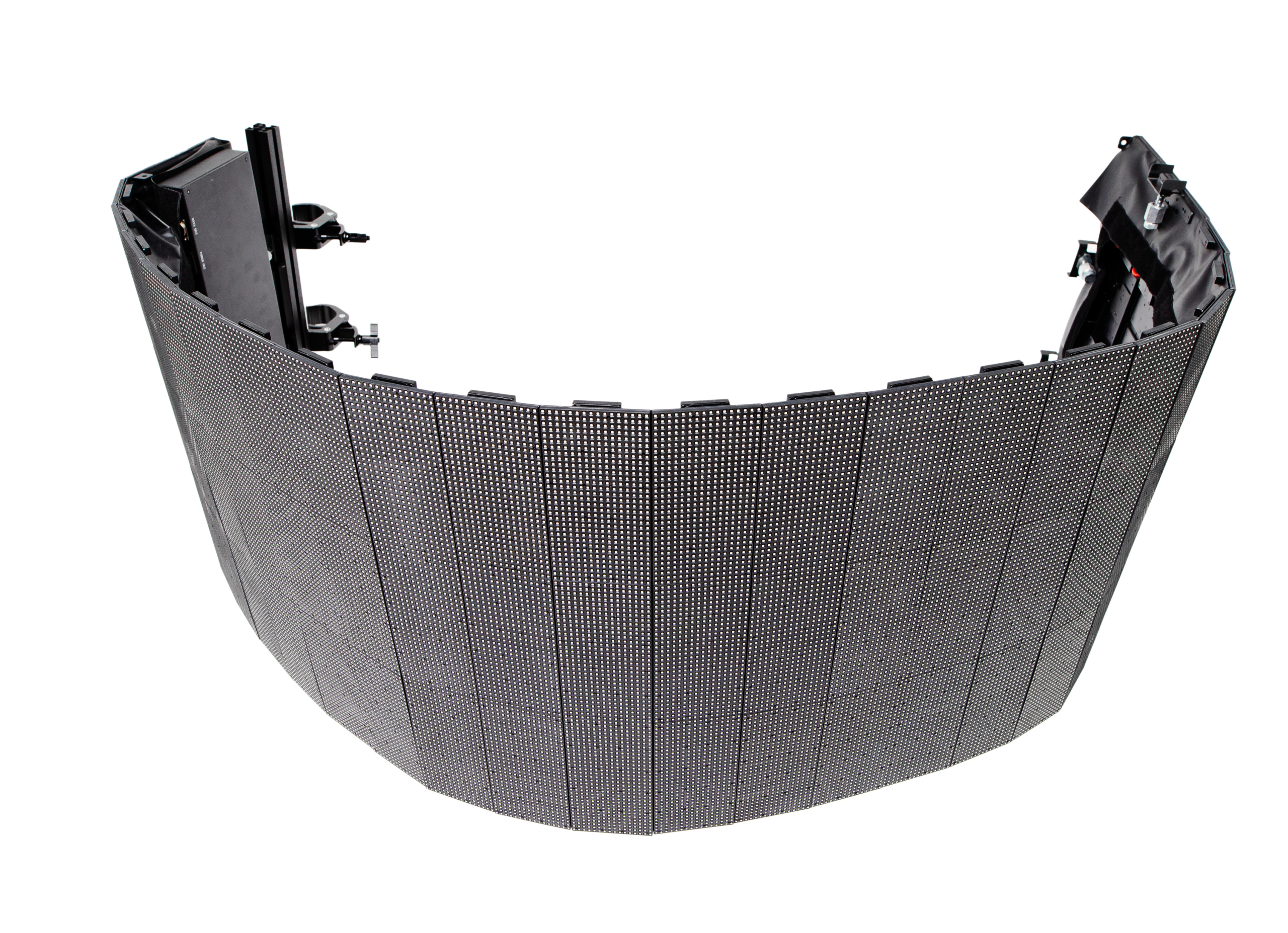
Communicate worship schedules and sermon messages while engaging your congregation with visual technology.
View More
LED displays in transportation settings, such as airports, train stations, and bus terminals, serve as dynamic platforms for real-time information, advertising, and wayfinding, enhancing passenger experience with clear, up-to-date travel details and announcements.
View More
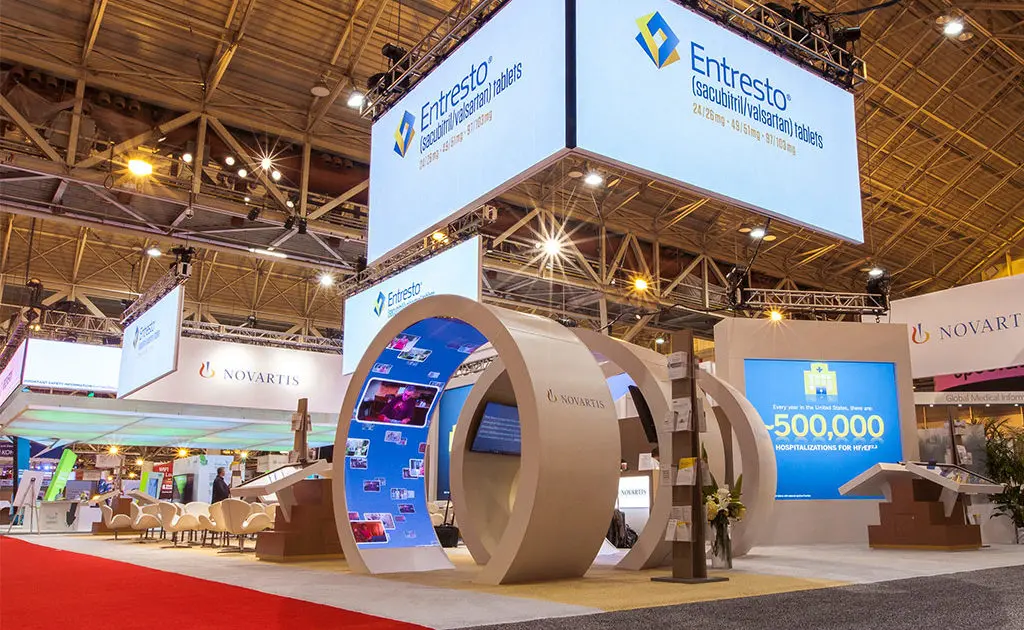
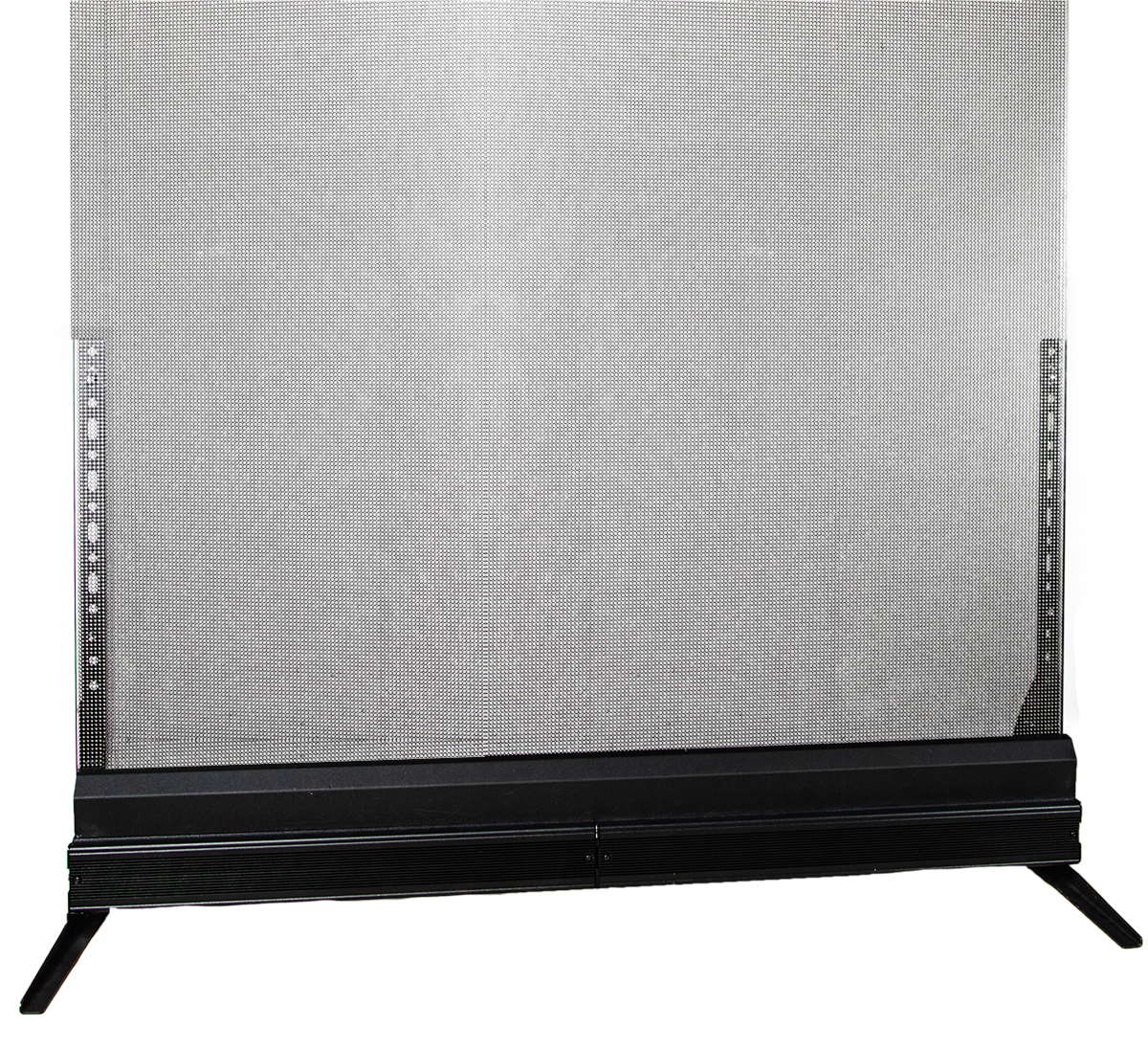
Differentiate yourself from the competition by incorporating a digital experience in your booth with our trade show LED displays.
View More
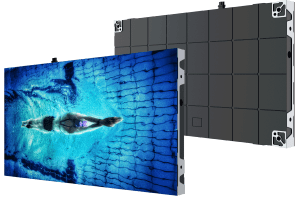
Communicate your brand’s message, stand out from the competition and engage your target market with LED digital signage.
View More
We offer creative solutions at cost-effective rates. You will be able to deliver your sermons more effectively and engage your congregation through one-of-a-kind lyric video walls and house of worship LED displays.
View More
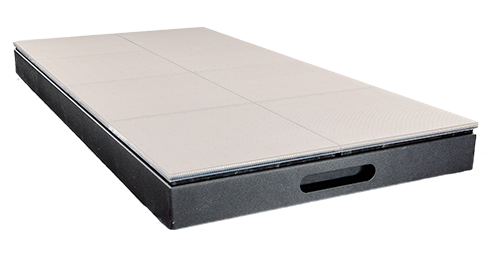
Enhance ambiance, display interactive directories and wayfinding displays, and promote amenities and events to elevate the guest experience.
View More
Incorporate digital displays to enhance your students’ learning experience and market to prospective students and donors.
View More
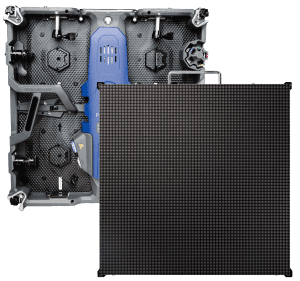
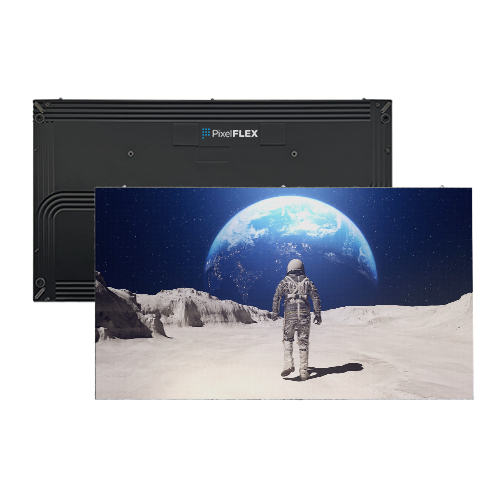
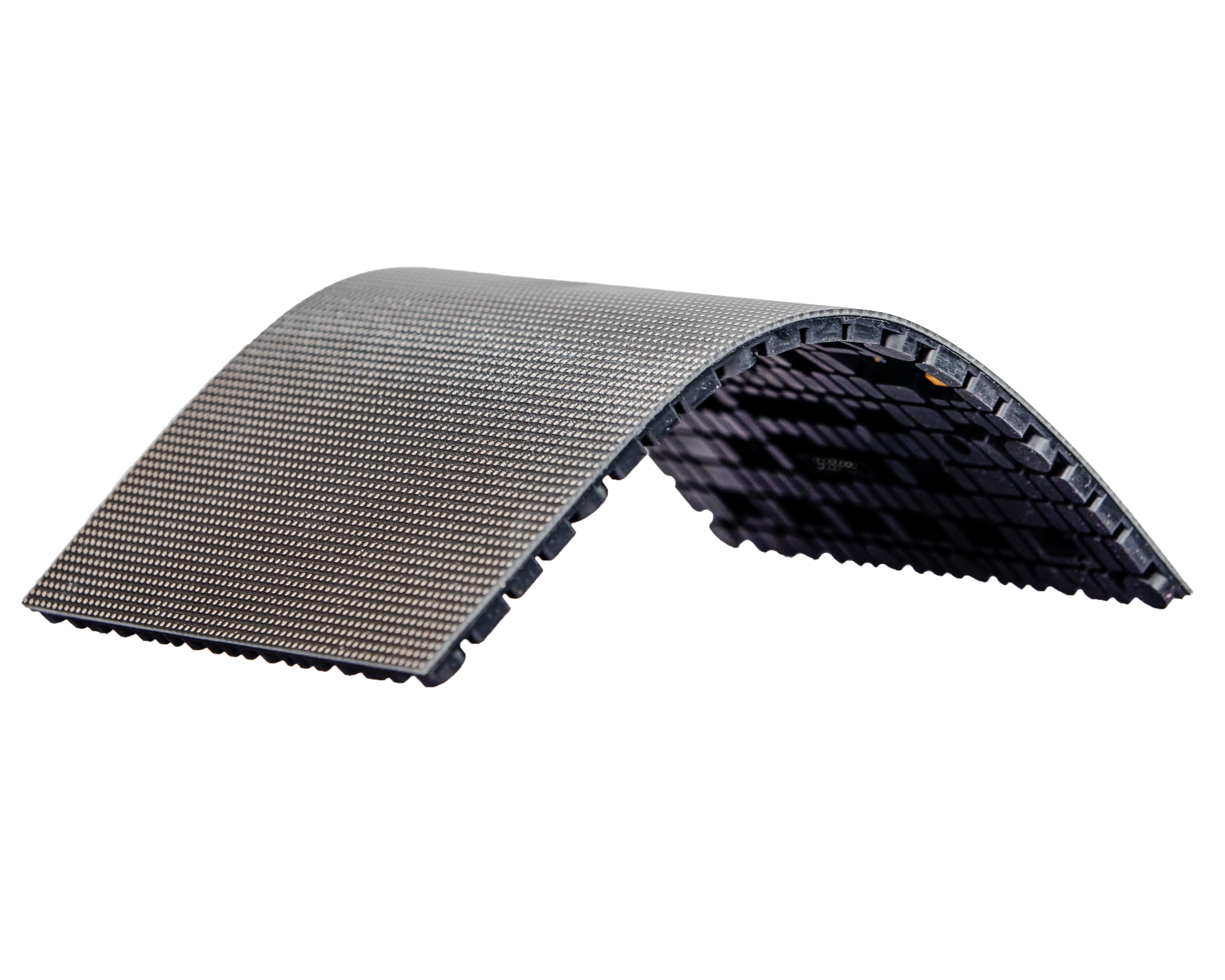
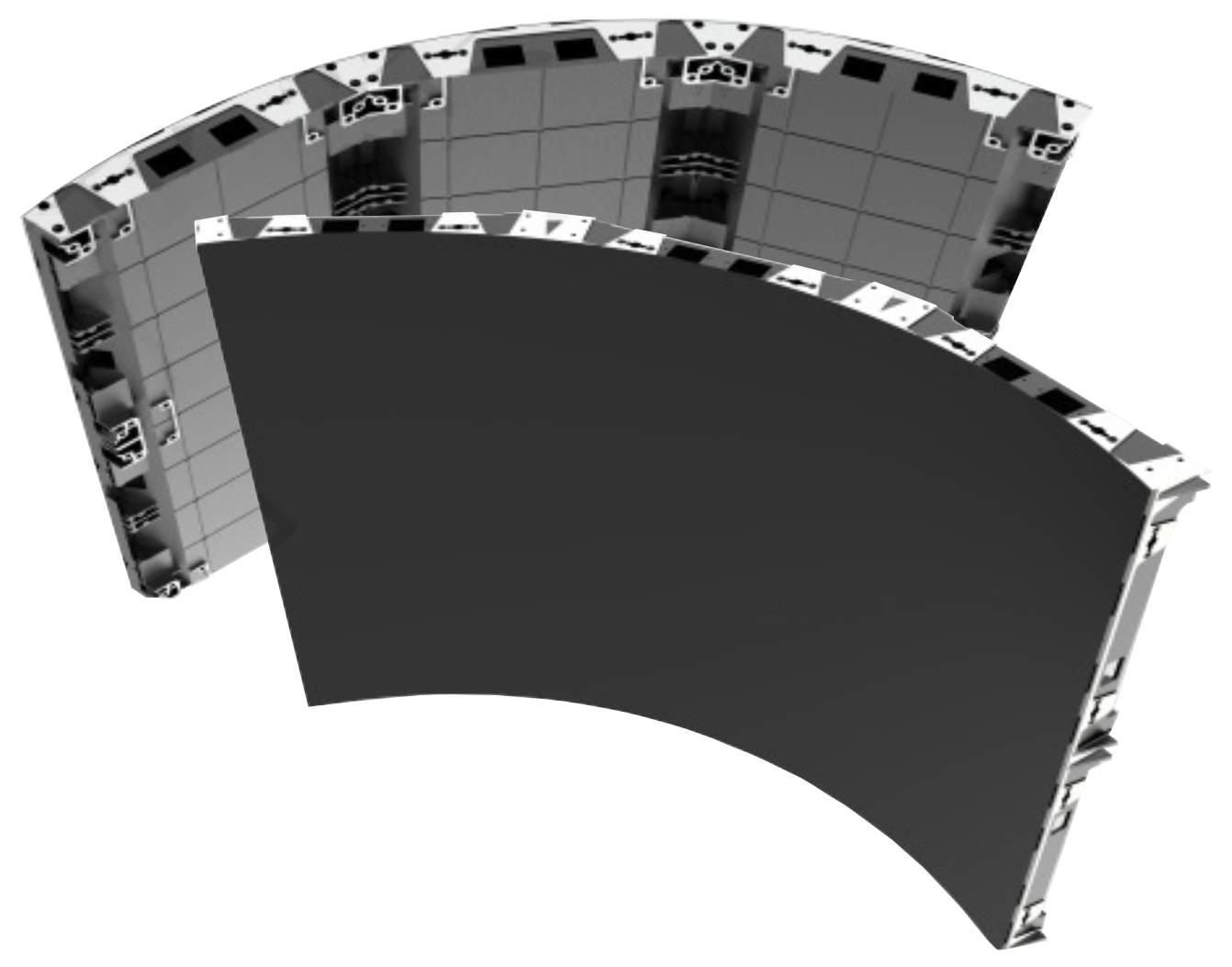
Transform your corporate spaces with PixelFLEX LED video displays. Enhance communication, elevate branding, and create dynamic environments.
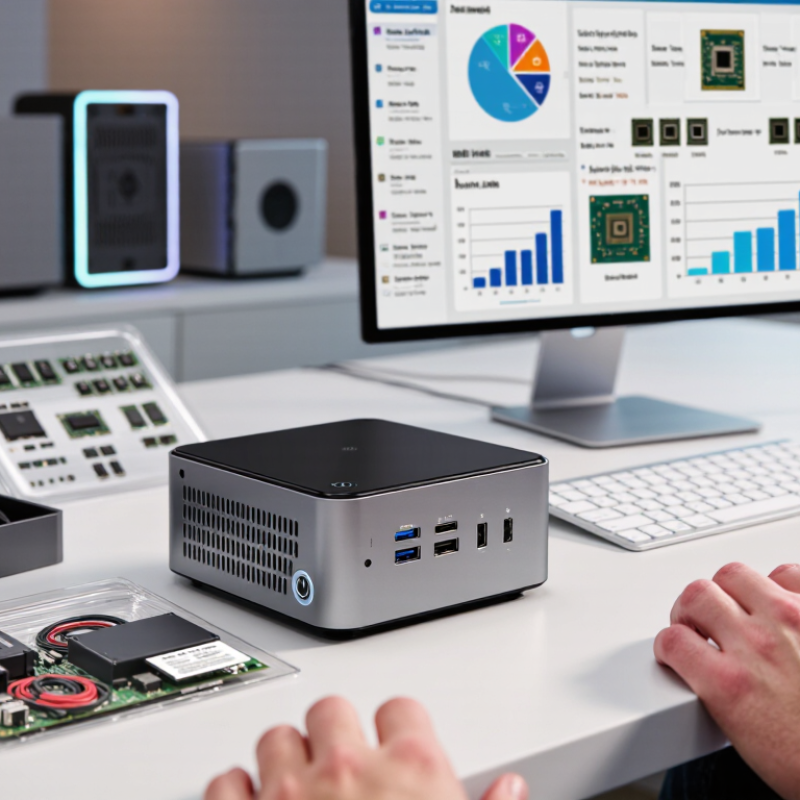
View MoreChoosing a BMAX Mini PC supplier takes more than comparing prices on a product page. Global buyers need to examine the details behind each offer: processor options, memory and storage configurations, ports, wireless connectivity, warranty terms, and delivery consistency. A compact case may look similar across listings. The specifications and support behind it may not be.
Management thinker Peter Drucker wrote, “Quality in a product or service is not what the supplier puts in. It is what the customer gets out and is willing to pay for.” The principle fits supplier evaluation, though it is not a BMAX-specific endorsement. A sample unit, clear documentation, and responsive answers can help buyers assess whether a supplier’s claims match the product in hand. Small details matter. For example, confirm the exact configuration, power adapter, packaging, and after-sales process before placing a larger order.
This guide explores how global buyers can assess BMAX Mini PC suppliers, compare product ranges, and check practical sourcing factors. It does not assume that one supplier suits every market or use case. Availability, lead times, and service arrangements can change, so verify current terms directly. A low quote may look attractive. It can still leave important questions unanswered.
A leading mini PC supplier in China is defined by more than a low quotation or polished product photos. Buyers should ask who controls assembly, how components are traced, and whether inspection records are available. Useful evidence includes sample test reports, serial-number tracking, and clear answers about processor, memory, storage, and port options. Details matter.
Real-world testing should match the intended use. A compact PC may run quietly on a sales counter but become noisy during sustained workloads. Ask for thermal results, power measurements, and a sample unit to test with your own software. Check common tasks, including video playback, network stability, and sleep-and-wake behavior. One sample is not a guarantee, but it can reveal gaps before a larger order.
Reliable suppliers also explain lead times, packaging, warranty terms, and the process for handling defective units. Request written timelines and named support contacts, rather than relying on reassuring calls. Some details may still change when components become unavailable; that is worth discussing openly. A supplier’s willingness to document limits can be more useful than broad promises. Clear communication, repeatable quality checks, and practical technical support are strong signs of a dependable manufacturing partner.
Compact mini PCs usually come in entry, mainstream, and higher-performance configurations. Entry models suit web tasks, digital signage, and light office work. Mainstream versions often pair a recent low-power processor with 16 GB of memory and an SSD. Higher-tier options may offer stronger integrated graphics, larger storage, or support for multiple displays. Exact processor, memory, and port combinations vary by model and regional configuration, so check the product specification sheet before ordering.
Useful details include USB-A and USB-C ports, HDMI or DisplayPort output, wired Ethernet, and Wi-Fi support. Check whether memory is upgradeable; compact cases can make repairs awkward. Cooling matters, too. A small chassis may run warm under sustained loads, even when short tasks feel fast. IDC reported 262.7 million worldwide PC shipments in 2024, about 1% above 2023, in its Worldwide Quarterly Personal Computing Device Tracker. That market figure gives context, not proof that any single mini PC will meet a buyer’s needs. I would still test the intended workload; spec sheets rarely tell the whole story.
Tips: Match the processor to actual software, not the highest number on a listing. Confirm display resolution, power adapter, and warranty terms with the seller. Leave room for airflow around the case. Check twice.
| Model Category | Processor Profile | Cores / Threads | Base / Maximum Frequency | Processor Power | Integrated Graphics | Typical Workloads | Configuration Notes |
|---|---|---|---|---|---|---|---|
| Entry-Level Compact PC | Low-power processor profile A | 4 / 4 | 0.8 / 3.4 GHz | 6 W | 24 execution units; maximum graphics frequency up to 750 MHz | Web browsing, office applications, digital signage, and basic media playback | Memory, storage, wireless connectivity, ports, and display support depend on the finished system configuration. |
| Enhanced Entry-Level PC | Low-power processor profile B | 4 / 4 | 1.0 / 3.7 GHz | 6 W | 32 execution units; maximum graphics frequency up to 750 MHz | Everyday productivity, video playback, lightweight multitasking, and compact home-office use | Performance varies with cooling, memory configuration, firmware, and workload. |
| Multitasking Compact PC | Low-power processor profile C | 8 / 8 | 1.8 / 3.8 GHz | 15 W | 32 execution units; maximum graphics frequency up to 1.25 GHz | Heavier office workloads, multiple browser tabs, conferencing, and light content creation | Higher sustained performance requires adequate thermal design; actual system power can differ from processor power. |
| Performance Compact PC | Mobile processor profile D | 6 / 12 | 2.3 / 4.0 GHz | 15 W nominal; configurable from 10–25 W | Integrated graphics with 7 graphics cores | Multitasking, productivity software, light photo editing, and general-purpose home or office computing | Memory type, maximum capacity, storage options, and cooling limits are system-dependent. |
| Higher-Thread-Count Compact PC | Mobile processor profile E | 8 / 16 | 1.8 / 4.3 GHz | 15 W nominal; configurable from 10–25 W | Integrated graphics with 8 graphics cores | CPU-intensive multitasking, software development, and light media-production workflows | Integrated graphics performance depends on memory bandwidth, power settings, and the system’s thermal solution. |
Specifications above describe representative processor profiles, not a particular manufacturer’s product. Check the individual system’s specification sheet for confirmed memory, storage, dimensions, ports, wireless standards, operating system, and display capabilities.
Global buyers should assess a mini PC supplier through evidence, not polished product photos. Gartner reported that worldwide PC shipments reached 245.3 million units in 2024, up 1.3% from 2023. That modest recovery makes delivery capacity and forecast discipline worth checking. Ask for recent production records, component change controls, and written lead times. Then compare the quoted schedule with a sample order, not just a sales presentation.
Small checks matter.
Request an on-site or independent factory audit, and trace one unit from incoming inspection to burn-in testing. Review temperature, noise, port stability, and performance under sustained load. Ask for failure-rate data by production batch, warranty terms, and a clear process for handling defective units.
Verify that quality certificates are current, cover the actual factory, and match the product category. A certificate alone proves little. I would also test a small pilot batch before committing to a large order; I have seen tidy specifications miss practical issues, such as a connector becoming awkward to reach after installation.
Compare spare-parts availability and response times across suppliers, and keep the test criteria in writing.
For global mini-PC orders, customization should begin with a written configuration sheet, not a sales promise. Buyers may specify memory, storage, wireless modules, ports, language settings, packaging, and firmware options. Small changes matter. A different storage or memory supplier can affect heat, boot time, and stability. Record approved components by revision, then confirm a sample unit before mass production. One weak point is late changes; they can bypass careful checks.
Quality control needs measurable checkpoints. Sample inspections should verify dimensions, ports, firmware, and operating temperatures under load. Production records should link test results to individual units, not just show pass rates. Keep reference samples and retest units from each production lot. That takes time. Deloitte’s 2024 Smart Manufacturing Survey found that 86% of surveyed manufacturers viewed smart manufacturing as a competitiveness driver over the next five years. This supports investment in traceable inspection, but automation cannot catch every mismatch. A reviewer should compare the finished unit with the buyer’s signed specification. Share failure trends and corrective actions, even when results are uncomfortable. Clear records help prevent disputes and support consistent deployments.
For overseas mini PC orders, delivery quality starts before cartons leave the factory. UNCTAD’s Review of Maritime Transport 2024 reports that over 80% of world trade by volume moves by sea. Disruptions can still alter lead times for compact electronics. The World Bank’s 2023 Logistics Performance Index covers 139 countries. It reported that average shipment time from an importing country’s entry point to its destination fell from 44 days in 2007 to 34 days in 2022. That is an average, not a promise. Request shipment milestones, carton dimensions, tracking details, and clear responsibility for freight and customs charges before confirming an order.
Compliance needs equal care. A mini PC may include wireless radios and an external power adapter, so check the safety, radio, labeling, and energy requirements for its exact configuration and destination market. Ask for test reports and declarations that match the model number. Generic documents can leave gaps. Confirm who prepares customs data and handles damage claims.
After-sales support should be measurable. Agree on response times, warranty scope, repair or replacement steps, and access to common parts such as fans and adapters. Keep a serial-number log and a short remote-diagnostic checklist to reduce avoidable returns. Still, a tidy ticket system cannot replace local repair capacity. That gap deserves attention. Test one unit through delivery, setup, and a support request before placing a larger order.