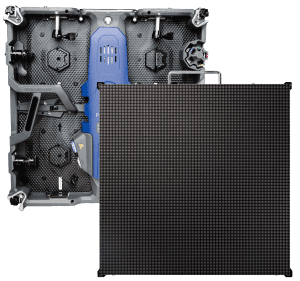
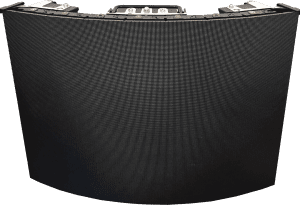
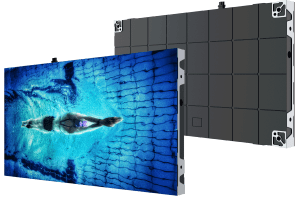
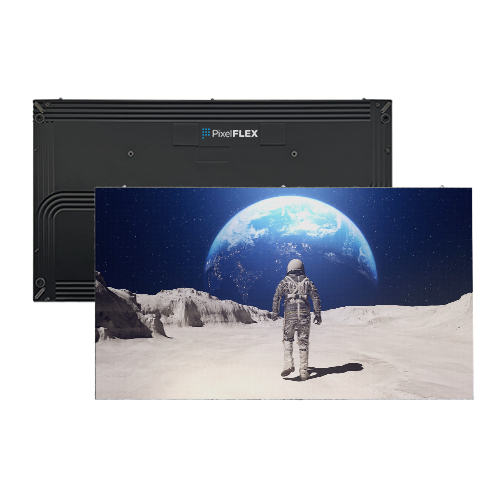
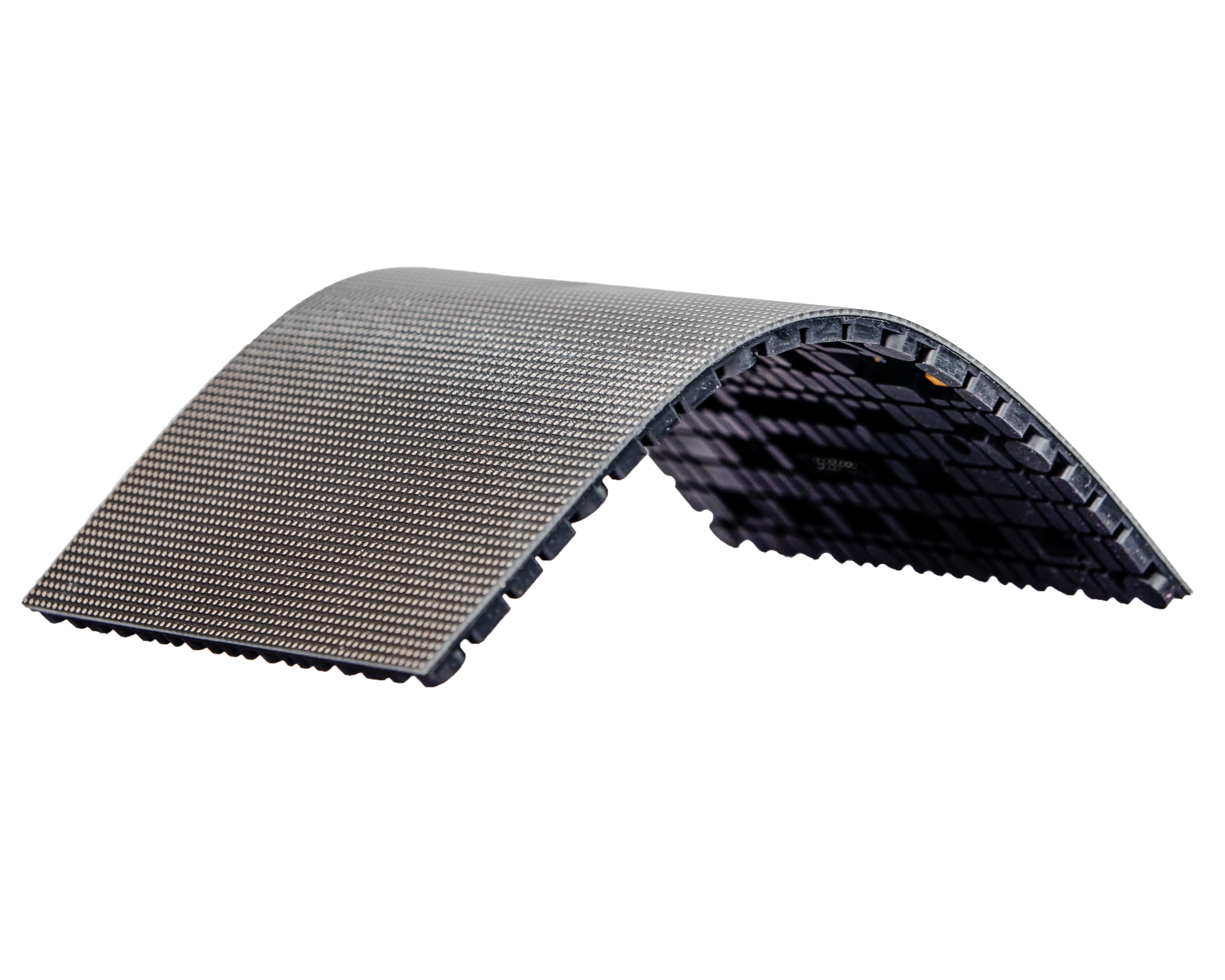
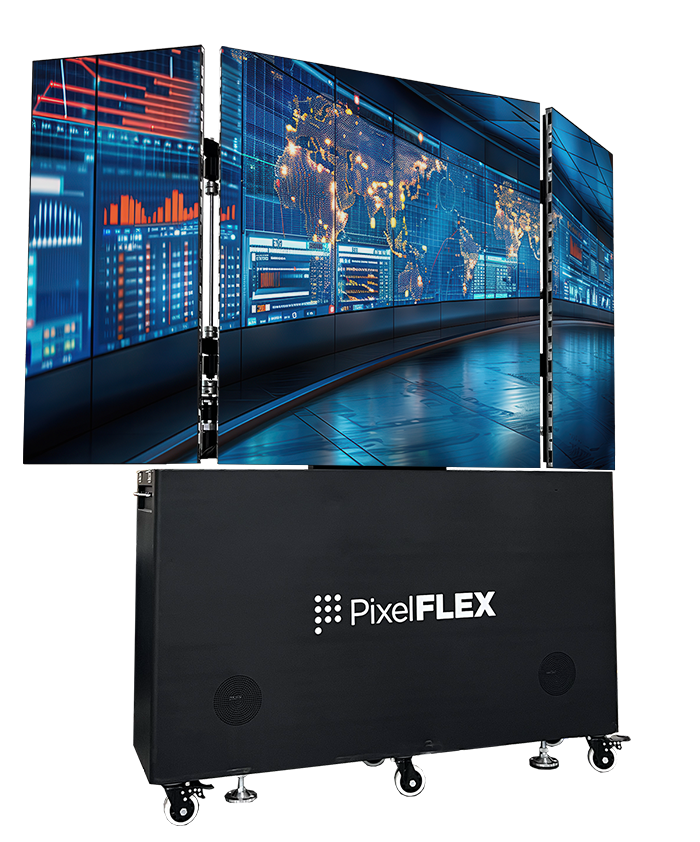
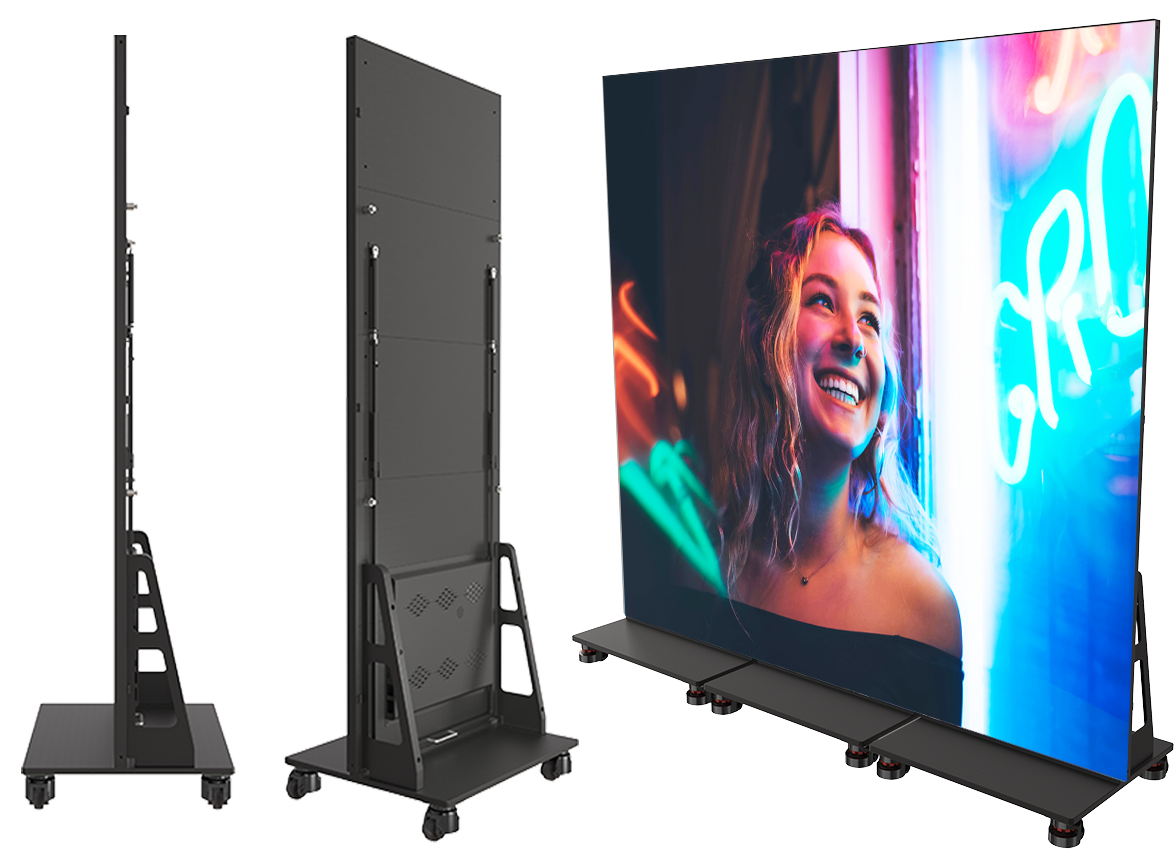
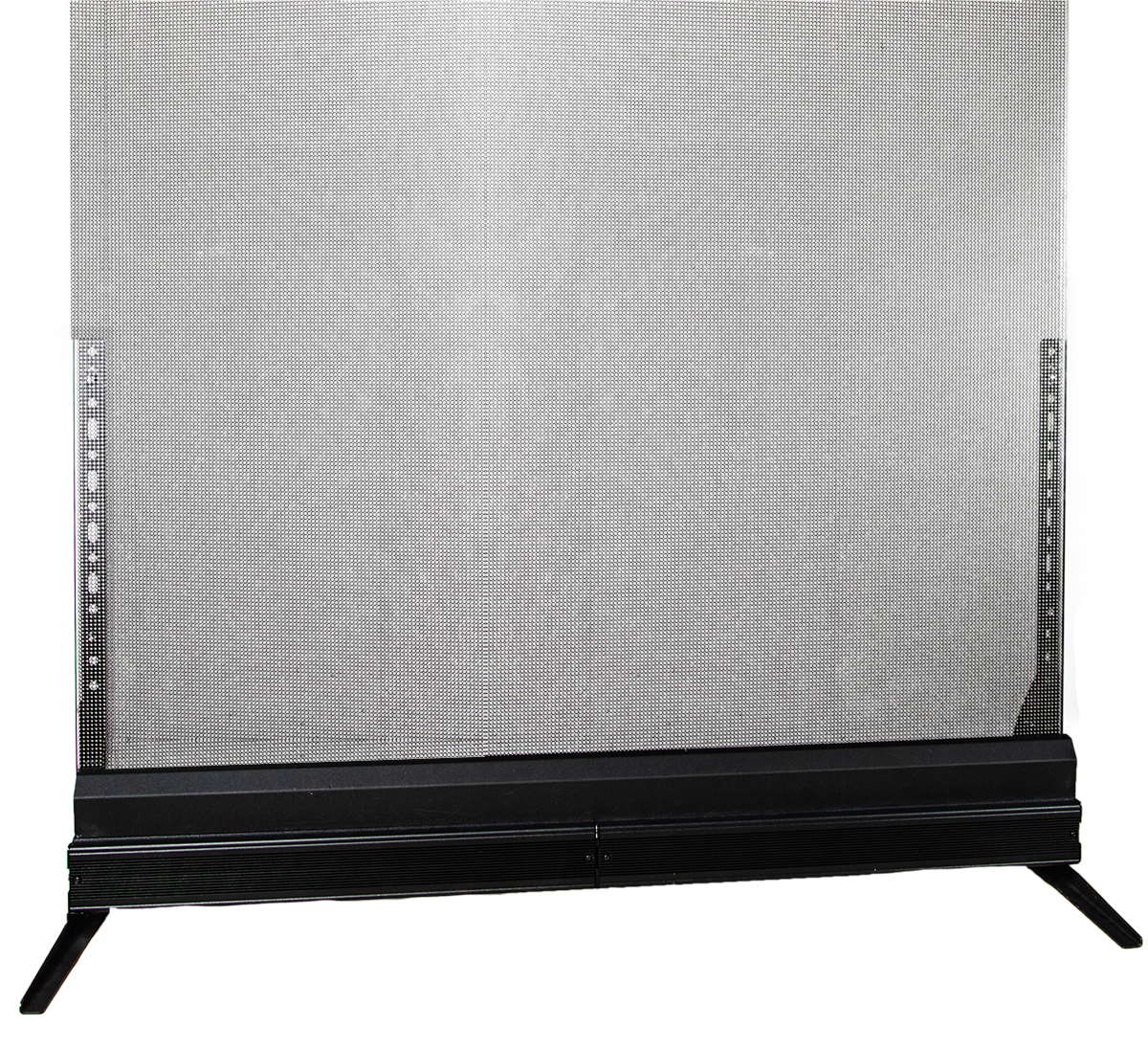
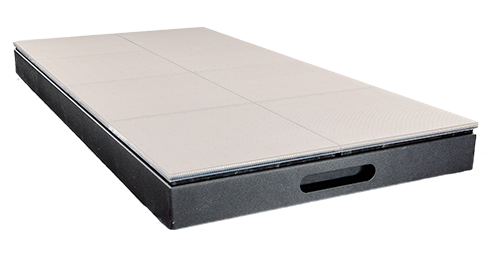
Communicate worship schedules and sermon messages while engaging your congregation with visual technology.
View More
LED displays in transportation settings, such as airports, train stations, and bus terminals, serve as dynamic platforms for real-time information, advertising, and wayfinding, enhancing passenger experience with clear, up-to-date travel details and announcements.
View More
Differentiate yourself from the competition by incorporating a digital experience in your booth with our trade show LED displays.
View More
Communicate your brand’s message, stand out from the competition and engage your target market with LED digital signage.
View More
We offer creative solutions at cost-effective rates. You will be able to deliver your sermons more effectively and engage your congregation through one-of-a-kind lyric video walls and house of worship LED displays.
View More
Enhance ambiance, display interactive directories and wayfinding displays, and promote amenities and events to elevate the guest experience.
View More
Incorporate digital displays to enhance your students’ learning experience and market to prospective students and donors.
View More
Transform your corporate spaces with PixelFLEX LED video displays. Enhance communication, elevate branding, and create dynamic environments.
View MoreChoosing a China supplier for Heat Resisting Waterproof Rubber Tape requires more than comparing prices. The right partner should understand temperature exposure, moisture control, adhesion, and long-term material performance. In practical applications, tape may face hot pipes, outdoor cabinets, cable joints, or damp industrial surfaces. Each environment creates different demands.
An experienced supplier can explain rubber formulation, backing strength, adhesive behavior, and recommended application temperatures. Reliable factories should provide production records, sample testing, and clear technical data. Look for evidence from quality systems, laboratory reports, and consistent batch performance. A strong supplier will also discuss surface preparation, storage conditions, and installation pressure. Small details matter.
Testing should reflect real use. For example, a tape sample can be wrapped around a warm metal pipe, exposed to water, and checked for lifting after repeated temperature changes. This practical step may reveal weaknesses that a catalogue does not show. Not every supplier presents complete information. That is a concern.
A trustworthy China manufacturer should answer technical questions directly, identify product limitations, and avoid unsupported performance promises. Buyers should confirm heat resistance, waterproofing performance, thickness, width tolerance, packaging, and delivery capability before placing large orders. Certifications can support confidence, but they should be verified against the actual product and production site. Supplier selection is rarely perfect on the first review. Careful sampling, documented communication, and independent evaluation reduce avoidable risks. With professional guidance and honest testing, businesses can identify a Heat Resisting Waterproof Rubber Tape supplier suited to their working conditions.
Heat-resistant waterproof rubber tape is a flexible sealing material for joints, cables, pipes, and exposed connections. It combines an elastic rubber layer with pressure-sensitive adhesive. The rubber stretches around uneven surfaces and creates a continuous moisture barrier. Unlike ordinary tape, it is designed to maintain performance under elevated temperatures. It can resist rain, condensation, and occasional water splashes. However, “heat-resistant” is not a single performance grade.
A dependable tape should retain adhesion after heating and cooling cycles. It should stretch evenly without cracking or splitting. Strong elastic recovery helps the tape stay tight around vibrating surfaces. Resistance to sunlight, ozone, oils, and mild chemicals also improves service life. Temperature limits must come from verified test data, not sales wording. During installation, workers should clean and dry the surface thoroughly. Consistent overlap matters because small gaps can become leak paths.
Material selection affects reliability. Silicone rubber suits demanding temperature changes, but it may require careful surface preparation. Butyl-based rubber often provides strong moisture sealing, though its heat range can be narrower. Actual selection depends on temperature, surface material, movement, and exposure time.
Field inspections often reveal rushed wrapping and uneven tension. That lesson is easy to overlook. A credible supplier should provide technical data, batch information, application guidance, and test conditions. No tape performs perfectly everywhere.
Heat-resistant waterproof rubber tape is used where ordinary electrical tape may soften, crack, or lose adhesion. In cable joints, it seals against rain, condensation, dust, and salt spray. It also helps insulate connectors in outdoor lighting, power distribution, and renewable-energy systems. The IEA’s Electricity Grids and Secure Energy Transitions report estimates that 80 million kilometres of grids must be added or refurbished by 2040. That expansion increases demand for practical field-repair materials.
Solar installations provide another clear application. Tape can protect cable entries, junction areas, and exposed connections beneath panels. IEA PVPS reported that global photovoltaic capacity exceeded 1.4 terawatts by the end of 2023. Heat resistance matters on dark roofs, where surface temperatures can rise sharply. In industrial equipment, the tape can seal pipe insulation, sensor wiring, and motor connections near heat sources. It is useful, but not magic. Poorly cleaned surfaces still cause failure.
A reliable specification should state temperature range, dielectric strength, elongation, water resistance, and aging performance. Test evidence should reference recognized methods, such as ASTM or IEC procedures. Installers should stretch the tape evenly and overlap each layer. Small gaps can become leak paths. Product data sheets sometimes look complete, yet long-term outdoor exposure remains difficult to predict. Buyers should request aging data, batch traceability, and application guidance before approving a supplier.
Typical maximum continuous temperature targets for common application areas.
Heat-resistant waterproof rubber tape is commonly used for electrical insulation, pipe and hose repair, HVAC sealing, marine maintenance, and automotive protection. The temperature values shown are representative engineering targets; actual performance depends on tape composition, thickness, pressure, exposure time, and installation conditions.
Choosing a reliable rubber tape supplier in China requires more than comparing prices. In practical sourcing, I check the tape’s temperature range, waterproof performance, thickness tolerance, and adhesive strength. A supplier should provide clear technical data, recent test reports, and batch traceability. Ask whether the tape remains flexible after heat exposure and water immersion. Small differences matter.
A factory visit, video inspection, or independent audit can reveal production details that sales materials hide. Look for clean coating lines, controlled storage, and documented quality checks. Request samples from different batches, not only one carefully selected roll. Test them on metal, plastic, and outdoor surfaces. Some tapes perform well in the laboratory but lose adhesion after dust, moisture, or repeated heating. That possibility deserves attention.
Tips: Confirm the actual temperature rating, not only the advertised figure. Check packaging, shelf life, replacement procedures, and delivery records. Ask for a written specification before placing an order. A professional supplier should answer technical questions directly and admit product limitations. Vague promises are warning signs. Pricing is important, but unusually low pricing may reflect thinner backing, weaker adhesive, or unstable raw materials. I have seen evaluation plans focus too heavily on appearance. That was a mistake. Long-term reliability needs evidence, repeat testing, and patient communication.
A reliable heat-resisting waterproof rubber tape begins with controlled materials, not attractive packaging. Manufacturers should verify rubber compound quality, filler distribution, thickness, and curing behavior before production. Each incoming batch needs documented inspection and traceable records.
Production standards should define mixing temperature, calendaring pressure, tape thickness, and winding tension. These details affect sealing performance in real installation conditions. Operators commonly check surfaces for pinholes, cracks, wrinkles, and uneven edges. Small defects matter.
Quality control must continue after the tape leaves the coating line. Samples should undergo heat-aging, water-resistance, tensile-strength, elongation, adhesion, and electrical insulation tests where applicable. Testing should follow recognized laboratory procedures and calibrated equipment. Results need clear acceptance limits, not vague descriptions such as “good quality.”
A practical supplier also keeps retained samples from each lot. This supports later investigation when field performance differs from factory results. No production line is perfect. One overlooked temperature change can affect curing and flexibility. That risk deserves review.
Experienced engineers should compare laboratory findings with installation feedback. A tape may pass a short heat test but lose adhesion after repeated temperature cycling. This is where quality systems become useful, rather than decorative paperwork. Audits, corrective actions, worker training, and supplier evaluations should remain active throughout production. Reliable manufacturing is built through repeated checks, honest records, and willingness to question results.
Choosing a China-based heat resisting waterproof rubber tape supplier requires more than comparing online prices. Ask for product data, factory photos, and recent sample results. Check temperature resistance, thickness tolerance, tensile strength, insulation performance, and waterproof sealing after aging. A tape rated for 200°C may perform differently under continuous heat, pressure, or outdoor exposure. Test it on your actual cable, pipe, or equipment surface.
For ordering, confirm roll width, length, color, packaging, and minimum order quantity in writing. A trial order can reveal uneven winding, weak bonding, or damaged cores. Request samples from the same production line used for bulk goods. Customization may include printed labels, carton designs, slit widths, and special rubber compounds. However, unusual sizes often increase tooling costs and delivery time. I have seen buyers approve artwork too quickly, then discover that small text becomes unreadable on narrow rolls.
Export planning should cover lead time, inspection standards, carton dimensions, pallet requirements, and shipping terms. Ask for a commercial invoice, packing list, certificate of origin, and relevant test reports. Confirm whether the tape needs special storage instructions during transport. Moisture, heat, and compression can affect unused rolls. Independent inspection before shipment adds cost, but it can prevent larger losses. Still, inspection is not perfect. Keep retained samples and record batch numbers for future claims. A dependable supplier should answer technical questions clearly and report limitations rather than promise universal performance.