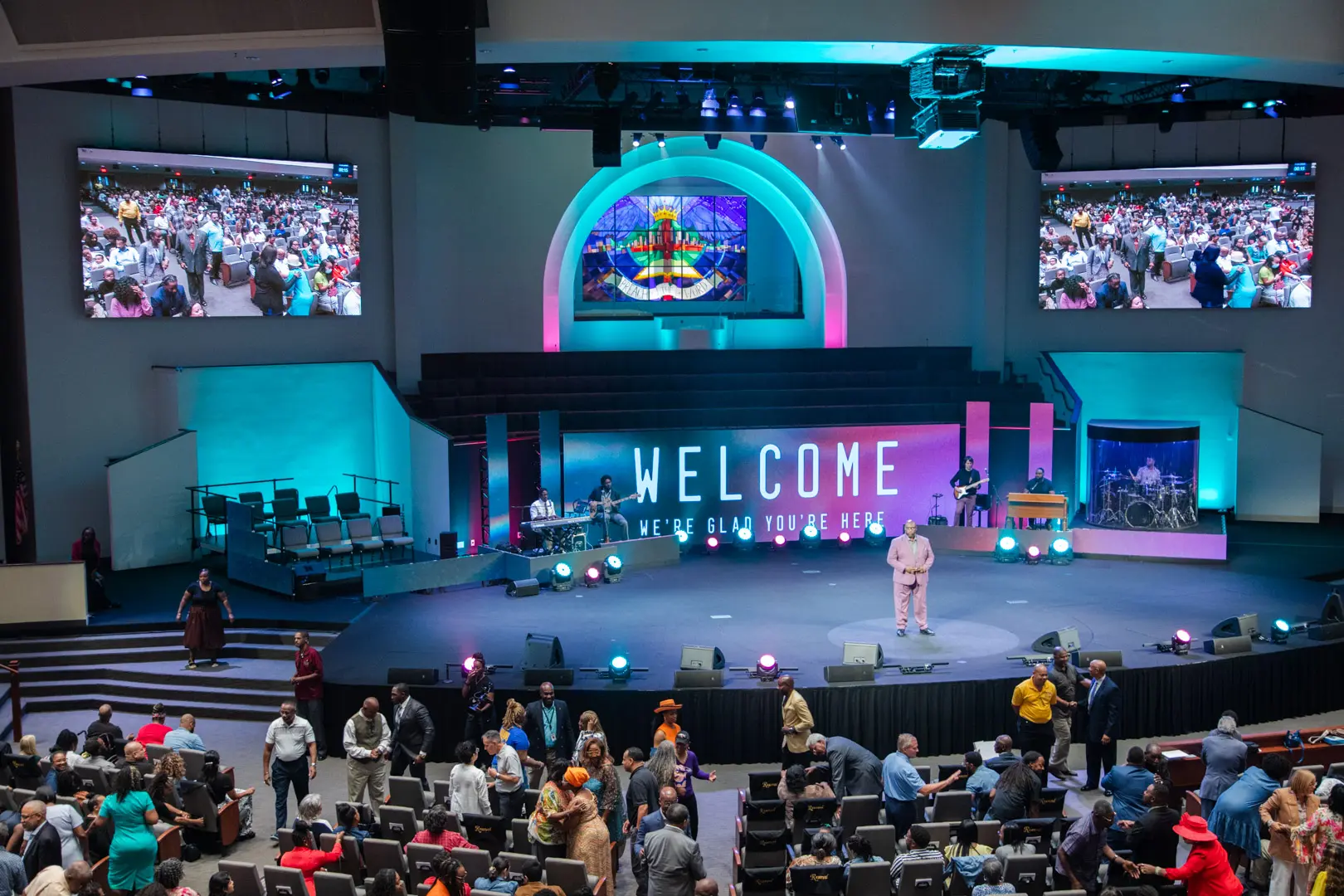
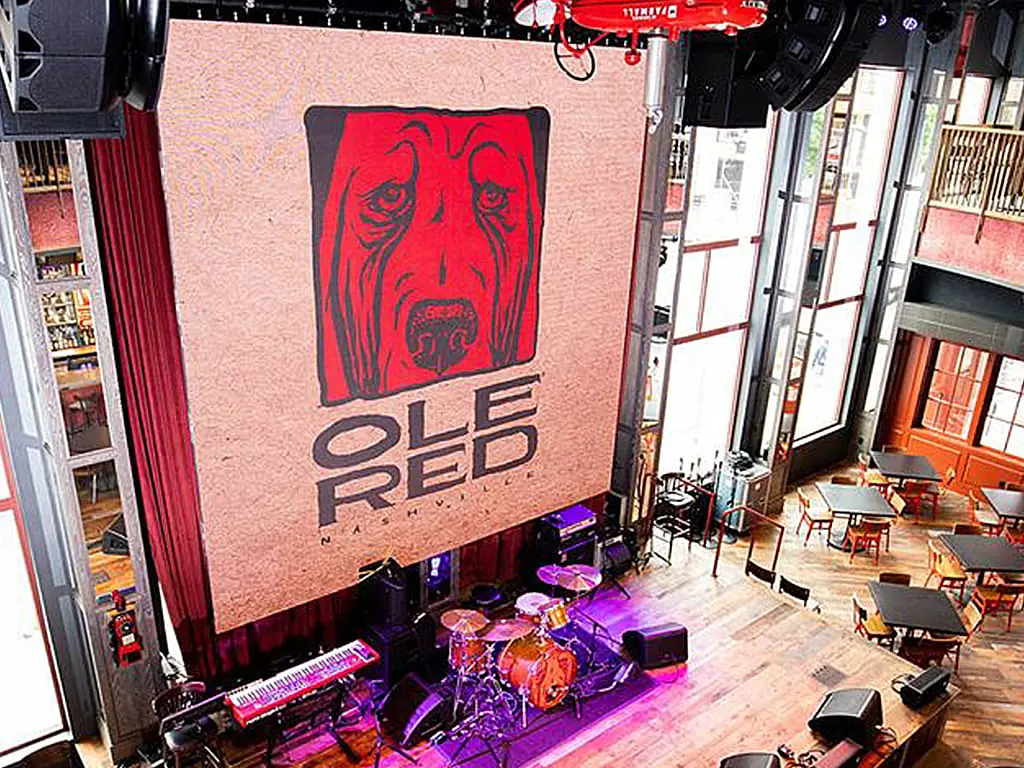
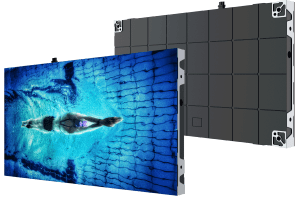
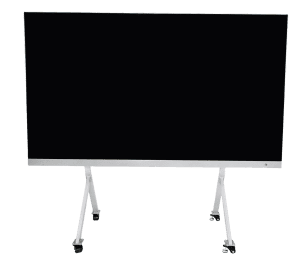
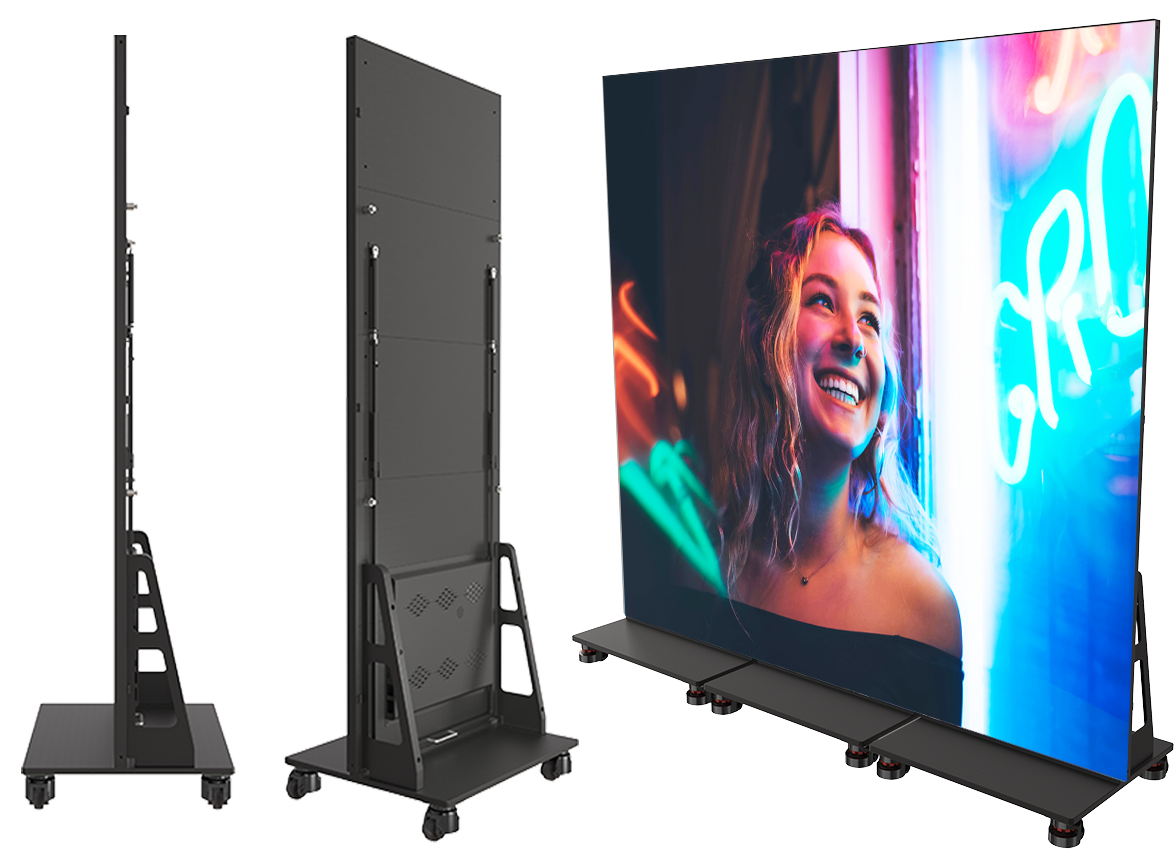
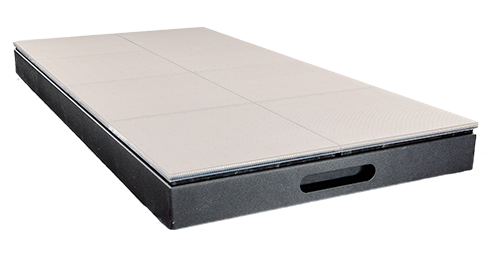
Communicate worship schedules and sermon messages while engaging your congregation with visual technology.
View More
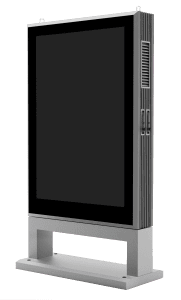
LED displays in transportation settings, such as airports, train stations, and bus terminals, serve as dynamic platforms for real-time information, advertising, and wayfinding, enhancing passenger experience with clear, up-to-date travel details and announcements.
View More
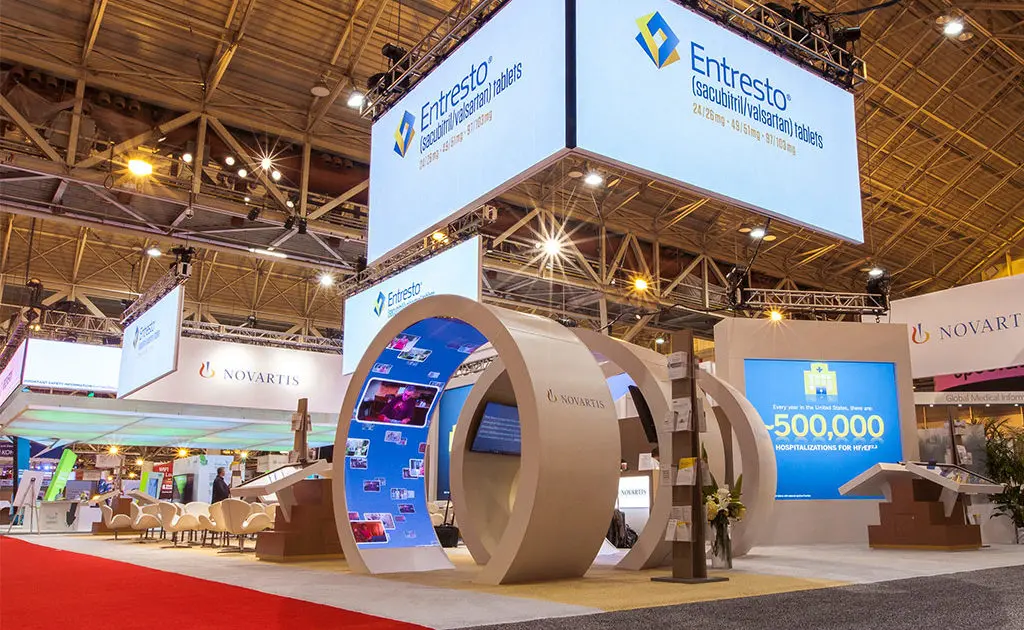
Differentiate yourself from the competition by incorporating a digital experience in your booth with our trade show LED displays.
View More
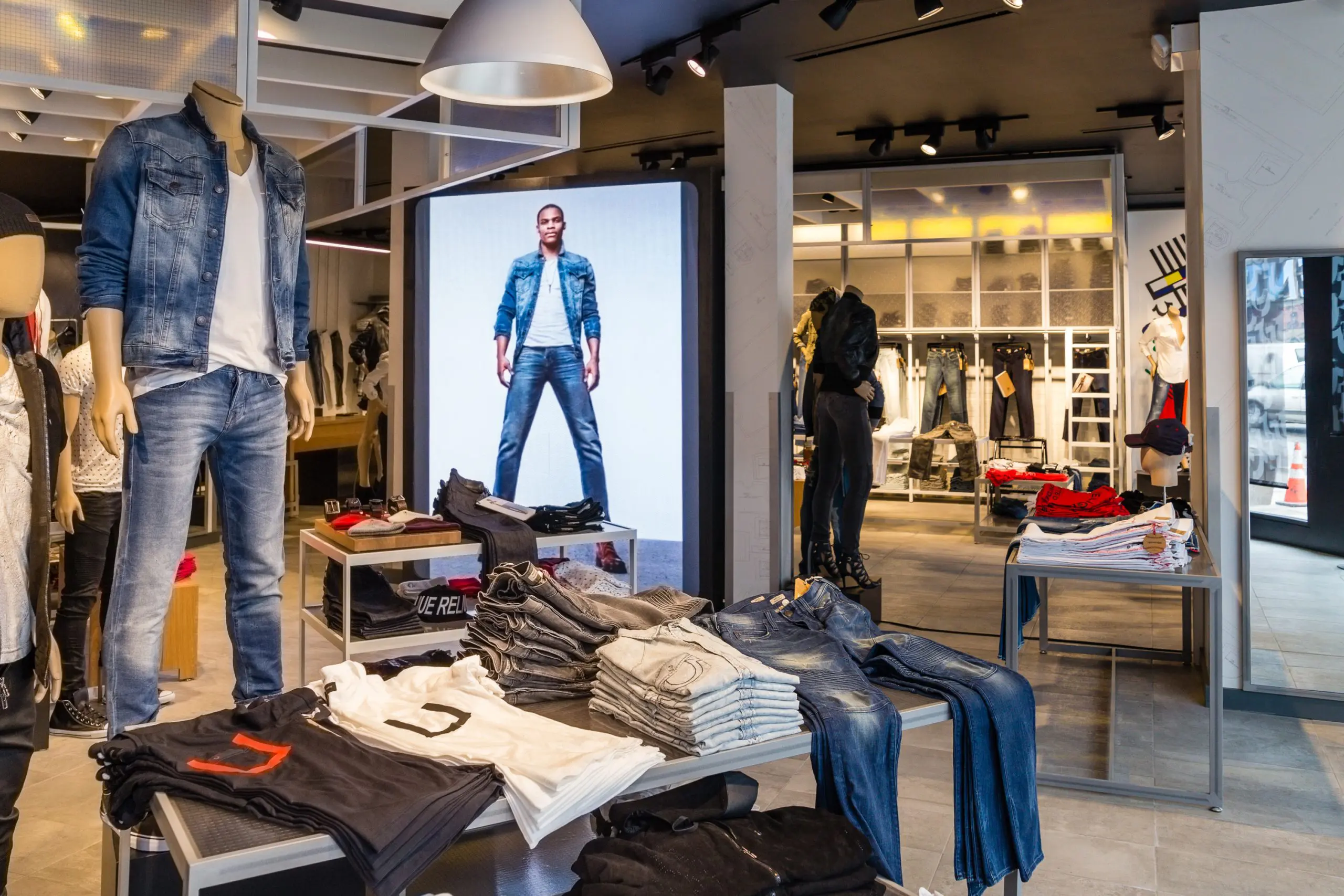
Communicate your brand’s message, stand out from the competition and engage your target market with LED digital signage.
View More
We offer creative solutions at cost-effective rates. You will be able to deliver your sermons more effectively and engage your congregation through one-of-a-kind lyric video walls and house of worship LED displays.
View More
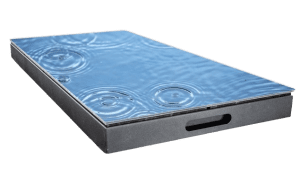
Enhance ambiance, display interactive directories and wayfinding displays, and promote amenities and events to elevate the guest experience.
View More
Incorporate digital displays to enhance your students’ learning experience and market to prospective students and donors.
View More
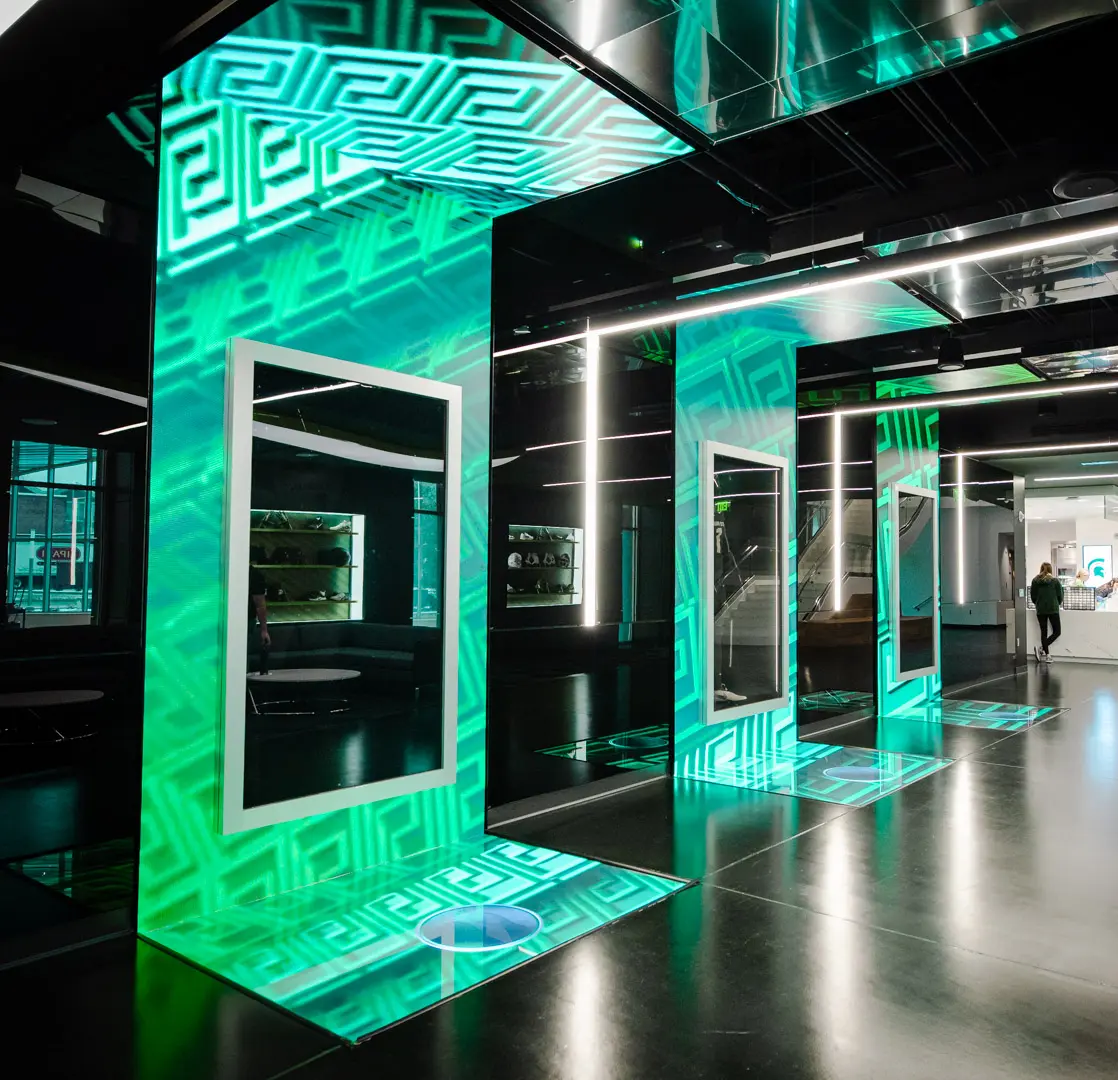
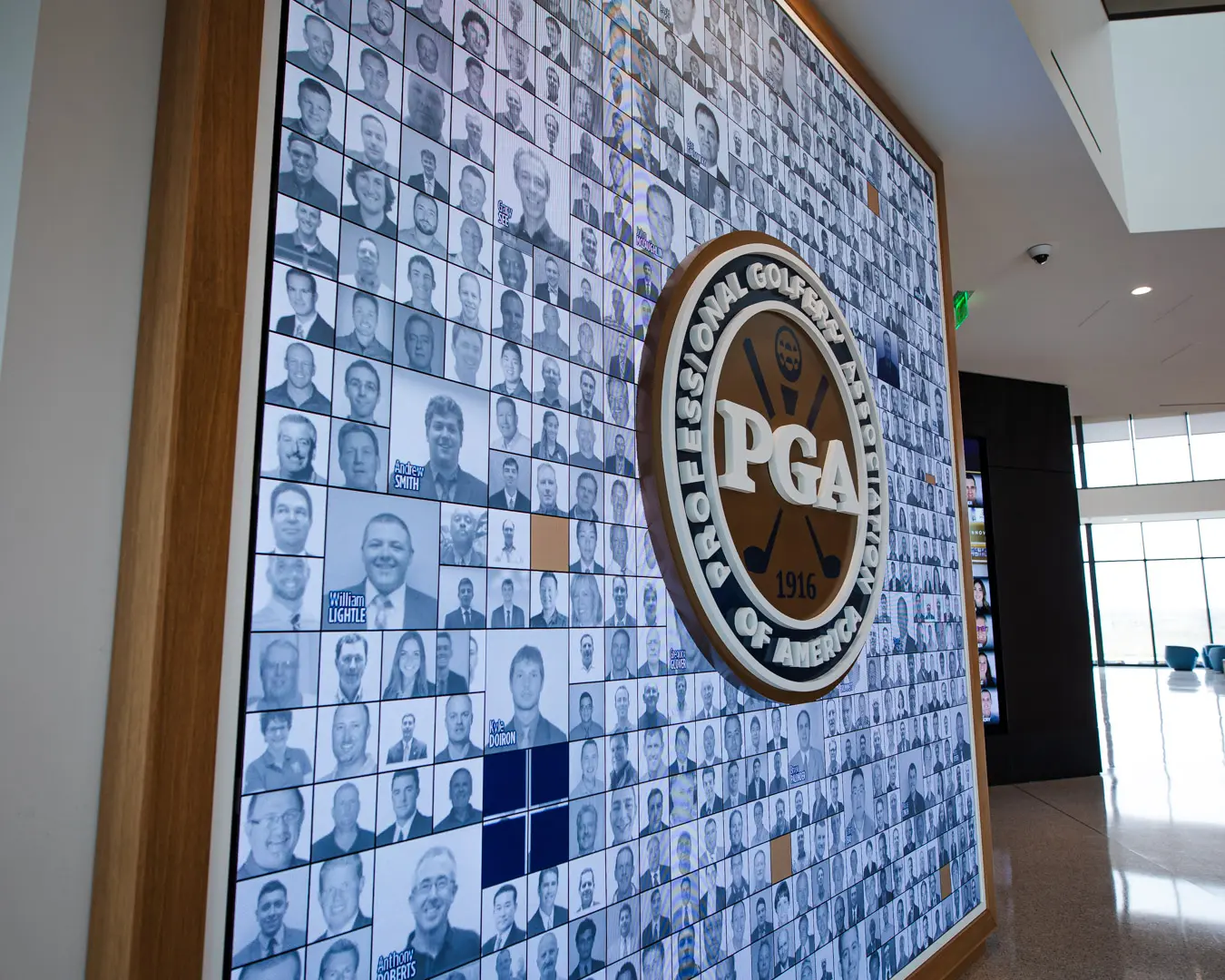
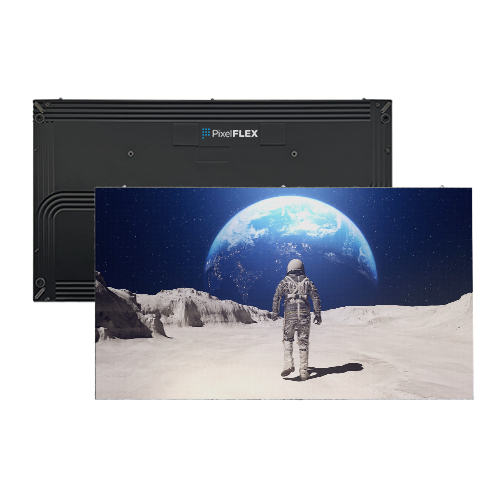
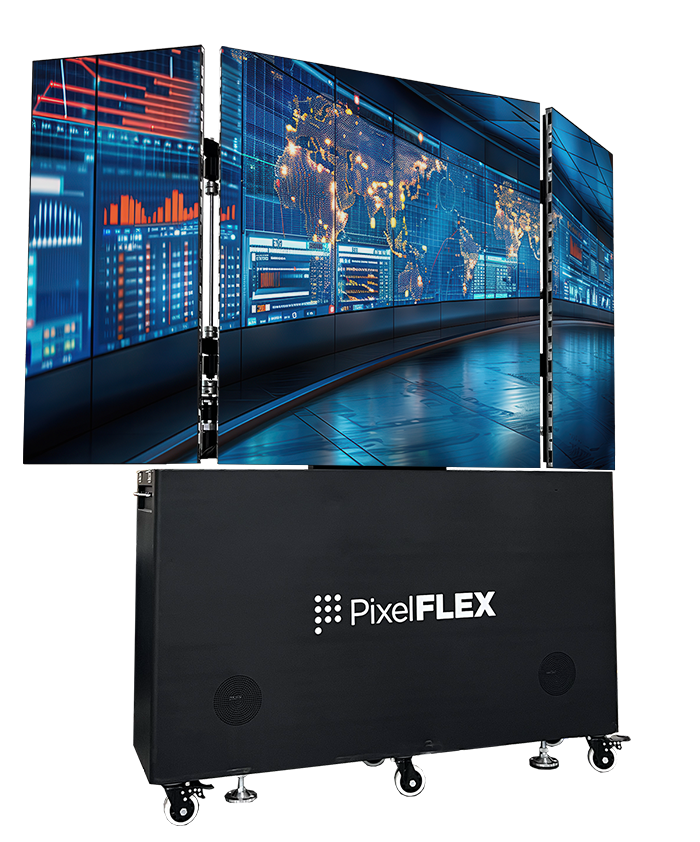
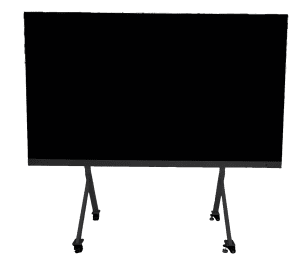
Transform your corporate spaces with PixelFLEX LED video displays. Enhance communication, elevate branding, and create dynamic environments.
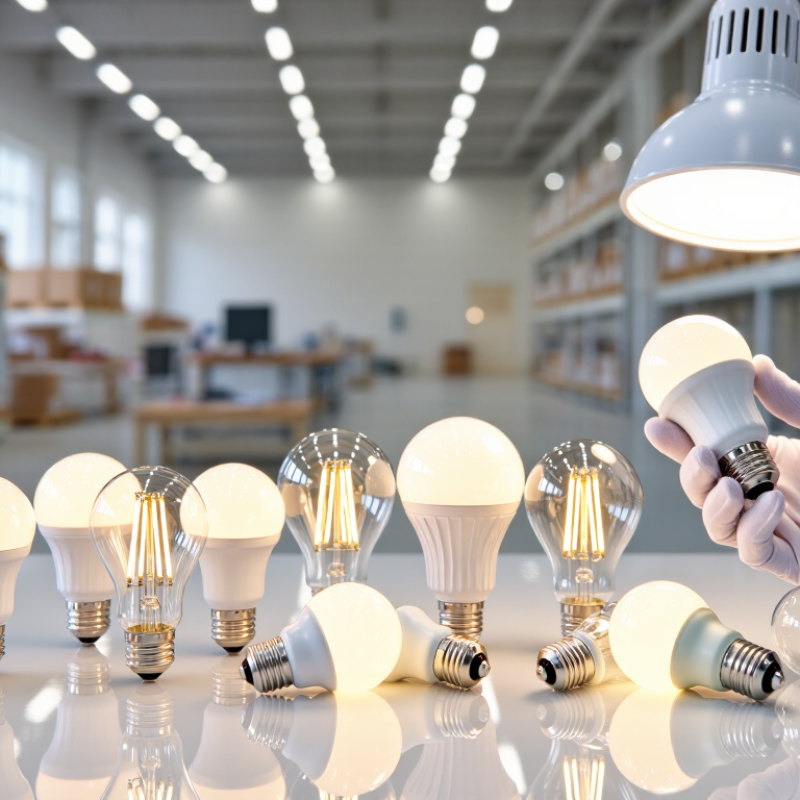
View MoreChina has become a major sourcing base for LED Filament Bulbs, serving lighting brands, distributors, and project buyers worldwide. The market includes established manufacturers, specialized workshops, and trading companies with different capabilities. A polished catalog is not enough.
Reliable supplier selection requires practical verification. Buyers should examine factory experience, production capacity, quality systems, and export records. Product details matter too. Check lumen output, color temperature, CRI, beam angle, power factor, and flicker performance. These specifications affect both customer satisfaction and long-term product reliability.
Ask for samples.
A clear sample evaluation can reveal uneven glass finishes, loose caps, unstable brightness, or visible driver flicker. Buyers should also review test reports and applicable certifications for their target markets. Requirements may differ across regions, so current documentation deserves careful checking. Supplier communication is another useful indicator. Prompt answers, accurate technical sheets, and transparent lead times often reflect stronger internal management.
This guide introduces leading China LED Filament Bulbs suppliers for global buyers. It considers product quality, customization, minimum order quantities, packaging, pricing structure, and after-sales support. Some suppliers may excel in decorative designs, while others focus on commercial volume orders. No supplier is perfect, and factory information can change over time. Independent audits, video inspections, and pre-shipment checks remain sensible steps.
The goal is not to promote the cheapest quotation. It is to help buyers compare evidence, reduce sourcing risks, and build dependable supply relationships. Careful evaluation takes time, but it can prevent expensive problems later.
China has become a leading source of LED filament bulbs because its manufacturing network combines scale, technical skill, and flexible production. In many factories, glass forming, LED assembly, driver production, and aging tests are handled within connected supply chains. This shortens communication between departments. It also helps buyers adjust bulb shapes, color temperatures, bases, and packaging for different markets.
Experienced suppliers usually test light output, power stability, color consistency, and heat performance before shipment. A reliable factory can provide sample records, inspection reports, and traceable production information. Buyers should still verify these documents independently. Claims are not proof. A warm 2700K bulb, for example, should match its stated color across repeated samples. Small differences can affect a restaurant, hotel, or residential project.
China also offers practical support for custom orders and moderate production volumes. Engineers can refine filament layouts, dimming behavior, and glass finishes through repeated sampling. The process is not flawless. Delays may occur when components change or specifications remain unclear. Careful buyers use written requirements, pre-shipment inspections, and clear acceptance standards. That discipline matters more than an attractive catalog. A dependable supplier listens to technical feedback, reports problems early, and improves the next production batch.
| Evaluation Dimension | Typical Data or Available Range | Why It Matters to Global Buyers |
|---|---|---|
| Common Product Power Range | 2 W–12 W for decorative and residential LED filament bulbs | Supports replacements for many traditional incandescent bulbs while reducing electricity consumption. |
| Typical Luminous Efficacy | Approximately 80–120 lumens per watt, depending on design, color temperature, and driver | Higher efficacy provides more light output with lower energy use; buyers should verify tested performance. |
| Available Color Temperatures | Approximately 1,800 K–6,500 K; common options include 2,200 K, 2,700 K, 3,000 K, 4,000 K, and 6,500 K | Enables customization for hospitality, residential, retail, office, and outdoor applications. |
| Color Rendering Index | CRI ≥80 is widely available; CRI ≥90 is available for color-sensitive applications | Higher CRI produces more natural-looking colors and is useful for retail, hospitality, and residential lighting. |
| Rated Service Life | Commonly 15,000–25,000 hours, subject to thermal conditions and product specifications | Longer rated life can reduce replacement frequency and maintenance costs. |
| Input Voltage Options | Commonly 100–240 V AC for global markets; 110–120 V and 220–240 V versions are also available | Voltage selection helps buyers meet electrical requirements in different countries and regions. |
| Common Cap and Bulb Shapes | E14, E26, E27, B22, GU10, and other region-specific bases; A60, ST64, G45, G80, G95, and candle shapes | A broad selection simplifies compatibility with existing fixtures and supports multiple market segments. |
| Dimming Compatibility | Dimmable and non-dimmable versions are commonly available; compatibility depends on the dimmer and driver | Buyers should request dimmer testing to minimize flicker, noise, and limited dimming range. |
| Regulatory Documentation | Depending on the destination market: CE, RoHS, UKCA, FCC, ERP, EMC, safety, and photobiological test reports | Complete documentation supports customs clearance, retailer requirements, and market compliance. |
| Customization Capability | Typical options include glass color, filament layout, wattage, CCT, cap type, packaging, labeling, and electrical specifications | Flexible production helps importers create market-specific products without changing the entire product category. |
| Quality-Control Checkpoints | Recommended checks include lumen output, power, power factor, color consistency, flicker, insulation, temperature rise, and aging tests | Defined inspections help verify that production batches meet the approved sample and purchase specifications. |
| Supply-Chain Advantages | Established access to LED components, glass production, electronic drivers, metal caps, packaging, tooling, and export logistics | Integrated manufacturing resources can support product variety, scalable production, and coordinated purchasing. |
| Buyer Verification Recommendation | Compare samples, independent test reports, factory inspection results, warranty terms, lead times, and approved production specifications | Supplier capability varies, so documented verification is essential before placing large international orders. |
Note: Figures shown are typical industry ranges for LED filament bulbs and may vary by product design, component selection, destination-market requirements, and test method.
China Top LED Filament Bulbs Suppliers for Global Buyers
Key Criteria for Evaluating Chinese LED Filament Bulb Suppliers
Choosing a Chinese LED filament bulb supplier requires more than comparing unit prices. Examine production experience, engineering capacity, and quality control records. A reliable supplier should explain LED chip selection, filament structure, driver design, and heat management clearly. Avoid vague answers.
Samples matter. Request bulbs with different wattages, color temperatures, bases, and glass finishes. Check brightness, flicker, color consistency, startup time, and surface temperature during actual use. Keep sample photos and test results for later comparison. Small differences often reveal weak process control.
Ask for independent test reports, traceable material records, and documented inspection procedures. Factory visits can show whether testing equipment is active or only displayed for visitors. Review batch inspection data, aging tests, and packaging strength before placing a large order. Confirm production capacity through recent shipment records, not promises alone.
Communication is another practical measure. Suppliers should provide clear drawings, timelines, defect-handling rules, and replacement terms. A capable technical team can adjust filament layout or glass dimensions without creating confusion. Still, no supplier is flawless. Even experienced factories may face color drift or delayed components. Discuss these risks openly and require corrective-action reports. Trust grows through evidence, not polished sales language.
Key Criteria for Evaluating Chinese LED Filament Bulb Suppliers
The chart presents practical procurement benchmarks commonly used when screening LED filament bulb suppliers: luminous efficacy, color rendering, rated lifetime, power factor, and warranty coverage. These reference thresholds are product-quality requirements rather than company or brand performance data, so buyers should verify them through technical datasheets, test reports, samples, and third-party certifications.
China’s LED filament bulb supply base includes factory-owned OEM/ODM producers, specialist filament manufacturers, and trading firms managing partner factories. Factory-owned suppliers usually control glass forming, filament mounting, gas filling, driver assembly, and aging tests. Specialist producers often offer stronger control over decorative shapes and color consistency. Trading companies may provide broader catalogs, but buyers should verify production ownership carefully.
The U.S. Department of Energy reports that modern LED lighting can use at least 75% less energy than incandescent lighting and last much longer. This advantage depends on thermal design and driver quality. In Chinese facilities, capable manufacturers use automated winding machines, vacuum or inert-gas filling systems, integrating spheres, and programmable aging lines. They can test lumen output, color temperature, power factor, flicker, and life performance against IEC 62560 and IEC 62612 requirements. Small details matter.
Factory visits reveal practical differences. Some suppliers record serial numbers for each batch, while others still rely on handwritten inspection sheets. That gap creates risk. ISO 9001 certification supports process control, but it does not replace independent testing. Reports from the International Energy Agency show efficiency remains central to global lighting demand, yet decorative bulbs still face trade-offs between appearance, heat, and efficacy. Buyers should request LM-79-style photometric data, sample retention records, and failure analysis. A beautiful filament is not enough. Even experienced sourcing teams can overlook driver heat during long-duration testing.
For global buyers, LED filament bulbs from China should be judged by tested performance, not appearance alone. The International Energy Agency’s Energy Efficiency 2023 report estimates that lighting uses about 15% of global electricity. The U.S. Department of Energy also reports that LED lamps can use at least 75% less energy than incandescent lamps and last up to 25 times longer. These figures make quality control commercially important.
Reliable suppliers should provide test reports against IEC 62560 for self-ballasted LED lamps. IEC 62471 helps assess photobiological safety, while EMC testing checks interference and operating stability. Buyers should also request CE, RoHS, ERP, or UKCA documentation when required by the destination market. ISO 9001 certification supports process consistency, but it does not automatically prove bulb quality. That distinction is often overlooked.
Factory testing should include photometric measurements, power-factor checks, flicker assessment, surge tests, and temperature cycling. An integrating sphere can verify lumens, color temperature, and color rendering. Accelerated aging can expose weak drivers or poor filament connections. Suppliers should share sample-level data, not only a general certificate. A certificate alone is not proof. In practice, some reports cover an older model or a different wattage. Buyers should compare the report number, model code, test date, and laboratory accreditation before approving a shipment. Even careful testing has limits, especially when real household voltage conditions vary.
China Top LED Filament Bulbs Suppliers for Global Buyers
Global buyers should compare LED filament bulb quotes by specifications, not price alone. Ask each supplier to state wattage, lumen output, color temperature, CRI, base type, voltage range, beam angle, and dimming performance. These details prevent an attractive quote from hiding weaker lighting results. Request product photos, test reports, and a sample before approving a larger order.
Keep every offer in one comparison sheet. Record MOQ, sample fees, tooling charges, packaging style, carton size, lead time, and shipping terms. Confirm whether the quoted price includes export packaging and which Incoterm applies. A lower unit price may create higher freight costs. It happens often. Check the warranty period, replacement process, and response time in writing. Reliable suppliers usually answer technical questions clearly and provide consistent documents.
Before placing an order, approve the sample against a written specification. Confirm logo-free packaging, socket dimensions, labeling, and carton protection. Then request a proforma invoice showing quantity, unit price, payment schedule, production time, and inspection terms. An independent pre-shipment inspection can verify random samples, but it cannot replace clear specifications. I still treat the cheapest quote cautiously. My own comparison sheets have missed small packaging costs before. Leave room for revision, especially when seasonal demand, glass supply, or shipping capacity changes. Ask for the final production schedule before sending the deposit.