What Are the Top Crystals to Buy in Bulk?

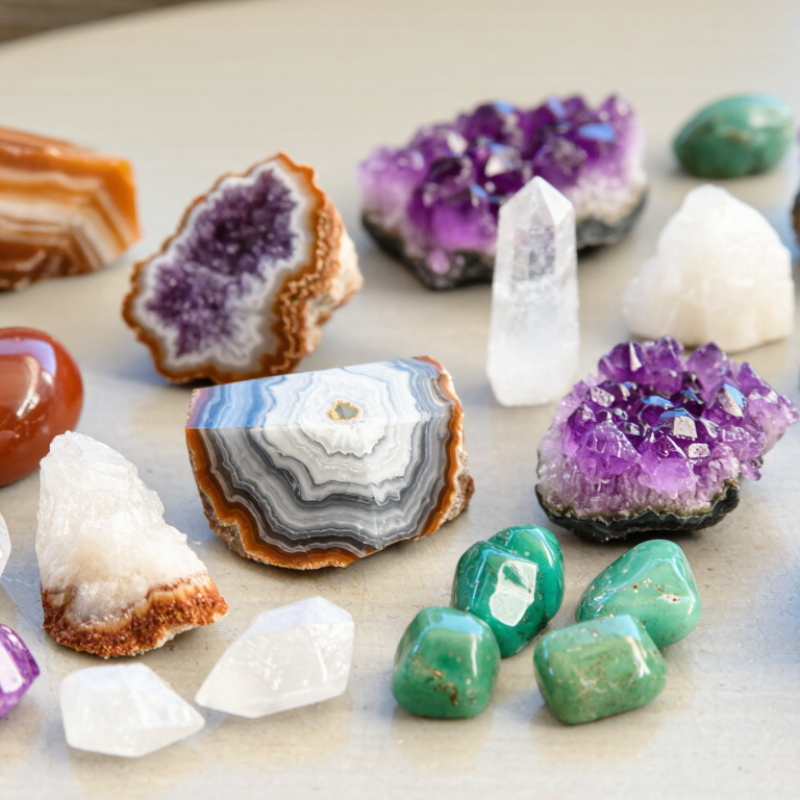
Choosing the best Crystals to buy in bulk depends on how you plan to use them, not just their color or price. Retailers may need consistent sizes and repeatable stock, while craft makers often value varied shapes and natural patterns. Clear quartz, amethyst, agate, jasper, and aventurine are popular options because they suit many displays and projects. Still, popularity does not guarantee quality. A beautiful sample can look different from the rest of the parcel.

Before ordering, ask for recent photos of the actual lot, clear size and weight ranges, and details about any dyeing or other treatments. Check how stones are graded, packed, and replaced if damaged in transit. Supplier transparency matters. So does traceability. Reputable sellers should answer practical questions without making unsupported claims about a crystal’s origin or properties. For example, compare the stated dimensions with a ruler, and confirm whether a “mixed” lot includes similar quantities of each stone. Small details can affect the value of a bulk order.

This guide explores which types of Crystals may suit different budgets, businesses, and creative needs. It also considers consistency, durability, presentation, and responsible sourcing. There is no single best choice for every buyer. Even a careful checklist can miss something; inspecting a sample first is often worth the extra time.

What Are the Top Crystals to Buy in Bulk?

What Buying Crystals in Bulk Means and Who It Suits

Buying crystals in bulk means purchasing a larger quantity in one order, rather than selecting a few individual pieces. The lot may contain one mineral in several sizes or a mixed assortment. “Bulk” has no universal size, so check the stated weight, piece count, and dimensions before ordering. A photograph can be useful, but it may not show every item in a mixed lot.

Bulk buying can suit shop owners, jewelry makers, teachers, and hobbyists who use similar stones regularly. It may reduce the cost per piece and save repeat ordering. But the lower unit price is not the whole story. You also need room to store the material and time to sort it. Check how the seller describes natural variation, treatments, and quality grades. Ask whether the pictured stones represent the actual lot, and review the return terms. Small details matter.

Start with a modest quantity if you have not handled that material before. Color, shape, and surface texture can vary more than expected. That is part of the appeal, though it can complicate matching pieces for a project. Bulk buying is practical when your plans are clear. If not, a large box may simply become a very attractive storage problem.

What Are the Top Crystals to Buy in Bulk? – What Buying Crystals in Bulk Means and Who It Suits

Crystal Common Bulk Form Example Planning Quantity Who It May Suit Practical Buying Considerations
Clear quartz Tumbled stones, small points, or rough pieces 100–500 small tumbled stones, or 20–100 points Retailers, craft makers, event organizers, and educators needing a widely recognized mineral Quartz is a common mineral, but clarity, inclusions, shape, and finish vary. Confirm whether the lot is natural, treated, or manufactured.
Amethyst Tumbled stones, small rough pieces, or clusters 100–300 small tumbled stones, or 10–50 clusters Gift shops, makers, and display buyers looking for purple-colored pieces in varied sizes Color ranges from pale to deep purple, and clusters can differ substantially in size and crystal coverage. Ask for a representative lot photo.
Rose quartz Tumbled stones, rough chunks, or carved shapes 100–500 small tumbled stones, or 20–100 rough pieces Jewelry and craft businesses, gift sellers, and workshops Many pieces have a pale, cloudy appearance. Check the size grade and surface finish, especially when matching pieces for a product range.
Black obsidian Tumbled stones, rough pieces, or polished shapes 100–300 small tumbled stones, or 20–100 larger pieces Retailers and makers seeking a dark, glassy-looking material Obsidian is volcanic glass and can have sharp edges if chipped. Inspect polished items and package rough pieces to reduce breakage or handling risks.
Green aventurine Tumbled stones, rough pieces, or beads 100–500 small tumbled stones, or 100–500 beads Jewelry makers, craft suppliers, and sellers of assorted stone collections Green color and visible sparkle can vary between pieces. For bead orders, confirm bead diameter, hole size, and strand or piece count.
Fluorite Tumbled stones, rough pieces, or small display specimens 50–200 tumbled stones, or 10–50 specimens Collectors, educational retailers, and shops selling mineral specimens Fluorite commonly shows varied colors and banding. It is relatively soft compared with quartz, so separate packaging helps prevent scratches and chips.
Jasper Tumbled stones, slabs, or rough pieces 100–500 small tumbled stones, or 10–50 slabs Lapidary hobbyists, jewelry makers, and craft businesses Jasper patterns differ from piece to piece. If buying slabs or rough material for cutting, request dimensions and confirm that the material is suitable for the intended work.
Agate Tumbled stones, slices, or rough nodules 50–300 tumbled stones, or 10–50 slices Decorative-product makers, jewelry sellers, and mineral retailers Banding, translucency, and slice thickness vary. Confirm whether slices are polished, drilled, or sold as-cut before placing a larger order.
Sodalite Tumbled stones, rough pieces, or beads 100–300 small tumbled stones, or 100–500 beads Bead and jewelry makers, gift retailers, and craft workshops Blue color can be accompanied by white veining. Ask for bead measurements or a size range for tumbled stones to ensure consistency.
Citrine Tumbled stones, points, or small display pieces 50–200 tumbled stones, or 10–50 points Retailers and makers who want a yellow-to-orange quartz variety in their assortment Natural citrine is less common than heat-treated amethyst sold as citrine. Ask the seller to disclose treatments and describe the material accurately.
Bulk-buying note: “Bulk” has no single standard order size. Quantities above are illustrative planning ranges, not industry requirements; piece size, grade, packaging, availability, and minimum order quantities vary by seller. Request a sample or representative photos, confirm total weight and dimensions, and check return and damage policies before ordering.

How to Evaluate Crystals for Bulk Purchasing

When comparing crystals for bulk purchasing, look beyond the price per kilogram. Ask for clear photos of the actual lot, not only polished sample pieces. Check whether the seller identifies the mineral and discloses known treatments. Under neutral light, compare color, translucency, surface finish, and visible fractures. Natural variation is normal. Large differences in size or color may still affect how easily you can sort or display the stones.

Request a small sample from the same batch when possible. Measure several pieces and note their weight, dimensions, and condition. A photo can hide chips or uneven polish. It can also make colors look brighter than they appear in person. Ask about packing methods, replacement policies for transit damage, and whether future orders can match the same grade. These details matter more when customers expect consistent sets. Even careful checks cannot guarantee every piece will look alike; I’d avoid promising uniformity unless the lot supports it.

Tips: Keep a written grading checklist, photograph the delivered batch, and inspect a few pieces before opening every package. Don’t rush the decision.

Which Crystal Types Are Most Popular to Buy in Bulk

For bulk buyers, amethyst, rose quartz, clear quartz, and black tourmaline are practical starting points. They are familiar, visually distinct, and easy to sort into small retail displays. Amethyst clusters bring purple color and varied shapes; rose quartz chips and tumbled stones offer a soft pink option. Clear quartz points provide a brighter contrast. Black tourmaline is often chosen for its dark, striated surfaces. Keep expectations realistic. No public industry report reliably ranks crystal types by bulk purchase volume.

Market reports offer broader context, not a crystal-by-crystal bestseller list. Grand View Research estimated the global gemstone market at USD 32.38 billion in 2023 and projected a 6.2% compound annual growth rate from 2024 to 2030. That figure covers gemstones broadly, so it should not be treated as proof of demand for any single crystal.

For purchasing decisions, compare supplier catalogs, reorder rates, and customer requests. Check a sample parcel for color consistency, chips, and size variation before placing a large order. A neat photo can hide uneven pieces.

How to Match Crystal Varieties to Buyers and Uses

Bulk crystal buying works best when each variety fits a clear customer and use. Grand View Research valued the global gemstones market at $32.38 billion in 2023, but that broad figure does not measure crystal demand alone. Treat it as market context, not a sales forecast. Gift shops may prefer amethyst clusters and polished rose quartz, which are easy to display and handle. Small details matter. Ask suppliers for consistent sizing, clear photos, and disclosed treatments before ordering.

Jewelry makers need a different mix. Quartz scores 7 on the Mohs hardness scale, while fluorite scores 4, according to gemological references; softer stones may scratch more easily in everyday wear. Keep them separate. Home décor buyers may favor larger points or slabs, where color and visible flaws matter more than uniformity. The Global Wellness Institute reported a $6.3 trillion global wellness economy in 2023, but that figure does not prove demand for crystals or any healing effect. Match stock to observed customer interest. That sorting is useful, though never perfect; local tastes can surprise even experienced buyers.

How to Check Quality, Pricing, and Storage Requirements

For bulk buying, request a representative sample before approving a full lot. Check several pieces under neutral light: compare color, translucency, polish, chips, and visible fractures. Ask whether treatments or dyed material are present, and require the answer in writing. Weigh the sample and compare its dimensions with the supplier’s specifications. A low price per kilogram can hide a high breakage rate or inconsistent grading.

Use market data carefully. The USGS Mineral Commodity Summaries 2025 estimates U.S. industrial sand and gravel production at about 120 million metric tons in 2024. That figure describes industrial material, not decorative crystals; it is a reminder not to treat silica grades as interchangeable. Compare like-for-like quotes by mineral, size range, grade, origin disclosure, packaging, and freight. Request a dated price sheet, sample invoice, and clear replacement terms. I would still budget for defects. Samples never tell the whole story.

Tips: Photograph each sample beside a ruler, label the lot, and record weight on a calibrated scale. Store crystals in dry, padded boxes, away from direct sunlight and sharp temperature changes. Keep softer stones separate from harder pieces to reduce scratches. Ask the supplier for mineral-specific handling guidance; one storage rule will not fit every stone.

Article Source:

Need Help?
X

Ready to Talk?

Our team is ready to connect.