Top 10 PCB Manufacturers You Should Know?
In the world of electronics, selecting a reliable PCB manufacturer is crucial. The printed circuit board (PCB) serves as the backbone of many devices. A high-quality PCB can determine the efficiency and reliability of electronic products. Therefore, companies often seek trustworthy manufacturers to meet their specific needs.
Several well-known PCB manufacturers stand out due to their innovation and quality. These manufacturers provide a variety of services, from prototype development to mass production. Their expertise in diverse sectors ensures that they can handle different project requirements. However, not all manufacturers maintain the same standards. It's essential to research and consider various factors before making a choice.
Choosing the right PCB manufacturer can be a daunting task. Price, quality, and lead time are vital aspects to consider. Some may overlook these factors in pursuit of the lowest cost. In reality, this could lead to more significant issues down the line. Evaluating potential manufacturers requires careful thought and a balanced approach.
Overview of PCB Manufacturing Industry
The PCB manufacturing industry is vital for electronics. It supports advancements in technology and innovation. With the rise of devices like smartphones, demand for high-quality printed circuit boards is increasing.
Manufacturers face challenges. Producing reliable, high-performance PCBs requires precision. Quality control is crucial. Various technologies, such as automated assembly, enhance efficiency but also introduce complexity. Companies must continually adapt to new standards.
Sustainability is another concern. PCB production can generate waste. Companies are exploring eco-friendly materials and processes. However, balancing cost and sustainability remains a struggle. The industry's future depends on overcoming these obstacles while meeting the ever-growing market demand.
Criteria for Selecting Top PCB Manufacturers
When selecting top PCB manufacturers, several criteria come into play. Quality assurance is paramount. Look for manufacturers with a robust quality control process. Certifications can indicate their commitment to high standards. However, not all certifications guarantee excellence. It's essential to evaluate the actual practices behind them.
Next, consider the range of services offered. Some manufacturers specialize in specific types of PCBs, while others provide a broader selection. A company’s ability to adapt to custom designs is vital. But, not all manufacturers effectively accommodate unique requests. A candidate's flexibility should be assessed through previous projects.
Lastly, price and lead times are crucial factors. While competitive pricing is desirable, it can sometimes reflect lower quality. Moreover, delivery times must align with project deadlines. However, unexpected delays can happen, so it's wise to inquire about contingency plans. Balancing these elements often leads to difficult decisions, as perfection is rarely achievable.
Top 10 PCB Manufacturers You Should Know
| Rank | Production Capacity (sq. ft./month) | Technology Specialization | Certifications | Location |
| 1 | 150,000 | Multilayer PCBs | ISO 9001, IPC-A-610 | China |
| 2 | 200,000 | Flexible PCBs | ISO 14001, UL | USA |
| 3 | 120,000 | High-Frequency PCBs | TS 16949, RoHS | Germany |
| 4 | 100,000 | Rigid PCBs | IPC-6012, IPC-610 | Japan |
| 5 | 180,000 | Hybrid PCBs | ISO 9001, IPC-2221 | South Korea |
| 6 | 250,000 | Aluminum PCBs | ISO 14001, ISO 9001 | Taiwan |
| 7 | 90,000 | Eco-Friendly PCBs | RoHS, WEEE | Canada |
| 8 | 130,000 | Wave-soldered PCBs | ISO 9001, IPC-A-600 | Australia |
| 9 | 110,000 | RFID PCBs | UL, IPC-600 | India |
| 10 | 140,000 | High-Temperature PCBs | ISO 9001, ISO 13485 | Singapore |
Detailed Profiles of Leading PCB Manufacturers
When exploring the world of PCB manufacturing, it's essential to understand the key players in the industry. The global PCB market is projected to reach over $90 billion by 2024, according to industry reports. This growth highlights the increasing demand for advanced electronics across various sectors, including automotive, consumer electronics, and telecommunications. Each manufacturer specializes in different types of PCBs, such as rigid, flexible, and multi-layer boards, which are essential for various applications.
Knowing the characteristics of these manufacturers can guide your choices. Many focus on rapid prototyping and fast turnarounds. Others may excel in high-volume production but struggle with flexibility. It's crucial to evaluate their capabilities based on your specific needs, considering not only their production scale but also technological advancements and certifications.
Tip: Always assess your PCB supplier's certifications and quality control measures. These factors significantly impact reliability and performance.
The competitive landscape forces manufacturers to adopt new technologies. Some are investing heavily in automated processes, while others are refining their supply chain management. However, not every manufacturer can keep pace. A few still rely on traditional techniques, which can lead to longer lead times and less innovation.
Tip: Analyze the manufacturer's past projects to gauge their abilities. This often reveals their experience with similar designs and complexities.
Innovations and Technologies in PCB Manufacturing
The printed circuit board (PCB) manufacturing industry is evolving rapidly, driven by technological advancements. According to a recent market report, the global PCB market is expected to reach USD 80 billion by 2026. Key innovations are shaping this growth trajectory. These include automation in manufacturing processes and the implementation of advanced materials.
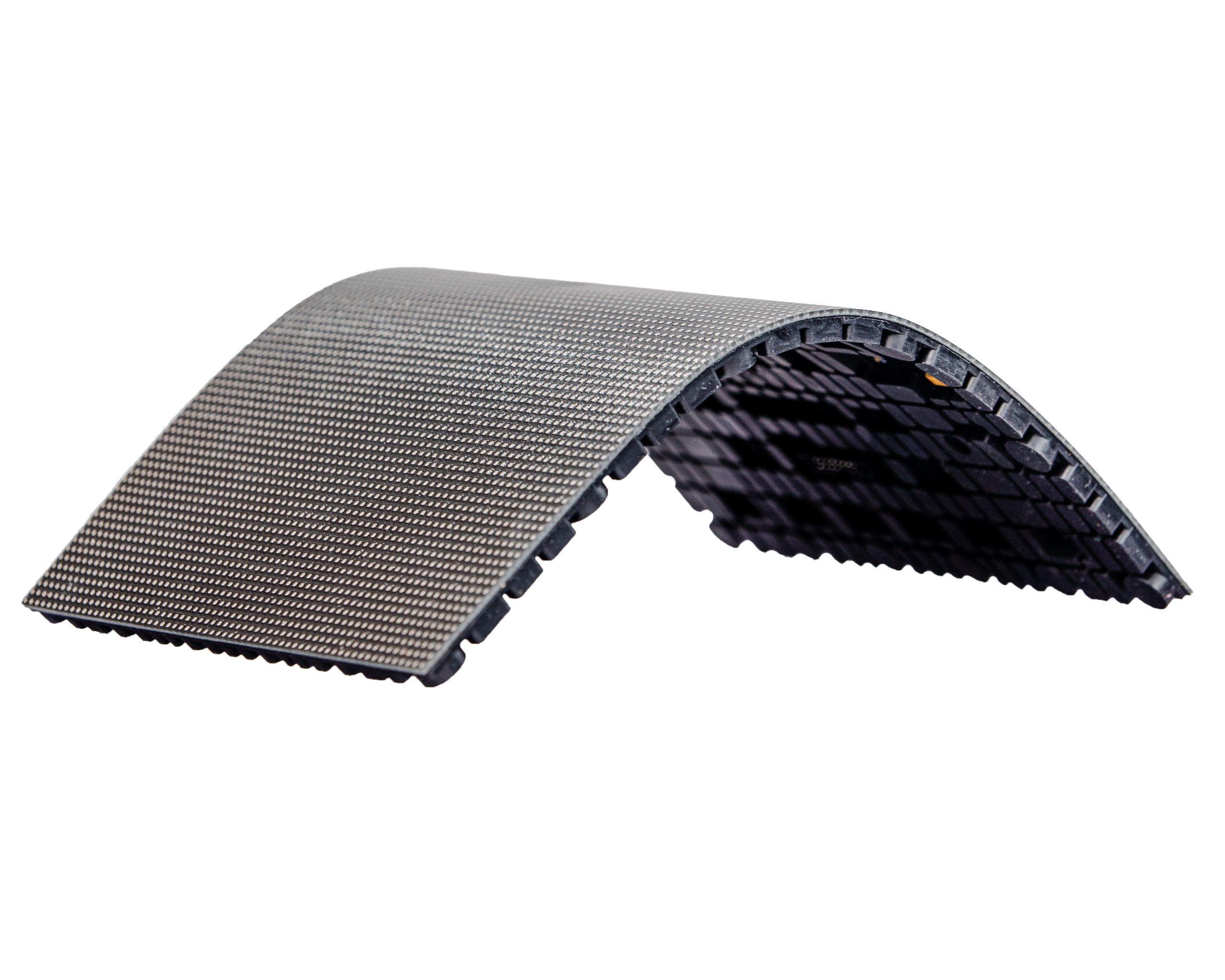
One notable trend is the increasing use of flexible PCBs. They offer unmatched versatility, allowing designs that were once impossible. Flexible circuits can bend and shape, making them essential in portable electronics. This innovation could also lead to waste reduction. However, the production process can be costly and requires careful consideration of material selection.
Another area of focus is sustainability. Many manufacturers are exploring eco-friendly materials and processes. The industry faces scrutiny over hazardous substances. A cross-industry report highlighted that around 50% of PCBs contain elements deemed harmful. The challenge remains: balancing performance improvements with environmental responsibility. Manufacturers must continuously innovate, while reflecting on their practices.
Top 10 PCB Manufacturing Technologies
Future Trends in PCB Industry and Manufacturer Adaptation
The PCB industry is rapidly evolving. Manufacturers must adapt to changing technologies and market demands. Many companies are exploring advanced materials, like flexible and printed circuit boards. These innovations offer new possibilities for device design and functionality.
Sustainability is another critical focus. Manufacturers are trying to reduce waste and energy consumption. Some are even experimenting with environmentally friendly materials. However, not all initiatives succeed. There are still significant challenges in adopting green practices at scale.
Automation and artificial intelligence are becoming common in production processes. This increases efficiency but requires skilled workforce adaptation. Not every company is ready for this shift. Training programs need development to close the gap in skills. The industry is at a crossroads, and reflection on these issues is essential for future success.


 House of Worship
 Transportation
 Trade shows led display
 retail
 Creative Led Solutions
 Hospitality
 Higher Education
 Corporate LED