Top 5 Tips for Choosing the Best AC EV Charger?
As the electric vehicle (EV) market continues to expand, the demand for efficient charging solutions rises. The AC EV Charger plays a crucial role in this transition. According to a report by the International Energy Agency, the number of electric cars on the road reached 10 million in 2020, highlighting the need for adequate charging infrastructure. Industry expert Dr. Emma Gorham notes, "Choosing the right AC EV Charger can significantly impact both charging time and efficiency."
Selecting an AC EV Charger involves navigating various technical specifications and features. Many consumers are uncertain about power levels, connector types, and smart charging capabilities. These factors can directly affect the overall performance and convenience of charging. Additionally, while some options appear attractive due to lower costs, they may lack essential functionalities. This discrepancy can lead to frustration in day-to-day use.
It's important to approach the decision with a cautious mindset. Thorough research is essential to avoid common pitfalls. As the industry evolves, understanding your specific charging needs will ensure that you choose an AC EV Charger that meets both current and future requirements.
Understanding Different Types of AC EV Chargers Available on the Market
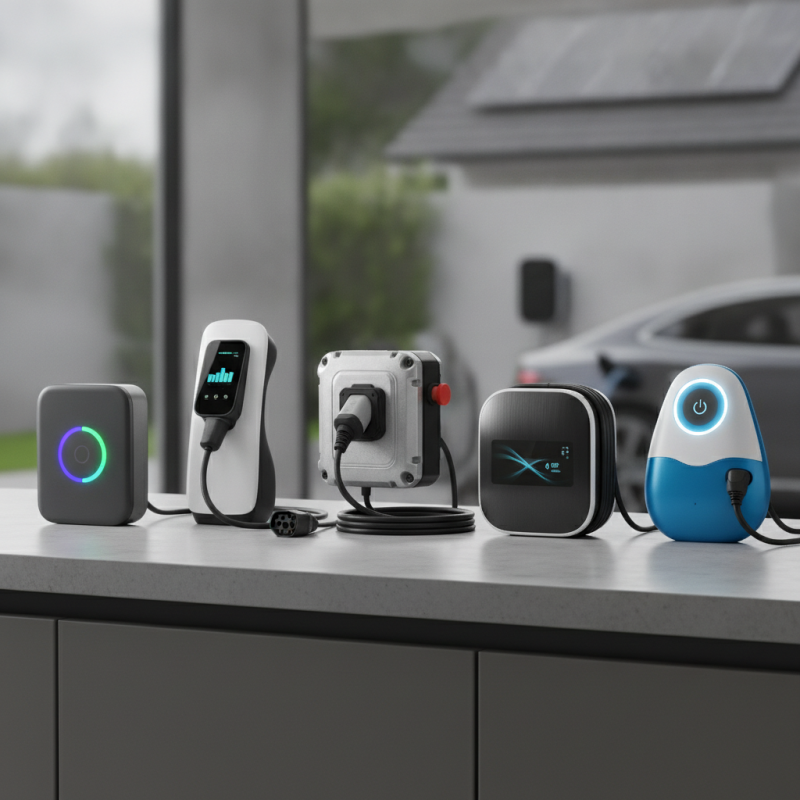
When it comes to choosing the right AC EV charger, understanding the different types available is crucial. There are three main types: Level 1, Level 2, and smart chargers. Level 1 chargers are basic. They use a standard household outlet, making them readily accessible. However, they have slow charging rates, often making them unsuitable for daily commutes.
Level 2 chargers are more popular. They provide faster charging times, suitable for home and commercial use. These chargers typically require a dedicated circuit. They can significantly reduce charge time, making them ideal for users with larger batteries. Many areas have public Level 2 chargers, too, which can be convenient during travel.
Lastly, smart chargers are gaining attention. They come with advanced features, like app control and scheduling. These chargers can optimize energy use, saving you money. However, they may require a higher initial investment. It’s essential to assess your specific needs and choose accordingly. Each type has its pros and cons, highlighting the importance of thoughtful consideration in your decision.
Top 5 Tips for Choosing the Best AC EV Charger
| Feature | Description | Importance (1-5) | Cost Range |
| Charging Speed | Measures how quickly the charger can replenish battery power. | 5 | $300 - $800 |
| Compatibility | Ensures the charger supports various EV models and manufacturers. | 4 | $200 - $600 |
| Installation Requirements | Details about electrical upgrades or permits needed for installation. | 4 | $0 - $1000 (varies greatly) |
| Smart Features | Inclusion of Wi-Fi connectivity, app control, and scheduling options. | 3 | $50 - $200 (additional cost) |
| Safety Standards | Complies with industry standards for safe operation and prevent hazards. | 5 | Included in overall cost |
Evaluating Charging Speed and Compatibility with Your Electric Vehicle
When selecting the right AC EV charger, prioritizing charging speed and compatibility is crucial. Charging speed significantly impacts how quickly you can power up your electric vehicle. The charging rate is typically measured in kilowatts (kW). A higher kW rating means faster charging. Carefully consider your vehicle’s capacity to avoid mismatched expectations. Some EVs may not support rapid charging, which could lead to frustration.
Compatibility with your electric vehicle is equally important. Not all chargers work with every model. Look into the connector types and charging standards your vehicle supports. Ensure the charger you choose matches these specifications. Also, evaluate the charging options at home and on the go. A charger that fits your daily routines enhances convenience.
Lastly, consider the installation process and location. Improper installation could reduce efficiency or even damage your car. Take the time to assess your home’s electrical capacity. It is wise to consult a professional. Sometimes, the most straightforward choices can lead to complications down the line. Balancing between speed and compatibility takes careful thought. Each decision shapes your overall charging experience.
Charging Speed and Compatibility Evaluation for AC EV Chargers
Analyzing Installation Requirements and Location Considerations
When choosing an AC EV charger, installation requirements and location are crucial. Understanding the local electrical infrastructure helps prevent costly upgrades. A 2023 report by the International Energy Agency states that over 50% of EV owners face grid challenges. Proper assessment can avoid delays.
Placement matters. Ensure the charger is easily accessible, especially in multi-car homes. According to EVBox, nearly 40% of users mentioned convenience influences their charging habits. Poorly placed chargers can lead to frustration and infrequent usage.
Always hire certified electricians for installation. This ensures compliance with safety standards. An expert can also evaluate the electrical load capacity, avoiding potential overloads. Regular maintenance is necessary too. Skipped inspections can lead to inefficient charging. Careful consideration guarantees optimal performance and longevity.
Exploring Features and Smart Technologies in AC EV Chargers
When choosing an AC EV charger, understanding the features and smart technologies is crucial. Research indicates that over 70% of electric vehicle owners prefer chargers with smart capabilities. These features can optimize charging times and enhance energy efficiency. They enable users to schedule charging during off-peak hours, which often results in reduced electricity costs.
Moreover, many modern AC EV chargers come equipped with connectivity options like Wi-Fi and Bluetooth. This allows users to monitor charging progress from their smartphones. A study revealed that 65% of users found real-time notifications essential for managing their charging effectively. However, some chargers may have limited compatibility with various EV models. This aspect often requires careful consideration before making a purchase.
It’s also important to assess the installation process. Some chargers mandate professional installation, which can lead to higher upfront costs. Alternatively, user-friendly models might allow DIY installations. Yet, safety concerns should not be overlooked. The Department of Energy notes that improper installations can lead to system failures. Evaluating these factors will ensure you choose an AC EV charger that aligns not just with your needs but also with industry safety standards.
Assessing Cost and Warranty Options for Long-Term Value
When considering an AC EV charger, cost and warranty options are paramount for long-term value. The initial price may seem appealing, but digging deeper is essential. Look beyond the sticker price to understand installation costs and any additional fees. Some chargers may require professional installation, adding to your budget. Evaluating all of these factors is critical.
Warranties vary widely among different chargers. A standard one may cover only parts for a limited time. Better options would extend coverage for five years or more. Reflect on how often you might use the charger. Will you need it daily, or just occasionally? A more expensive charger with a long warranty can save you money long term.
Don't forget to consider reliability. Reviews can provide insights into a product's performance. However, they can also be biased or incomplete. Research multiple sources. Look for real user experiences. This information will help you make a more informed decision. While assessing these options, remember that value is not just about price. It’s about durability and support.


 House of Worship
 Transportation
 Trade shows led display
 retail
 Creative Led Solutions
 Hospitality
 Higher Education
 Corporate LED