2026 Top Trends in LED Screen Hire for Events and Exhibitions?
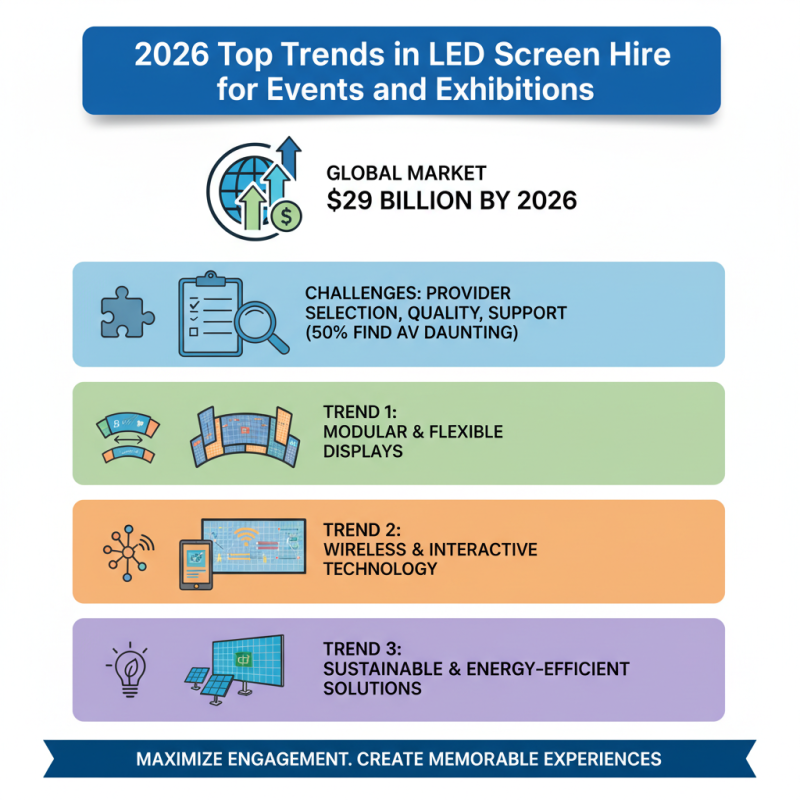
In recent years, the demand for LED screen hire has surged dramatically. According to industry reports, the global LED display market is projected to reach $29 billion by 2026. This rise underscores the importance of LED screens in enhancing the visual experience at events and exhibitions. Their ability to create vibrant imagery and impressive displays can significantly boost engagement and attract attendees.
However, not all LED screen hire companies provide the same level of service. Event organizers often face challenges in choosing the right provider. Factors like screen quality, installation support, and technical expertise can vary greatly. A report from AVIXA indicates that nearly 50% of event planners find audio-visual technology to be a daunting aspect of planning. This highlights the need for careful selection and partnerships with reliable suppliers.
While LED screens offer many advantages, issues such as high costs and logistical constraints can occur. Reflecting on these challenges is essential for maximizing the benefits. With ongoing advancements in technology, understanding the top trends for 2026 is crucial for staying competitive in the event industry. Embracing these trends can lead to a more successful event and create memorable experiences for attendees.
Emerging Technologies Driving LED Screen Innovation in 2026
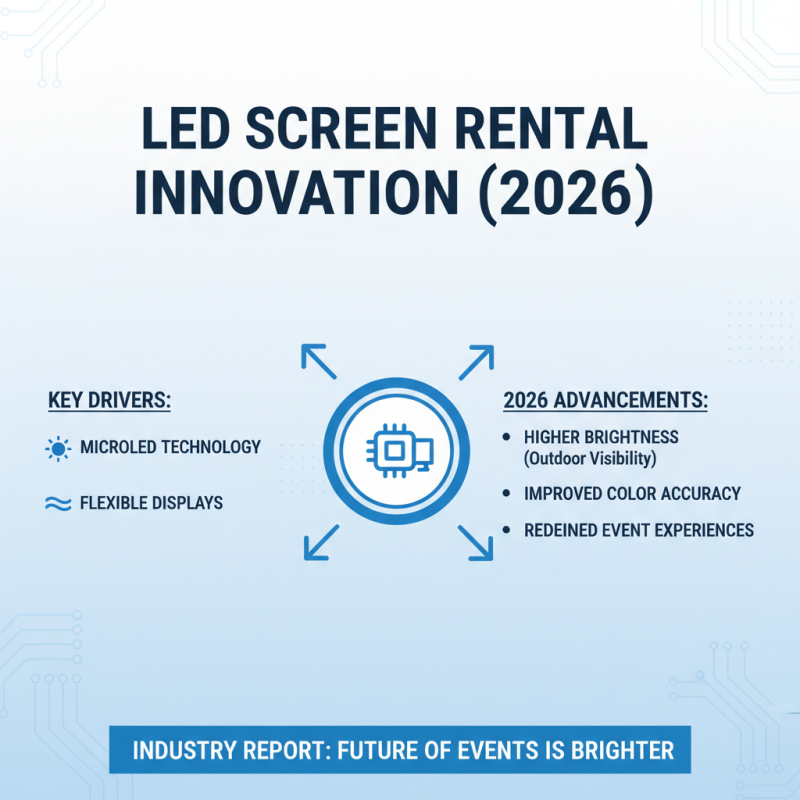
The LED screen rental market is experiencing rapid innovation, driven by emerging technologies. In 2026, advancements like microLED and flexible displays are set to redefine event experiences. According to a recent industry report, microLED technology can deliver higher brightness levels and improved color accuracy. This is crucial for outdoor events, where visibility matters most.
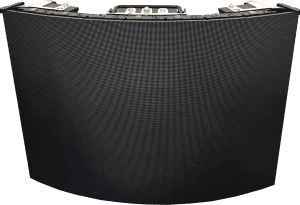
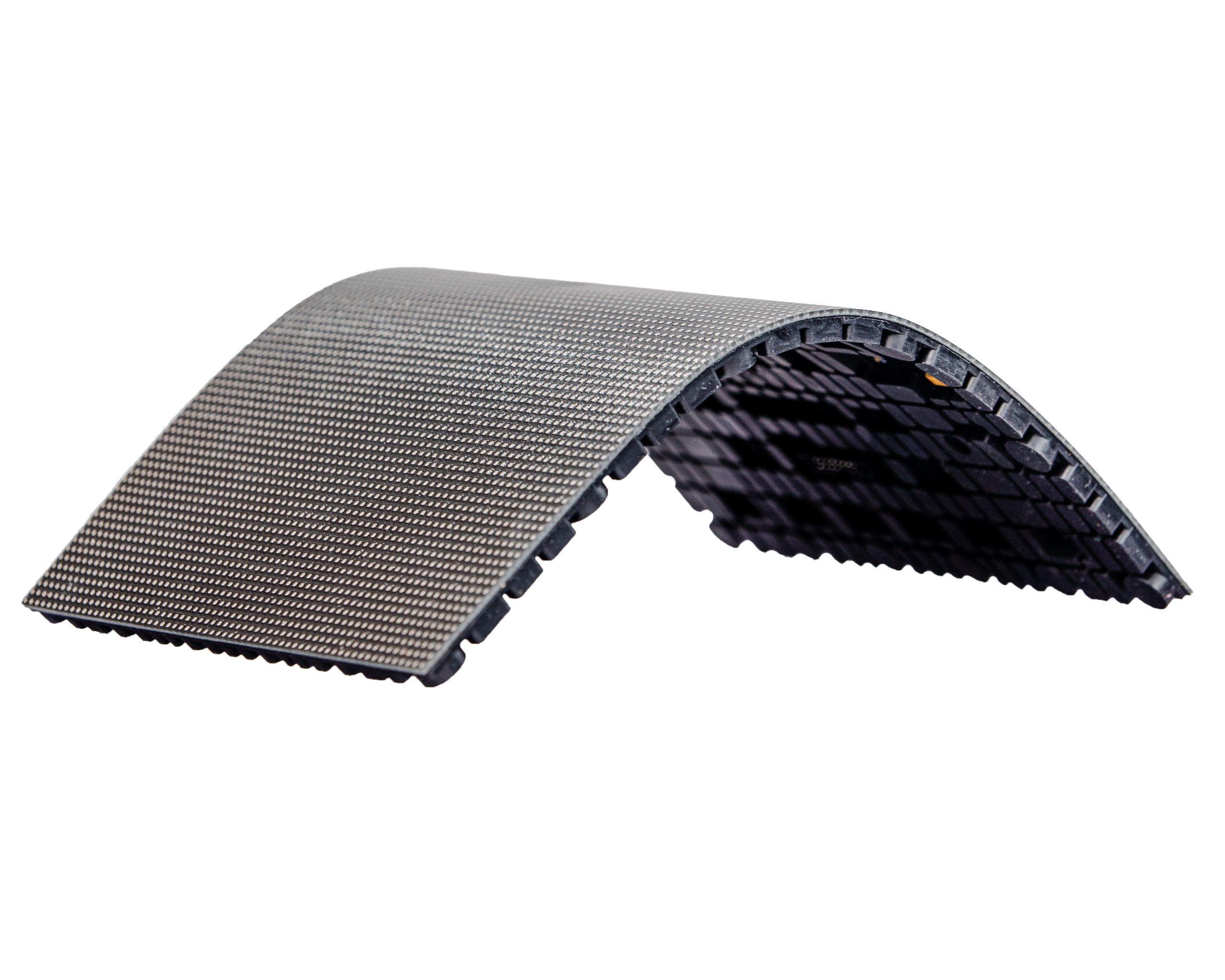
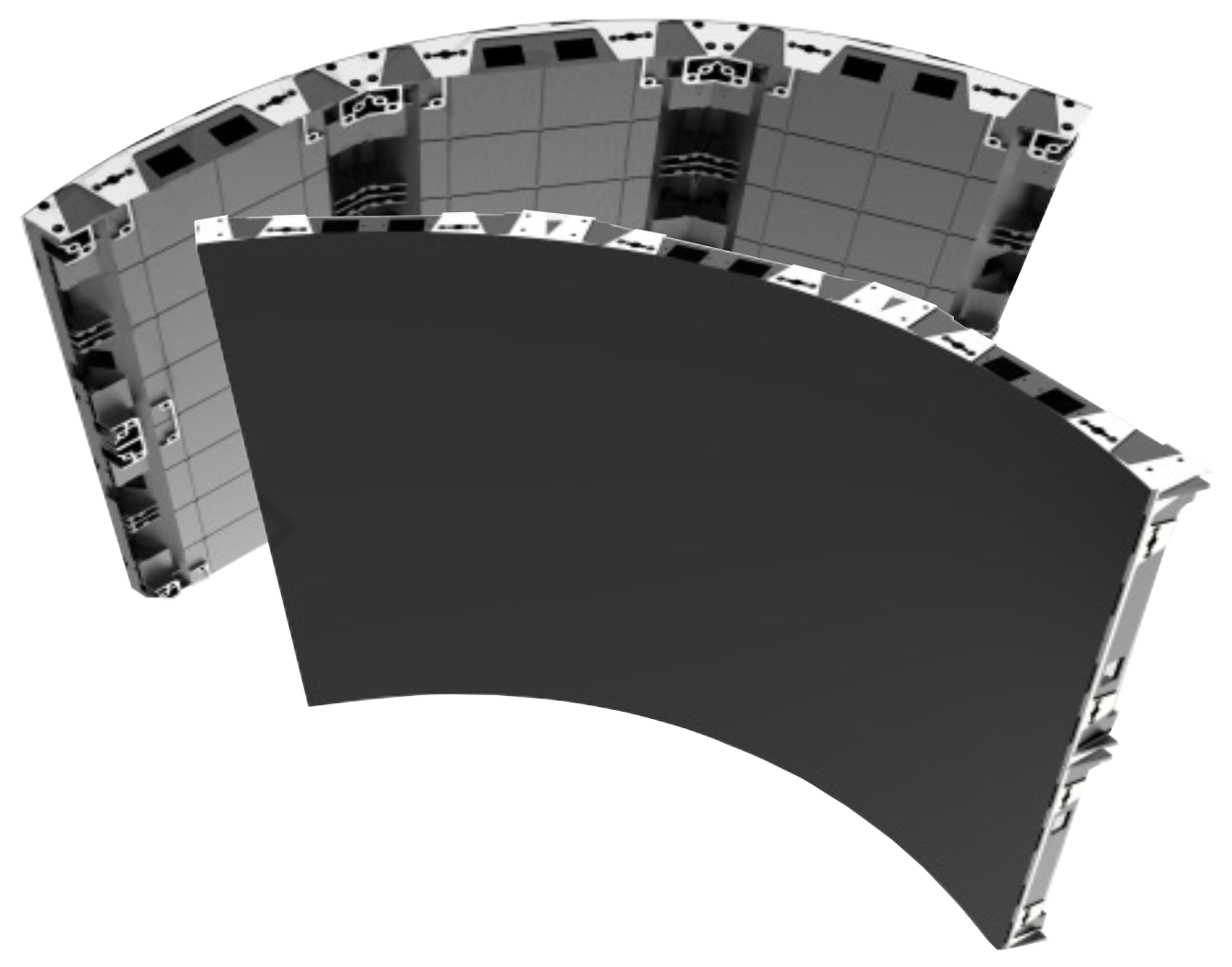
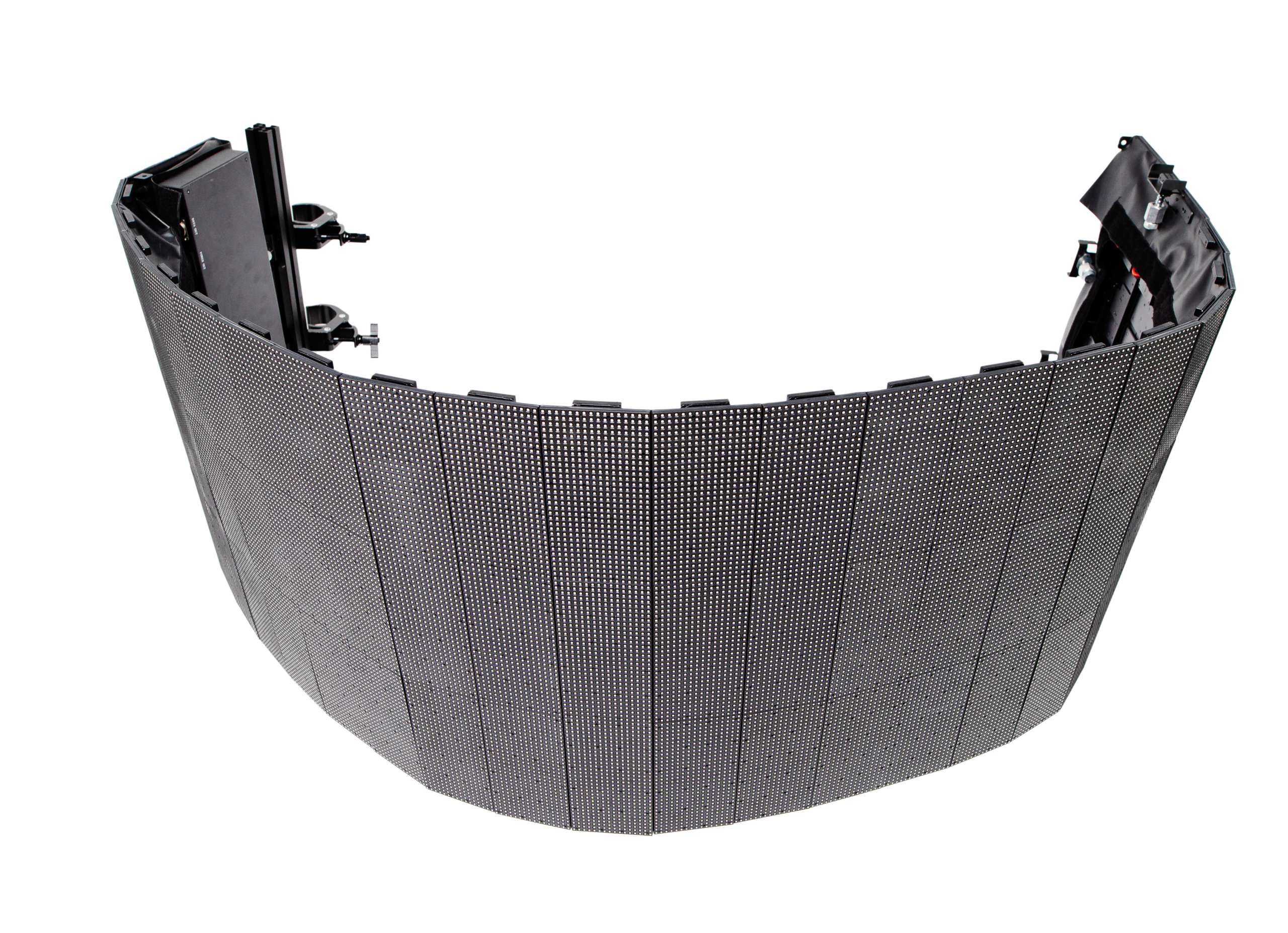
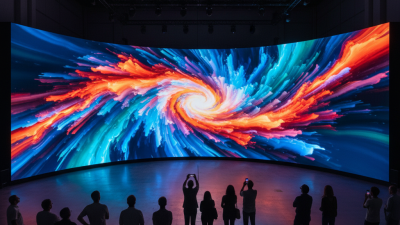
Flexible LED screens are another exciting trend. They allow for creative installations that shape to various environments. Imagine a curved screen showcasing artwork at exhibitions or creating immersive environments at trade shows. However, adaptability brings challenges. Event organizers must learn how to integrate these technologies effectively.
Moreover, the demand for energy-efficient solutions is rising. Data shows that eco-friendly LED screens consume significantly less power, appealing to sustainability-focused clients. Yet, the balance between innovation and practicality remains a concern. The industry must navigate technical limitations while keeping costs reasonable. It's a complex landscape that requires careful consideration and planning.
Sustainability Trends in LED Screen Production and Usage
Sustainability is becoming crucial in LED screen production and usage. Many events are now prioritizing eco-friendly solutions. It’s not just a trend; it’s a responsibility. Manufacturers are exploring better materials. They aim to reduce waste during production. Energy-efficient screens are gaining popularity. These screens consume less power and have longer lifespans.
However, challenges remain. Some display technologies are still not recyclable. The production process for certain screens can have a high carbon footprint. Event organizers may struggle to find suppliers committed to sustainability. Not every solution is perfect, but progress is evident. Many companies are investing in research. They’re focused on reducing environmental impact.
Attendees are becoming more aware, too. They seek out greener events. This demand pressures organizers to make better choices. Incorporating LED screens with sustainable practices can enhance the overall experience. Yet, it requires continuous reflection and improvement across the industry. Sustainability should become the norm, not just an option.
2026 Trends in LED Screen Hire for Events and Exhibitions
Interactive Features Enhancing Audience Engagement at Events
Interactive features are revolutionizing events and exhibitions. These LED screens offer more than just vibrant visuals. They engage the audience in unique ways. Attendees can touch, swipe, and even vote using screens. This interaction creates excitement and drives participation.
Incorporating gamification boosts engagement further. For example, quizzes and live polls can be displayed on LED walls. This not only entertains but also gathers valuable feedback. However, ensuring the technology works seamlessly is crucial. Technical glitches can frustrate attendees.
Tips to enhance interaction include simplifying user interfaces. A complicated setup can deter participation. Consider offering clear instructions on screen usage. Additionally, using eye-catching graphics can attract more viewers. Remember, while interactivity is essential, it's important to stay focused on your event's primary goals.
Customization Options for LED Screens in Diverse Exhibition Spaces
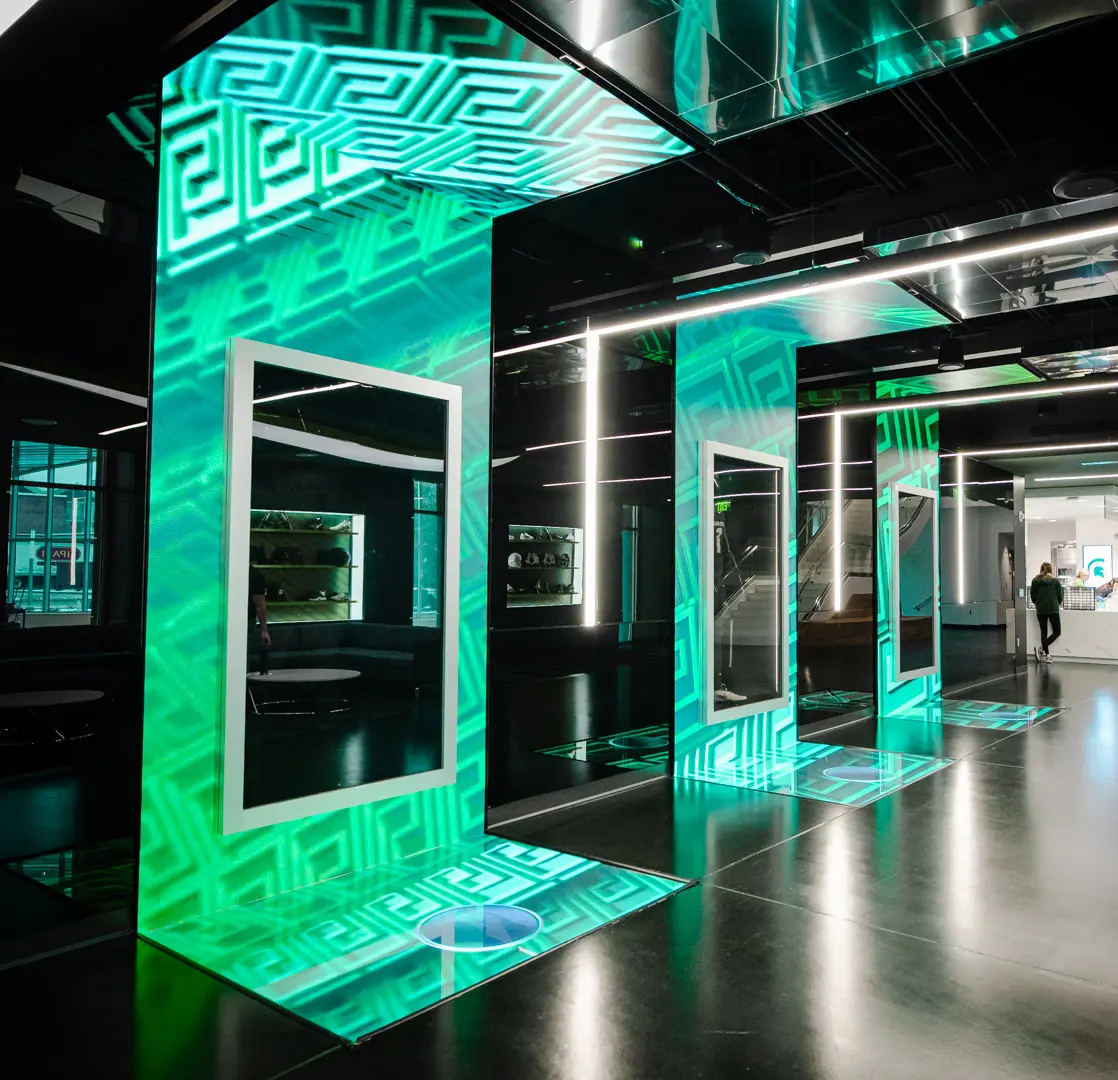
In the evolving landscape of events and exhibitions, LED screen customization stands out. Curved screens, interactive displays, and varying brightness levels can all create unique experiences. Event organizers need to think creatively. Selecting the right resolution is crucial. A high-definition screen can significantly enhance visual storytelling.
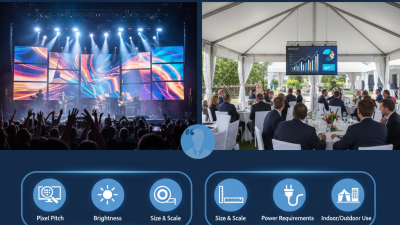
Different exhibition spaces pose distinct challenges. An outdoor event requires brighter screens, while indoor settings may allow for more intricate design layouts. For smaller venues, compact screens can maximize visibility without overpowering the space. Working with various screen sizes enables better alignment with the venue's architecture.
However, achieving the perfect setup isn’t always easy. Technical glitches can arise, leading to frustrating experiences. Customization options can sometimes limit scalability. Organizers often struggle to balance creativity with practicality. Each setup offers a chance to learn and improve for future events. Finding the ideal customization requires ongoing experimentation and reflection.
2026 Top Trends in LED Screen Hire for Events and Exhibitions
| Trend |
Customization Options |
Application Type |
Event Type |
| Interactive LED Screens |
Touch capabilities and gesture recognition |
Exhibitions |
Trade shows |
| Flexible LED Displays |
Custom shapes and sizes |
Events |
Corporate events |
| High-Resolution Displays |
4K and 8K options |
Promotional events |
Product launches |
| Augmented Reality Integration |
AR overlays and enhancements |
Exhibitions |
Interactive shows |
| Eco-Friendly LED Options |
Energy-efficient designs and materials |
Various applications |
Sustainability-focused events |
Future Projections: The Role of AI in LED Screen Hire Services
The integration of AI in LED screen hire services is changing the landscape for events and exhibitions.
AI can analyze event themes and audience preferences. This leads to more tailored and engaging displays. Companies now can predict what types of visuals will resonate most with attendees.
AI’s ability to sift through vast data helps in making these informed decisions.
However, relying solely on AI isn’t without challenges.
Technology may overlook the human touch. Not all creative ideas will fit into algorithmic predictions. Some might find the results too formulaic or lacking in innovation.
Striking a balance between AI efficiency and creative input is crucial for success.
Another crucial aspect is real-time adjustments.
AI can help optimize screen content during events. This allows for quick responses to audience reactions. Yet, constant monitoring is demanding.
Event organizers might struggle to keep up.
As the industry evolves, reflection on these dynamics will be essential. Embracing technology should enhance, not replace, the vibrant human element in event experiences.


 House of Worship
 Transportation
 Trade shows led display
 retail
 Creative Led Solutions
 Hospitality
 Higher Education
 Corporate LED