Top 10 Window and Door Types How to Choose the Best One?
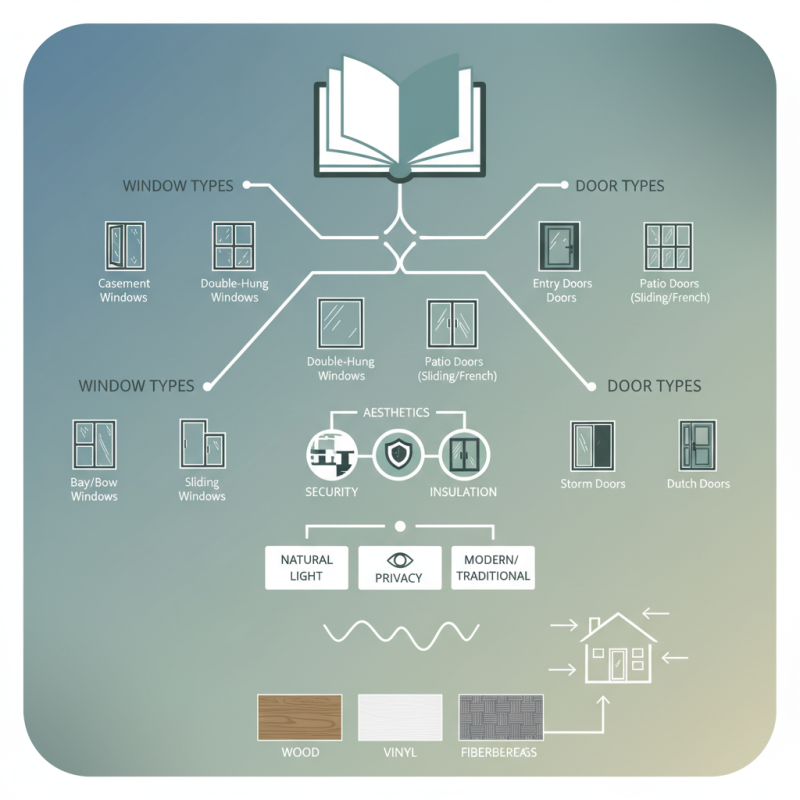
Choosing the right Window & Door type can greatly impact your home. Aesthetics, security, and insulation are all key factors. With so many options available, it's easy to feel overwhelmed by choices. Each style serves a unique purpose, from enhancing curb appeal to improving energy efficiency.
When selecting window & door types, consider your personal needs. Do you prioritize natural light or privacy? Are you drawn to modern designs or traditional looks? These preferences shape your decision. Remember to evaluate materials, as they influence durability and maintenance. Wood, vinyl, and fiberglass all have distinct advantages.
Additionally, reflect on how each window & door type interacts with your home's architecture. Mismatched styles can create a disjointed look. Not every choice will fit seamlessly. It's worth taking the time to explore various options. Ultimately, the right selection should blend function with your style.
Types of Windows: Exploration of Common Styles and Materials
Windows are a crucial part of any home. They come in various styles and materials, each with unique features. Understanding these differences helps in making an informed choice. Common types include double-hung, casement, and sliding windows. Each style has its own benefits.
Double-hung windows are classic and versatile. They allow for ventilation by opening from both the top and bottom. Casement windows offer a clear view and great airflow. They swing open, providing a seamless outdoor connection. Sliding windows are practical. They save space and are easy to operate, but can be challenging to clean.
Materials also play a vital role. Vinyl windows are affordable and low-maintenance. Wood provides natural beauty but requires regular upkeep. Aluminum is durable but can conduct heat. Each material has strengths and weaknesses.
An informed choice balances aesthetics, functionality, and maintenance. It's essential to reflect on which factors matter most to you before making a decision.
Understanding Different Door Types: A Comprehensive Overview
When choosing the right door for your home, understanding the different types available is essential. Each design serves unique functions and can greatly impact your living space's aesthetics. Wooden doors offer natural warmth and elegance. However, they require regular maintenance to prevent warping. On the other hand, fiberglass doors provide durability and resistance to harsh weather. They can mimic wood but may lack the same charm.
Sliding doors are perfect for maximizing space and creating an open feeling. They easily fit into tight areas but need tracks and rollers that can wear over time. French doors add a classic touch and allow for ample light. They can, however, be cumbersome if not installed correctly. Security should also be a top priority. Some doors, like reinforced steel options, provide peace of mind but may look stark compared to wooden designs.
It's crucial to also think of energy efficiency. This factor can lead to reduced bills over time. But sometimes, people overlook proper insulation when choosing a door. It's necessary to consider your specific needs. What works well for one home might not fit another. Reflecting on personal preferences and lifestyle will help you choose the best type for your space.
Top 10 Window and Door Types How to Choose the Best One?
| Type | Material | Energy Efficiency | Cost | Best For |
| Double-Hung Window | Vinyl, Wood, Aluminum | High | $300 - $800 | Traditional homes |
| Casement Window | Vinyl, Wood | Very High | $250 - $700 | Modern designs |
| Sliding Window | Vinyl, Aluminum | Moderate | $200 - $600 | Small spaces |
| French Door | Wood, Fiberglass, Vinyl | High | $500 - $2000 | Elegant entrances |
| Sliding Glass Door | Vinyl, Aluminum | Moderate | $400 - $1500 | Patios and decks |
| Bi-Fold Door | Aluminum, Wood | High | $1000 - $3000 | Open concept spaces |
| Awning Window | Vinyl, Aluminum | Very High | $300 - $750 | Rainy climates |
| Picture Window | Vinyl, Wood | Moderate | $250 - $800 | Views and light |
| Hinged Door | Wood, Steel | Moderate | $400 - $1200 | Traditional entrances |
| Storm Door | Aluminum, Glass | High | $150 - $500 | Extra protection |
Key Factors to Consider When Choosing Windows for Your Home
When choosing windows for your home, consider energy efficiency. Single-pane windows often lead to higher energy bills. Double or triple-glazed options trap air, providing better insulation. Think about your climate. Colder regions benefit greatly from energy-efficient models. This is vital for comfort and saving money.
Look at the style and function. Sliding windows offer easy access to fresh air. Casement windows open outward, maximizing ventilation. Think about safety too. Windows with sturdy locks give peace of mind. Don’t forget to examine maintenance needs. Wooden frames can require frequent painting. Vinyl, however, often needs less upkeep.
Consider the view and natural light. Large picture windows invite the outdoors in. Smaller windows may not brighten a room as effectively. Reflect on how much noise you want to block. If you live near a busy street, soundproof windows may be necessary. Ultimately, your choice should reflect comfort, aesthetics, and practicality.
The Importance of Energy Efficiency in Window and Door Selection
Choosing the right windows and doors can significantly impact energy efficiency in your home. Energy-efficient windows can reduce heat loss by up to 40% in winter. Similarly, in summer, they can minimize heat gain, lowering air conditioning costs. A study by the U.S. Department of Energy highlights that proper insulation around windows and doors can save homeowners between $100 to $500 annually on energy bills.
When selecting windows, consider the U-factor and solar heat gain coefficient. The U-factor measures heat transfer, with lower numbers indicating better insulation. Storm windows can also enhance energy efficiency. According to the Efficient Windows Collaborative, the right combination of glazing and frame materials can provide substantial savings. However, many still overlook these features in their renovation plans.
Don’t forget about door selection, too. Energy Star-rated doors can lower monthly utility bills significantly. Homeowners should prioritize materials that prevent drafts. Fiberglass and insulated steel doors perform better than traditional wood. Yet, many buyers fail to consider these options thoroughly. A quick decision can lead to future regrets when utility bills arrive.
Energy Efficiency Ratings of Different Window and Door Types
Aesthetic vs. Functionality: Balancing Design and Practicality
Choosing the right windows and doors means balancing aesthetics with practicality. Beautiful designs can transform your space. Large, stylish windows offer great views and natural light. However, beauty alone can’t ensure durability. A window that looks stunning may lack energy efficiency.
Functionality is equally important. Consider how often you’ll open your windows. Some styles are more practical for ventilation. A sliding door may work well in tight spaces, while a traditional door might create a grand entrance. Remember, not every trendy design fits your lifestyle.
Evaluate materials, too. Wood may look appealing, but it needs maintenance. On the other hand, vinyl can be more durable but may lack charm. Reflect on what you truly need. Can you sacrifice some aesthetics for better functionality? Striking the right balance requires thought and careful consideration.


 House of Worship
 Transportation
 Trade shows led display
 retail
 Creative Led Solutions
 Hospitality
 Higher Education
 Corporate LED