What is Vfd For Water Pump Benefits and Applications?
In recent years, the introduction of Vfd For Water Pump technology has transformed the way we manage water systems. Variable frequency drives (VFDs) offer enhanced control, efficiency, and adaptability in pumping applications. Many industries, including agriculture, manufacturing, and municipal water supply, have begun integrating VFDs into their operations.
The benefits of using Vfd For Water Pump systems are significant. They improve energy efficiency by adjusting pump speed according to demand. This results in reduced operational costs and minimizes wear on equipment. However, users must also consider potential drawbacks. For instance, the initial investment in VFD technology may be high for some businesses. Additionally, training staff to operate and maintain these systems adds an extra layer of complexity.
The applications of Vfd For Water Pump systems are broad. They can optimize irrigation systems, enhance wastewater treatment processes, and boost the efficiency of industrial water supply lines. With the continual evolution of technology, understanding the full impact of VFDs on water pumping is essential. Ongoing education and adaptation will ensure that organizations can leverage these advancements effectively.
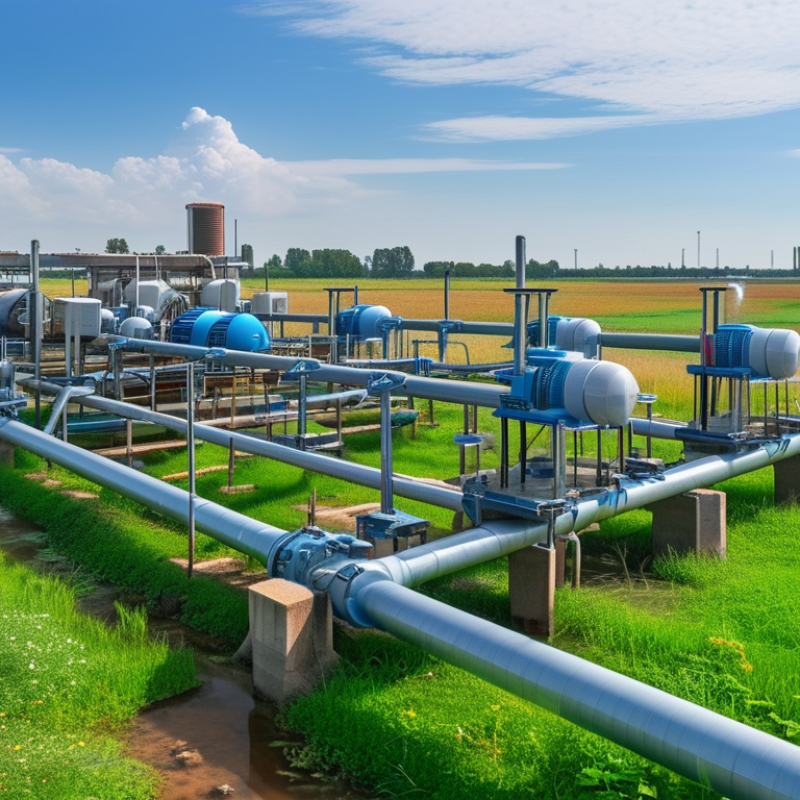
What is a VFD and How Does It Function in Water Pumps?
A Variable Frequency Drive (VFD) is essential for modern water pump systems. It adjusts the motor speed based on demand. This capability enhances efficiency, reducing energy costs significantly. Water pumps often operate under varying conditions, requiring flexibility. A VFD allows pumps to adapt quickly to changes in flow rates and pressure. This responsiveness can prolong the pump's lifespan, minimizing wear and tear.
The function of a VFD in water pumps is straightforward yet effective. The drive converts electrical energy to control motor speed. It utilizes methods like pulse-width modulation for smooth operation. This enhances precision in maintaining desired flow levels. By making real-time adjustments, VFDs can lead to improved system stability. However, integrating a VFD might pose challenges. Incorrect settings can lead to inefficiencies or operational issues. Regular monitoring and maintenance are crucial for optimal performance.
In addition, VFDs can contribute to reducing water hammer effects. This is vital in preventing damage to pipelines. However, not all applications will benefit equally from a VFD. Evaluate the specific needs carefully before implementation. Understanding both the advantages and limitations of VFDs is key. This thoughtful approach ensures that water pump systems function optimally over time.
Key Benefits of Using VFDs in Water Pump Applications
VFDs, or Variable Frequency Drives, play a vital role in optimizing water pump operations. They adjust the pump's motor speed based on demand. This leads to substantial energy savings, making systems more efficient. For instance, when water demand is low, a VFD reduces the pump speed, cutting energy use.
Beyond energy savings, VFDs prolong equipment life. By minimizing mechanical stress, pumps run smoother and require less maintenance. Implementing VFDs can significantly reduce wear and tear. Water transport systems, from residential to industrial, can benefit greatly.
Tips:
Always consult with a professional before retrofitting existing pumps with VFDs. Check compatibility with your current system to ensure optimal performance. Monitoring energy consumption post-installation can help track improvements and identify areas for further optimization.
Energy Efficiency Statistics for VFD-controlled Water Pumps
Variable Frequency Drives (VFDs) are increasingly valued for their role in enhancing energy efficiency in water pumps. Recent studies indicate that VFD-controlled water pumps can achieve energy savings of up to 50% compared to traditional systems. This is due to their ability to adjust motor speed to meet varying demand, reducing wasted energy during low-load conditions. Such efficiency is vital in large-scale water management systems, where operational costs can significantly impact budgets.
Data from industry reports show that VFD installation often leads to a rapid return on investment. Over a five-year period, organizations report savings in electrical costs of approximately 30% on average. Moreover, the use of VFDs can extend equipment life by reducing the mechanical stress associated with frequent start-stop cycles. However, integrating VFDs requires careful planning and consideration. Users may encounter challenges in installation and compatibility with existing systems. Data analysis on system performance is crucial to optimize VFD settings for desired outcomes.
The shift to VFD-controlled pumps aligns with global energy reduction goals. Yet, some sectors remain hesitant to adopt this technology due to upfront costs and the complexity of installation. It is important to address these concerns through better education and case studies demonstrating successful applications. Enhanced understanding of VFD benefits can lead to wider adoption, ultimately supporting sustainability initiatives in water management.
Common Applications of VFDs in Municipal and Industrial Water Systems
Variable Frequency Drives (VFDs) have become integral in municipal and industrial water systems. They optimize pump performance, allowing for precise water flow control. This is particularly important in applications where demand fluctuates, such as in city water supplies or wastewater treatment.
In municipal settings, VFDs are used in water distribution networks. They help maintain consistent pressure, ensuring all areas receive adequate water. Additionally, they can reduce energy costs by matching the pump speed to the actual demand. This flexibility leads to longer equipment life and minimizes wear and tear.
Industrial applications also benefit from VFD technology. Factories often have varying water needs for processes such as cooling, washing, or chemical mixing. VFDs allow for efficient adjustments, which can prevent water waste and lower operational costs. However, some users may struggle with integrating VFDs into existing systems. There are considerations like compatibility and training staff on new controls. The transition can be challenging but is essential for modern water management.
Future Trends and Innovations in VFD Technology for Water Pumping
As the demand for efficient water management grows, Variable Frequency Drives (VFDs) are evolving rapidly. VFD technology allows pumps to operate at variable speeds, optimizing energy use. A report by the U.S. Department of Energy estimates that implementing VFDs can lead to energy savings of 20-50% in water pumping systems. These savings not only reduce operational costs but also lower environmental impact.
Future trends indicate a shift towards smarter VFD systems. Integration with IoT technology will enable real-time monitoring and predictive maintenance. This can enhance reliability, decrease downtime, and extend equipment lifespan. The global market for smart pumps, which include VFDs, is projected to reach $6.5 billion by 2025, according to a recent market research report. However, there are challenges. Not all systems are compatible with the latest VFD innovations, leading to potential inefficiencies.
Furthermore, the evolution of VFD technology prompts a need for ongoing training and adaptation among professionals. The complexity of advanced systems may overwhelm some operators. Balancing innovation with proper training will be essential for maximizing benefits. Ensuring staff are equipped with the latest knowledge is as crucial as adopting new technology.


 House of Worship
 Transportation
 Trade shows led display
 retail
 Creative Led Solutions
 Hospitality
 Higher Education
 Corporate LED