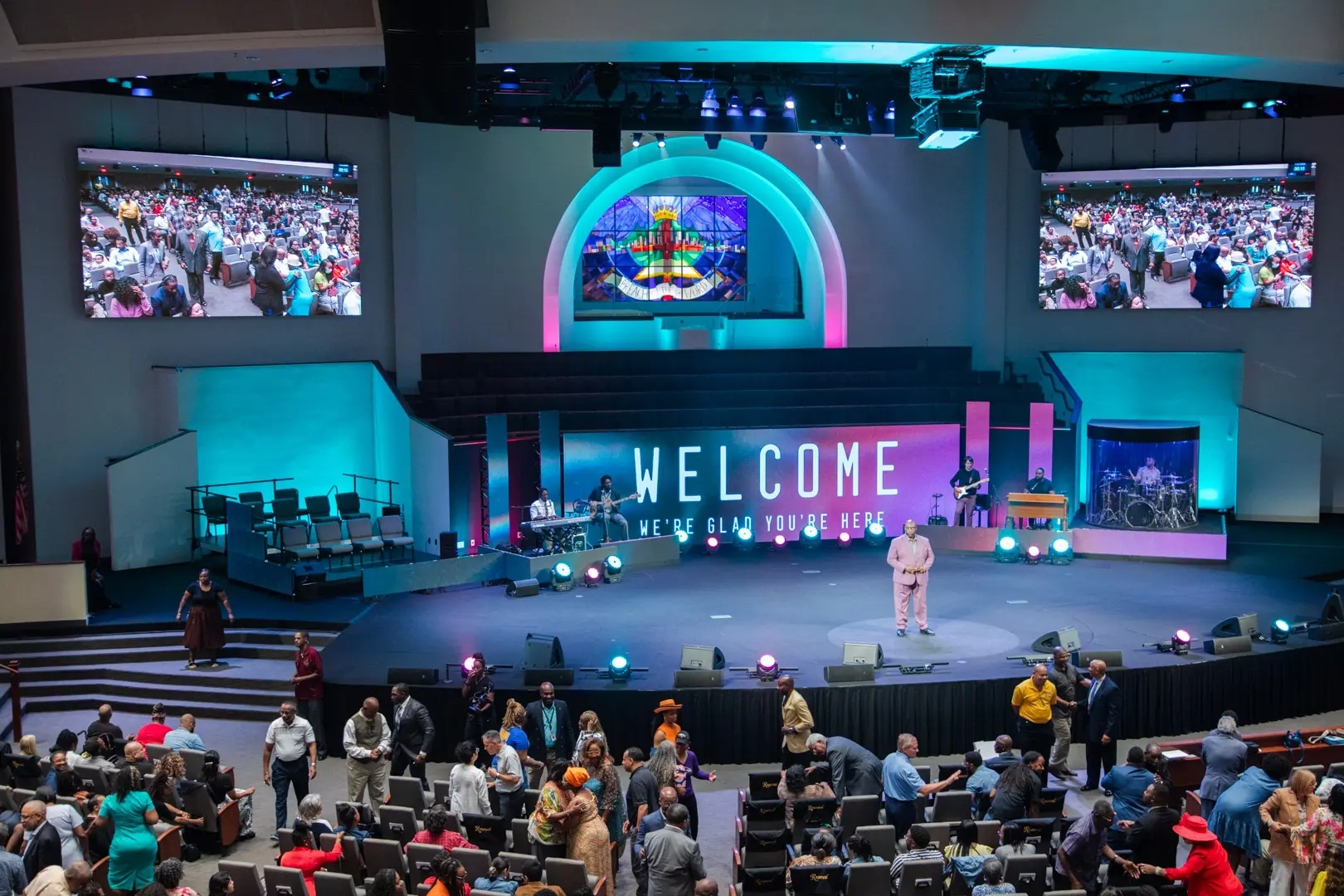
Communicate worship schedules and sermon messages while engaging your congregation with visual technology.
View More
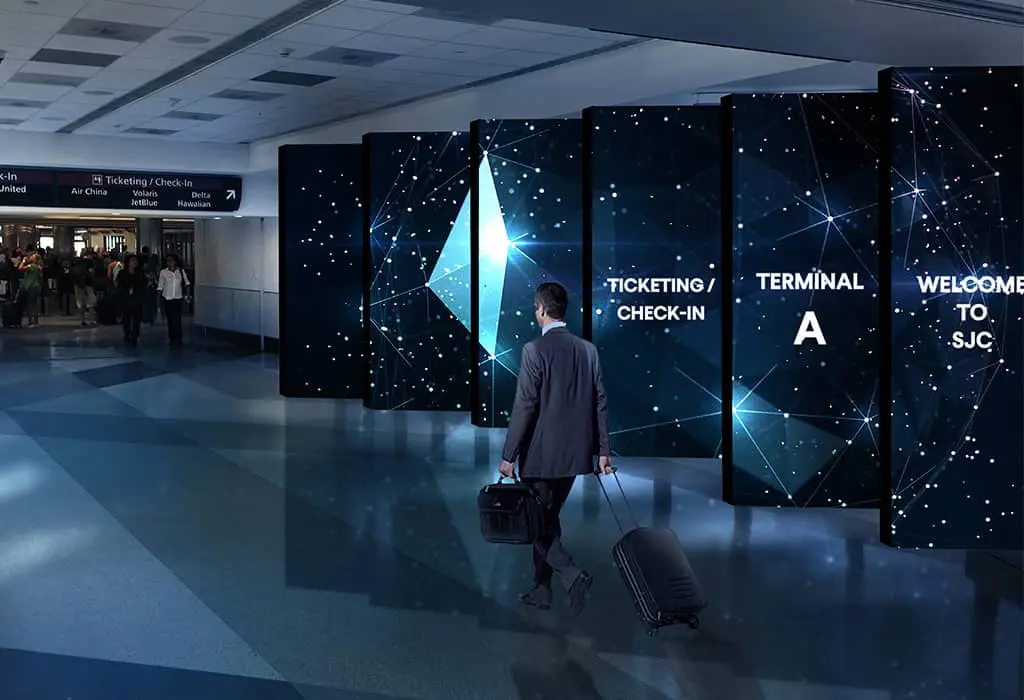
LED displays in transportation settings, such as airports, train stations, and bus terminals, serve as dynamic platforms for real-time information, advertising, and wayfinding, enhancing passenger experience with clear, up-to-date travel details and announcements.
View More
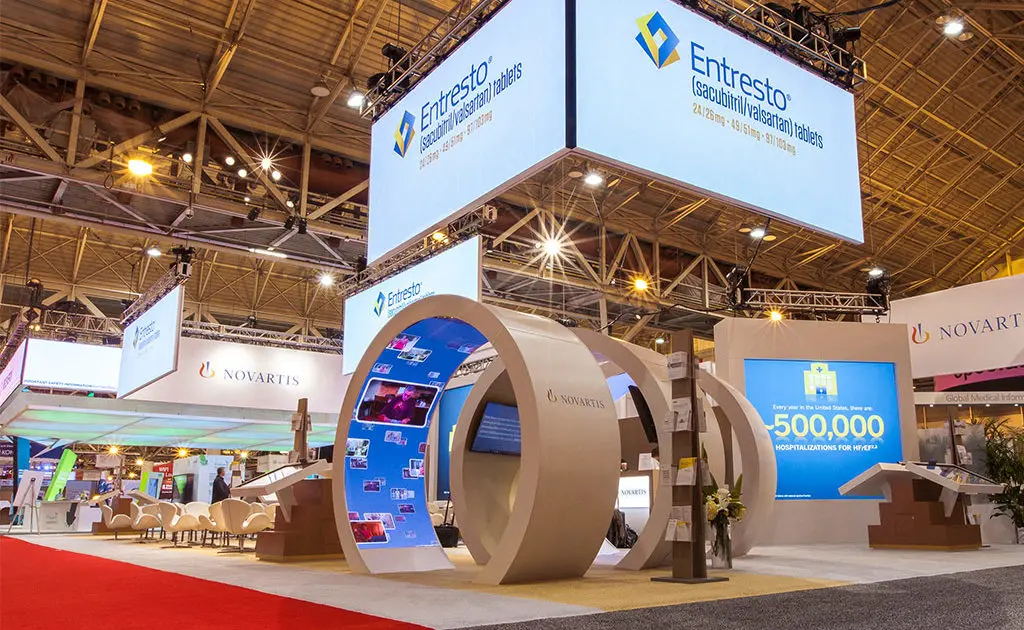
Differentiate yourself from the competition by incorporating a digital experience in your booth with our trade show LED displays.
View More
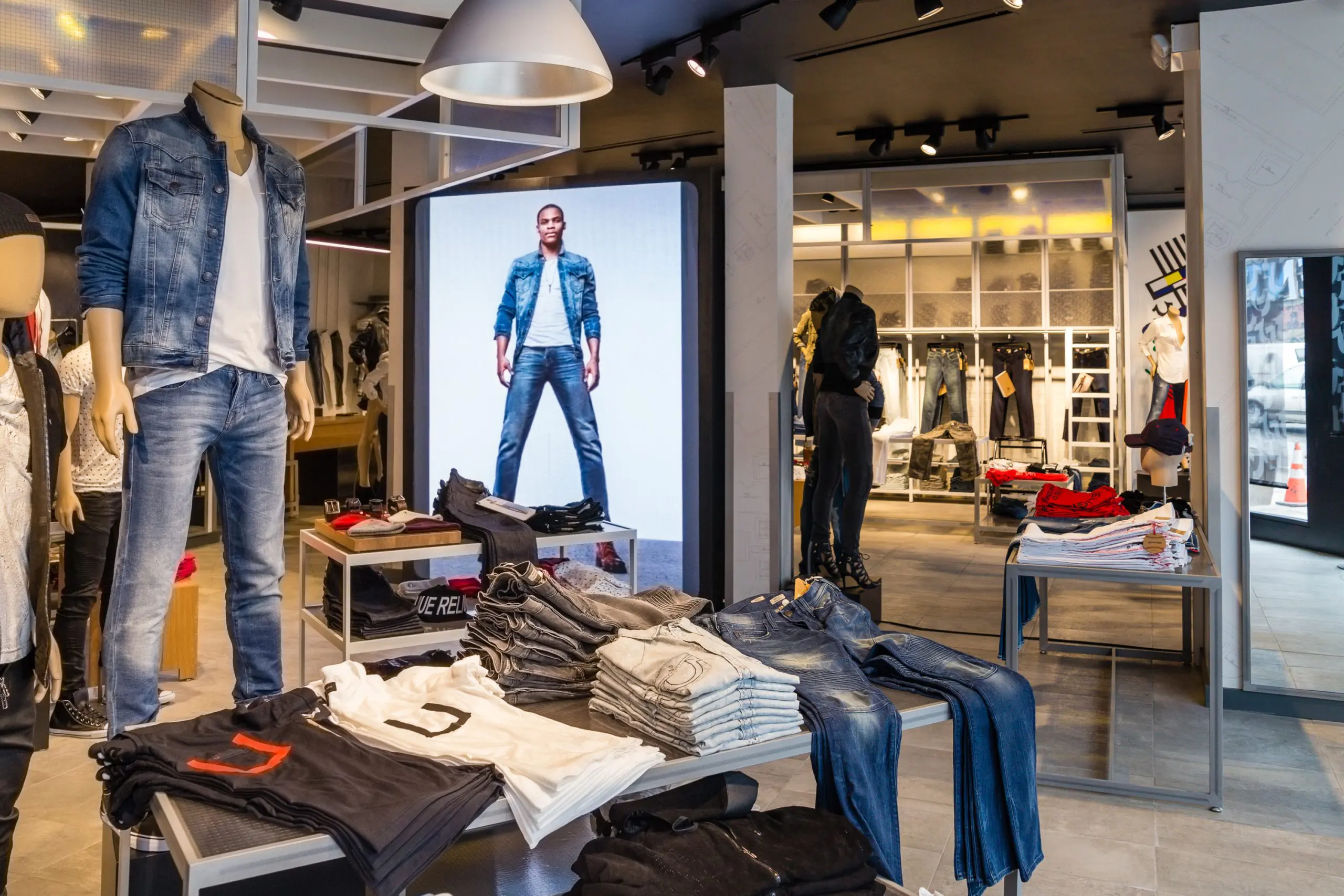
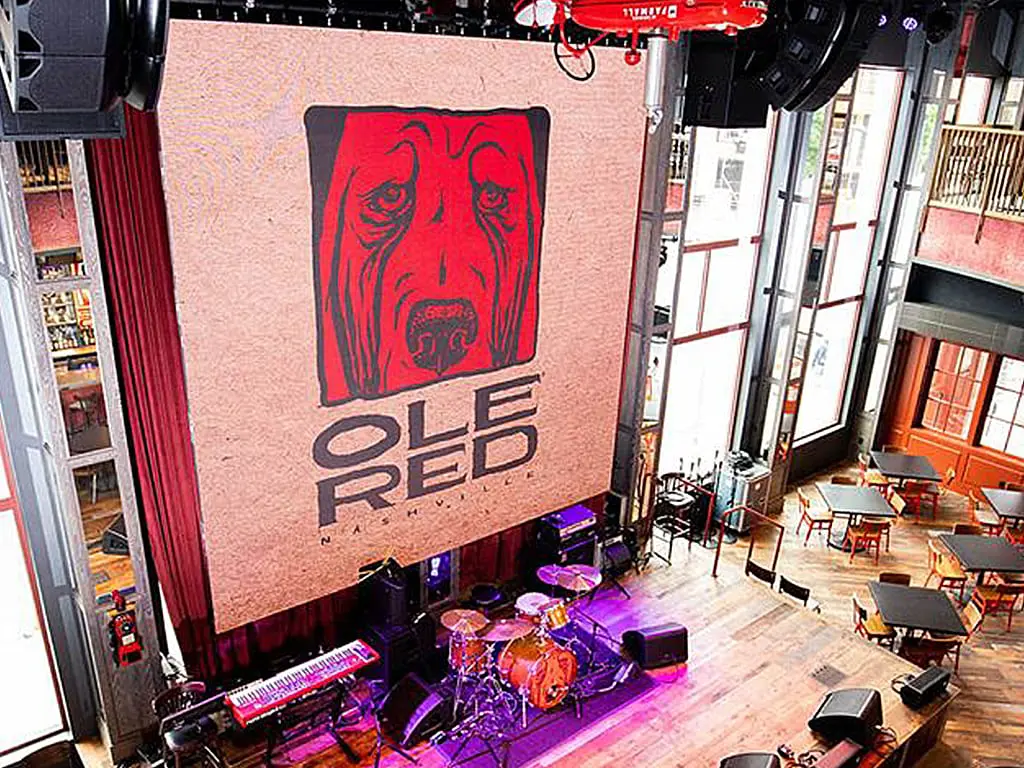
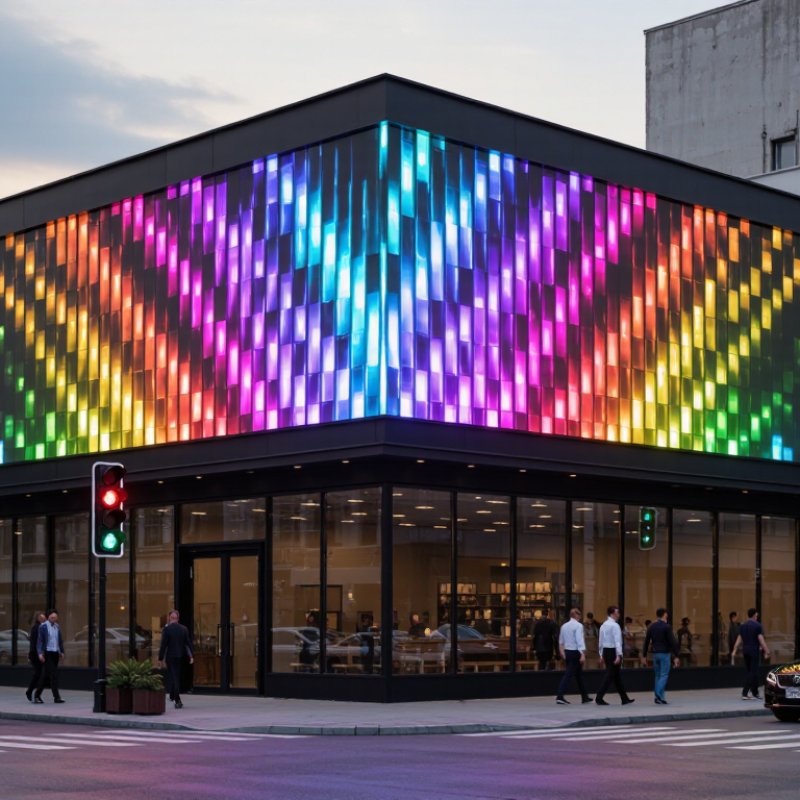
Communicate your brand’s message, stand out from the competition and engage your target market with LED digital signage.
View More
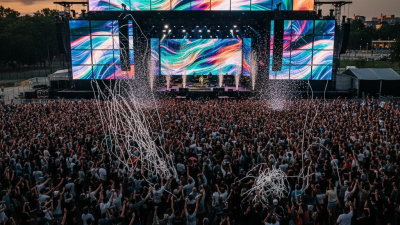
We offer creative solutions at cost-effective rates. You will be able to deliver your sermons more effectively and engage your congregation through one-of-a-kind lyric video walls and house of worship LED displays.
View More
Enhance ambiance, display interactive directories and wayfinding displays, and promote amenities and events to elevate the guest experience.
View More
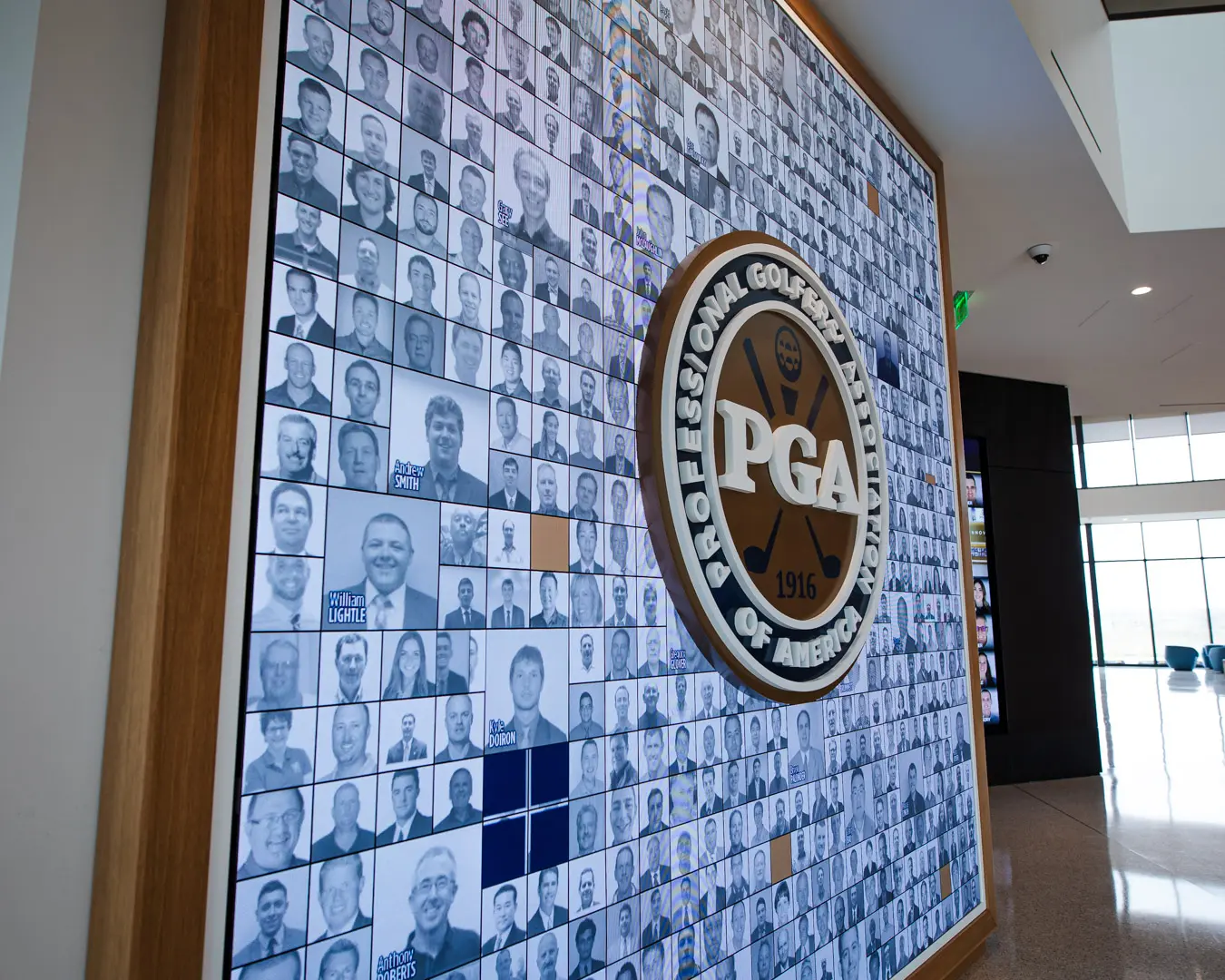
Incorporate digital displays to enhance your students’ learning experience and market to prospective students and donors.
View More
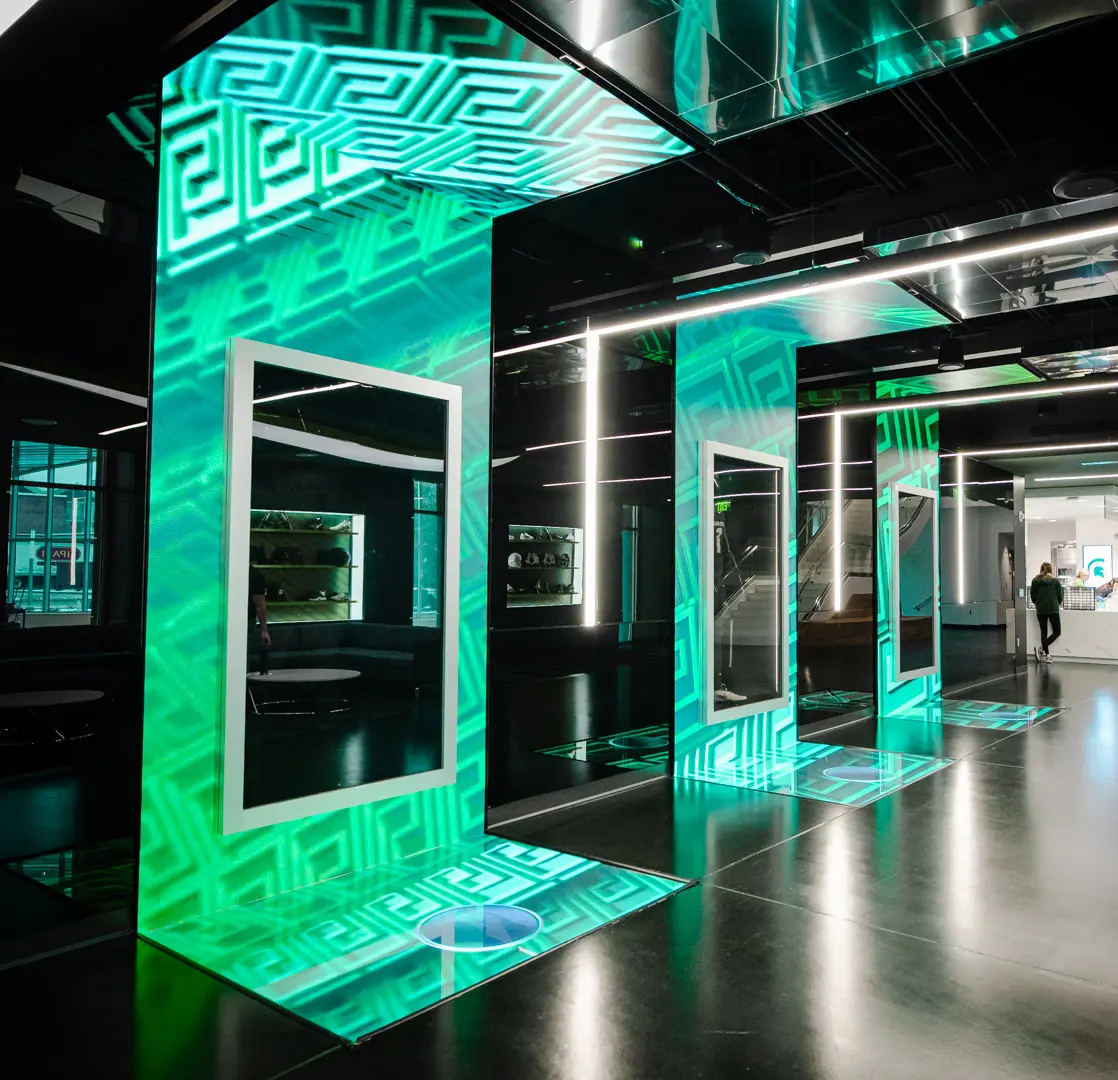
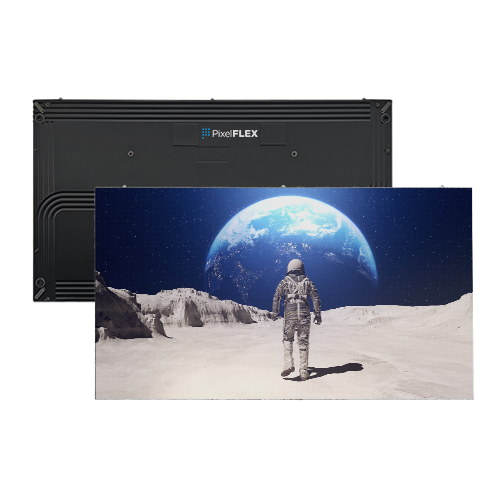
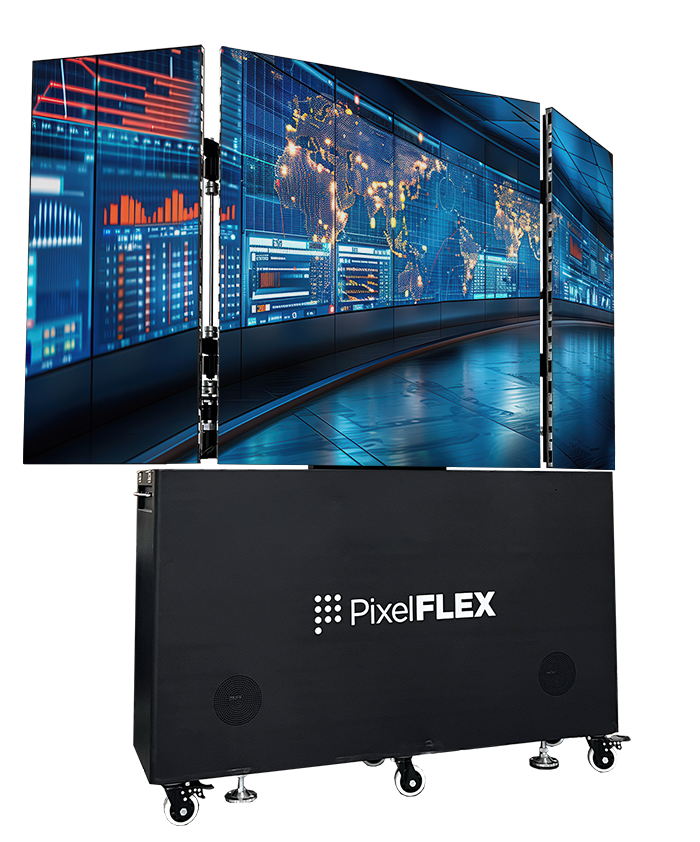
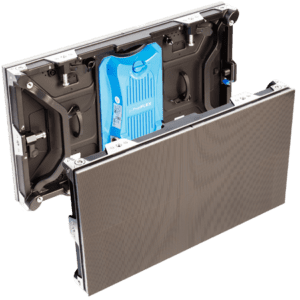
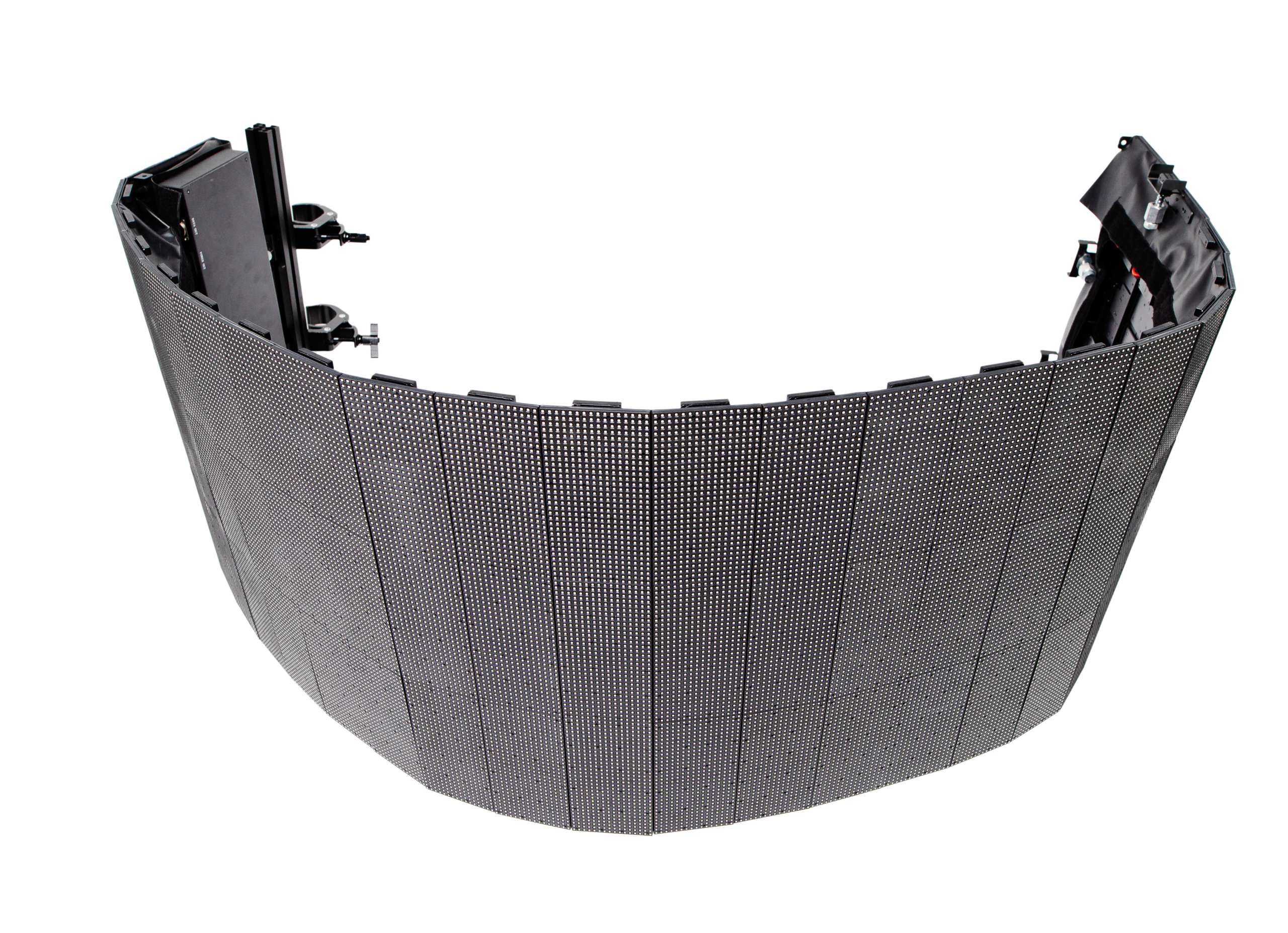
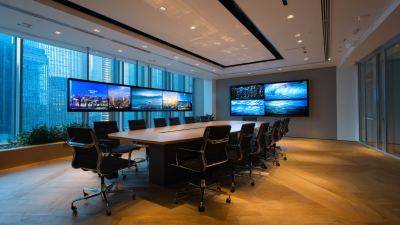
Transform your corporate spaces with PixelFLEX LED video displays. Enhance communication, elevate branding, and create dynamic environments.
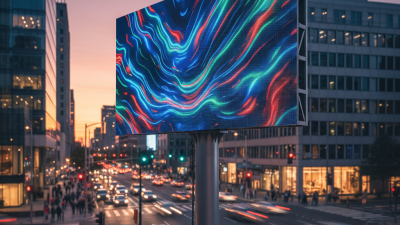
View MoreA storefront has only a few seconds to attract passing customers. Outdoor LED signs can make that moment brighter, clearer, and more memorable. Their adjustable brightness helps businesses remain visible during cloudy afternoons, evening traffic, and seasonal events. Unlike printed banners, these signs can display changing messages without replacing physical materials. That flexibility may support promotions, opening hours, directions, or community announcements.
In real business settings, performance depends on more than screen brightness. I have seen effective signs placed near busy entrances, where drivers and pedestrians could read them quickly. Clear lettering, strong contrast, and short messages usually work better than crowded designs. Weather-resistant construction also matters. Rain, dust, heat, and freezing temperatures can challenge low-quality equipment. Professional installation helps protect wiring, mounting points, and the sign’s viewing angle.
They are not magic.
A well-designed display cannot repair poor branding or confusing offers. Business owners should consider local sign rules, accessibility needs, energy use, maintenance access, and neighborhood expectations before purchasing. Independent product specifications, warranty terms, and installer experience deserve careful review. Some displays require more technical attention than expected, especially when software updates or brightness settings are overlooked. This article explores why outdoor led signs may be a practical investment, while also examining their limitations. The goal is a balanced decision based on visibility, durability, operating costs, and genuine customer experience.
Outdoor LED signs are electronic displays built for public-facing spaces. They use light-emitting diodes arranged in small modules called pixels. A controller sends digital instructions to these pixels, creating letters, images, animations, or changing messages. Brightness sensors can adjust the display when daylight fades into evening.
Weather-resistant housing protects the electronics from rain, dust, and temperature changes. However, protection ratings do not remove every risk. Poor installation, blocked ventilation, or loose connections can shorten a sign’s working life. Practical installation experience shows that viewing distance matters too. Large lettering may look clear from the road but crowded up close. Content should be brief, high-contrast, and easy to read within a few seconds. That sounds simple. It is not always.
Tips: Check brightness at midday and after sunset. Use durable mounting hardware. Schedule inspections for cables, seals, and display modules. Keep backup content ready for technical failures. A small spelling error can damage trust quickly, so review every message before publishing. Also, avoid excessive motion near busy roads, where distraction may create safety concerns.
Outdoor LED signs help businesses stay visible in changing conditions. Their bright displays remain readable during daylight, rain, and evening traffic. A clear message can catch attention before a customer reaches the entrance. This matters on busy roads and crowded shopping streets. Visibility creates opportunities.
These signs also offer flexible communication. Staff can update prices, opening hours, promotions, or service notices without printing new materials. Motion and color may guide attention, but excessive animation can distract drivers or weaken the message. Simple layouts often work better. Use large text, strong contrast, and one clear idea per screen.
Energy efficiency is another practical benefit. Modern LED systems can use less power than older illuminated signs, especially with scheduled brightness controls. Proper installation protects the display from moisture, heat, and accidental impact. Maintenance still matters. A damaged pixel, weak connection, or dirty surface can make a professional business look careless. Weather testing and routine inspections support reliable performance. However, an LED sign is not a magic solution. Poor wording, weak placement, or excessive brightness can reduce its value. Businesses should review visibility from real customer viewpoints, not only from the sidewalk. A short nighttime check may reveal problems that daytime planning misses.
Outdoor LED signs can make a business visible after sunset, but choosing the right model requires more than selecting the brightest screen. Start with the viewing distance, traffic speed, and available wall or roadside space. Measure carefully. A sign beside a slow street needs less visual power than one viewed from a moving vehicle. Use character height as a starting guide, not a guarantee, because contrast and viewing angles also affect readability.
Check the sign’s brightness range, pixel pitch, weather protection, and control system. Automatic brightness adjustment helps prevent glare at night and saves energy during quieter hours. For close viewing, a tighter pixel pitch usually produces smoother images. For distant viewing, a wider pitch may reduce cost without harming legibility. Look for a properly certified outdoor enclosure, such as an IP-rated housing, and confirm that electrical installation follows local safety requirements. A qualified installer should review mounting strength, drainage, grounding, and cable protection.
Content planning matters too. Keep messages short, use strong contrast, and avoid crowded graphics. Test the sign from the actual road, not only from a design screen. I have seen attractive layouts become difficult to read in rain or direct sunlight. That mistake is easy to make. Schedule inspections for loose fasteners, blocked vents, damaged modules, and fading colors. Leave room for maintenance access, because a sign that looks perfect on paper can become expensive when every repair requires special equipment.
| Selection Dimension | Recommended Option or Range | Why It Matters Outdoors | Practical Selection Guidance |
|---|---|---|---|
| Visibility Distance | Choose the pixel pitch according to viewing distance | Pixel pitch affects image detail and the minimum comfortable viewing distance. A smaller pitch generally produces sharper close-range content. | For signs viewed from a road or parking lot, a medium or larger pixel pitch is often sufficient. Select a finer pitch when pedestrians or nearby drivers will view the sign at short distances. |
| Typical Pixel Pitch | Approximately 3–10 mm for many outdoor applications | A wider pitch can reduce hardware cost and power consumption, while a tighter pitch can improve text and image detail. | Use the shortest expected viewing distance, content style, and required image clarity as the basis for comparison rather than choosing the smallest pitch automatically. |
| Brightness | Typically about 5,000–10,000 nits for direct-sun outdoor displays | High brightness helps content remain readable under direct sunlight. Excessive brightness at night can create glare and unnecessary energy use. | Prioritize automatic brightness adjustment through a light sensor or scheduled controls so the display can respond to changing daylight conditions. |
| Weather Protection | Commonly IP65 or higher for the front and rear enclosure | The ingress protection rating indicates resistance to dust and water. Outdoor displays must withstand rain, wind-blown particles, and changing weather conditions. | Confirm the rating for the complete installed display, not only individual modules. Check seals, drainage, cable entry points, and enclosure construction. |
| Operating Temperature | Usually around −20°C to 50°C, depending on the design | Temperature extremes can affect electronics, brightness stability, service life, and startup performance. | Compare the sign’s rated operating range with the local climate. In hot areas, verify ventilation or thermal-management provisions; in cold areas, check low-temperature startup specifications. |
| Content Type | Text, graphics, animations, schedules, alerts, or video | LED signs can update content quickly, helping businesses communicate promotions, opening hours, directions, and time-sensitive messages. | For mostly text-based messages, prioritize legibility and viewing distance. For video or detailed graphics, consider pixel pitch, refresh rate, processing capability, and storage requirements. |
| Refresh Rate | At least 1,920 Hz for many outdoor commercial displays | A higher refresh rate can reduce visible flicker and improve camera-recorded footage, especially when the sign appears in video or livestream content. | Ask for the specified refresh rate under the intended operating mode. Confirm compatibility with cameras if the sign will be installed near a roadway, storefront, or event area. |
| Energy Efficiency | Use brightness control, scheduling, and efficient power supplies | Outdoor LED signs consume more power at higher brightness and when displaying large bright areas. Operating costs can vary significantly with usage patterns. | Review maximum and typical power consumption, not only LED efficiency. Automatic dimming and nighttime scheduling can reduce energy use without sacrificing daytime visibility. |
| Viewing Angle | Often approximately 120° horizontal, depending on the LED design | A wider viewing angle helps more people see the message when approaching from different directions. | Match the viewing angle to the road layout, pedestrian flow, mounting height, and sign orientation. A narrow angle may be acceptable when the audience approaches from one direction. |
| Installation Location | Building façade, freestanding pylon, monument sign, or roadside structure | Location affects structural loads, viewing distance, maintenance access, permitted dimensions, and exposure to weather. | Evaluate local sign regulations, setback rules, wind-load requirements, electrical access, foundation needs, and whether service can be performed safely from the ground. |
| Maintenance Access | Front-service or rear-service design based on available clearance | LED modules, power supplies, and control components may require inspection or replacement during the sign’s service life. | Choose front access when the display is mounted close to a wall or in a restricted area. Rear access may be practical for freestanding installations with sufficient working space. |
| Content Management | Wired, Wi-Fi, cellular, or local USB-based updating | Reliable content control enables timely updates and reduces the need for physical access to the sign. | Select the connection method according to site connectivity, security requirements, update frequency, and the number of signs that need centralized management. |
| Safety and Compliance | Comply with local electrical, structural, lighting, and sign regulations | Outdoor signs can affect traffic visibility, public safety, building loads, and electrical safety. | Check permits, luminance limits, animation rules, emergency access, grounding, surge protection, and professional installation requirements before purchase. |
| Budget Planning | Assess total cost of ownership rather than purchase price alone | Project cost can include the display, structure, installation, electrical work, permits, software, maintenance, and energy consumption. | Request a complete quotation that separates equipment, installation, controls, structural work, warranty coverage, and recurring service costs. |
| Best Overall Choice | A weather-rated, automatically dimming LED display matched to viewing distance | This combination balances daytime visibility, nighttime comfort, durability, operating cost, and message flexibility. | Before making a final decision, review a site survey, sample content, brightness settings, structural requirements, warranty terms, and a documented maintenance plan. |
Outdoor LED signs can keep a business visible during evening traffic, poor weather, and seasonal darkness. Their value depends heavily on careful installation, not brightness alone. A site survey should check wall strength, wind exposure, cable routes, drainage, and viewing distance. Mounting hardware must match the building surface. A sign can look impressive while hiding weak support.
Professional installers should protect electrical connections from rain and condensation. They should also leave safe access for future servicing. In practice, monthly inspections help identify dim modules, loose panels, water marks, and damaged cables. Cleaning the display with a soft cloth prevents dust from reducing brightness. Avoid harsh chemicals. Small checks matter. I have seen minor seal damage become a costly repair after one wet season.
Energy use depends on brightness, screen size, operating hours, and control settings. Automatic brightness sensors can reduce output during daylight or quiet hours. Timers can prevent unnecessary overnight operation. A sign running at full power at noon wastes energy. Ask for estimated annual consumption and actual load data. Calculations remain imperfect because weather and traffic patterns change. Measured usage gives owners a more reliable basis for adjustment.
Outdoor LED signs are most useful when customers need timely information from a distance. A storefront can display opening hours, promotions, parking guidance, or a short welcome message. Bright text remains readable during cloudy mornings and busy evenings. In my experience, clear contrast matters more than complicated graphics. Yet brightness can disturb nearby homes or drivers. Local display rules should be checked before installation.
Restaurants can change menu highlights, seasonal offers, and queue instructions without printing new boards. A café might show breakfast service from early morning, then promote cold drinks after lunch. Retail stores use outdoor LED signs to direct shoppers toward entrances, sales areas, or limited-time events. This supports staff, especially during crowded periods. However, crowded animations can make important details difficult to remember. Less can be better.
Schools, clinics, and community centers also benefit from practical messages. They can announce schedules, visitor instructions, weather-related changes, or public activities. Event venues may display entrance information, ticket guidance, and safety reminders. Weather-resistant housing, automatic brightness control, and scheduled content help signs perform reliably outdoors. Maintenance still gets overlooked. Dust, damaged cables, and outdated messages can reduce trust quickly. I have seen attractive signs fail because nobody assigned daily content checks. A durable sign needs responsible operation, not only strong hardware.