Top 10 Types of LED Walls for Buyers

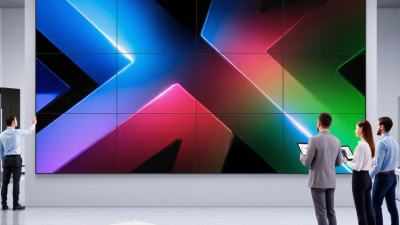
Choosing an led wall is not simply a matter of picking the brightest screen. Buyers must match the display to its setting, audience, and daily workload. A shop window facing afternoon sun needs different brightness from a conference room with controlled lighting. Viewing distance matters, too. Fine-pitch panels can show crisp text up close, while larger-pitch options may suit a stage viewed from across a hall.

The ten types in this guide cover common formats and applications, from indoor video walls to outdoor displays and rental systems. Each brings trade-offs. A modular wall may simplify repairs, yet its cabinets still need careful alignment. A flexible display can fit a curved surface, but the mounting plan deserves extra attention. Small details count.

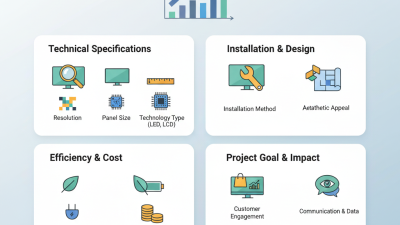
Compare pixel pitch, brightness, refresh rate, cabinet size, power use, and service access before requesting quotes. Ask vendors for product specifications and a demonstration under conditions similar to your venue. Check how content will be managed, who will install the structure, and whether replacement modules are available. These questions are easy to overlook. They can also change the total cost and upkeep.

The categories are useful starting points, not strict boxes. Some products overlap, and marketing terms are not always consistent. A careful buyer should verify each claim against the actual model and project requirements. The right choice is the one that performs reliably where people will see it.

Top 10 Types of LED Walls for Buyers

LED Walls: Core Components and Classification Principles

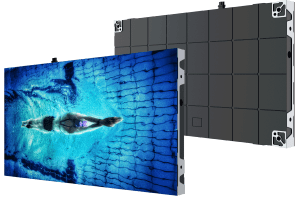
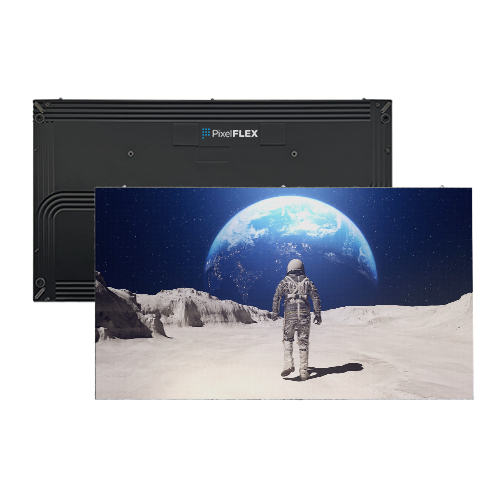
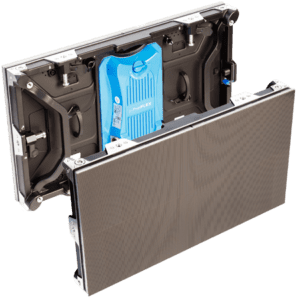
An LED wall is a system, not a single screen. Its visible face is made of LED packages mounted on modules, which fit into cabinets. Driver ICs control brightness and refresh; receiving cards process image data, while power supplies feed each cabinet. The frame, cabling, and calibration software matter too. A loose connector can create a dark strip. Tiny components, big consequences.

Buyers can classify walls by pixel pitch, environment, and installation method. Pixel pitch describes the distance between pixel centers: a tighter pitch generally suits closer viewing, but costs more and may exceed the room’s needs. Indoor panels prioritize close-range image detail; outdoor models need higher brightness and weather-resistant construction. Fixed, rental, and curved systems differ in cabinet weight, connection design, and service access. AVIXA’s 2024 Industry Outlook projected global professional audiovisual revenue of $325 billion in 2029. This broad market figure is not an LED-wall sales forecast, but it shows the scale of the wider AV sector. Classification labels still simplify real trade-offs.

Tips: Check viewing distance, brightness, cabinet access, and power requirements together. Ask for a spare-module plan and a close-up test image. A spec sheet cannot show everything; color matching may still need careful adjustment on site.

Ten Common LED Wall Types and Their Key Differences

Top 10 Types of LED Walls for Buyers
Ten Common LED Wall Types and Their Key Differences

LED walls differ mainly in pixel pitch, brightness, cabinet construction, and intended viewing distance. AVIXA’s 2024 Industry Outlook and Trends Analysis projects global professional audiovisual revenue will reach US$325 billion by 2029. This is a broad market forecast, not an LED-wall sales figure. It does show why buyers should compare specifications, not just screen size. Fine-pitch indoor walls suit close viewing; standard indoor walls work better in larger rooms. Outdoor walls need high brightness and weather-resistant cabinets. Rental and staging walls use lighter panels and fast connections for repeated setup.

Transparent walls preserve some visibility through glass; curved or flexible walls follow shaped surfaces. Floor LED panels need load-rated surfaces and careful maintenance. Broadcast walls prioritize high refresh rates and consistent color for cameras. Sports-perimeter walls need wide viewing angles and impact-resistant protection. Cinema LED walls focus on image uniformity and dark-scene detail. These categories can overlap. A rental panel, for example, might also be used outdoors if its rating allows it. In practice, a label alone is not enough. Ask for measured brightness, pixel pitch, refresh rate, service access, and operating conditions. One detail is easy to miss: the finest pitch may cost more without improving the image from your actual seats.

Top 10 Types of LED Walls for Buyers - Ten Common LED Wall Types and Their Key Differences

LED Wall Type Typical Pixel Pitch Best-Fit Environment Key Advantages Main Buying Considerations
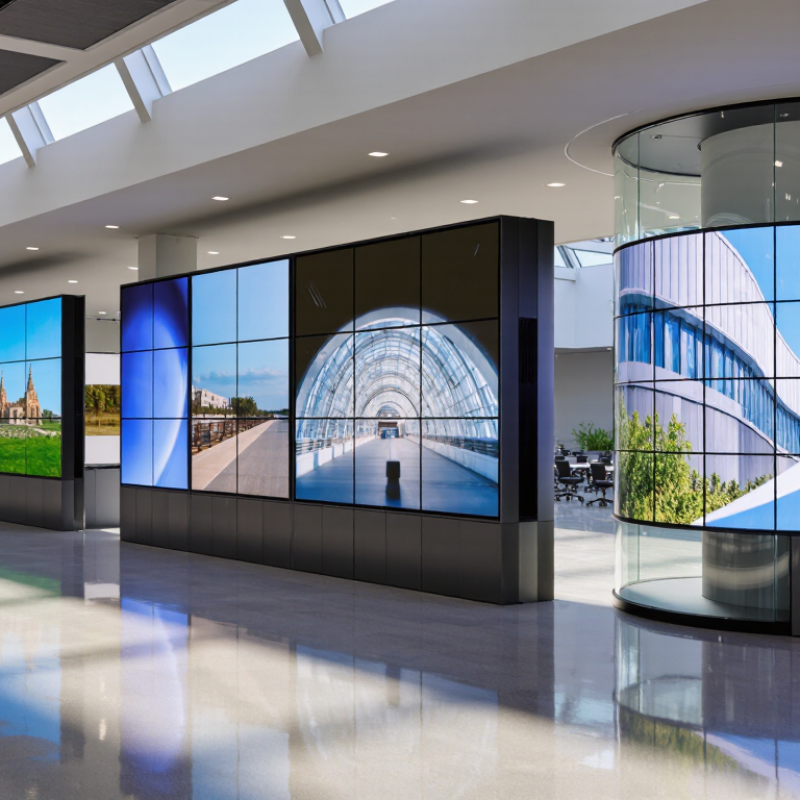
Fine-Pitch Indoor LED About 0.7–1.8 mm Control rooms, broadcast studios, corporate lobbies, and close-viewing spaces Sharp images at short viewing distances; seamless appearance across large screens Higher cost at finer pitches; check service access, calibration, and the intended viewing distance
Standard Indoor LED About 1.9–4 mm Retail, conference venues, auditoriums, and indoor events Versatile option for medium-to-large displays viewed from several metres away Match pixel pitch to audience distance; confirm brightness suits ambient lighting
Fixed Outdoor LED About 3–10 mm Building façades, roadside advertising, stadium exteriors, and public spaces Designed for high ambient light and exposure to outdoor conditions Verify weather protection, operating temperature range, brightness control, and maintenance access
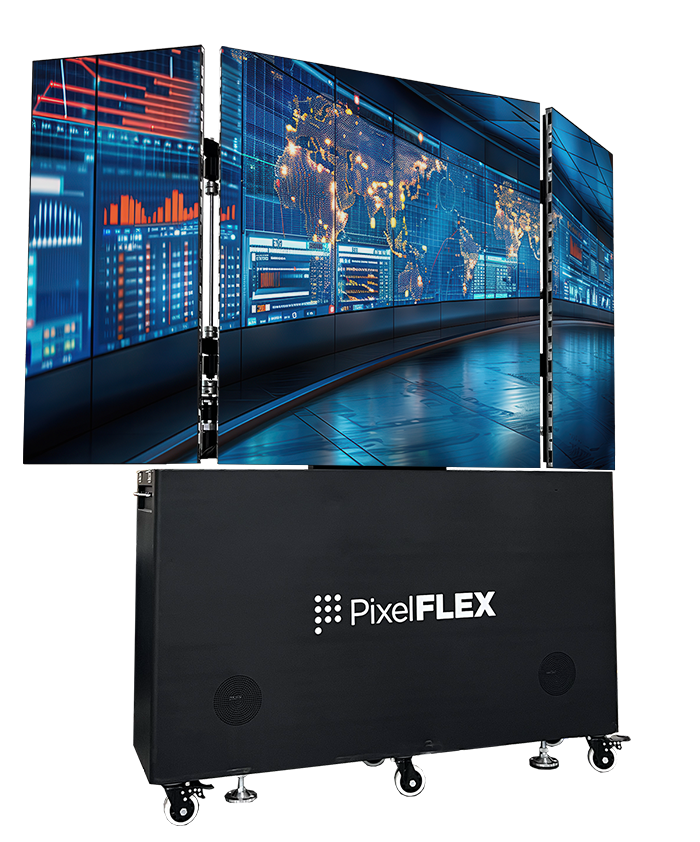
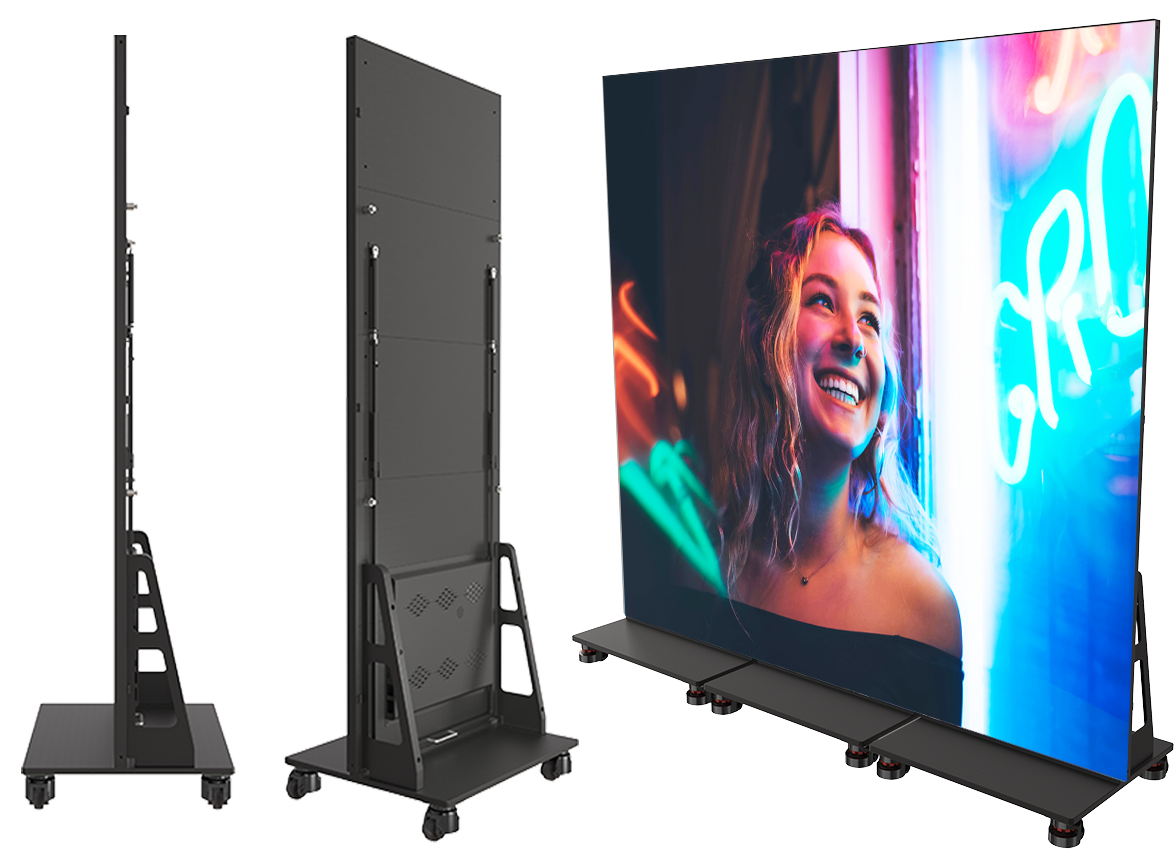
Rental and Touring LED Commonly about 2.6–4.8 mm Concerts, exhibitions, conferences, and temporary installations Modular cabinets support repeated assembly and flexible screen configurations Check cabinet weight, rigging points, setup time, spare parts, and whether the display is rated for the intended indoor or outdoor use
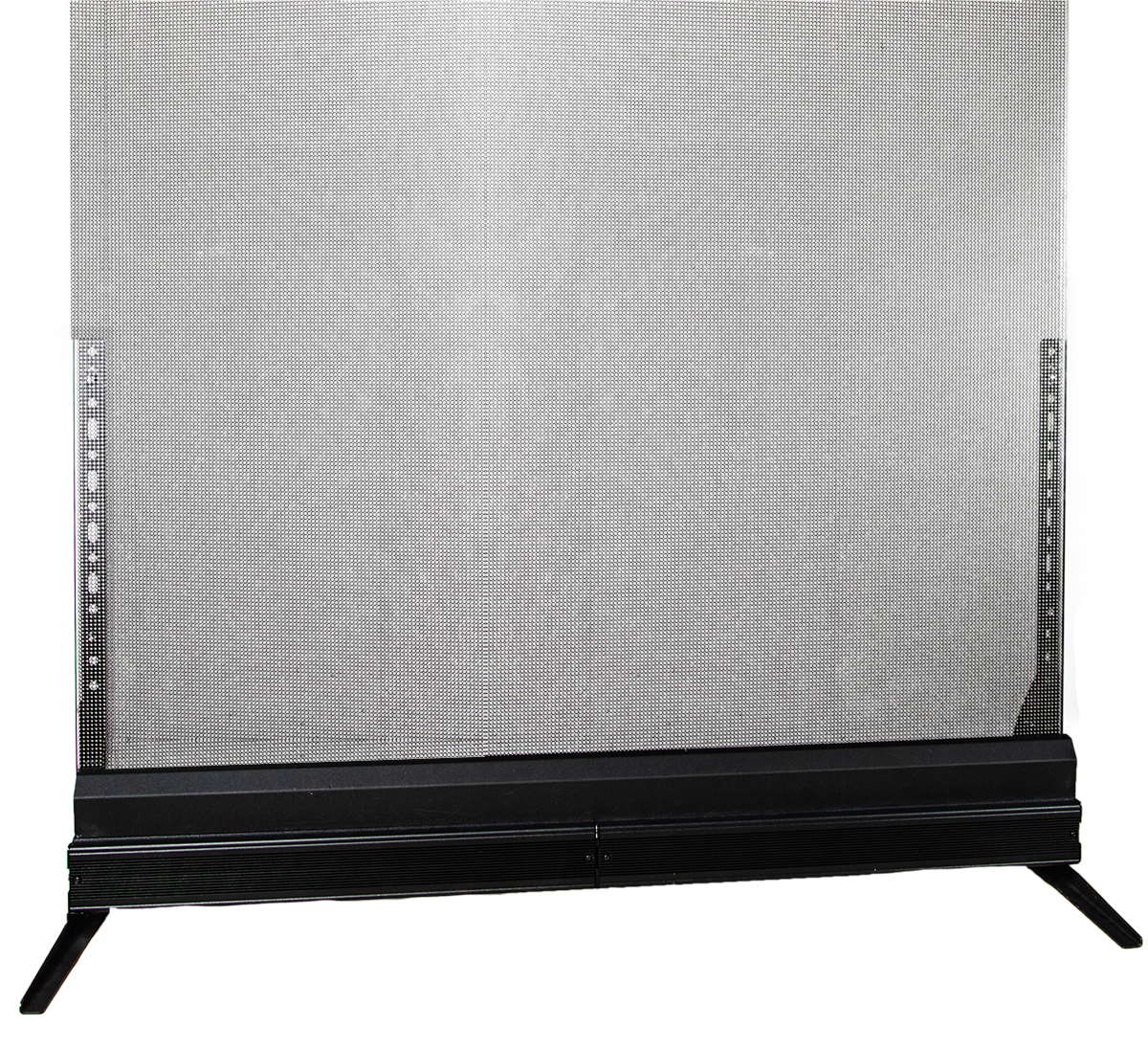
Transparent LED Varies by design; often about 3.9–10 mm Glass façades, storefront windows, and spaces where visibility through the screen matters Allows light and some sightlines to pass through while displaying content Transparency, image detail, brightness, and viewing angle vary by construction; assess performance in the actual installation
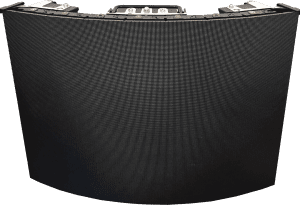
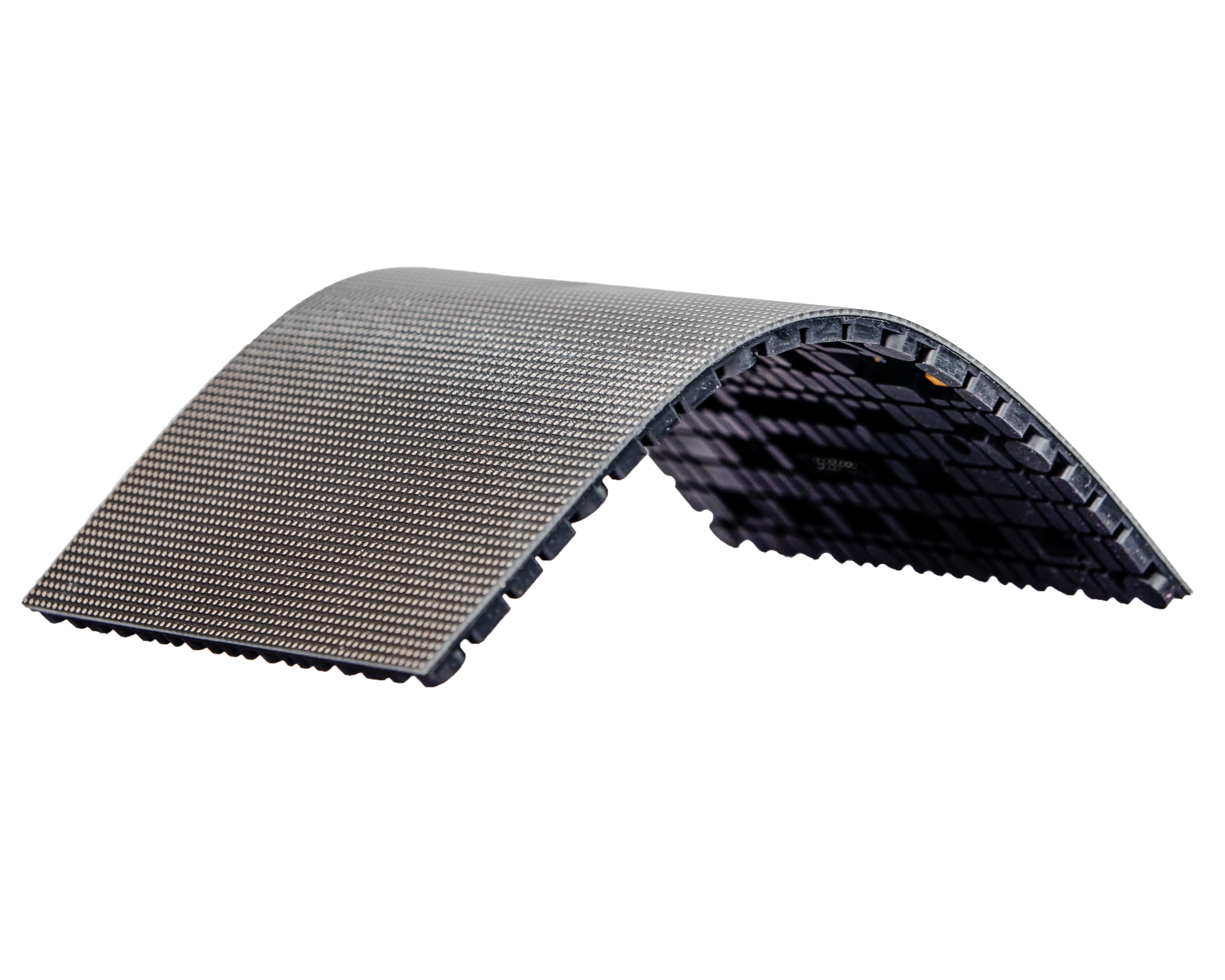
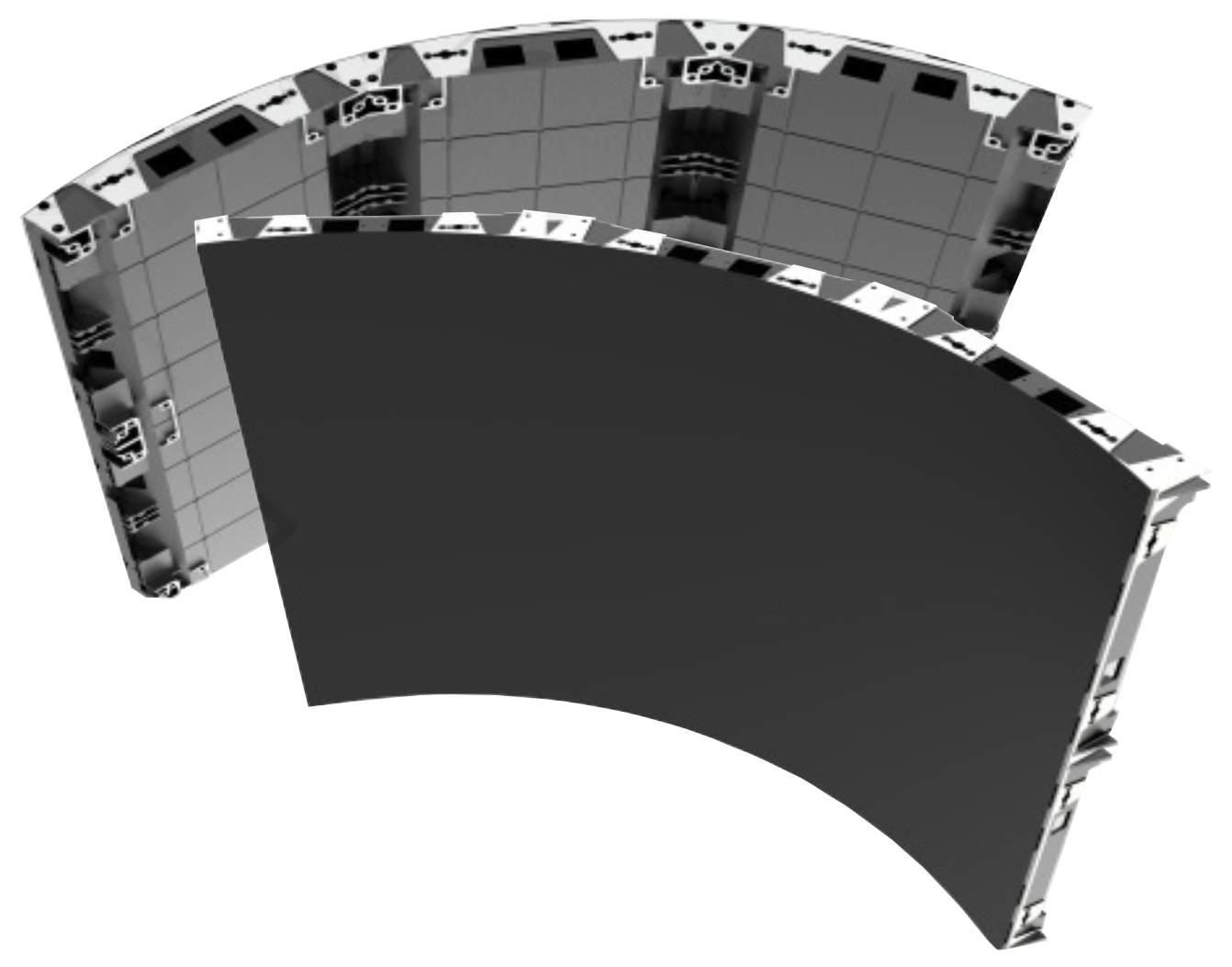
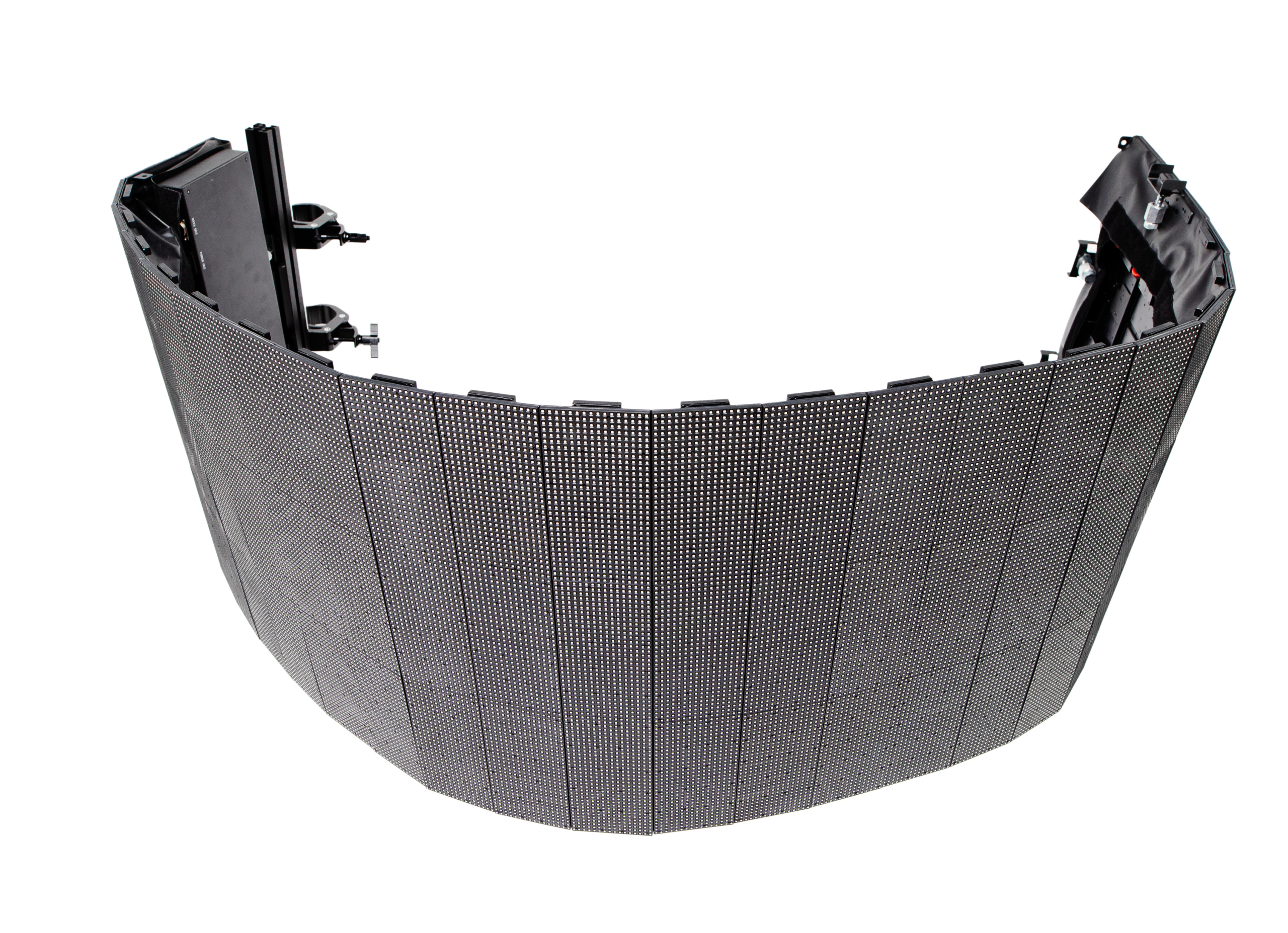
Flexible LED Often about 1.5–4.8 mm Curved walls, columns, creative displays, and custom-shaped installations Flexible modules can form selected curves and non-flat display surfaces Observe the minimum bend radius; confirm the supporting structure, service method, and whether the curve is inward or outward
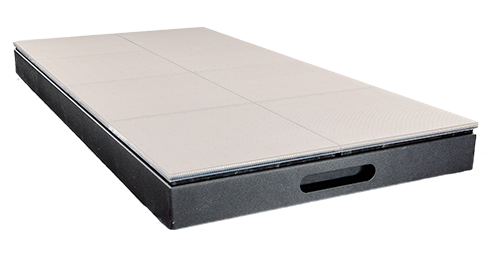
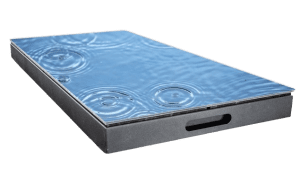
LED Floor Display Often about 2.5–6.25 mm Stages, interactive exhibits, events, and walkable indoor display areas Creates visual content underfoot and can support interactive experiences Confirm rated load, surface grip, impact resistance, cleaning requirements, and suitability for the expected traffic
Sports Perimeter LED Commonly about 6–10 mm Pitch-side advertising and sports venue boundaries Built for visibility from across a playing area; protective covers help reduce impact risks Check impact protection, viewing angles, refresh performance for cameras, and venue-specific safety requirements
LED Mesh or Media-Façade Display Typically coarser than indoor displays; often 10 mm or greater Large building façades and structures requiring a lightweight, open construction Open-area designs can reduce wind loading and preserve some daylight or visibility through the installation Assess viewing distance, structural loading, wind conditions, weather protection, and image detail at the intended scale
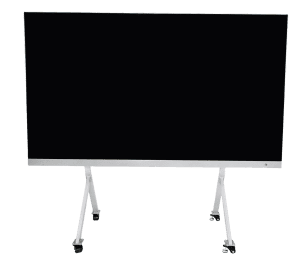
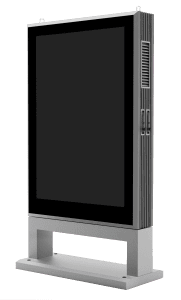
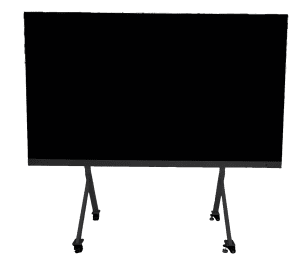
All-in-One LED Display Often about 0.9–1.8 mm for indoor models Meeting rooms, classrooms, presentation spaces, and compact auditoriums Usually combines a display with integrated control and connectivity features to simplify installation Compare screen size, input options, control features, installation requirements, and serviceability with a modular LED system

Note: Pixel-pitch ranges are indicative, not fixed standards. The right choice depends on viewing distance, ambient light, installation conditions, content, and maintenance requirements.

How Viewing Distance and Environment Shape LED Wall Selection

A wall that looks crisp in a showroom may reveal visible pixel gaps in a small meeting room. Viewing distance matters. For close audiences, fine-pitch indoor LED walls usually produce smoother text and detailed graphics. In a lobby or event hall, viewers stand farther away, so a wider pixel pitch may work well and reduce cost. Distance changes everything. Still, there is no universal viewing-distance formula; content, eyesight, and screen size all affect what people notice.

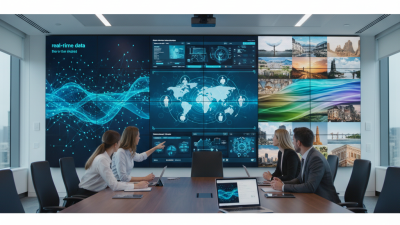
The environment shapes the choice just as strongly. Bright windows or direct sunlight can wash out an indoor display, while an outdoor-rated wall is designed for stronger light and changing weather. In a dim control room, excessive brightness can cause eye fatigue. Measure the room at different times of day, not just during a quiet site visit. That detail is easy to miss. Also check viewing angles, ventilation, and access for maintenance before fixing the screen size.

Rental walls suit temporary events because panels can be assembled and moved, but frequent setup requires careful handling and consistent calibration. Permanent installations may prioritize fine detail, quiet operation, and service access. I have seen layouts chosen from a floor plan alone, then adjusted after people gathered in the space. It is a costly way to learn. A short on-site viewing test with real content often reveals more than a specification sheet.

How to Compare Image Quality, Installation, and Operating Costs

LED walls differ in more than screen size. Indoor fine-pitch displays suit close viewing, while outdoor models need brighter output and weather-resistant cabinets. Rental walls prioritize quick assembly; fixed installations can use custom frames and concealed cabling. Transparent, flexible, curved, all-in-one, virtual-production, and sports displays serve more specialized spaces. Each type makes a different trade-off.

Compare image quality at the distance people will actually stand. Check pixel pitch, brightness, refresh rate, color consistency, and viewing angle; a sharp demo image may look less convincing under bright lobby lights. Ask to see moving content, not only static charts. Small detail matters.

Installation affects both cost and reliability. A heavy wall may need structural review, ventilation, power planning, and service access behind the cabinets. Rental panels reduce permanent commitment, but crews still need time and transport. Operating costs include electricity, control hardware, maintenance, and eventual module replacement. Request realistic power figures for your content and brightness settings. Specs can mislead. I would compare a few options in the actual room before choosing; paper comparisons miss glare, awkward access, and the way viewers move. That extra test can expose a costly mismatch.

Matching an LED Wall Type to Its Intended Application

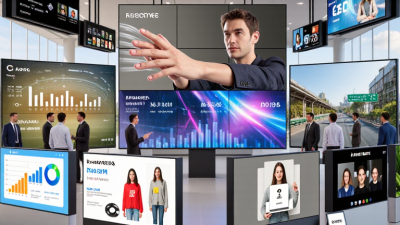
Matching an LED wall to its setting matters more than choosing the sharpest display. Fine-pitch indoor walls suit close viewing in control rooms, retail spaces, and conference halls. At two metres away, visible pixel gaps can distract from small text. Outdoor walls need higher brightness, weather protection, and enough contrast for changing daylight. Rental panels should be light, quick to connect, and easy to replace during a tight setup. Transparent LED works where a window view should remain visible, though bright backgrounds can reduce image clarity. Curved or floor-mounted displays can shape an experience, but they need careful structural planning.

Tips: Measure the closest viewing distance, ambient light, available power, and service access before comparing quotes. Ask for a demonstration with the content you will actually show. A vivid product video may hide poor text legibility.

A frequent planning mistake is treating pixel pitch as the only measure of quality. It is not. A wall that looks crisp in a showroom may appear dim in a sunlit lobby, while an outdoor-grade display can be unnecessarily bright indoors. Check refresh rate for camera use, ventilation for enclosed installations, and access to rear or front maintenance. These details are easy to overlook; even a small service panel can become awkward when the wall sits flush against a wall. Decide what viewers need to see, and where they will stand, before settling on a type.

Top 10 Types of LED Walls for Buyers

Matching an LED Wall Type to Its Intended Application

Pixel pitch is the distance between neighboring LED pixels; a smaller pitch generally supports sharper viewing at closer distances. Values shown are representative example configurations in millimeters, not fixed limits or universal specifications. Actual selection also depends on viewing distance, brightness, environment, and installation requirements.

Need Help?
X

Ready to Talk?

Our team is ready to connect.