Why Choose Samsung Video Wall for Your Business?

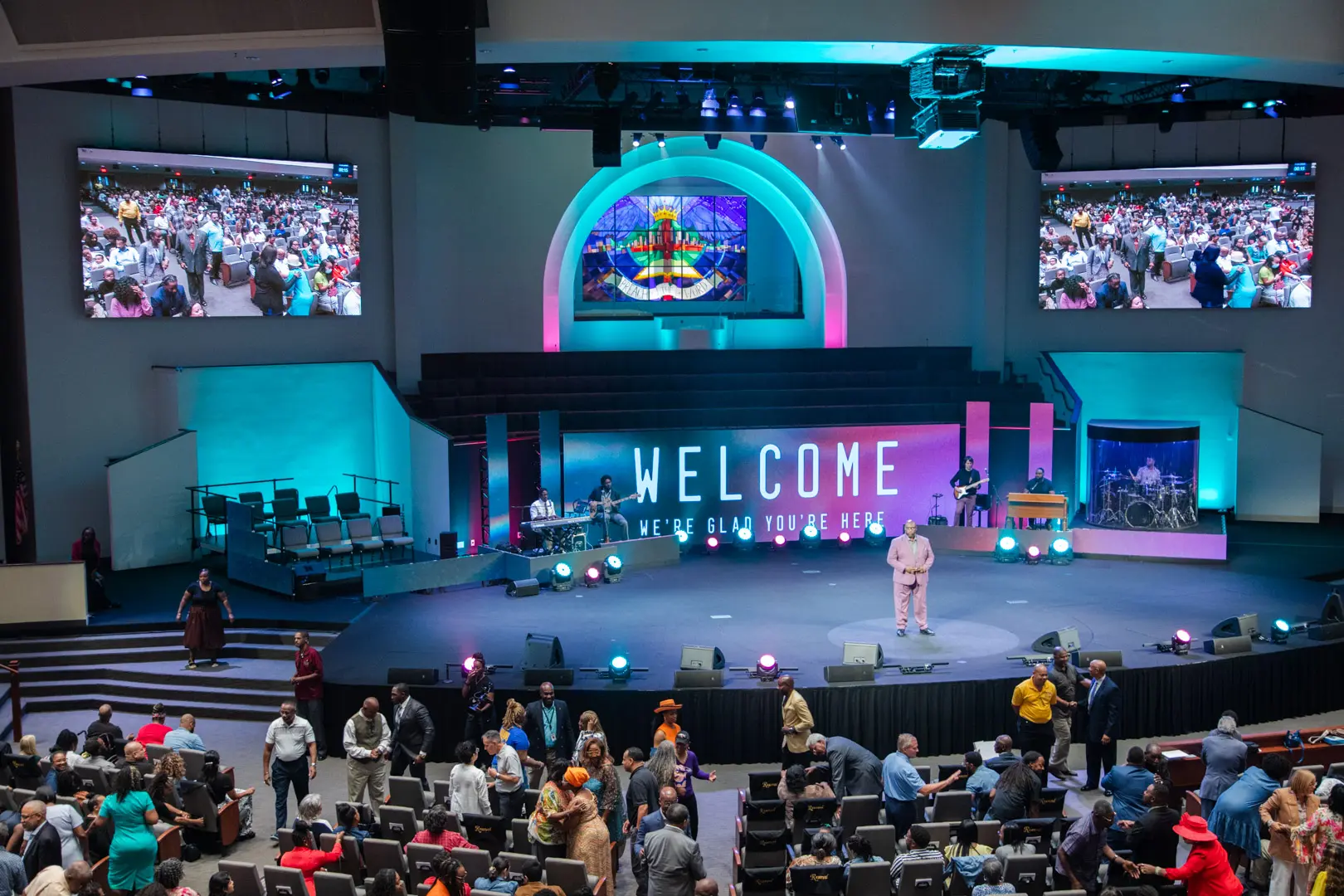
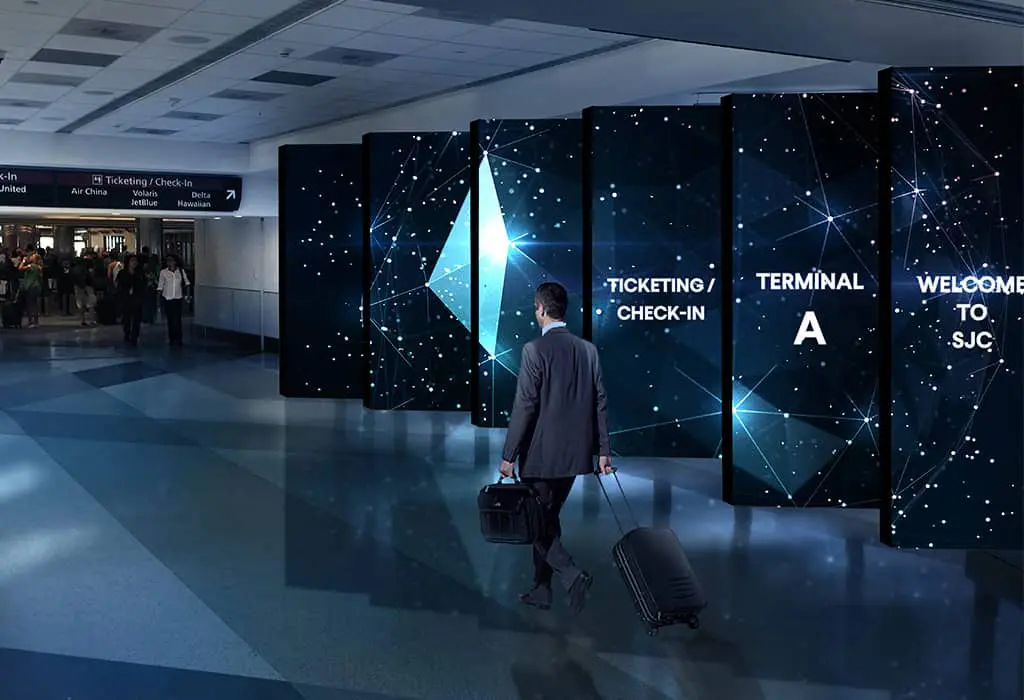
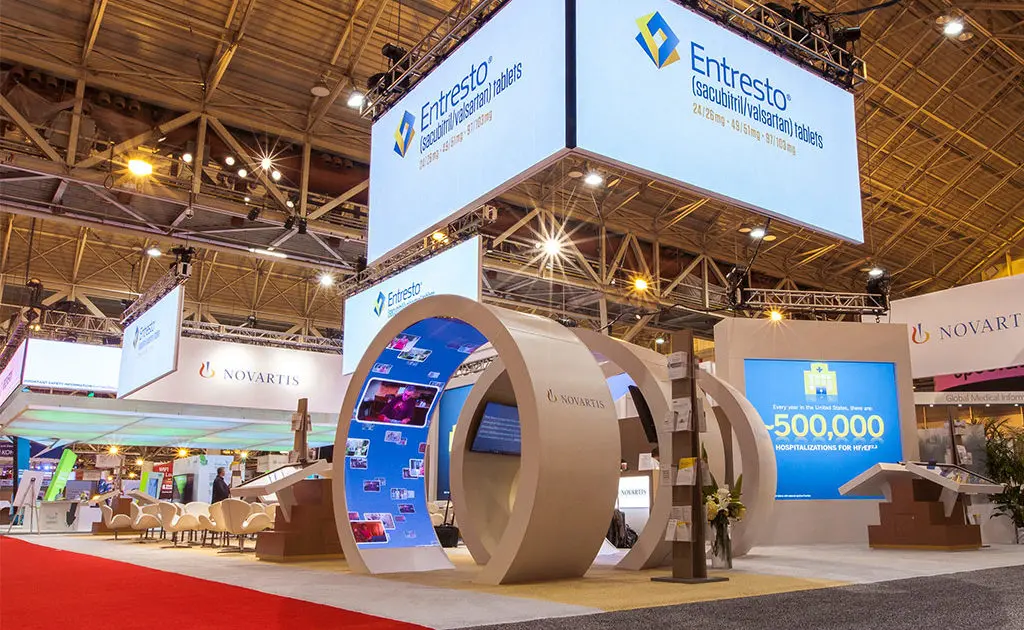
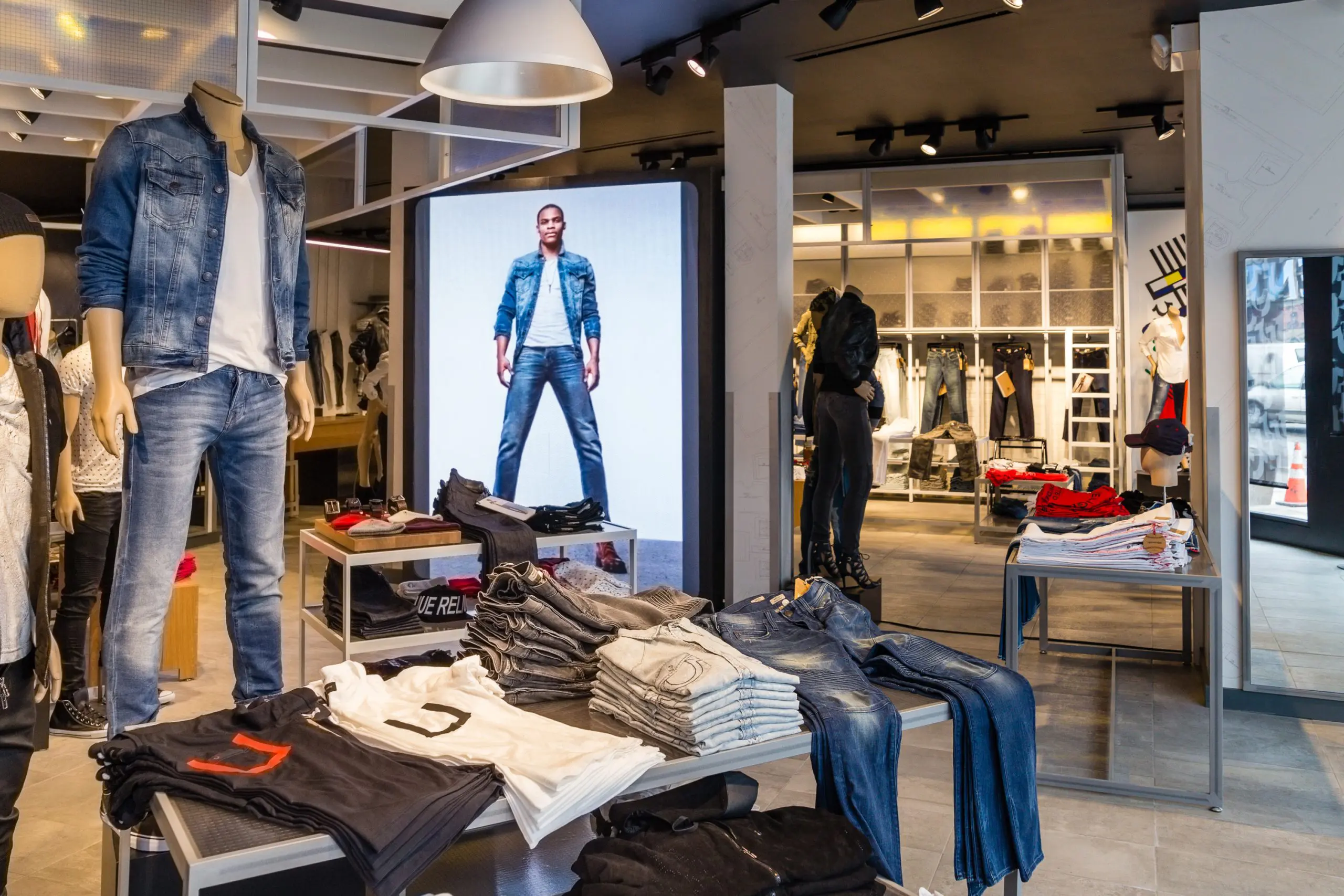
Choosing the right display system can shape how customers notice, trust, and remember your business. A Samsung video wall offers more than a large image. It creates a controlled visual environment across retail stores, corporate lobbies, control rooms, and hospitality spaces.

Industry display consultant Alan Brawn has expressed this practical view: “A video wall is a system, not just a group of displays.” That distinction matters. Samsung’s narrow bezels can reduce visible gaps between panels. Its high-brightness models can remain readable near windows and strong indoor lighting. A lobby wall might show a calm brand film in the morning, then switch to live event content by afternoon. The effect feels deliberate.

Reliability matters more than spectacle.

Businesses should examine operating hours, viewing distance, content sources, ventilation, and maintenance access. A beautifully installed wall can still disappoint when cables are hidden poorly or content resolution is ignored. Samsung video wall products may support centralized management, calibration, and professional installation, but results depend on the complete system. Hardware alone cannot fix weak content or poor planning.

There are limitations worth admitting. Large displays require investment, skilled setup, and ongoing monitoring. Some environments may need direct-view LED instead of LCD panels. Others may gain more from a smaller, simpler display. The strongest decision comes from matching Samsung’s technology to a measurable business purpose, not choosing it merely because the brand is familiar.

Why Choose Samsung Video Wall for Your Business?

What Is a Samsung Video Wall?

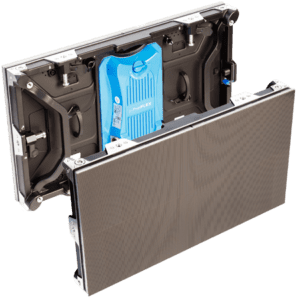
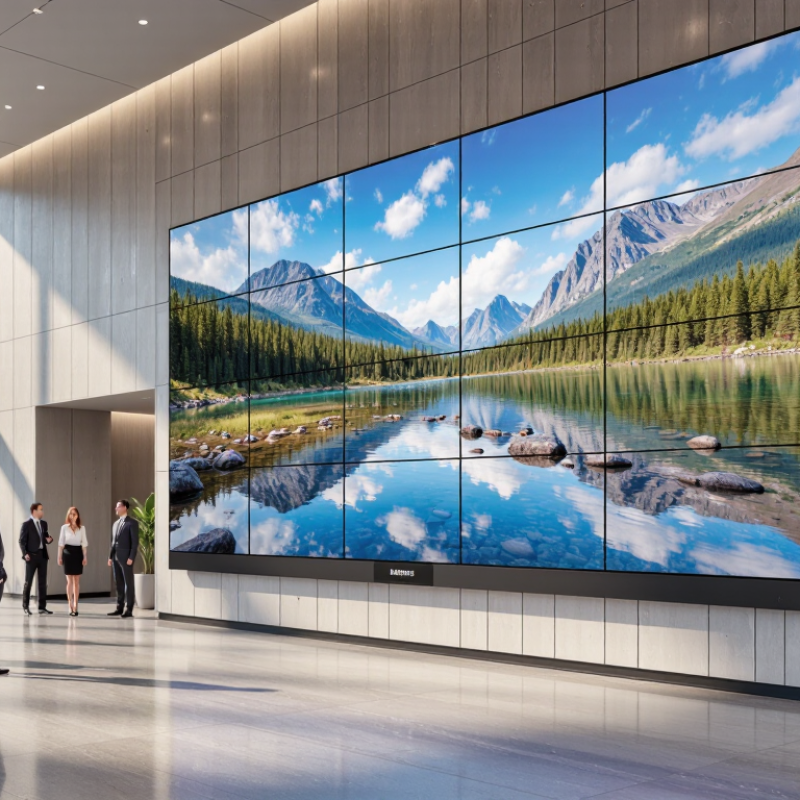
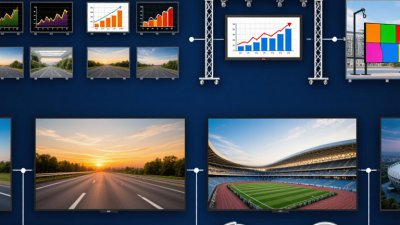
A professional video wall combines multiple commercial displays into one large, coordinated visual surface. Each panel shows part of the image, while a controller manages timing, scaling, and input sources. Unlike a single television, it supports larger viewing areas, flexible layouts, and continuous commercial operation. Thin bezels help reduce visible gaps between screens.

In real installations, the wall becomes useful when viewers stand several meters away. A retail team can display product videos, prices, and live promotions. A meeting space can show detailed charts without shrinking important labels. Brightness, viewing distance, ambient light, and content resolution must match the room. I have seen impressive walls fail because text looked sharp on one screen but weak across the full layout.

Reliable operation also depends on installation quality. Technicians need accurate mounting, ventilation, cable planning, and regular calibration. A small alignment error can create a distracting vertical line. Dust, heat, and uneven brightness may appear later, not during testing. The system is not automatically perfect. Businesses should review maintenance access, replacement procedures, and control software before purchase. These details often influence daily performance more than screen size alone.

Why Choose Samsung Video Wall for Your Business? - What Is a Samsung Video Wall?

Data Dimension Factual Information Business Relevance
Definition A video wall is a large visual display created by arranging multiple screens in a grid and coordinating them as one presentation surface. It supports large-format communication in control rooms, retail spaces, meeting areas, transportation facilities, and public venues.
Display Configuration Common layouts include 2 × 2, 3 × 3, 4 × 4, and wider custom arrangements. The layout can be matched to the wall size, viewing distance, content type, and room design.
Aspect Ratio A standard 16:9 screen has a width-to-height ratio of approximately 1.78:1. A 2 × 2 arrangement of identical 16:9 screens creates an overall ratio of approximately 32:9. Content should be formatted for the complete wall or divided into zones to avoid distortion and unused space.
Resolution Scaling If four 1,920 × 1,080 screens are arranged in a 2 × 2 grid, the combined canvas can represent 3,840 × 2,160 pixels when the content system supports that output. Higher combined resolution helps present detailed dashboards, maps, text, and video across a larger viewing area.
Bezel Consideration The bezel is the border surrounding an individual display. The borders create visible seams where screens meet. Narrower bezels reduce visual interruption, which is useful for maps, dashboards, presentations, and continuous imagery.
LCD Video Wall LCD video walls use liquid-crystal panels with LED backlighting and are commonly available in modular screen sizes. They are well suited to indoor environments where close viewing, readable text, and controlled lighting are important.
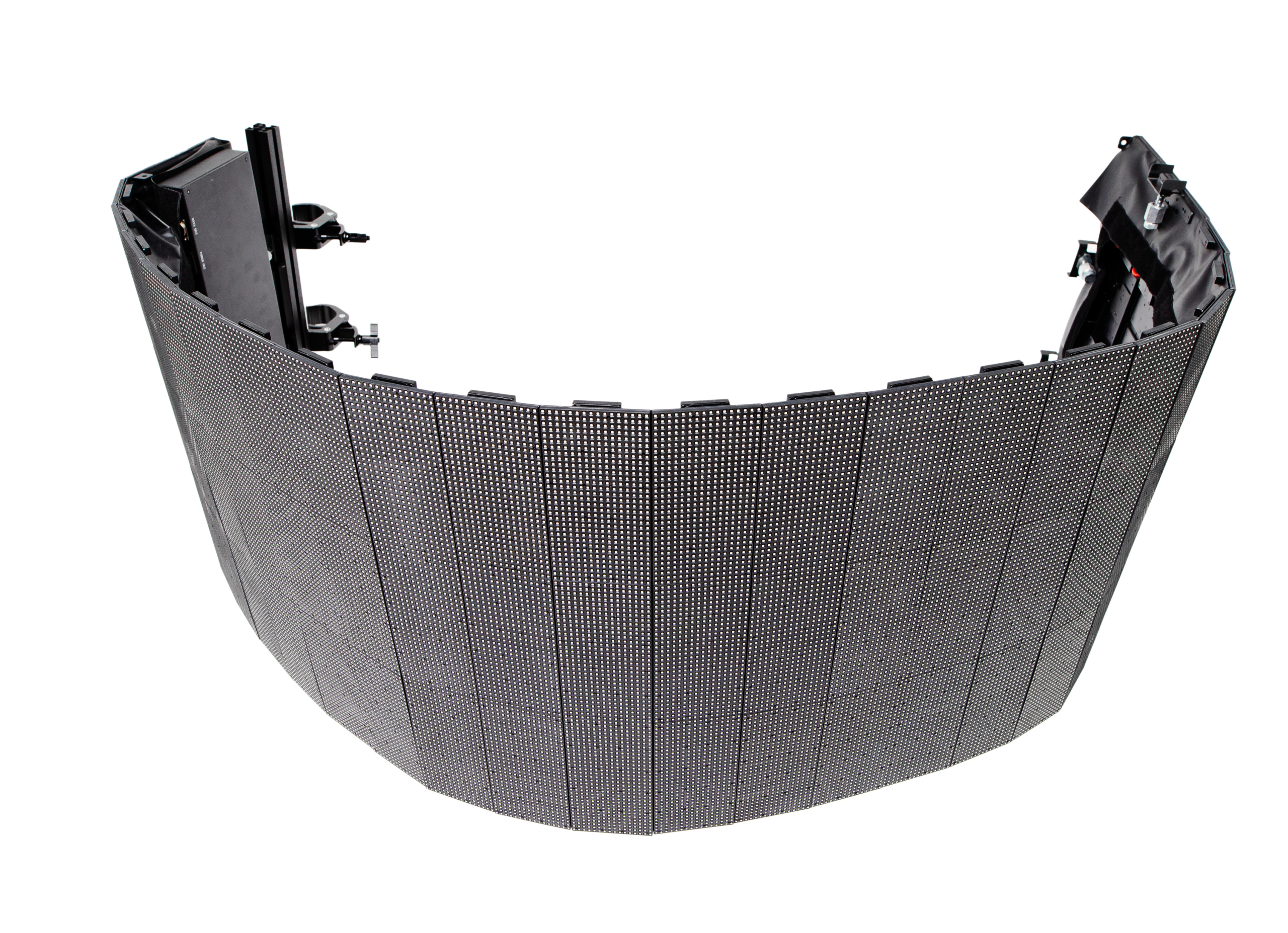
Direct-View LED Direct-view LED displays use light-emitting diodes to produce the image directly, without a conventional LCD panel. They can support very large, seamless surfaces and are often considered for high-impact installations or longer viewing distances.
Content Sources Typical sources include computers, media players, cameras, signage platforms, dashboards, and networked data systems. Multiple sources allow teams to compare information, display announcements, or combine live and scheduled content.
Viewing Distance The suitable screen technology, pixel density, and display size depend on how far viewers are from the video wall. Evaluating viewing distance helps balance image detail, readability, installation cost, and visual comfort.
Scalability A modular video wall can be designed with multiple panels and expanded or reconfigured when the supporting hardware and structure allow it. Organizations can plan for future content, larger spaces, or additional information sources without relying on one oversized display.
Key Selection Factors Important factors include screen type, wall dimensions, bezel width, brightness, resolution, viewing distance, operating environment, content system, installation method, and maintenance access. A structured evaluation helps ensure that the video wall meets visual, operational, installation, and long-term maintenance requirements.

How Samsung Video Wall Technology Works

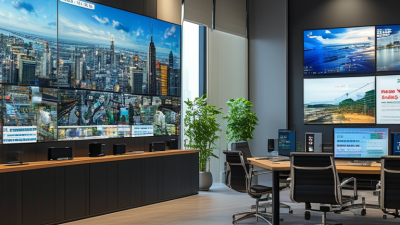
A commercial video wall is more than several screens placed together. It is a coordinated display system built from modular panels, a video controller, signal processors, and content software. The controller receives sources such as cameras, presentations, or digital signage files. It then scales and distributes each image across individual panels. Frame synchronization keeps movement continuous, while factory calibration balances brightness and color between tiles.

LED walls create images through millions of light-emitting diodes. LCD walls use liquid-crystal panels with backlighting. Pixel pitch affects viewing distance: tighter spacing produces sharper images for close audiences. A processor also manages layouts, allowing one large image or several windows at once. According to MarketsandMarkets, the global video wall market is projected to grow from about USD 19.3 billion in 2023 to USD 29.7 billion by 2028. Demand is rising in control rooms, retail spaces, transport hubs, and corporate environments.

Installation quality still matters. Poor calibration can leave visible seams or uneven brightness. A 2024 report from the International Data Corporation identifies digital signage and visual communications as continuing enterprise investment areas, especially for real-time information delivery. However, market forecasts are not guarantees. Energy use, heat, content quality, and maintenance costs can weaken the business case. A practical design should test sightlines, ambient light, network redundancy, and service access before purchase. The impressive wall is not always the most effective one.

Key Features of Samsung Video Wall Displays

A professional video wall can turn a plain lobby into a clear, engaging communication space. The most important feature is image consistency. Uniform brightness, accurate color, and narrow bezels help multiple screens appear like one large canvas. This matters when visitors stand close to the display.

Brightness should match the room, not simply reach the highest possible level. A bright retail entrance may need strong light output, while a conference room benefits from softer settings. Automatic brightness control can reduce glare and power use. It can also create uneven results if the sensors are poorly positioned. That detail is easy to overlook.

Reliable video walls support long operating hours and stable thermal control. Commercial-grade panels often include built-in monitoring, remote diagnostics, and scheduled maintenance alerts. These tools help staff detect a failing panel before customers notice it. I have found that cable management matters just as much. Loose connections can interrupt an otherwise excellent installation.

Content flexibility is another practical advantage. A video wall should handle presentations, promotional videos, live data, and multiple input sources. Centralized control allows operators to change layouts without reaching behind the screens. Some systems offer portrait and landscape installation, which suits different spaces. However, installation planning still requires care. Wall strength, ventilation, viewing distance, and service access must be checked before purchase. Beautiful specifications cannot fix poor placement.

Business Benefits of Using a Samsung Video Wall

A modern video wall turns scattered information into one visible business story. It can guide shoppers, support control rooms, or strengthen corporate presentations.

AVIXA’s 2024 Industry Outlook estimates the professional audiovisual market will reach roughly $363 billion in 2024. That expansion reflects stronger demand for visual communication across workplaces and public environments.

The business value comes from flexibility. High-resolution panels can display live dashboards, product visuals, announcements, and emergency information from one platform. Content teams can update messaging quickly, reducing printed materials and manual screen changes.

MarketsandMarkets projects the digital signage market will grow from about $27.1 billion in 2024 to $45.3 billion by 2029. That forecast suggests measurable interest in dynamic communication tools.

It feels immediate.

In practical deployments, a video wall can shorten visitor orientation and improve message visibility in busy spaces. However, larger is not always better. Poor brightness settings, narrow viewing angles, or weak content planning can make the installation distracting. Energy use also deserves attention. Businesses should review operating hours, maintenance access, warranty terms, and total cost before purchasing. A thoughtful layout often performs better than an oversized display. This is where many projects need more reflection. The screen attracts attention, but useful content earns it.

Choosing the Right Samsung Video Wall for Your Business

Choosing the right video wall for your business starts with the room, not the screen size. I have seen oversized displays overwhelm small reception areas. A bright lobby may need high brightness, while a boardroom often needs softer light and fine image detail. Measure viewing distance, wall width, ambient light, and available power before comparing models. A simple site survey can prevent expensive changes later.

Pixel pitch deserves careful attention. Smaller pixels create sharper images at close range, but they can increase the purchase cost. For a control room, viewers may sit only two meters away. For a retail display, people may stand farther back. Match the pixel pitch to real viewing habits. Do not choose the sharpest option automatically. It may offer little value in a large hall.

Think beyond installation. Ask about heat management, operating hours, warranty terms, spare parts, and technician response times. The video wall should support your content system without awkward adapters or constant manual adjustments. Test movement, skin tones, small text, and dark scenes before approval. I once focused too heavily on image quality and underestimated maintenance access. That mistake made routine servicing slower. Leave space behind the panels, label every cable, and document the settings. Reliable performance depends on these unglamorous details.

Need Help?
X

Ready to Talk?

Our team is ready to connect.